
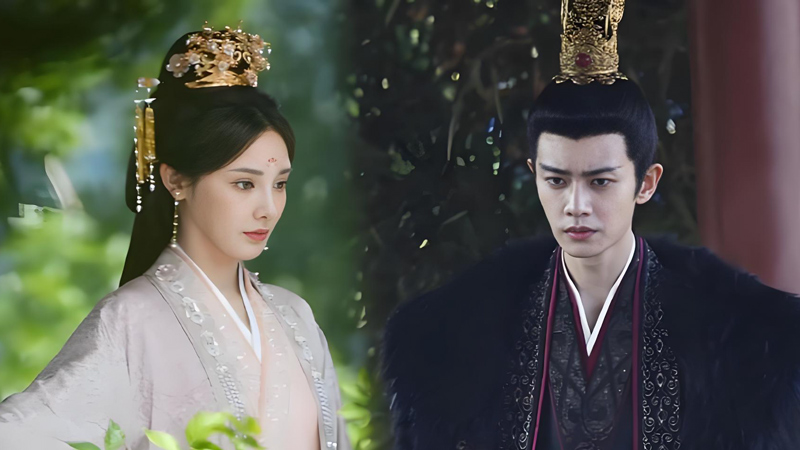
Television audiences are gravitating toward narratives where deep affection clashes with sharp conflict. A phrase like Passionate Sagas now peppers online forums, summing up this pull toward stories where bonds are tested by fierce emotions.
In The Prisoner of Beauty (折腰), leads display warmth while hiding private agendas. Love & Crown (凤凰台上) shows he and she divided by a mentor's death yet drawn together. Even cinema captures this, as in The Sun Rises on Us All (日掛中天), where a street-side glance between Zeng Meiyun (曾美云) and Bao Shu (葆树) speaks volumes.
This pattern, often called Anguish-Satisfaction, weaves mild anguish into rich emotional payoffs. Creators are noting how viewers embrace these layered tensions, shaping new projects to feed this appetite.

1. Love and Hate in Modern Drama
In today's television landscape, a distinct narrative pattern captivates audiences by weaving together deep-seated conflict and passionate romance. This approach, often seen in series where characters grapple with opposing loyalties or historical grievances, draws viewers into a whirlwind of feelings. Stories that pit love against hatred or duty against desire have become a staple, offering a mix of heartache and hope. They tap into universal emotions, making the journey of characters who cannot easily be together both painful and irresistible. This trend reflects a shift toward content that prioritizes immediate emotional impact over intricate plotting or moral clarity, resonating with audiences seeking intense, relatable experiences.
Emotional Pull
Audiences are drawn to narratives that balance affection and animosity, as seen in dramas like Love in the Clouds (入青云) and Love & Crown. These shows feature protagonists entangled in unavoidable disputes yet unable to deny their growing attachments. The tension arises from their internal struggles and external pressures, creating a dynamic that keeps viewers engaged. By focusing on moments of high drama, such as confrontations or tender exchanges, these stories evoke strong reactions. This emotional investment makes the viewing experience feel personal and urgent, as if the characters' fates matter deeply to those watching.
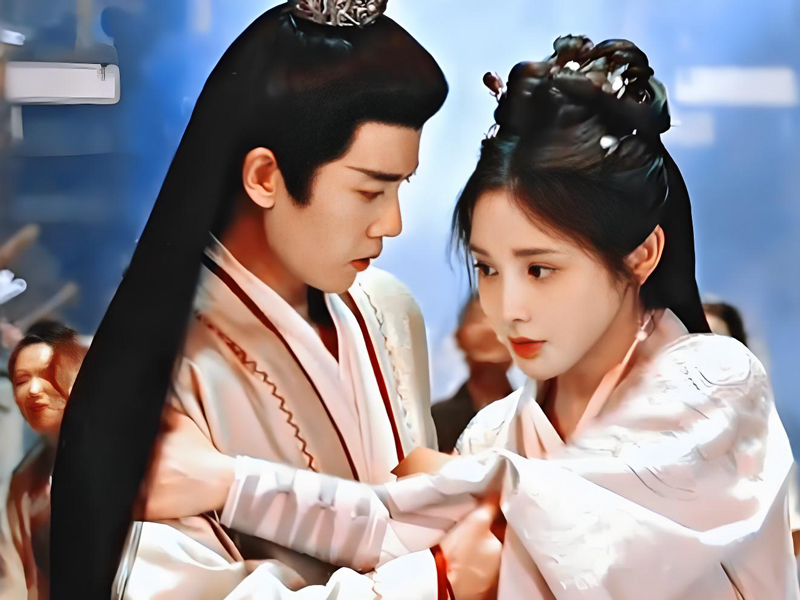
This narrative style aligns with what some creators call emotional satisfaction, where the primary goal is to stir feelings rather than deliver complex messages. A director might describe it as hooking the audience through pace and visuals, ensuring they are swept along by the story's flow. For instance, in the series The Prisoner of Beauty, the push-and-pull between leads amplifies the sense of longing and frustration. Viewers find themselves rooting for the couple despite the odds, a testament to the power of well-crafted emotional arcs. This approach simplifies the viewing process, allowing people to escape into a world where emotions rule.
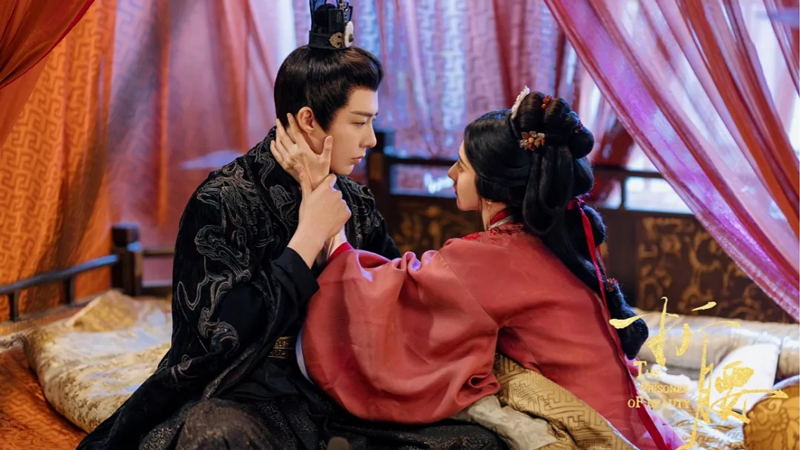
The appeal lies in the raw, unfiltered portrayal of human connections, where love and hate coexist without easy resolution. Unlike tales with clear moral lessons, these stories thrive on ambiguity, making the audience question their own biases. As one fan noted, it is the unpredictability that makes each episode compelling, as characters navigate their tangled relationships. This method has proven effective in building a loyal following, as it mirrors real-life complexities in an exaggerated, dramatic form. Ultimately, it is about giving people a safe space to experience intense feelings without real-world consequences.
Short-Form Impact
The influence of brief, episodic content has reshaped how longer series are structured, leading to what some term a "short-drama style" in traditional television. Micro-dramas, with their quick pacing and heightened conflicts, have demonstrated that viewers crave immediate gratification. This has encouraged producers to adopt similar techniques in full-length shows, emphasizing cliffhangers and emotional peaks. For example, the drama Fight for Love (山河枕) incorporates elements that might once have been deemed too sensational, such as unconventional relationships, to maintain interest.

This shift is partly driven by market observations that audiences, especially younger demographics, prefer stories that get straight to the point. A media planner points out that short dramas often test bold ideas first, paving the way for broader acceptance in longer formats. By borrowing from the playbook of web-based series, traditional TV can explore themes that were previously considered niche. This cross-pollination has led to a richer variety of narratives, where emotional intensity takes precedence over slow-building character development.
Moreover, the economic success of short-form platforms has validated this approach, showing that viewers will engage with content that prioritizes feeling over finesse. In practical terms, this means scenes are crafted to deliver maximum impact in minimal time, using visual cues and dialogue to evoke quick emotional responses. As a result, even complex stories are broken down into digestible, emotionally charged segments. This trend underscores a broader change in consumption habits, where attention spans are shorter, and the demand for instant emotional payoff is higher than ever.
Taboo Themes
Introducing morally ambiguous or forbidden elements, such as relationships that challenge social norms, adds a layer of intrigue to these emotional narratives. In Seep and Love (双轨), the plot revolves around a bond that borders on the inappropriate, given the characters' family dynamics. This "pseudo-sibling" setup forces viewers to confront their own boundaries, making the story more provocative and memorable. By incorporating such themes, creators tap into a fascination with the unconventional, pushing the envelope of what is acceptable on screen.
This strategy amplifies the internal conflict within the story, as characters wrestle with their desires against a backdrop of societal judgment. Unlike external obstacles like feuds or wars, these inner dilemmas create a deeper, more personal strain. Audiences are not just pitying the protagonists; they are actively debating the morality of their actions. This engagement leads to a stronger lasting impression, as the ethical questions linger long after the episode ends. It is a way to make the emotional journey more immersive and thought-provoking.
The use of taboo topics also serves as a marketing tool, generating buzz through word-of-mouth and online discussions. Fans of the original source material, such as novels or web series, often champion these elements, spreading awareness and drawing in new viewers. For instance, the concept of bei de (背德), or "against morality," has become a selling point for certain dramas, highlighting their daring nature. This not only differentiates them from safer, more conventional stories but also aligns with a cultural moment where audiences are eager to explore edgier content. In essence, it is about leveraging shock value to enhance emotional resonance.

2. Emotional Waves in Television Drama
Television dramas have always adapted to the shifting tides of audience desire, moving from broad strokes of melodrama to subtle portraits of everyday life. This evolution is not just about changing tastes but about how stories serve as emotional anchors in a fast-paced world. Today, a distinct pattern emerges where series blend intense feelings with satisfying resolutions, creating a unique space for viewer engagement. This article examines the journey from overstated narratives to the current emphasis on emotional craftsmanship.
Early Dramas
In the beginning, many series leaned heavily on exaggerated plots to hook viewers. Love triangles, sudden tragedies, and characters facing improbable twists were common fixtures. Audiences initially found these elements gripping, but the lack of depth soon led to fatigue. Shows that once dominated ratings began to fade as people sought more relatable content.
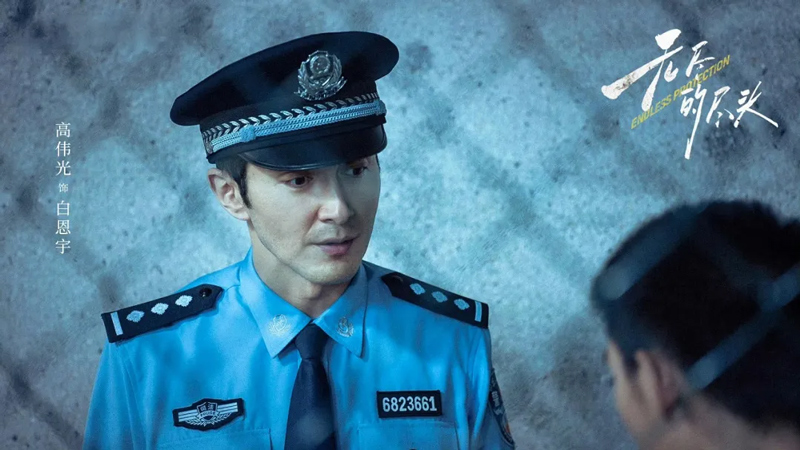
These early productions, often labeled for their over-the-top storytelling, highlighted a key lesson: drama without authenticity struggles to hold attention. Viewers started to voice their dissatisfaction, pushing creators to rethink their approach. This period marked a turning point where the demand for genuine human experiences started to shape the industry.
Despite their decline, these dramas laid the foundation for understanding emotional pacing. They demonstrated that while conflict drives interest, it must feel earned rather than forced. This insight paved the way for more nuanced storytelling in the years that followed.
Realistic Shift
As audience preferences matured, television saw a surge in series focused on real-life issues. Programs like Nothing But Thirty (三十而已) and Delicious Romance (爱很美味) gained praise for their honest depictions of modern relationships. These stories resonated because they mirrored the complexities viewers faced daily, from career struggles to personal growth.
This shift brought a focus on character-driven narratives where emotions arose naturally from situations. Even in romantic genres, clichés made way for authentic interactions that felt true to life. The success of these shows proved that audiences value stories that reflect their own journeys.
Producers noted that realism could foster a deeper connection, making viewers feel seen and understood. This era emphasized that powerful drama doesn't need grand gestures—it can thrive in the quiet moments of everyday existence.
New Trends
Recently, a fresh approach has taken hold, centering on what some call Passionate Sagas. These series offer heightened emotional experiences, blending love and conflict in ways that provide an escape from routine. As one producer, Tong Tong, explains, audiences treat these as "emotional substitutes" for experiences missing in their lives.
Unlike past melodramas, current versions carefully balance tension with relief. They introduce challenges but ensure quick, satisfying resolutions that leave viewers feeling uplifted. This method, often described as "light on hardship, heavy on reward," keeps the emotional journey engaging without becoming draining.
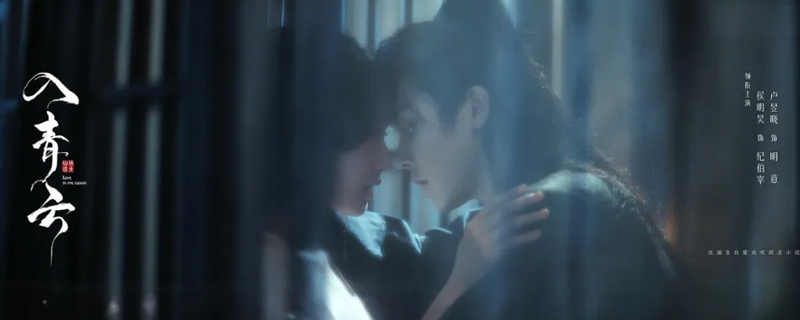
Visual and auditory elements play a big role, with scenes designed to amplify chemistry and mood. Series like Go Go Squid! (亲爱的,热爱的) and You are My Glory (你是我的荣耀) use this to create compelling dynamics that resonate deeply. By mixing adversity with warmth, they deliver a cathartic experience that captivates audiences.
Audience Response
Viewers today engage with dramas as sources of emotional release, seeking stories that offer both intensity and comfort. The appeal lies in experiencing extreme feelings without real-world consequences, which can be refreshing amid daily stresses. This dynamic drives high engagement rates and social media discussions.
However, preferences continue to evolve, with audiences favoring variety in emotional tones. They appreciate when a series can pivot from conflict to connection smoothly, maintaining interest through unpredictable yet satisfying arcs. This demand for balanced storytelling pushes creators to innovate constantly.
Ultimately, the relationship between viewer and drama is symbiotic—shows that understand emotional needs thrive, while those that don't risk fading away. The ongoing dialogue between creators and audiences ensures that television remains a vibrant medium for emotional exploration.

3. The Shifting Sands of Chinese Television
This year has prompted a quiet unease within the Chinese television industry. The anticipated blockbuster, the kind that galvanizes the entire market, has failed to materialize. Data reveals a stark picture: only three contemporary dramas have crossed the significant viewership threshold, while not a single period drama has managed the feat. This points to a broader challenge of retaining a stable audience base. Yet, within this landscape, a different story emerges. A cluster of shows are performing respectably, securing a dedicated, if smaller, following. These series have achieved a stronger grip on their core viewers, suggesting that the path forward isn't about universal appeal, but about deepening engagement with specific audience segments. The industry now stands at a crossroads, searching for the next sustainable model beyond the fleeting hit.
Emotional Extremes
One noticeable trend has been the focus on intensely dramatic relationships, often referred to as Passionate Sagas. This approach zeroes in on heightened emotional conflicts and potent chemistry between lead characters. Productions like The Prisoner of Beauty and Love in the Clouds have invested heavily in crafting these dynamics. They are designed to deliver strong, immediate emotional payoffs to their target audience. For viewers primarily seeking romantic tension and dramatic encounters, these narratives hit the mark. The data indicates that this strategy has been somewhat successful in maintaining viewer interest within this specific genre. It represents a conscious effort by creators to cater to a defined taste, moving beyond vague storytelling to more targeted emotional manipulation.

However, this focus on extreme emotion presents its own set of creative challenges. A critic observes that such heightened relationships demand exceptionally skillful writing. When a story operates outside ordinary experience, its logic must be airtight to maintain believability. The emotional progression needs careful construction, guiding the audience step-by-step into accepting the dramatic premise. If the foundation is weak, the entire narrative structure can feel unearned or confusing. The risk lies in prioritizing shock value or instant gratification over coherent character development and plot mechanics. This can leave the story feeling hollow, a collection of intense moments rather than a satisfying journey.
The reliance on this model also raises questions about market diversity. While it serves a particular audience well, it does little to attract viewers outside that bubble. A viewer not interested in these intense romantic entanglements may find little else of substance. The industry seems to be perfecting a formula for a specific type of consumer, potentially at the expense of a wider, more varied content ecosystem. The current success of these dramas, therefore, is a double-edged sword. It proves a viable commercial strategy in the short term but may not be a healthy long-term solution for an industry needing to broaden its appeal.
The Retention Puzzle
The first was an upgrade in visual aesthetics, where production values and cinematography saw marked improvement. The second was a move towards faster pacing and stronger dramatic hooks, designed to capture and hold viewer attention. Both adjustments have undoubtedly enhanced the viewing experience on a superficial level. Shows became better looking and more immediately engaging.
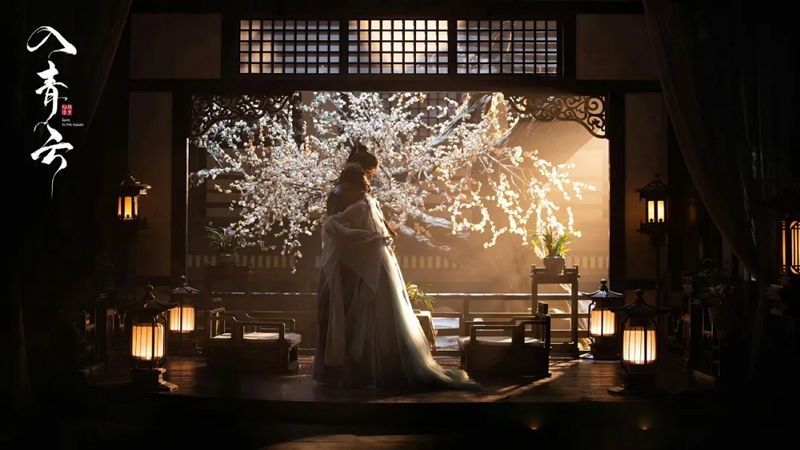
The data now suggests that these upgrades have not been enough to ensure long-term audience loyalty. While they may have initially drawn viewers in, they have struggled to keep them committed over entire seasons. This points to a deeper issue: the substance of the scripts has not evolved at the same pace as the style. A beautiful show with a gripping first episode is useless if the plot becomes illogical or the characters unconvincing by the tenth. The audience's initial excitement can quickly turn to frustration if the narrative fails to deliver on its early promise.
This creates a paradox for creators. Investing in aesthetics and pacing is necessary to compete in a crowded market, but it is not sufficient. The ultimate key to retention lies in the quality of the writing. A well-told story with compelling characters will always have more staying power than a visually stunning but narratively weak one. The industry's current challenge is to bridge this gap, to ensure that the technical and stylistic advancements are supported by equally robust and intelligent screenwriting.
Beyond the Formula
Another voice offers a more optimistic view of the current trends. She sees value in the consolidation of genres like Passionate Sagas, arguing that it has led to better audience retention for certain types of flow-driven dramas. In an ideal market, she suggests, there would be a clear distinction: viewers who enjoy intense emotional dramas would have their needs met, while others would have a different slate of genres to choose from. The problem, in her view, is not the existence of these popular genres, but the historical over-saturation of the market by them, which makes any dip in their performance seem like a crisis.
However, another person also sounds a cautionary note. She questions what happens if the industry becomes over-reliant on a single successful formula. If every new project is a variation of Passionate Sagas, will audiences grow tired of it in a few years, just as they grew weary of the "Mary Sue" archetype? This cycle of boom and bust for specific narrative templates is a recurring theme in content creation. The real change needed, therefore, might not be finding the next big trend, but fostering an environment where diverse stories can thrive simultaneously.
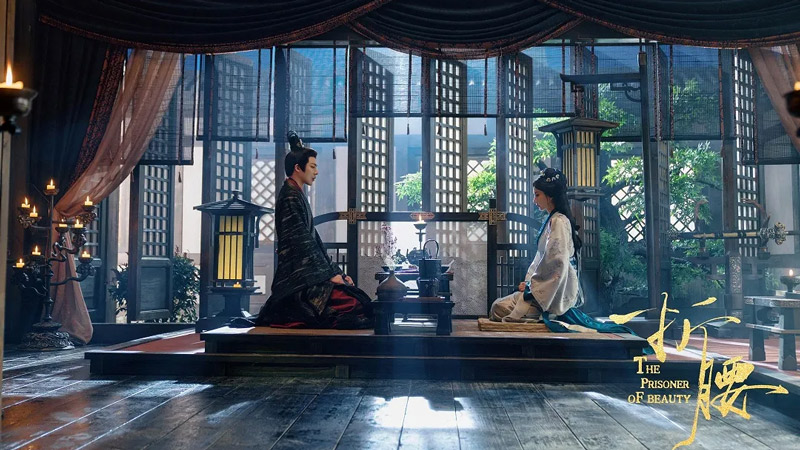
The path forward likely involves a more nuanced understanding of audience segments. Instead of chasing a single, elusive blockbuster that appeals to everyone, producers might find more success by steadily cultivating several dedicated audiences for different types of content. This requires courage to invest in untested ideas and a willingness to move beyond the safety of proven, if aging, formulas. The goal is a resilient and varied content landscape that can withstand the failure of any single show or genre.

Audience Engagement in Television
In essence, the television landscape is being reshaped by a potent demand for emotionally charged narratives. The rise of "Passionate Sagas" and the Anguish-Satisfaction structure highlights a viewer appetite for intense, cathartic experiences that balance conflict with deep affection. While this trend successfully captivates specific audiences, it also presents a creative crossroads for the industry. The future challenge lies not in perfecting a single formula, but in fostering diverse storytelling that maintains emotional authenticity. Ultimately, the sustainability of television will depend on its ability to evolve beyond fleeting trends and consistently deliver resonant, well-crafted stories that genuinely connect with the human heart.

