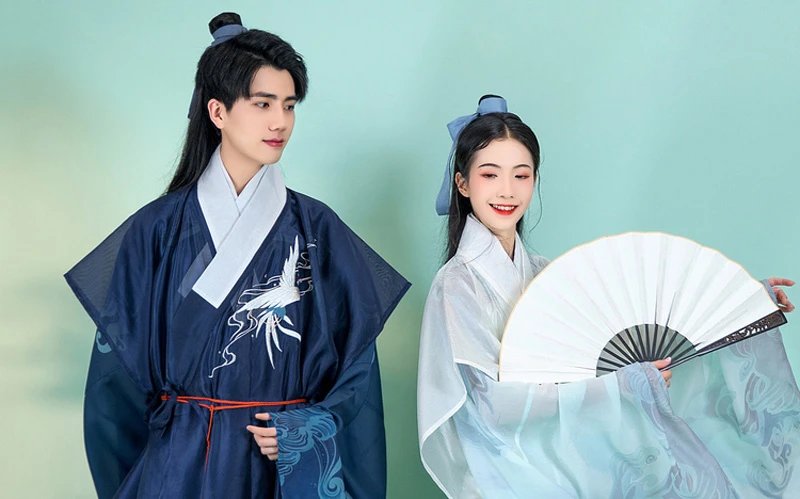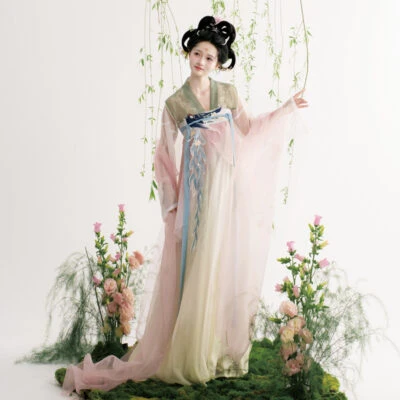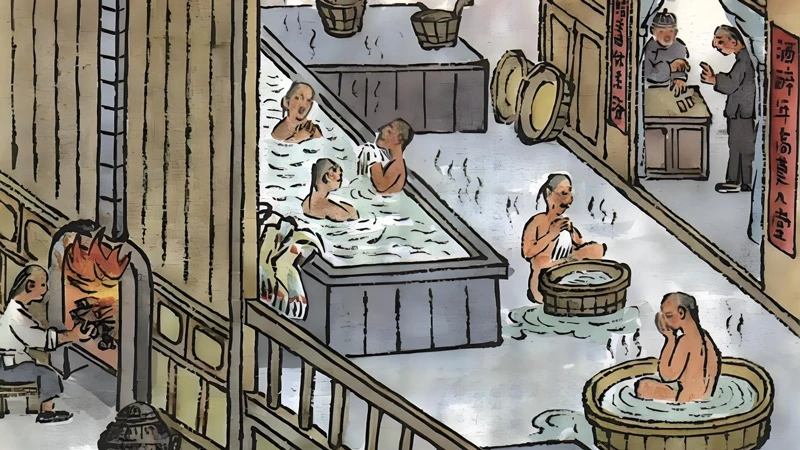
Today, a shower involves stepping into a tiled space, reaching for brightly bottled gels, and enjoying instant lather. But in ancient China, from the dusty courts of the Zhou to the bustling markets of the Qing, bathing was a deliberate practice woven into the social and spiritual fabric. Without modern plumbing or chemistry, people turned to the earth and kitchen for solutions. This narrative isn’t about mere cleanliness; it’s about a cultural dedication to purity that evolved over millennia, using everything from grain runoff to animal organs. The story of their bathing rituals reveals a sophisticated, resourceful approach to personal care that rivals our own in ingenuity and intent.
Bathing Rituals
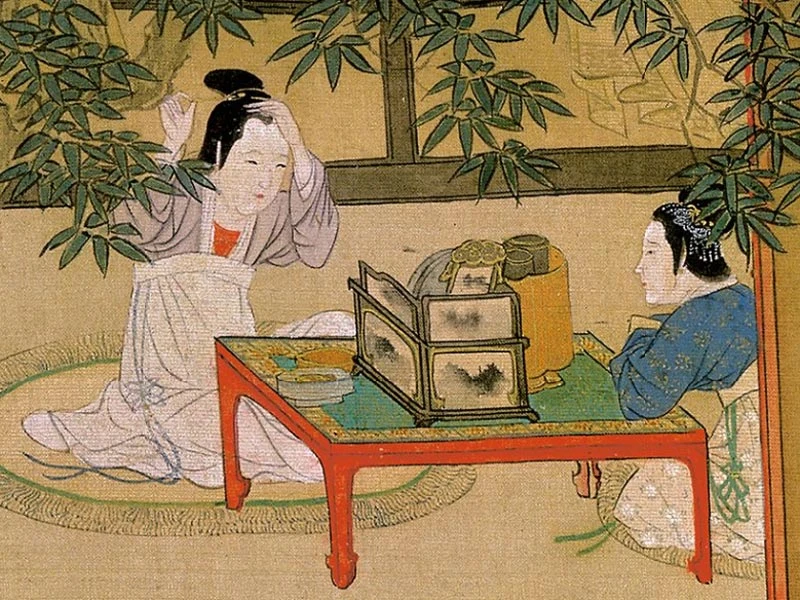
In ancient China, washing was codified. The classic text Book of Rites prescribed washing hair every three days and bathing the body every five. This was not a casual suggestion but a recognized standard for refinement and health. During the Han Dynasty, this principle was institutionalized for officials, who were granted a “rest and bath” day every fifth day to attend to personal hygiene. Such practices underscored that cleanliness was both a private duty and a public expectation.
The language itself was precise. The act of cleansing was divided into specific characters: ”mu” (沐) for hair, ”yu” (浴) for the body, ”xi” (洗) for feet, and ”zao” (澡) for hands. This linguistic care mirrored the meticulous nature of the ritual. Bathing, particularly before ceremonies or ancestral worship, was a form of respect and spiritual preparation. It transformed a physical act into a meaningful gesture, connecting the individual to community and tradition.
Historical records like Hai Lu Sui Shi (海录碎事) document these norms, showing their persistence across dynasties. The consistency highlights how bathing was a stable pillar of daily life, adaptable yet constant. Whether for a farmer or a courtier, the rhythm of washing provided a sense of order and self-respect in a world without synthetic soaps.
Natural Cleaners
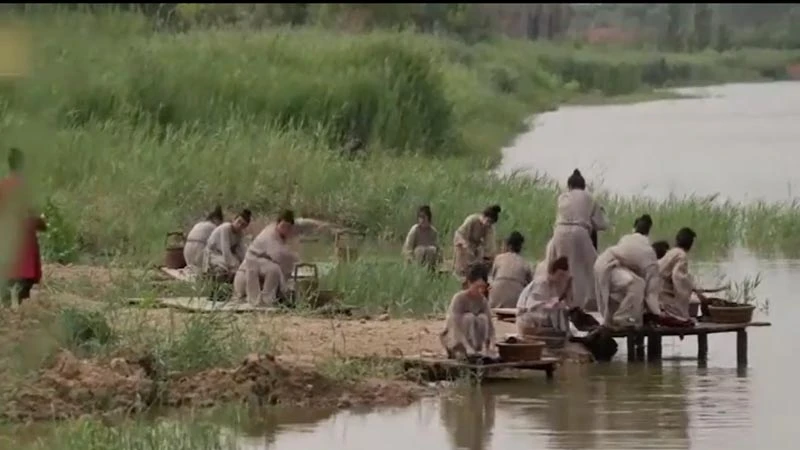
The first line of defense against grime was surprisingly simple: rice water. After rinsing rice or millet, the cloudy liquid was saved. Rich in alkaline compounds, it cut through grease on skin and hair. People would use it to wash their faces or hands, a practice so effective it survives in some beauty routines today. This resourceful use of a kitchen byproduct made cleanliness accessible to nearly everyone.
A step up was the soapberry, known as Zaojia (皂荚). This tree’s pods, rich in saponins, created a foamy lather when crushed or soaked in water. From the Wei (魏) through the Tang Dynasties, these pods were a household staple for cleaning bodies and laundry. People would grind them into powder or boil them to make a liquid soap. Its prevalence is noted in ancient pharmacopoeias, including the Compendium of Materia Medica (本草纲目), where its cleaning and medicinal properties were celebrated.
The soapberry’s dominance lasted for centuries because it was effective, renewable, and cheap. While modern soaps eventually replaced it in cities, its legacy endures in rural areas. It represents an early example of sustainable living, where nothing was wasted and nature provided direct solutions. The transition from rice water to soapberries shows a gradual refinement in seeking more powerful, dedicated cleansers from the environment.
Another variant involved creating pastes from these pods for storage. This ingenuity allowed families to have a ready supply of cleaning agent, demonstrating how practical needs drove innovation. The widespread use of such natural items underscores a deep understanding of botanical properties long before industrial chemistry.
Early Cosmetics
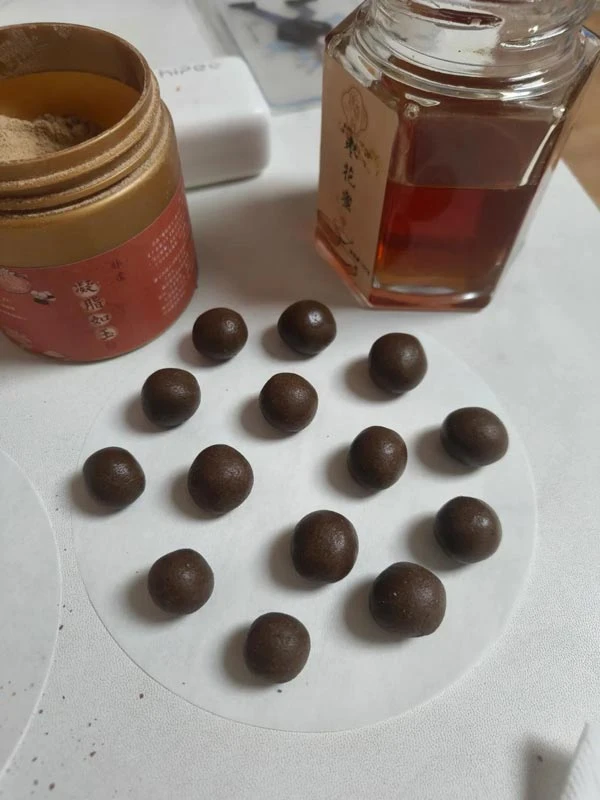
As society prospered, bathing products became more elaborate. During the Wei and Jin periods, a new item appeared: bath beans, or Zao Dou (澡豆). These were small, dry cakes made from pea or bean flour blended with herbs and spices like clove or sandalwood. When mixed with water, they formed a paste that cleaned and exfoliated skin, offering a sensory experience akin to early cosmetics. They were particularly popular among the elite for facial care.
The famous physician Sun Simiao (孙思邈) recorded complex recipes in his work Thousand Golden Prescriptions. Some formulas included luxurious additions like egg whites or even pork pancreas to boost cleaning and moisturizing effects. These bath beans were precursors to modern face scrubs and cleansers, highlighting a desire for products that did more than just clean—they pampered. Their complexity made them costly, a symbol of status and self-indulgence.
This innovation led to the development of “pancreas soap,” called Yi Zi (胰子). By mashing pork pancreas—which contains digestive enzymes—with bean powder and fragrances, people created a soap that could break down oils effectively. The result was a cleaner that also left skin soft. During the Song Dynasty, production methods improved, making it more available beyond royal courts.
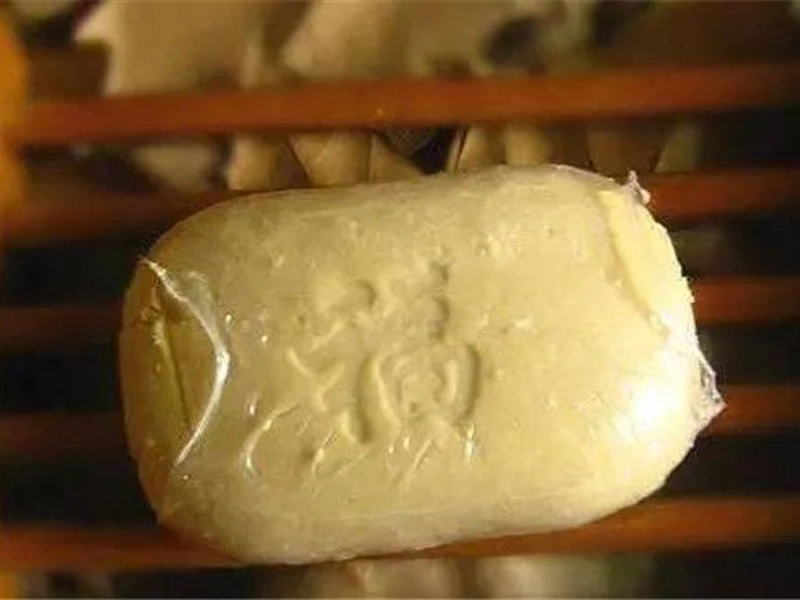
By the Ming and Qing eras, pancreas soap had become commonplace, with scented versions like osmanthus or rose. Literature of the time, such as The Dream of Red Mansions (红楼梦), mentions characters using these fragrant cakes. This evolution from functional cleaners to pleasurable cosmetics marks a significant shift. Bathing was no longer just about removal of dirt; it was becoming a ritual of personal luxury and sensory enjoyment.
Looking back, the arc from rice water to pancreas soap is a testament to human creativity in pursuit of cleanliness. Ancient Chinese bathing culture was not primitive but profoundly advanced, blending necessity with artistry. Each era built upon the last, turning simple acts into sophisticated self-care. Today, as we stand before shelves overloaded with options, we share the same core desire as those in the past: to feel refreshed and renewed. Their journey reminds us that sometimes, the most effective solutions are born from observing and utilizing the natural world thoughtfully.