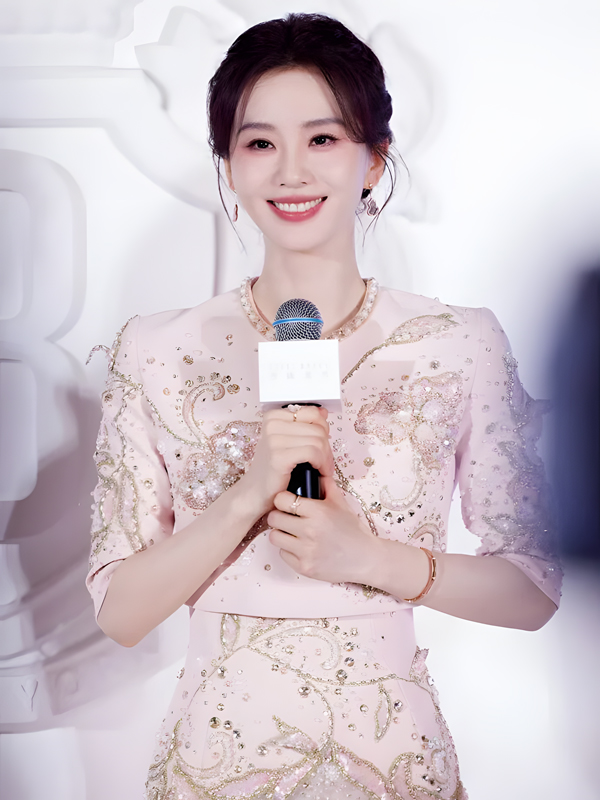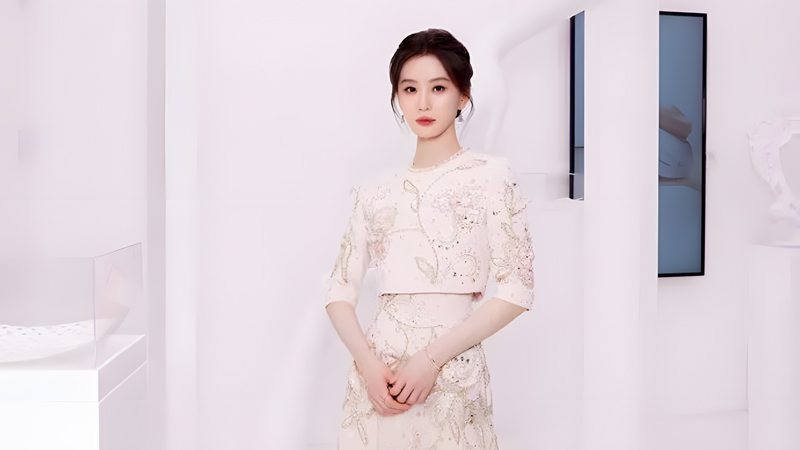
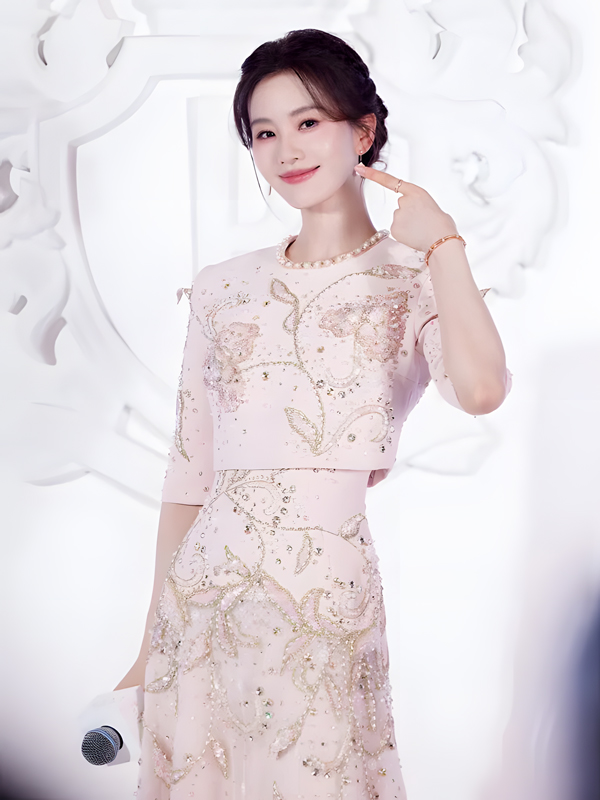
When Liu Shishi (刘诗诗) recently appeared in a pale pink tulle gown, the internet momentarily stopped scrolling. The image, set against a soft ink-wash background, felt like a living painting—a delicate fusion of classical China elegance and contemporary romance. This was not merely a red-carpet moment; it was a statement. Her look transcended typical celebrity fashion, offering a quiet manifesto on how tradition can converse with modern design. It presented a question many now ask: how can one wear history without being trapped by it? Liu Shishi’s answer, woven into every stitch of that gown, is proving profoundly influential.
The Dress Speaks
The gown’s power lies in its nuanced details. The shade, reminiscent of early cherry blossoms, softened her silhouette and enhanced her innate poise. Delicate pearl edging at the neckline provided a subtle lift of sophistication, avoiding any hint of ostentation. The true marvel was the intricate embroidery—golden branches and leaves meticulously crafted across the skirt, resembling a fine Gongbi (工笔) painting brought to life on fabric. This element rooted the dress firmly in an artistic heritage while its sheer tulle layers kept it ethereally modern.
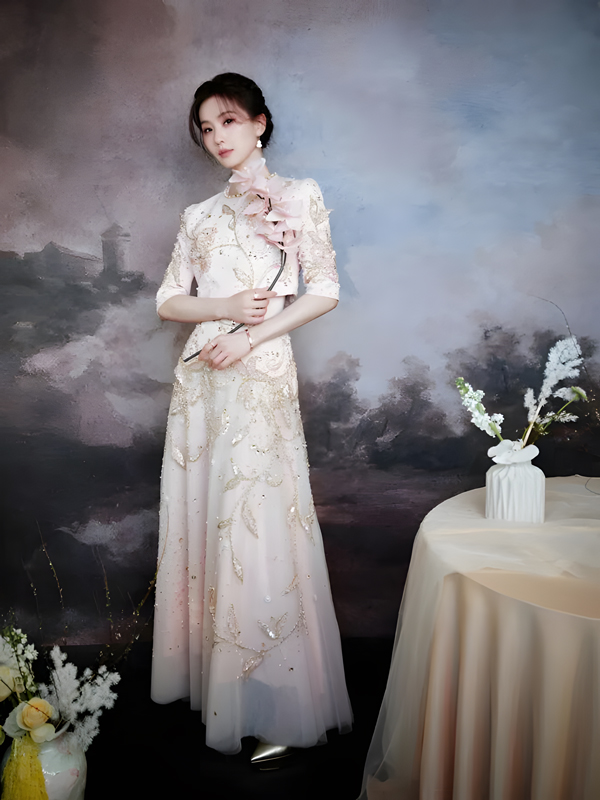
Strategic design choices amplified a specific grace. The half-sleeves gently suggested rather than revealed, creating a line that appeared both slender and strong. Layer upon layer of tulle in the skirt moved with a ripple effect, each step generating a soft, dreamlike wave. The monochromatic satin shoes and a singular, sculptural shoulder bloom completed a vision of harmonious unity. Every component served the whole, resulting in a look that was meticulously planned yet effortlessly presented.
Against the Shuimo (水墨) backdrop, she didn’t just stand for a photo; she became part of the composition. The overall effect was that of a portrait in motion, where her signature serene composure met a new, romantic fluidity. This synthesis sparked immediate and widespread admiration, with fans and critics alike praising it as a peak expression of her personal style.
An Evolution of Style
Liu Shishi’s fashion journey mirrors her artistic growth. Early in her career, she embodied a fresh, approachable charm. Her breakout role in the television drama Scarlet Heart cemented her image as a classical beauty, her demeanor echoing the restrained grace of historical narratives. Over time, her public appearances have charted a path toward a more defined and confident elegance, yet that core of Eastern refinement has remained constant. She has consistently chosen subtlety over spectacle, a philosophy evident in her acting and her aesthetic choices alike.
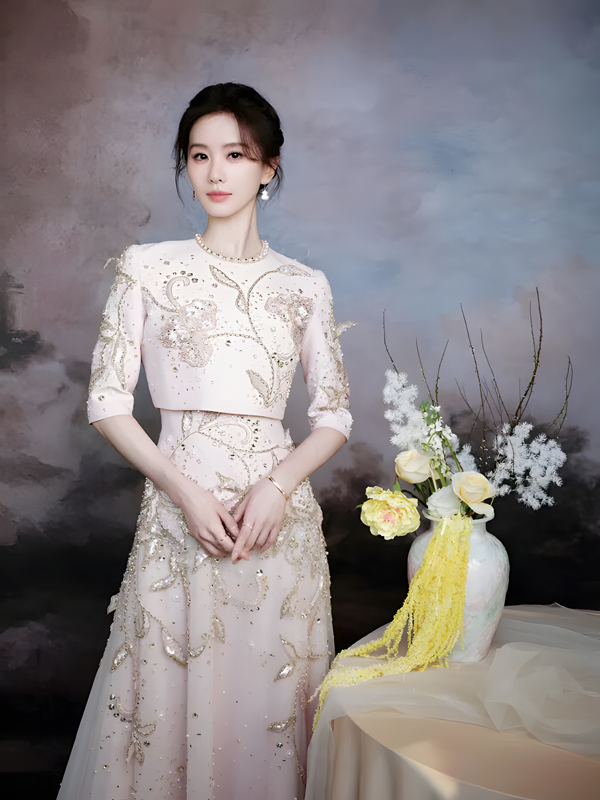
The pink gown represents a significant point on this journey. It demonstrates a matured confidence in blending cultural motifs. Here, the Dongfang (东方) influence isn’t a costume; it’s an integrated layer of the garment’s identity, seamlessly paired with a Western couture silhouette. This evolution suggests a performer who understands style as an extension of narrative—a way to tell a story without words. It is a logical step for an actress who has always expressed depth through understatement.
This stylistic progression resonates because it feels authentic. There is no drastic rebranding, only a natural refinement. She has moved from representing classical beauty to redefining it for a global audience, proving that traditional aesthetics are not static but can evolve through personal interpretation.
A Quiet Influence
The public reaction to this look underscores Liu Shishi’s unique position. Online forums flooded with comments noting the perfect synergy between the clothing and the wearer. Phrases like "a perfect blend of gentleness and romance" and "she has captured the spirit of a classical figure" dominated discussions. The acclaim went beyond superficial praise for a pretty dress; it recognized a successful translation of cultural essence into a modern visual language.
Fashion commentators highlighted how the styling amplified her natural temperament. It didn’t overshadow her but instead gave form to her inherent Qizhi (气质). This alignment between personal identity and public image is a rare achievement in an industry often defined by constant reinvention. For many observers, the look served as inspiration, a tangible example of how to honor one’s heritage while engaging confidently with global fashion currents.
Ultimately, Liu Shishi’s impact stems from this consistency. In an era of loud trends and fleeting virality, she champions a lasting, contemplative beauty. The pink tulle gown is more than an outfit; it is a reminder that influence can be soft-spoken. It demonstrates that the most compelling style narratives are often those woven from threads of personal truth, cultural memory, and quiet confidence. Her legacy, much like the embroidered branches on her dress, will be defined by intricate, deliberate growth.