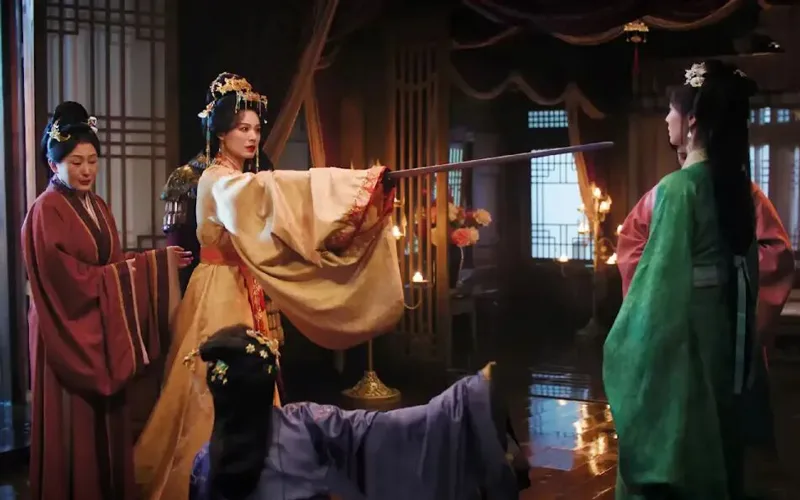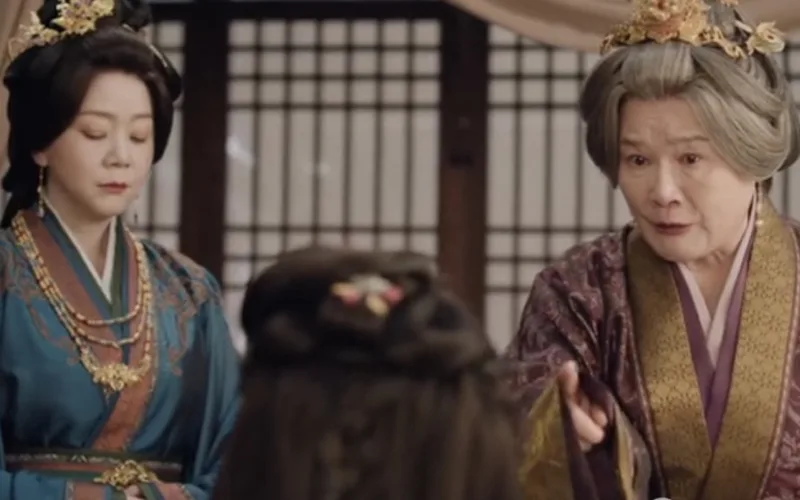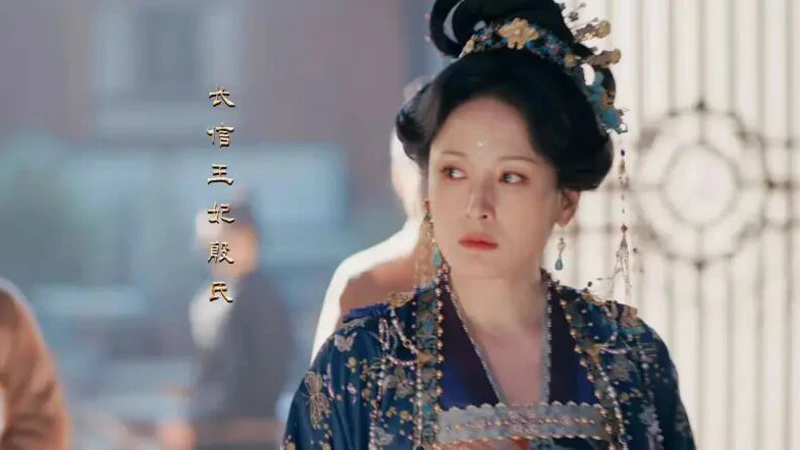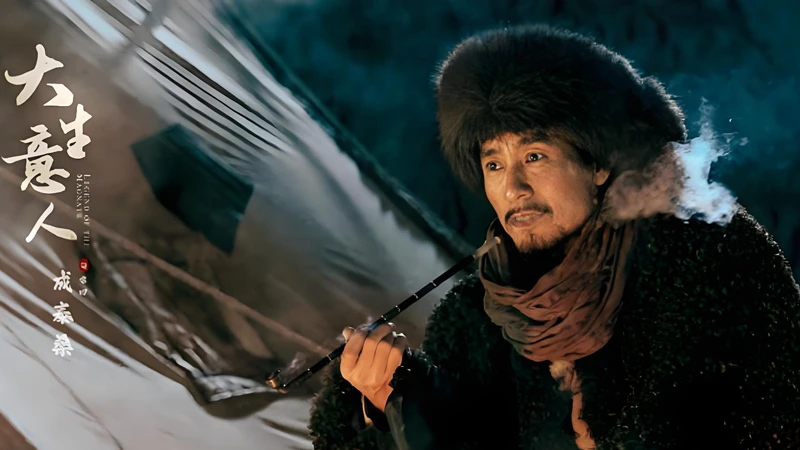
In the television drama Legend of the Magnate (大生意人), a seemingly straightforward transaction leaves audiences baffled. When the tea harvest is abundant, the merchant Hou Er (侯二) suppresses prices. The protagonist, Gu Pingyuan (古平原), defiantly offers farmers a ten percent higher price, pledging to buy the tea himself. However, he lacks the capital. He sends a note to Jin Da Nainai (晋大奶奶), matriarch of the Lao Ba family’s banking empire, requesting a loan of 50,000 taels of silver. Her response is astonishing. She arrives in person, not with 50,000, but with 200,000 taels—a fortune equivalent to millions today. This move defies simple logic. It wasn’t merely about repaying a past favor; it was a masterclass in long-term investment and strategic positioning.
A Tested Partnership
Jin Da Nainai’s decision stemmed from profound trust in Gu Pingyuan’s abilities. Their history was one of mutual salvation. When the Lao Ba family faced ruin, imprisoned by the scheming Li Wantang (李万堂), it was Gu’s idea of issuing “fictitious checks” that secured their release. The crisis didn’t end there. Li later attempted to withdraw a massive deposit, threatening the bank’s liquidity while luring customers with higher interest. Gu devised another clever plan, turning Li’s own tactics against him and ultimately forcing Li’s enterprise out of Shanxi.

Through these trials, Jin witnessed Gu’s exceptional commercial intellect and integrity. She had previously wished to retain him as a partner, but he was determined to return home. Now, his request for a loan presented a new opportunity for collaboration. By offering more capital, she wasn’t just funding a tea purchase; she was investing in Gu’s potential to build a much larger enterprise. She recognized that enabling his success would create a powerful and reliable ally, making her substantial loan a strategic seed for future joint ventures.
This was not charity; it was calculated confidence. Jin Da Nainai understood that good business is built on relationships with capable individuals. Supporting Gu when he was capitalizing on a market opportunity was far wiser than waiting until he no longer needed help. Her extra 150,000 taels was a direct investment in his vision and a down payment on a fruitful, long-term partnership.
Expanding the Empire
Jin’s personal journey to deliver the funds served a dual purpose. It demonstrated immense respect for Gu, but it also aligned with her own expansion plans. The city of Hefei (合肥), recently recaptured from rebel forces, presented a fresh commercial frontier. Jin, with a merchant’s acute sense for opportunity, aimed to establish a new branch of the Lao Ba banking house there.
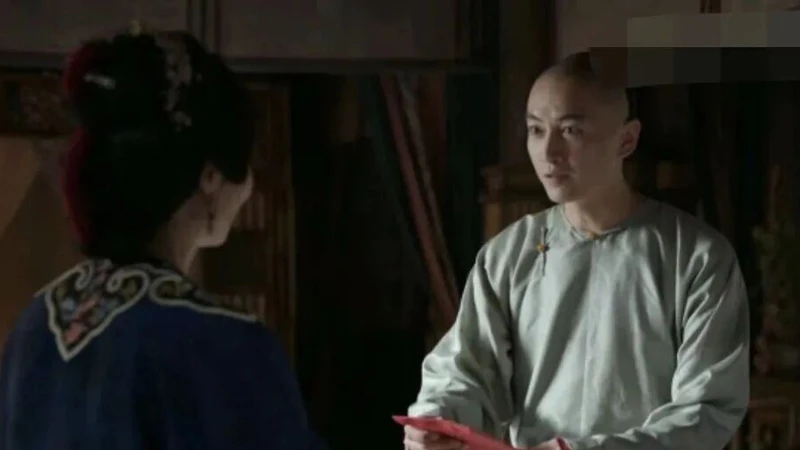
Venturing into a new region required local insight and connections. Gu Pingyuan, now operating in the area, was the perfect liaison. Her generous loan served as a foundational stone for this southern expansion. By providing far beyond what was asked, she cemented a debt of gratitude that would make enlisting his future assistance in Hefei a natural expectation. It smoothed the path for her upcoming venture.
Furthermore, there was a practical financial angle. Gu was unlikely to immediately use all 200,000 taels for the tea. The surplus capital would need a place to be stored. Where better than the new Lao Ba bank branch in Hefei? His deposit could serve as a prestigious inaugural account, lending instant credibility and momentum to her new operation. Every action, even extraordinary generosity, was woven into a larger business tapestry.
The Currency of Loyalty
For a magnate like Jin Da Nainai, 200,000 taels, while significant, was a manageable sum. For Gu Pingyuan, it was transformative—a vital lifeline when he had neither wealth nor status. The Chinese saying, “Adding flowers to brocade is easy; sending charcoal in snowy weather is hard,” perfectly captures this. Jin chose the harder, more valuable path of offering crucial aid when it was most needed.
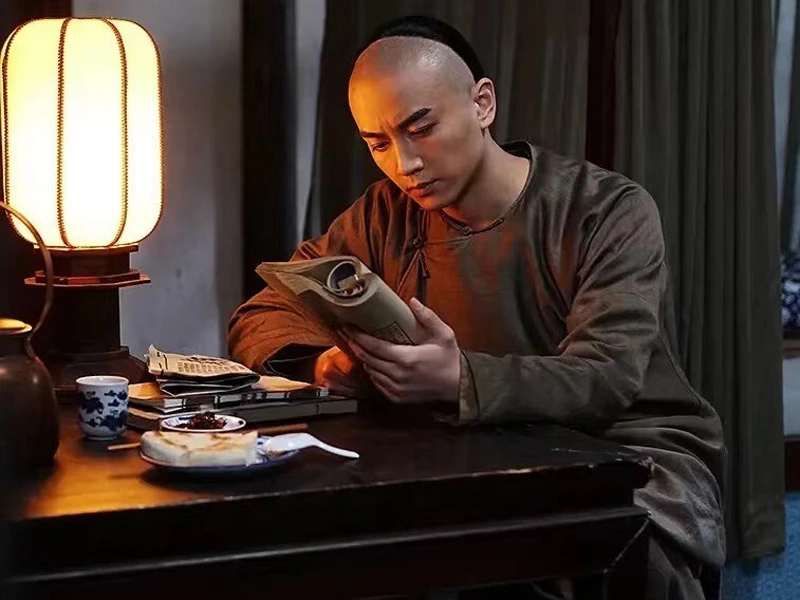
This calculated kindness purchased something more valuable than immediate profit: unwavering loyalty. Gu Pingyuan was a man of principle who honored his debts. By investing in him at his moment of struggle, Jin secured not just a business partner, but a devoted ally. She knew that when the Lao Ba family might face its own future crisis, Gu would repay this profound favor with his full support and ingenuity.
Her strategy transcended a simple transaction. It was about cultivating *renqing* (人情, interpersonal obligation) of the highest order. While lesser merchants might chase quick returns, Jin Da Nainai played a longer game, where trust and mutual success were the ultimate dividends. Gu’s own admiring remark, “The Jinguo (巾帼) does not yield to the Xumei (须眉),” acknowledged the depth of her foresight, which blended financial acumen with profound psychological understanding.
Ultimately, the extra silver was neither a gift nor a simple loan. It was a multifaceted tool: venture capital for a promising entrepreneur, a relational bridgehead for geographic expansion, and a secure investment in a future champion’s loyalty. Jin Da Nainai’s move was a brilliant demonstration that in high-stakes business, the most powerful currency is often strategic generosity.