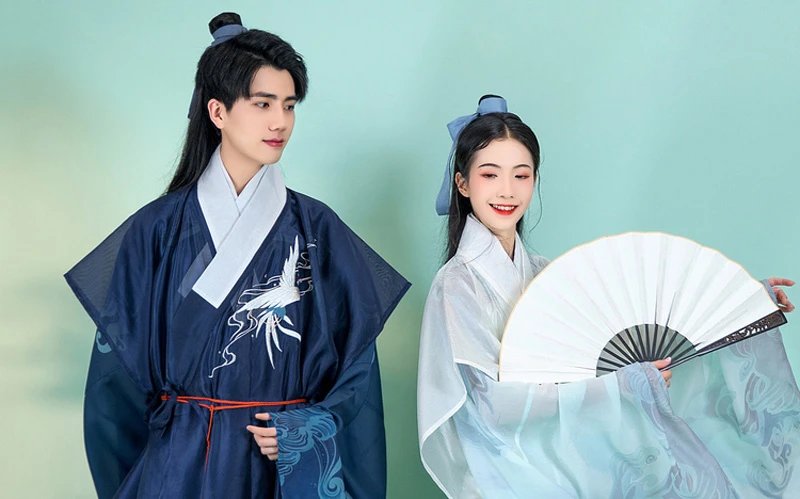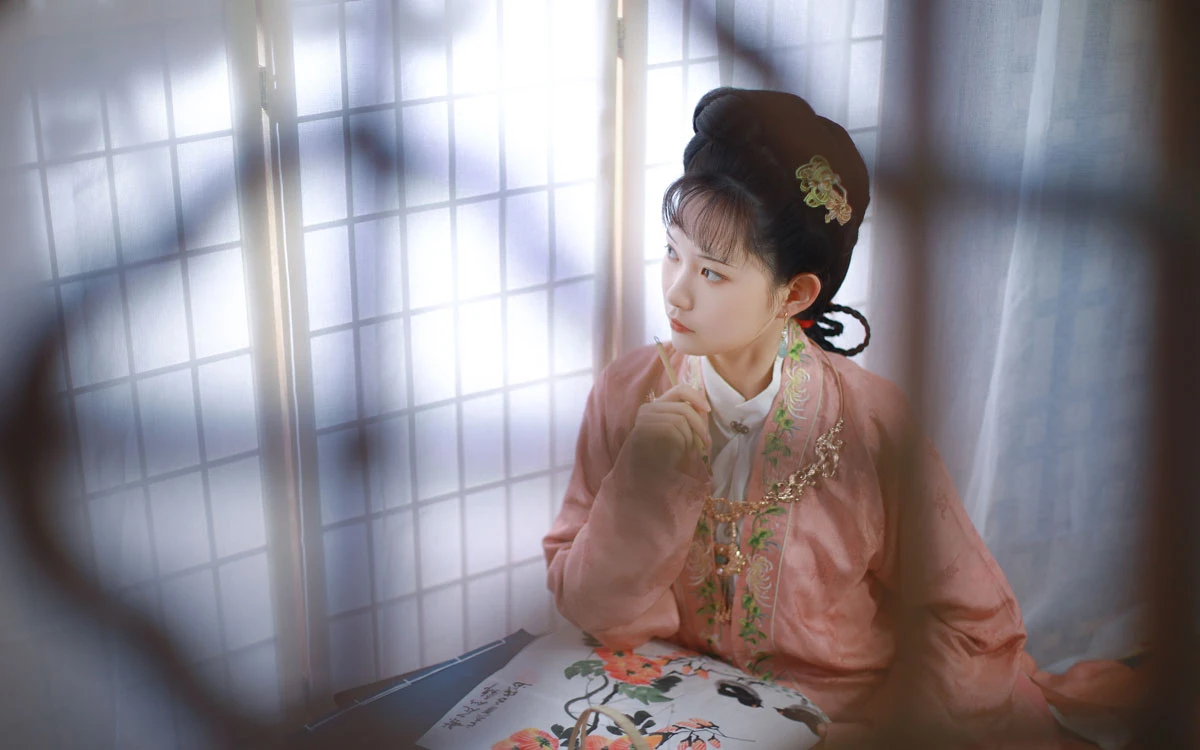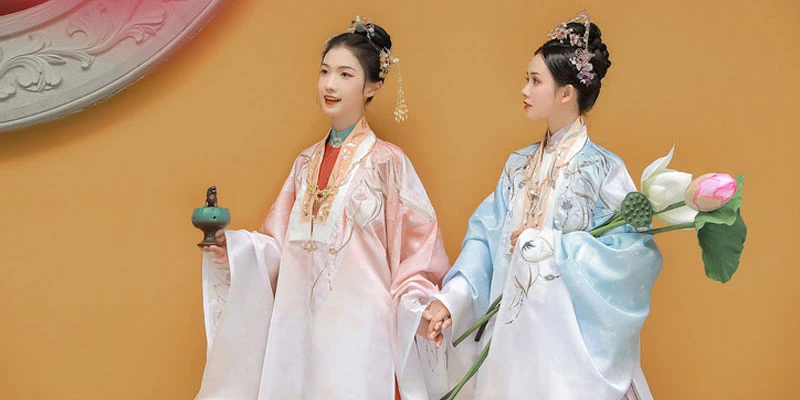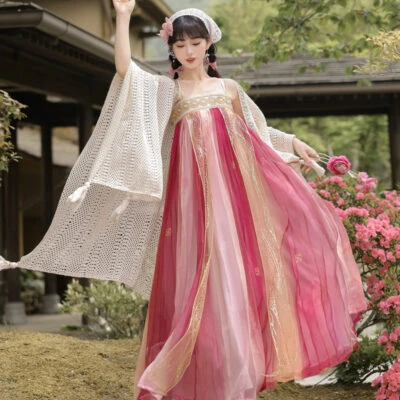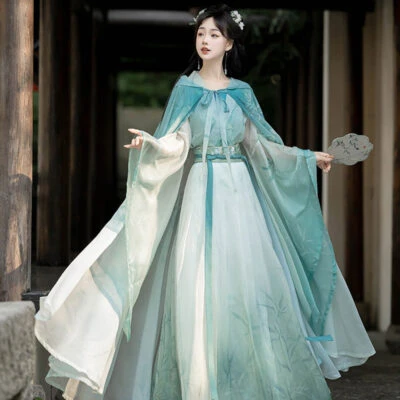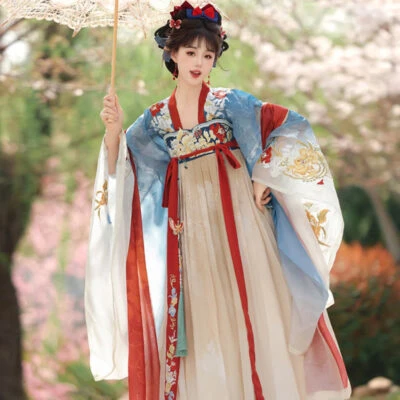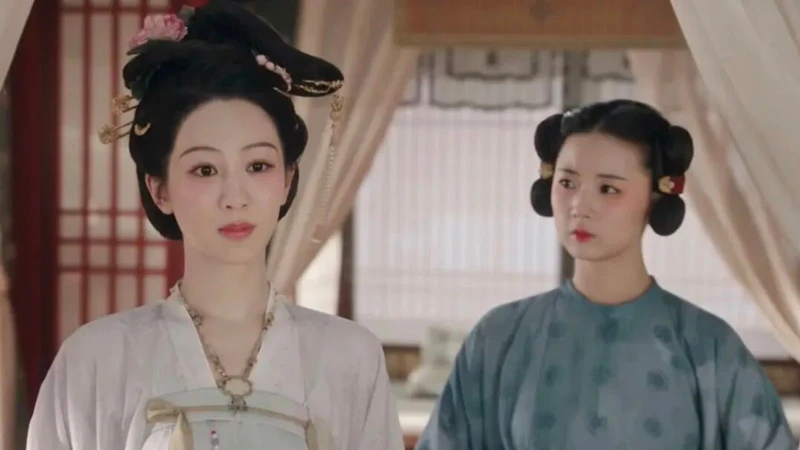
In contemporary historical dramas set in ancient China, a puzzling visual trend often leaves viewers scratching their heads: maidservants and their mistresses appear almost identically dressed, differentiated only by slightly less elaborate accessories. This blurring of costume hierarchies challenges audience perception and raises questions about historical authenticity. What were the actual sartorial rules for servants in imperial households? How did clothing and hairstyles clearly demarcate social standing? Moving beyond modern screen interpretations, historical artifacts and paintings reveal a defined and practical aesthetic for maidservants, one that balanced functionality with visible subordination. Understanding these codes not only enriches our view of the past but also offers a lens to critique current cinematic practices.
Attire and Status
Servants’ clothing across dynasties was fundamentally shaped by practicality and symbolism. Unlike their mistresses, who wore luxurious silks and brocades, maidservants typically donned garments made from humble Mian (棉, cotton) and Ma (麻, linen). These fabrics were affordable, durable, and suited for daily chores. After cotton’s proliferation in the Ming dynasty, it became the standard material for working attire. The basic ensemble often consisted of a simple, cross-collar top worn over trousers, allowing for ease of movement during tasks like cleaning, serving, or accompanying the lady outdoors.
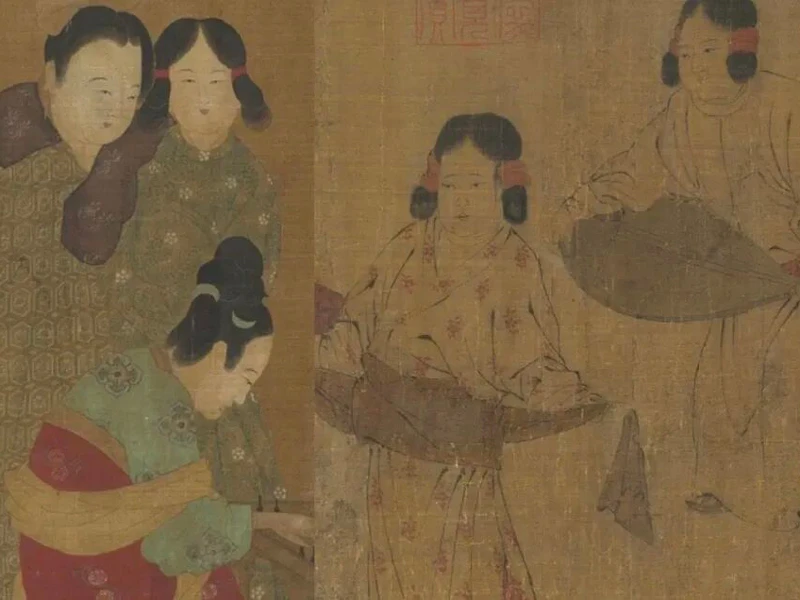
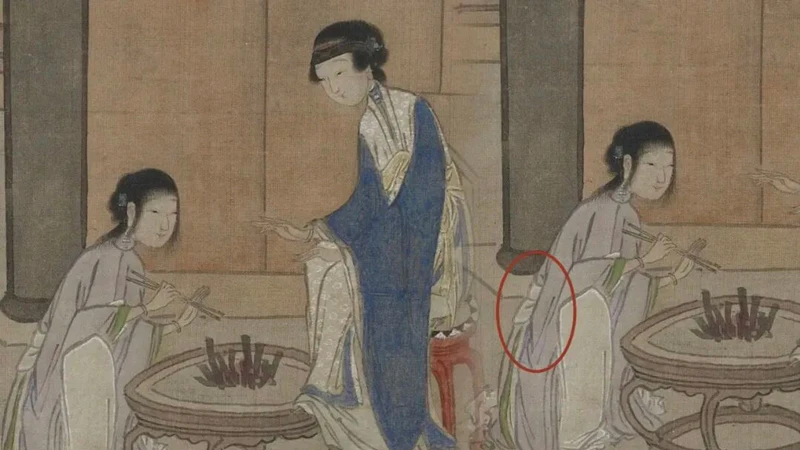
A distinctive garment seen in many Tang and Song dynasty paintings is the Yuanlingpao (圆领袍, round-collar robe). For Tang era maids, this robe was loose with wide sleeves, usually tied with a belt. Colors could be relatively bright, like light green or yellow, making the wearer visible within the household. In the Song period, the style evolved into a more fitted silhouette with narrow sleeves. The palette shifted towards muted, elegant tones such as pale blue or off-white, reflecting the dynasty’s more restrained aesthetic while still marking the wearer’s servant status.
An iconic accessory was the Fuwe (腹围, belly wrap), a protective apron-like cloth tied around the waist. In the Song dynasty, a yellow version called Yaoshanghuang (腰上黄, yellow waist) briefly became a fashion even among nobles, as recorded in historical texts. For maidservants, however, its purpose remained utilitarian. This light-colored wrap shielded the main garment from dirt and spills during work, and its cleanliness was a tacit indicator of the servant’s diligence and the household’s order. Such items were never part of a mistress’s ornate wardrobe, creating a clear visual divide.
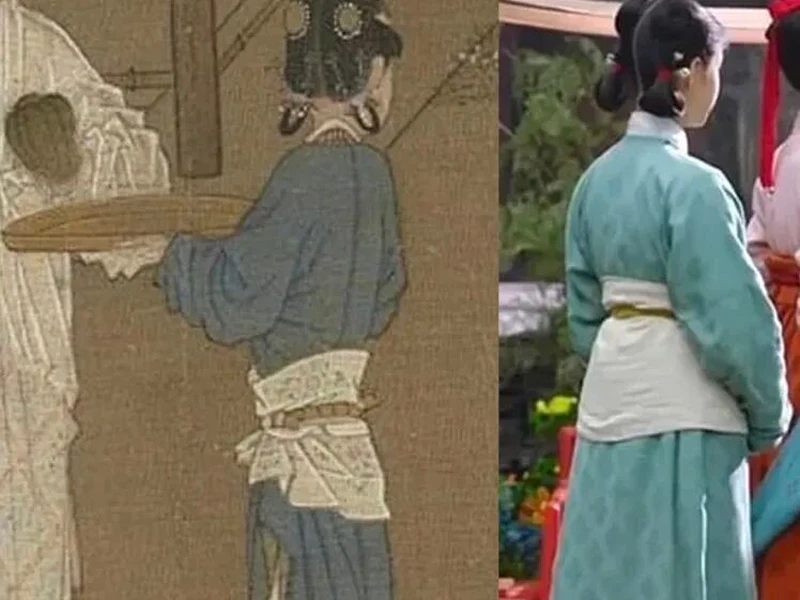
Modern period dramas, even those lauded for their visuals, sometimes collapse this divide. A mistress in a scene might wear an embroidered Aoqun (袄裙, jacket and skirt), while her maid stands beside her in a similarly cut and patterned outfit, merely in a plainer fabric. Historically, the difference would be radical: the mistress’s robe might feature intricate phoenix or peony motifs in gold thread, while the maid’s clothing would be solid-colored and devoid of symbolic embroidery. This accurate distinction immediately communicated relationships and power dynamics to the contemporary viewer, a nuance often lost on screen today.
Hair Signals
Hairstyles served as an immediate identifier of age, marital status, and rank. The most common styles for young maidservants were the Shuangchuiji (双垂髻, double hanging buns) and the Yaji (丫髻, child’s bun). The Shuangchuiji involved dividing the hair into two sections and coiling them into buns that hung low, near the ears or neck. The key was the “hanging” element; without it, the style was simply a double bun. These looks were quintessentially juvenile, reflecting that many maids entered service as young girls, often before adolescence.
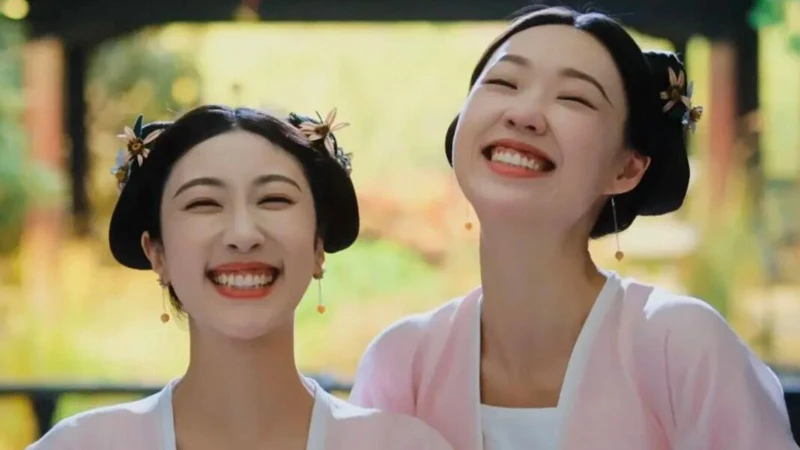
The term “yahuan” (丫鬟) for maidservant is directly linked to these hairstyles. The “ya” refers to the forked, branch-like appearance of the childish buns. In artworks, maids are frequently depicted with hair that is not fully long or thick enough to be pinned up in adult styles. Some paintings show them with “liu fa” (留发) or loose hair around the face, further emphasizing their youth. This visual shorthand communicated that these women were not yet married and occupied a subordinate, child-like position within the domestic sphere, regardless of their actual responsibilities.
As a maidservant matured and gained seniority, perhaps rising to a supervisory role like a housekeeper, her hairstyle would evolve. She would then wear her hair gathered into a simple, neat bun at the nape of her neck. This signaled adulthood and a slightly elevated status, though her clothing often remained practical. Depictions of such older servants are less common in classical art, which tended to romanticize or document youthful femininity. This transition in hair mirrored a social passage, albeit one within the constraints of servitude.
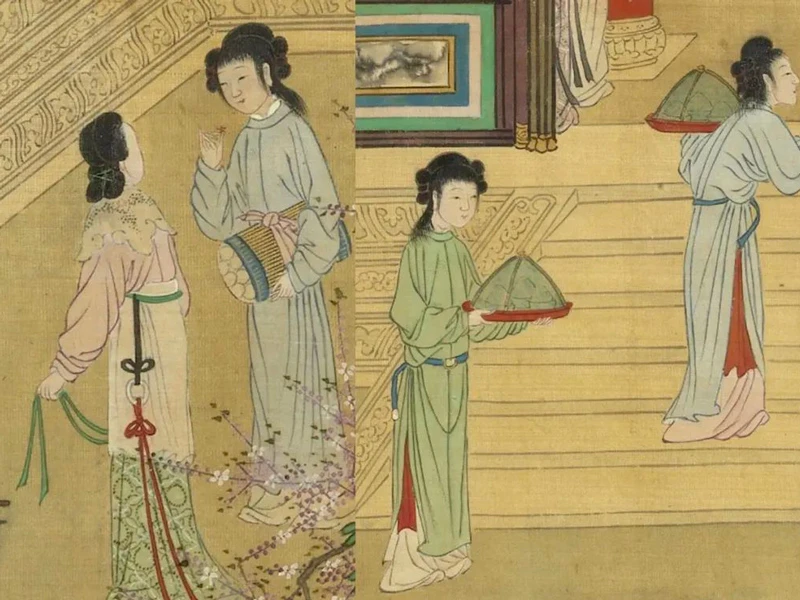
By the Ming dynasty, while servant attire evolved with fashion—such as adopting stand-collar jackets—the foundational hairstyle principles persisted. A Ming painting might show a maid in a sleek Aoqun, but her hair would still be arranged in twin buns or a simple coiled style, distinct from the elaborate gold hairpins and intricate headdresses of her mistress. When modern dramas ignore these coded signals, dressing all female characters with similarly styled wigs or accessories, they erase a layer of historical social language. Accurate portrayal requires recognizing that a hairstyle was never just decoration; it was a badge of identity.
Ultimately, the detailed study of maidservants’ presentation is more than an academic exercise in historical accuracy. It challenges creators and consumers of period dramas to look deeper. When costume design honors these distinctions, it builds a more immersive and truthful world. It allows audiences to understand hierarchy at a glance and appreciate the lived reality of different social classes. The next time you watch a historical drama, look closely at the servants in the background. Their simple robes and unadorned hair hold stories of practicality, identity, and a social order written in cloth and thread.