Article
Search results:
-
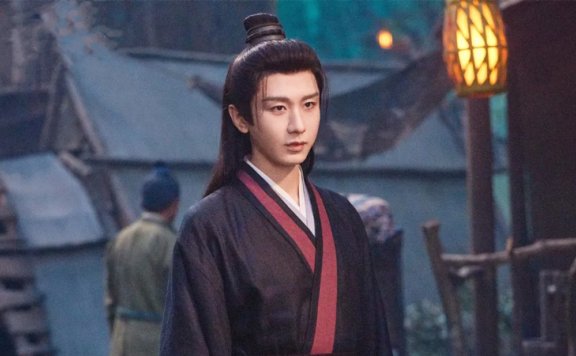
The Canine Heart of The Vendetta of An
How can a stray dog hold the emotional key to an epic historical drama? The television series The Vendetta of An (长安二十四计) has emerged as a definitive triumph, a narrative where profound human emotions are mirrored in the most unexpected characters. Its power lies not in grand battles alone, but in the silent, aching spaces between them—spaces often occupied by loyalty, memory, and a profound sense of loss. At the center of this storm is Xie Huai'an (谢淮安), a man sculpted by vengeance, whose journey is refracted through the eyes of those he left behind, including a four-legged guardian whose steadfastness becomes the story's moral compass. The Canine Chronicle The drama’s most ingenious stroke is its use of a dog named Dahuang (大黄). Initially, it appears as a background fixture, a ragged creature perpetually waiting at the city gate, barking at passing figures who pay it no mind. This recurring image is a puzzle piece the audience cannot place until a pivotal flashback. We see a young Xie Huai'an with his sister, their joyful companion a puppy. The revelation that the old, neglected dog is that same puppy delivers a visceral shock. For over a decade, this animal has kept… -
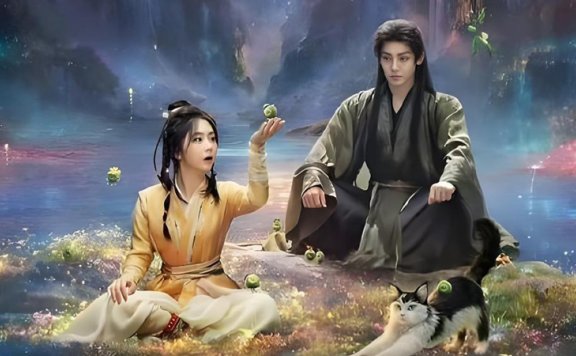
The Dark Journey of Bing Zhu in The Unclouded Soul
Why does a demon slayer who lost his sister to human betrayal only hunt monsters? The hit drama The Unclouded Soul (逍遥) follows the relentless demon exterminator Bing Zhu (秉烛), whose bloodthirsty blade is bound to the soul of his dead sister. When villagers sacrificed her to a tree demon, his world shattered. Yet he directs all his fury toward demons, not the humans who enabled the tragedy. This paradox lies at the heart of his character, a burning fuse leading back to a past he cannot escape. The Shattered Dream Once, Bing Zhu and his sister Tan'er (昙儿) shared a simple dream. He trained diligently to clear their family name and rejoin the military. She scrimped and saved to buy him a proper weapon, their hopes pinned on a future where he would become a general and give her a good life. Their poverty made them vulnerable. After finally saving enough for his sword, cruel village elders seized their coins for a tribute to the local Huai Shu Yao (槐树妖, tree demon). Without a weapon, he could not enlist. Desperate to help him, Tan'er made the ultimate sacrifice. She offered herself as a bride to the tree demon in… -
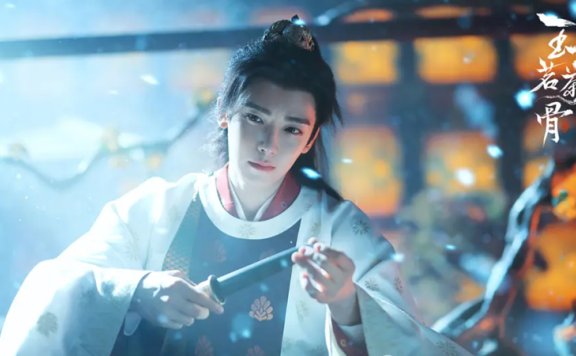
Glory: Forging Character Through Grace and Tenacity
Have you ever considered how a television drama's title might hold the key to its deepest truths? The recently announced historical series Glory (玉茗茶骨) has sparked intense discussion, not for its plot, but for the profound duality embedded within its four-character name. This is not merely a label; it is a philosophical statement, a compact guide to understanding the interplay between human character and ancient tradition. To unpack this title is to embark on a journey into the heart of Chinese aesthetics and the timeless struggle for integrity in a complex world. The series uses the lens of tea culture—its rituals, its language, its very essence—to frame a narrative about resilience and grace under pressure. Glory's Elegance The first half of the title, Glory, evokes a specific and rarefied beauty. Yuming (玉茗) is a classical poetic name for the white camellia, a flower admired for its pure, jade-like petals and crisp, elegant fragrance. In the world of tea connoisseurs, it has come to signify the highest grade of tea—one with a luminous liquor, a refined aroma, and an aura of dignified purity. This term sets the visual and moral stage for the drama. It promises a world of understated beauty:… -
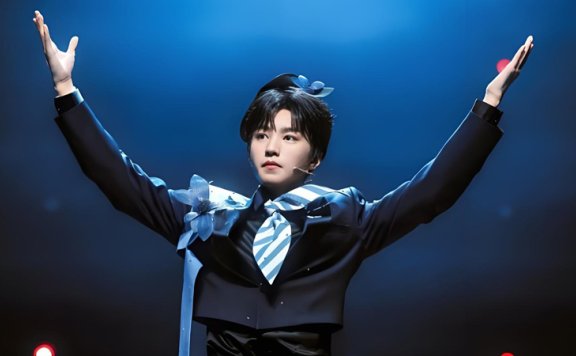
Wang Junkai’s Backlash: The Cost of Artistic Credibility
The recent online discussion surrounding Wang Junkai (王俊凯) points to a deeper change within China's entertainment landscape. It highlights the unspoken contract in the idol economy. Fans invest emotion and support, expecting a certain kind of engagement in return. When a public figure begins prioritizing long-term craft over immediate fan service, this contract is tested. What some call a backlash is perhaps a natural recalibration. The path from a popular star to a dedicated professional involves a mutual, often silent, selection process between the artist and their audience. 1. The Fractured Contract Between Wang Junkai and His Fans The digital sphere hums with a peculiar energy when two stars from seemingly distant constellations briefly align. A short video, a playful exchange, a moment of unguarded camaraderie—such fragments are often consumed as light entertainment. Yet beneath the surface of these curated glimpses, complex currents of expectation, investment, and identity silently churn. For the dedicated observer, these moments are rarely just fun; they are data points, signals to be decoded, reflecting the evolving contract between public figures and those who support them. When Wang Junkai, an artist navigating the precarious path from idol to actor, engages with Olympic champion Quan Hongchan (全红婵)… -
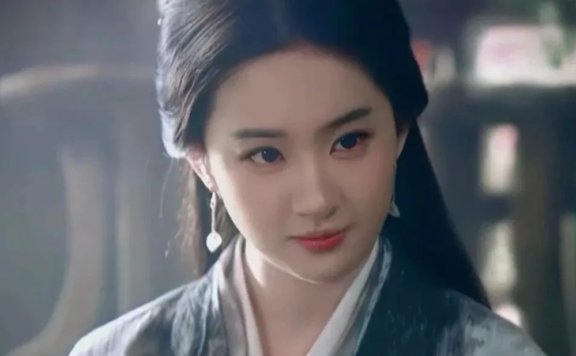
Why Does Every Historical Drama Love the Center Parting?
Open any historical drama, from palace intrigues to romantic Wuxia tales, and you will likely see it: the precise, unwavering center parting. This hairstyle dominates the screens, framing the faces of heroines and court ladies alike. It is more than a recurring visual motif; it is a silent language of aesthetics, history, and cultural identity. While modern viewers might see repetition, this signature look is deeply rooted in a legacy of artistic representation and philosophical ideals. Its persistence speaks to a profound connection between contemporary storytelling and ancient conceptions of beauty, order, and the human form. The Rule of Symmetry The center parting is the ultimate expression of balance. In traditional Chinese aesthetics, symmetry is not merely pleasing—it is a fundamental principle reflecting cosmic and social harmony. The perfectly centered hairline creates a clean, vertical axis for the face, evoking stability and composure. For characters in shows like The Story of Yanxi Palace (延禧攻略), this visual balance mirrors the ordered, yet perilous, hierarchy of the court. The style frames the face like a classical portrait, focusing attention on the eyes and expressions crucial for conveying unspoken drama and emotion. This partitioning also served highly practical needs historically. A center part… -
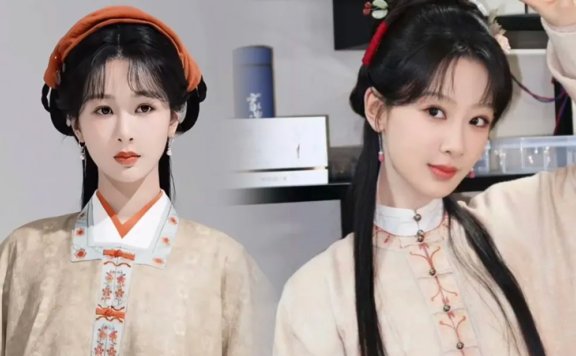
Uncovering the History of Chinese Ming and Qing Buttons
In the historical drama The Mo (家业), the character Li Zhen (李祯), portrayed by Yang Zi, wears garments adorned with a vertical row of buttons. These fasteners shift between cloth and metal variants across different scenes. This subtle costume detail sparks a fascinating question: did traditional Chinese clothing even use buttons? The answer reveals a rich, overlooked history of functional art, distinguishing the elegant Ming-style cloth buttons from the later, densely arranged Qing-era "centipede buttons." Ancient Fasteners Reimagined The common belief is that ancient Chinese attire relied solely on sashes and ties, a system known as "tying tassels and fastening sashes". This method involved intricately woven ribbons to secure garments, allowing adjustment for fit and comfort. Historical texts like the Book of Rites mention the use of such ties. However, this was not the whole story. Archaeological evidence, such as the figurines from the Qin Dynasty, suggests the possible use of simple toggle-like fasteners, though debate continues on whether these were for armor or daily wear. By the Tang and Song dynasties, while ties remained dominant, a quiet evolution began. Elements of cloth buttons appeared on certain robes, like the round-collared Yuanlingpao (圆领袍) and some versions of the Beizi (褙子).… -
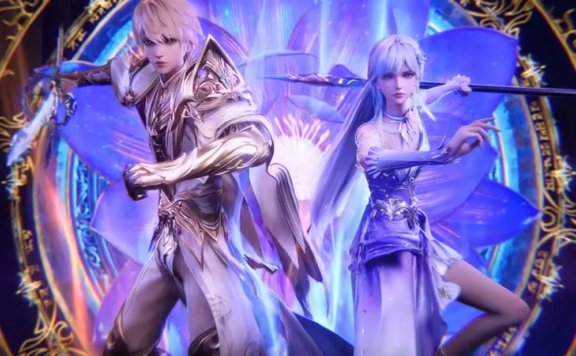
Throne of Seal: Xingmo Shen’s Fall and Fateful Reckoning
The cosmic dust had barely settled. Within the shattered remnants of the Xingyu (星域, Star Domain), the once-invincible Star Demon God Xingmo Shen (星魔神) lay vanquished. For protagonists Long Haochen (龙皓晨) and Sheng Cai'er (圣采儿), this victory was forged at a tremendous cost, a testament to their unbreakable bond and the last-minute intervention of a legendary hero. Yet, there is no time for respite. The echo of the fallen god's final act—a desperate sacrifice to his master—has already triggered a more immediate and personal catastrophe. Even as the couple stands amidst fading starlight, a new and brutal battle for survival erupts elsewhere, drawing Long Haochen toward a long-awaited, hate-fueled reckoning with his greatest nemesis. The Fall of a God Vashak, the Star Demon God, orchestrated a devastating trap. Using the Celestial Fate Disc Xingchen Mingpan (星辰命盘), he manipulated the fates of countless human warriors, drawing them into a lethal arena. His alliance with A Bao (阿宝), son of the Demon Emperor, was meant to be a final solution. Long Haochen and Sheng Cai'er fought through this nightmare, breaking the disc's power through sacrifice and a soul-deep connection. But Vashak, cornered and desperate, made an ultimate gamble. He allowed A Bao… -
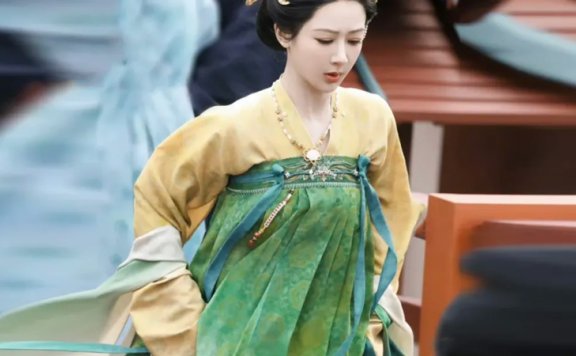
The Evolution of Strapped Qixiong Qun
Have you ever had that moment in a beautifully draped dress, only to spend the entire event subtly hiking it back up? For enthusiasts of traditional Chinese attire, the struggle with the Qixiong Qun (齐胸裙, high-chest wrap skirt) is all too real. This ancient garment, while stunning, is infamous for its gravitational defiance. It turns out, this sartorial slippage is not a modern-day woe. Centuries ago, ingenious designers devised a clever solution: the ancient equivalent of the strap dress. This forgotten innovation, witnessed in artifacts from the Northern and Southern Dynasties to the Tang, showcases a timeless pursuit where practicality meets elegance. A Tang Dynasty Staple The strap dress became a fashion essential during the Tang Dynasty. A mural in the tomb of Duan Jianbi (段简璧), from the early Tang period, depicts a court lady holding a fan. She wears a patterned Qixiong skirt secured by two clear straps over her shoulders. This visual record from Emperor Gaozong's (唐高宗) reign shows the style's popularity, aligning with the period's preference for slender, graceful silhouettes. The straps provided freedom of movement, transforming the gown from a restrictive garment into one suitable for daily life. Further evidence comes from grey pottery figurines unearthed… -
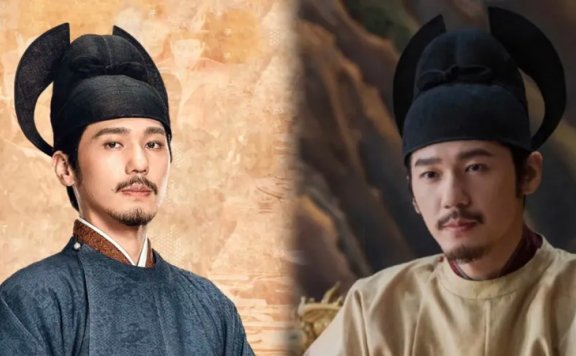
That Curious Hat in Swords into Plowshares
In the historical drama Swords into Plowshares (太平年), the character portrayed by actor Bai Yu (白宇) wears a hat that immediately captures attention. Its most distinctive feature? Two stiff, upward-curving wings. To modern eyes, its silhouette might seem whimsical, even cartoonish, sparking amused comparisons online. Yet, this is no costume designer’s flight of fancy. This headwear is a carefully recreated Chaotian Futou (朝天幞头), a style steeped in the political and social symbolism of ancient China. Its presence on screen is a deliberate choice, a visual key that unlocks a deeper understanding of a character's status, profession, and the intricate world they inhabit. From the imperial court to the performing stage, the evolution of the Futou tells a story of shifting power, cultural exchange, and silent communication long before a single word is spoken. The Journey of the Upturned Wings The Chaotian Futou, with its iconic raised ribbons or "wings," first gained prominence during the Five Dynasties period. Initially, it was a mark of supreme authority. Historical records and portraits, such as those of King Qian Liu (王钱镠) of Wuyue (吴越), show this style adorning the heads of emperors and kings. The upward sweep of the wings was likely symbolic, perhaps… -
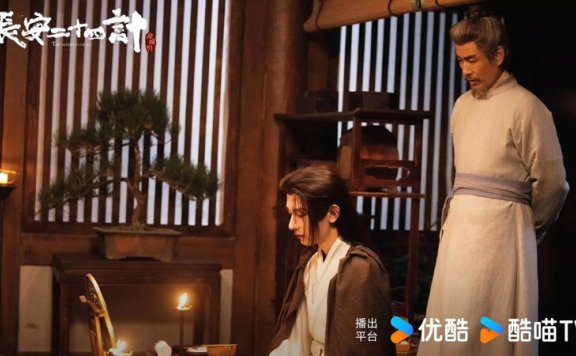
Inside the Brutal World of The Vendetta of An
In the shadowy, politically fractured world of The Vendetta of An (长安二十四计), revenge is not a destination but a corrosive journey. It begins with a simple, brutal equation: a life for a life. The series follows Xie Huai'an (谢淮安), a man whose entire existence was forged in the ashes of his family's massacre. For fifteen years, he has nurtured a single, all-consuming purpose: to make the perpetrators pay in exact measure. The initial thrill is visceral—watching him outmaneuver powerful enemies delivers a sharp, satisfying jolt. Yet, as the plot deepens, a profound unease settles in. Each calculated move toward vengeance seems to strip away another piece of his humanity, leaving viewers to wonder if the cost of the hunt will ultimately eclipse the crime itself. The Calculated Strike Xie Huai'an’s campaign is a masterclass in psychological warfare. His target is not just the man who wielded the sword, Yan Fengshan (言凤山), but the very foundation of his power and peace. The plan is meticulous, turning every minor interaction into a potential trap. In one early gambit, he uses the seemingly mundane task of sorting garbage within the military district to plant false clues. His opponent, the shrewd strategist Wang Pu… -
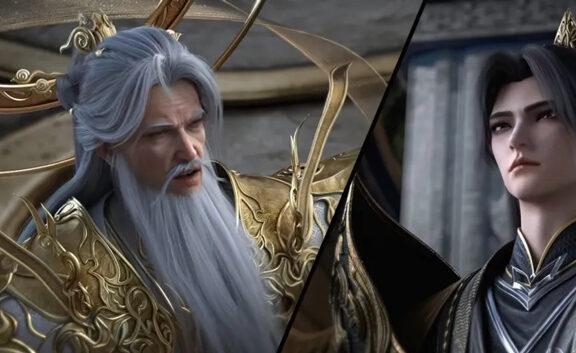
One Mentor's Stand in Perfect World
The world of cultivation is often defined by ruthless competition and dazzling displays of raw power. Yet, a recent climactic event in the popular series Perfect World (完美世界) offers a different lesson. It presents a confrontation not merely about strength, but about principle, composure, and the profound responsibility of a teacher. At the heart of this clash is Meng Tianzheng (孟天正), the elder of the Immortal Academy (天神书院). His journey to the ancestral lands of the Wang Clan (王家) with his disciple, Shi Hao (石昊), was never a quest for personal glory. It was a calm, deliberate move to rectify a profound injustice, setting the stage for a masterclass in dignified power. The Unshakable Mentor Meng Tianzheng represents a pillar of righteous stability. His actions are consistently guided by a duty to protect the natural order, a stark contrast to the Wang Clan's scheming arrogance. Their repeated attempts to enslave and assassinate his disciple, even during a critical moment of cultivation, crossed a line. This wasn't a slight against Meng Tianzheng alone; it was an affront to the very code of conduct he embodies. His decision to confront them was not born of hot-headed anger, but from a deep-seated need… -
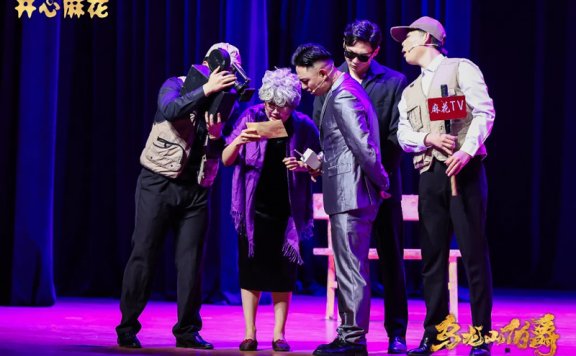
Why Has This Chinese Comedy Kept Audiences Laughing for 15 Years?
A billion yuan in box office revenue is not just a number; it's a phenomenon. The stage play The Count of Wulong Mountain (乌龙山伯爵) stands as a monumental achievement in modern Chinese theater. Premiering over fifteen years ago, this production by the renowned troupe Happy Mahua (开心麻花) did more than entertain—it redefined commercial success for live performances in China. With over 4,000 shows across more than 50 cities and frequently running over a dozen companies simultaneously, its reach is unprecedented. For many, it served as the launching pad for stars like Shen Teng (沈腾) and Ma Li (马丽), whose careers skyrocketed afterward. Beyond the statistics, the play offers a specific, potent remedy for modern malaise: relentless, clever, and absurd laughter. Performance Time: January 17, 2026 (Saturday) 20:00 Venue: Huizhou Culture and Art Center A Farce of Errors At the heart of the chaos is Xie Xie (谢蟹), a young man with no prospects, no money, and no luck. His life is upended overnight by news of a distant uncle's death and a staggering inheritance. Suddenly, the ultimate fantasy is within reach. However, before he can claim a single yuan, he is mistaken for a criminal during a botched bank robbery.… -
Winter Lights and Ancient Threads: A Hanfu Journey by Luoyang's Solstice
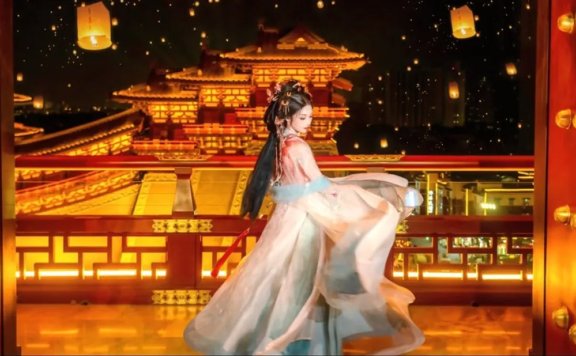
As the year turns toward its deepest night, a different kind of light begins to glow in the ancient capital of Luoyang (洛阳). The Winter Solstice, the year's longest night and a traditional festival heralding the return of the sun, transforms this historic city. It becomes a living canvas where the past is not merely remembered but worn. Here, amidst palaces and pagodas that have stood for millennia, the elegant lines of Hanfu are not a costume but a conversation—a silent dialogue between the wearer, the rhythm of the seasons, and the soul of a civilization. This is where time folds upon itself, inviting a modern step into a profoundly poetic celebration. Robes for the Long Night Selecting attire for this day requires thought. The solstice carries a solemn, introspective energy, and the clothing should mirror that dignified warmth. The aim is to achieve both physical comfort against the chill and a visual harmony with the season's quiet gravity. It is a practice in layered elegance and historical resonance. For robust warmth and regal structure, the Ming dynasty style stands paramount. A stiff-collared, side-closing long robe paired with a Mamian skirt offers superb protection from the wind. This combination presents… -
Who Really Killed Wang Pu in The Vendetta of An?
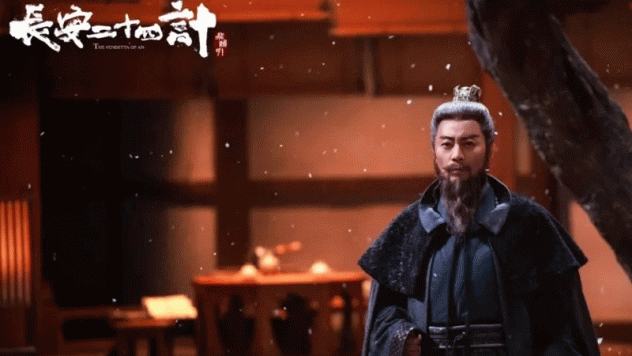
The intricate web of betrayal and power within the Tang Dynasty capital provides the backdrop for the gripping historical drama, The Vendetta of An (长安二十四计). A central point of intense debate among its audience revolves around the demise of the complex character, Wang Pu (王朴). While the narrative initially points to figures like Xie Huai'an ( 谢淮安) or an Fengshan (言凤山), a closer examination of the events suggests a far more tragic and self-directed conclusion. His death serves not as a simple act of vengeance, but as the final, inevitable move in a game where he was ultimately a disposable piece. The Poison That Wasn't Following Xie Huai'an's fourth strategic elimination, many viewers were convinced he had finally claimed Wang Pu. A prevalent theory suggests that poison was hidden within the dumplings offered during their tense meeting at the Daoguan (道观). This assumption, however, dissolves under scrutiny. The bowl set before him remained untouched throughout the entire confrontation. This detail is profoundly telling. Wang Pu, a man consistently depicted with an appetite, refusing food speaks volumes. His refusal was a silent admission of deep-seated fear and mistrust. He understood the potential danger sitting across from him, and his instinct for… -
The Untold Reason Behind a Mother's Choice in Legend of the Magnate
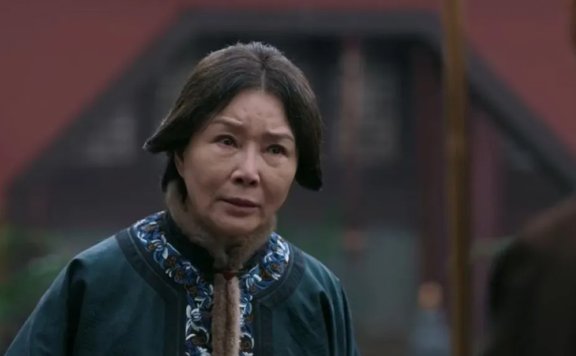
The final scenes of the Chinese drama Legend of the Magnate (大生意人) left many viewers perplexed. In a powerful climax at Jinshan Temple (金山寺), the elderly Gu Mother finally confronts Li Baiwan (李百万), the husband who abandoned their family decades ago. She reveals his true identity to their son, Gu Pingyuan (古平原), and details the cruel betrayal that led to her son's exile and shattered future. Yet, after this emotional reckoning, she chooses forgiveness. This decision puzzled audiences: how could she forgive a man who caused so much pain? The answer lies not in lingering affection or a sense of duty, but in a profound, personal liberation. The Son's Stance Gu Pingyuan's reaction is pivotal. After the shocking revelation at the temple, his initial grief turns to cold rejection. He declares the father he knew died long ago on the road to the imperial examinations. This man, Li Baiwan, is merely a stranger. Gu Mother, who has carried the weight of betrayal for twenty years, closely watches her son. His fierce protection and shared stance become her permission to let go. His unwavering support shifts the burden she has carried alone. By standing united with her son against the ghost… -
The Story Behind Zhou Jieqiong’s Head-Turning Style Pivot
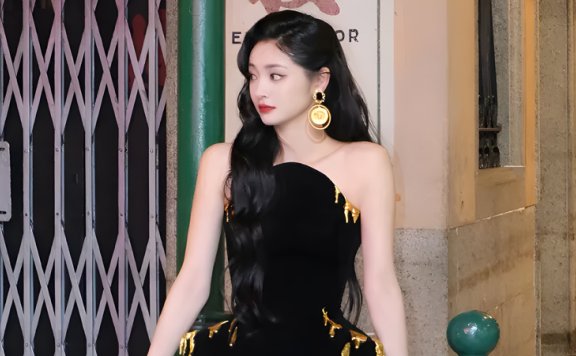
A recent appearance by singer and performer Zhou Jieqiong (周洁琼) has sparked widespread discussion, signaling what many are calling a stunning and deliberate evolution in her public image. Known for years for a sweet, approachable, and youthful aesthetic, she has boldly stepped into a new realm of sophisticated glamour. This shift was crystallized in a single, powerful ensemble that dominated fashion conversations. The look was not merely a change of clothes but a statement of artistic maturation, demonstrating her ability to command a room with a newly revealed, potent elegance. A Masterclass in Contrast The centerpiece was a striking black velvet fishtail gown. The fabric's plush texture provided a lush, dark canvas that perfectly accentuated her figure. A daring single-shoulder cut showcased her collarbone and neckline, while the meticulously tailored bodice flowed into a sleek Mermaid Silhouette. As she moved, the skirt's train created a graceful, undulating motion, transforming her walk into a captivating performance. What elevated the gown from simply elegant to truly memorable were the gilded, molten-gold embellishments trailing down one side. This strategic use of Black-and-Gold Contrast created a visual tension that was both luxurious and modern. The hard, shimmering coolness of the metallic patterns against the… -
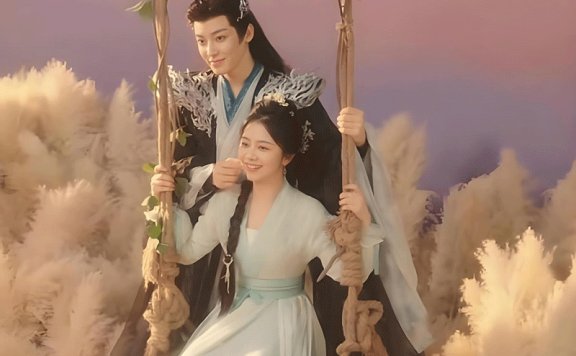
How The Unclouded Soul Unfolds a Tale of Vengeance and Healing
The upcoming fantasy drama The Unclouded Soul (逍遥) promises more than just breathtaking visuals and intricate costumes. At its heart, it presents a poignant question: can the deepest wound from a past life be mended by a connection in the present? Scheduled for release and already generating significant buzz, the series stars Tan Songyun (谭松韵) and Hou Minghao (侯明昊) in a complex tale that intertwines fate, vengeance, and a most unlikely redemption. The story begins not with a meet-cute, but with a centuries-old grudge. Hong Ye (红烨), the powerful demon lord played by Hou Minghao, once dreamed of peace between his demon tribe and the fearful humans. His hope took the form of a marriage alliance with the human princess, Ning'an (宁安). But on their wedding day, he was betrayed and murdered, a trauma that festered for over a hundred years as his spirit lay sealed away. The Unlikely Key Human dynasties changed, but their hatred for demons remained constant. The cycle is disrupted by Xiao Yao (肖瑶), a carefree young woman traveling the Jianghu with her father. By sheer accident, she stumbles into the cave imprisoning Hong Ye's spirit and awakens him. To his shock, she bears the exact… -
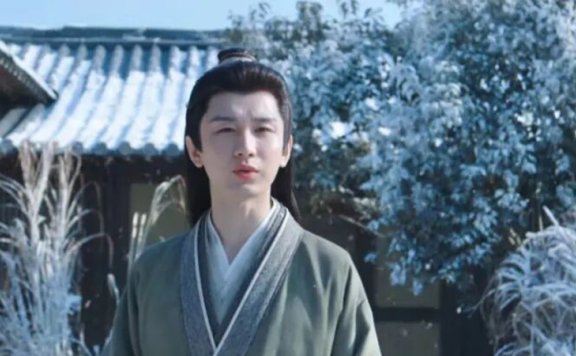
Did Xie Huai'an Ever Stand a Chance in The Vendetta of An?
In the shadowy political landscape of the Tang Dynasty's capital, the web series The Vendetta of An (长安二十四计) presents a masterclass in layered deception. At its heart is the story of Xie Huai'an (谢淮安), a man driven by a singular quest for vengeance, who discovers that every move he makes might be part of someone else's grand design. The pivotal moment, where he eliminates his uncle Liu Ziyan (刘子言), is not a triumphant conclusion but the loudest alarm bell, signaling he has walked blindly into a cage of his enemy's making. This narrative dissects that intricate game, revealing how the hunter became the hunted from the very start. The Bait in Plain Sight Initially, Xie Huai'an's decision to hide the deposed emperor in the old Liu family residence seemed purely logistical, a simple use of a known secret chamber. His later appearance there, casually sweeping the courtyard as Liu Ziyan returned, was the first unsettling clue. His feigned ignorance and innocent questions were a performance. For a man like Liu Ziyan, renowned as the top assassin of the Hu Ben (虎贲) guard but devoid of strategic subtlety, the most straightforward psychological ploy was the most effective. Xie Huai'an wasn't just… -
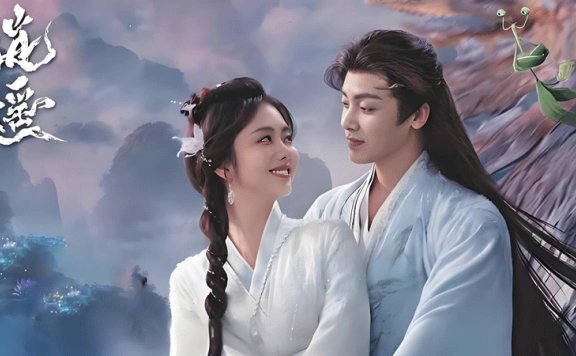
Can The Unclouded Soul Become the Next Fantasy Hit on CCTV-8?
As the year winds down, television networks are rolling out their most anticipated projects. Following announcements for dramas like Shine on Me (骄阳似我), another title is generating significant buzz: The Unclouded Soul (逍遥). Slated for a December 27th premiere on CCTV-8, this fantasy series marks a fresh collaboration between actress Tan Songyun (谭松韵) and actor Hou Minghao (侯明昊). While rumors about its broadcast had circulated for months, confirmation finally arrived after the leads promoted it on the variety show Hello, Saturday. The story follows Xiao Yao (肖瑶), an ordinary woman whose journey leads to a transcendent transformation. Early promos suggest the narrative begins grounded in relatable, mortal life before ascending to grander mythical scales, with costume design praised for its tangible, historical authenticity rather than typical ethereal fantasy flair. Fresh Faces The casting choices have sparked considerable interest. Tan Songyun, portraying the protagonist Xiao Yao, brings her signature vibrant charm to the role. Her spirited appearance and gentle demeanor in behind-the-scenes photos, often featuring soft white robes and distinctive half-up hairstyles, have already captivated fans. She carries the central narrative of growth and awakening. Her counterpart, Hou Minghao, plays a powerful demon sovereign. While his star power may currently be… -
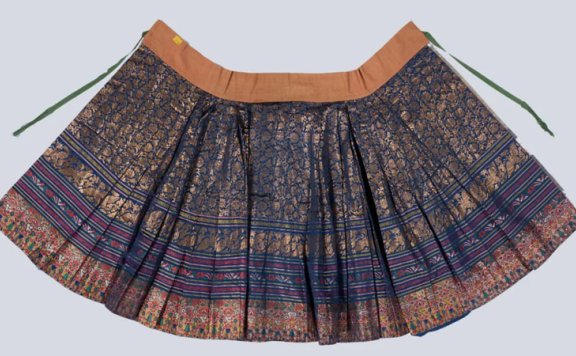
Why the 500-Year-Old Mamianqun Is Today's Ultimate Fashion Statement
Walk down any modern city street in China, from Shanghai's Bund to The Forbidden City, and you'll likely spot a surprising silhouette: the Mamianqun (马面裙). With its distinctive flat front panels and flowing pleated sides, this Ming Dynasty-era skirt has leaped from museum displays and history books into the heart of contemporary wardrobes. It represents more than a cyclical fashion trend; it is a vibrant, living symbol where deep cultural heritage intersects with personal style. This skirt's journey reveals how a garment can transcend its original era to become a powerful medium for identity and aesthetic expression in the 21st century. A Design Born from Function The name Mamianqun originates from a unique architectural feature. Mamian refers to the rectangular, projecting bastions on ancient Chinese city walls, which the skirt's broad, unadorned front panel visually resembles. This core design principle—structured panels meeting dynamic pleats—emerged during the Ming Dynasty. The skirt is ingeniously constructed from two identical panels of fabric joined at a single waistband. When worn, these panels overlap at the front and back, creating four "gates" or openings: two prominent, flat rectangular sections at the front and back, flanked by pleated sides. This architecture served a profoundly practical purpose.…
