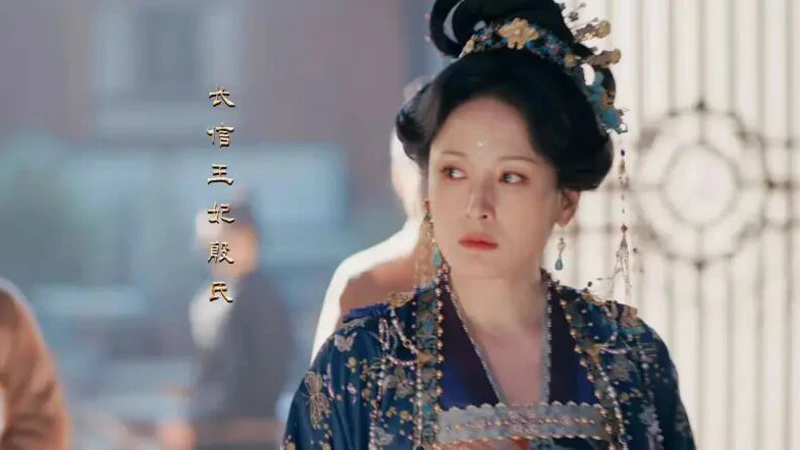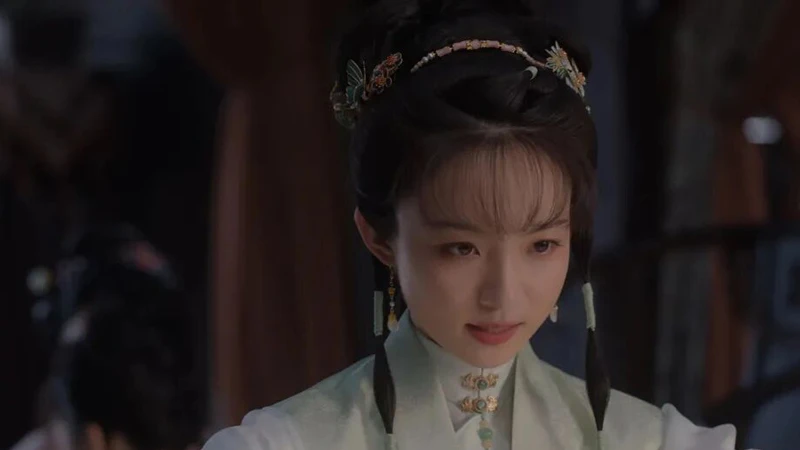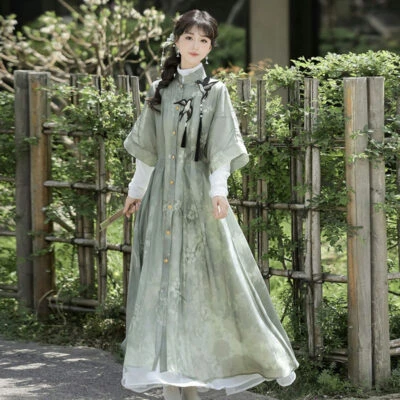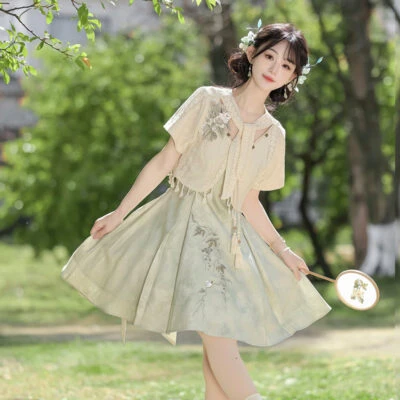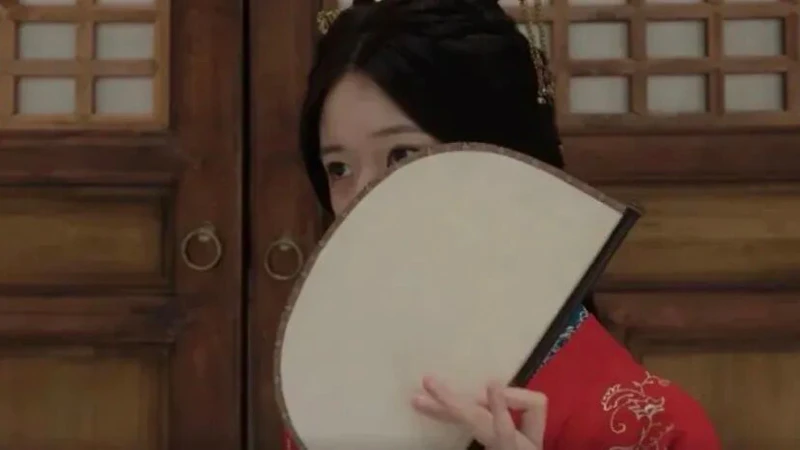
A recent image from the popular drama Love Like The Galaxy (星汉灿烂) sparked curiosity and amusement online. Actress Zhao Lusi (赵露思) was pictured holding what appeared to be a short, knife-like object against her face. Fans questioned the peculiar prop. However, this was no blade, but a remarkable example of ancient Chinese design: a hand fan known as a Bianmian (便面), or sometimes a Hushan (户扇). This object, with a history stretching back over two millennia, reveals a practicality and elegance far beyond simple air circulation.
More Than a Fan
The Bianmian is instantly recognizable by its rigid, often rectangular or trapezoidal shape, resembling a kitchen chopper or a small paddle. Its defining feature is a single, fixed handle attached to a flat face, commonly made from bamboo or wood. Unlike folding or round fans, it does not conform to standard geometric shapes. Its primary function was indeed to create a breeze by waving it, pivoting around the handle like a door on its hinge, which explains its alternate name, Hushan, or “door fan.”
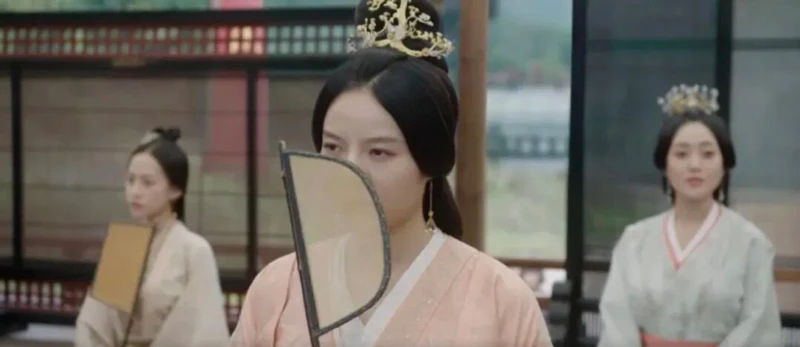
Yet its use extended far beyond personal comfort. One of its most noted social functions was as a “face shield.” In crowded streets or during travel, individuals could hold the fan up to avoid direct eye contact or shield their expressions, offering a degree of privacy. This is captured in historical texts and poetry, where the Bianmian is mentioned as a tool for modesty. It was a portable barrier in plain sight.
Its utility was surprisingly broad. Historical records, such as the Book of Han (汉书), describe the unconventional official Zhang Chang (张敞) using his Bianmian to swat his horse while riding through the streets. Longer versions, some over 1.7 meters, were likely used by attendants in ceremonial processions or to fan dignitaries. Essentially, it was a multi-purpose tool for daily life, ceremony, and even performance.
A Deep History
The origins of this distinctive fan are ancient. The earliest physical specimen discovered comes from the Lizhou’ao Tomb (李洲坳墓) dating to the Spring and Autumn period, earning it the title “China’s First Fan.” This well-preserved bamboo artifact confirms the design’s antiquity. By the Han dynasty, it was a common sight. Excavations like the renowned Mawangdui (马王堆) tombs in Changsha (长沙) have yielded Bianmian fans of varying lengths, showcasing fine craftsmanship with dyed bamboo strips woven into intricate patterns.
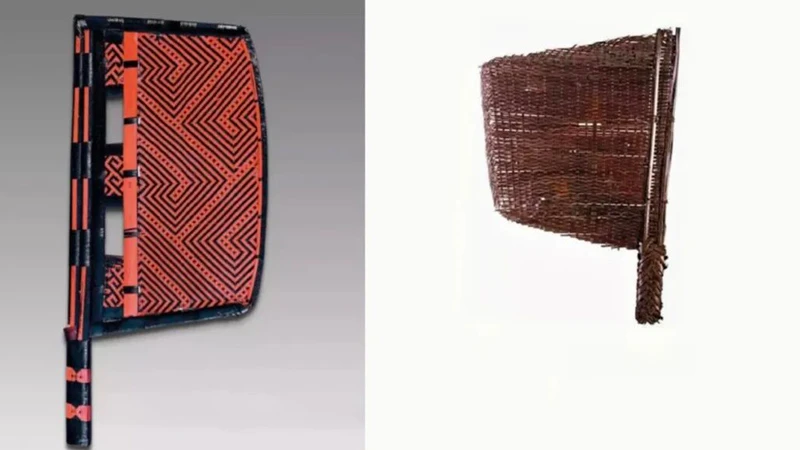
These archaeological finds tell a story of refined everyday objects. The fans were not crude implements but carefully constructed items, often featuring geometric woven designs and sometimes even decorative openings near the handle. They signify that aesthetic consideration was given to even the most utilitarian of tools. Their prevalence in tombs indicates they were valued possessions, accompanying their owners into the afterlife.
The terminology itself is intriguing. While Bianmian is the most common name, referencing its shielding function, it was also called Fangmian (方麵), highlighting its squared shape. This variety in names points to its widespread recognition and the different aspects of its design that people emphasized. It was an object fully integrated into the material culture of its time.
Modern Revival
For centuries, the unique form of the Bianmian was largely forgotten in popular imagination, often overshadowed in historical dramas by the later-invented folding fan or the elegant round fan. Its recent appearance in shows like Love Like The Galaxy marks a welcome shift towards greater historical accuracy in costume design. This visibility sparks public interest and education about the diverse material culture of ancient China.
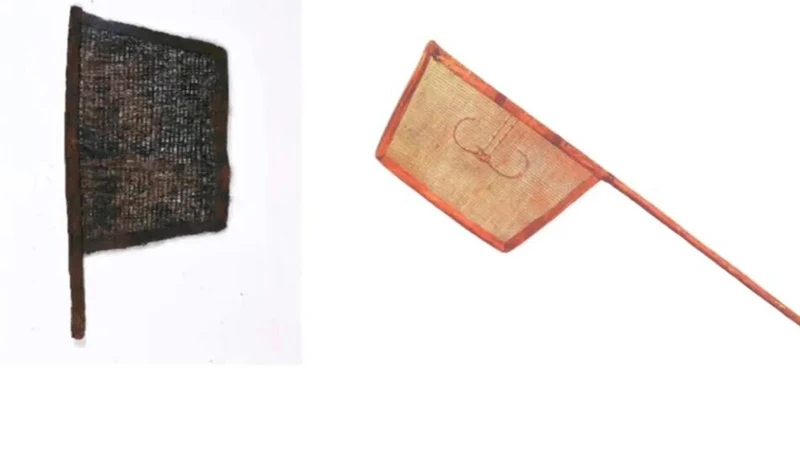
This rediscovery extends beyond television. The Bianmian has found new life in the digital realm, appearing as equipment or props in video games and animation set in historical or fantasy worlds. This introduces the ancient artifact to a global, younger audience, allowing it to transcend its original context and become a symbol of historical chic and innovative design.
The journey of the Bianmian from a common Han dynasty object to a point of online discussion today is fascinating. It challenges modern assumptions about ancient life, reminding us that practicality often took clever, context-specific forms. Its story is not just about cooling down; it’s about navigating social spaces, ceremonial grandeur, and the human desire for both function and beauty in the objects we hold. This “knife fan” ultimately cuts through time, offering a tangible connection to the daily rhythms of a distant past.