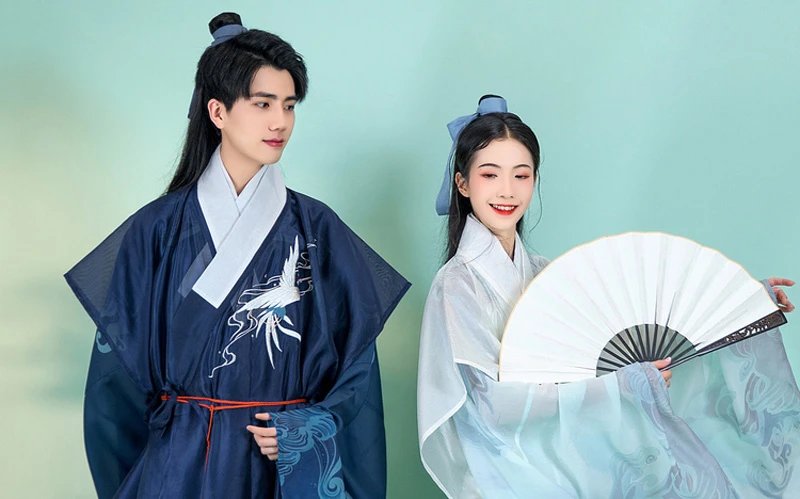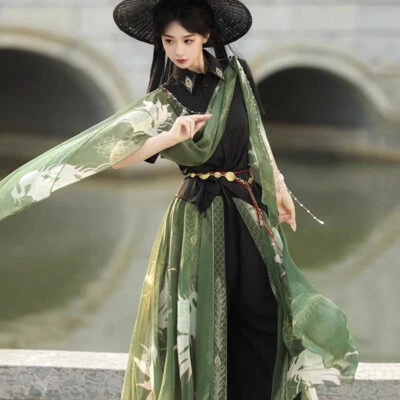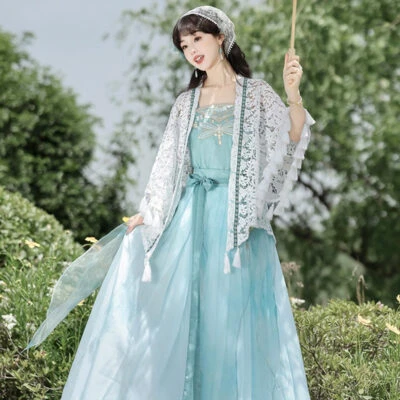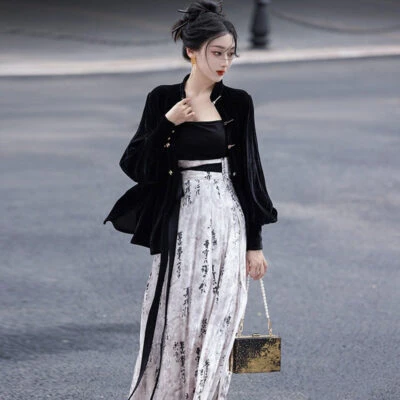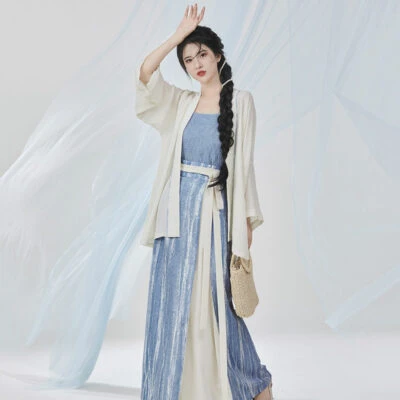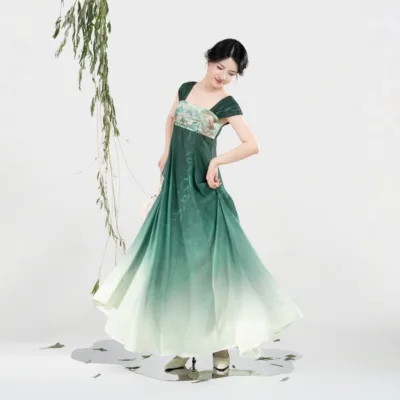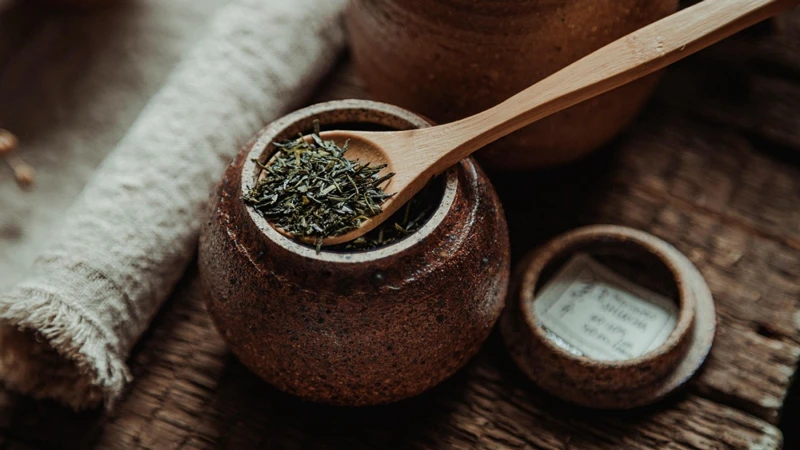
What did an ancient cup of tea truly hold within its delicate steam? Far more than leaves and water, it contained mountains, seasons, and a quiet philosophy of living. For centuries in China, the practice of tea evolved from simple consumption into a profound cultural ritual, a medium through which people connected with nature, art, and their inner selves. This was not merely a drink, but a deliberate and artistic engagement with the world.
Tea as Nature’s Mirror
Every step of tea preparation began with reverence for the natural world. The character of a tea leaf was believed to be shaped by its origin—the intensity of sunlight, the mist clinging to mountain slopes, and the precise rainfall. Lu Yu (陆羽), the celebrated Tea Sage of the Tang Dynasty, codified this connection in his classic work, The Classic of Tea (茶寮记). He categorized water for brewing into three grades, with mountain spring water considered supreme for unlocking a tea’s authentic essence.
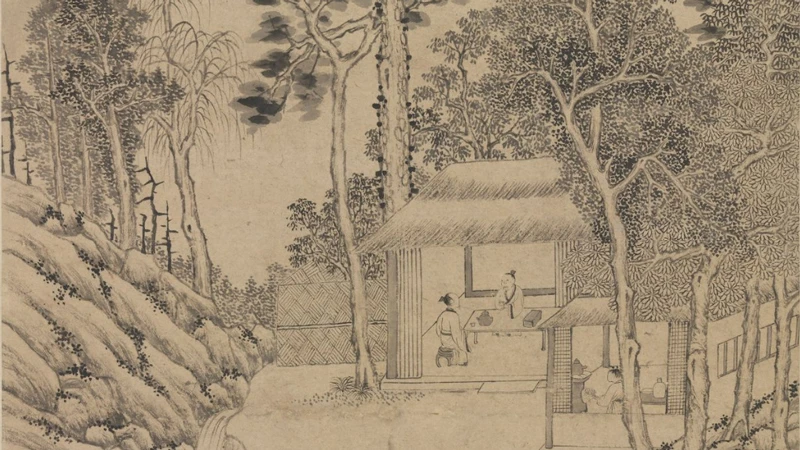
This pursuit of natural harmony extended to the setting. Scholars of the Ming Dynasty, like Lu Shusheng (陆树声), listed twelve ideal environments for drinking tea, including a quiet studio, under pine trees, or by a bamboo-lit moon. The goal was to merge with the surroundings, allowing the tea’s aroma to blend with the scents of the earth and air. In the drama Empresses in the Palace (延禧攻略), a character famously prepares a “Three Friends of Winter” tea, using ingredients symbolic of resilience, demonstrating how tea served as a poetic bridge to the natural order.
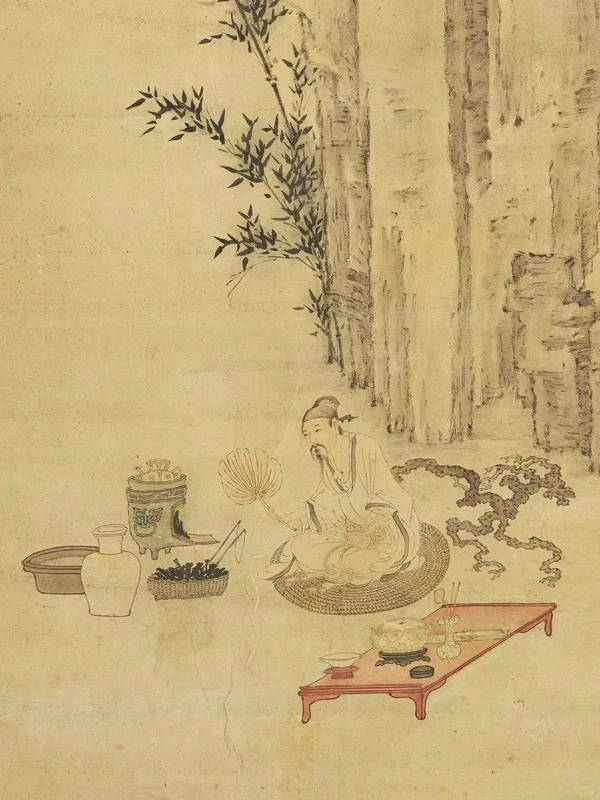
The vessel itself was part of this dialogue. The unadorned warmth of a Yixing (宜兴) clay teapot, the translucent clarity of Jingdezhen (景德镇) porcelain, or the dazzling, variable glazes of Jianyao (建窑) teacups—each was chosen to complement and enhance the tea’s inherent qualities. The object was not separate from the experience but an integral part of the sensory and aesthetic whole.
A Vessel for the Mind
Beyond physical senses, tea was a tool for spiritual cultivation. The ritual demanded focus and patience: waiting for the water to reach the perfect boil, observing the leaves slowly unfurl, and feeling the warmth of the cup. This process quieted the mind, pushing worldly distractions aside. As Tang poet Huangfu Ran described, “Common thoughts completely cease, body and mind are free from clutter.”
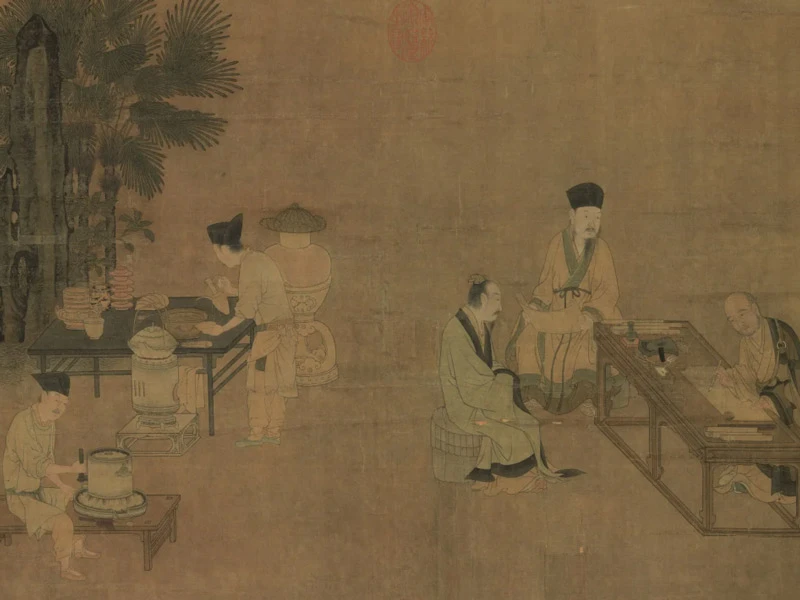
This mindful practice resonated deeply with philosophical traditions. For Daoists, brewing tea was an exercise in wu wei (无为)—effortless action—following the natural properties of water and leaf. In Chan Buddhism, the concept of “chan cha yi wei” (禅茶一味) arose, meaning “Chan and tea share the same flavor.” Both were paths to present-moment awareness and enlightenment, with the tea ceremony itself becoming a form of meditation.
The ultimate taste to be cultivated, paradoxically, was “lightness.” The best tea was not necessarily the strongest, but one that revealed a clean, lingering purity after multiple infusions. This “blandness” was considered the highest taste, a metaphor for life’s most fulfilling state: not constant drama, but a profound peace found in daily simplicity and genuine connection.
The Art of Connection
Tea was inherently social, weaving threads of etiquette, friendship, and artistic expression. The fundamental act of serving a guest a cup was a gesture of respect and welcome. Friends gathered not just to drink, but to share ideas, compose poetry, and strengthen bonds, with tea facilitating a relaxed yet refined atmosphere for exchange.
This social art reached a pinnacle in the Song Dynasty. Activities like dou cha (斗茶), a contest comparing the quality of whisked tea foam, and fen cha (分茶), the intricate skill of creating patterns on the tea’s surface—also known as “tea hundred plays”—showcased a breathtaking attention to detail. The drama The Dream of Splendor (梦华录) vividly brings this sophisticated Song tea culture to life.
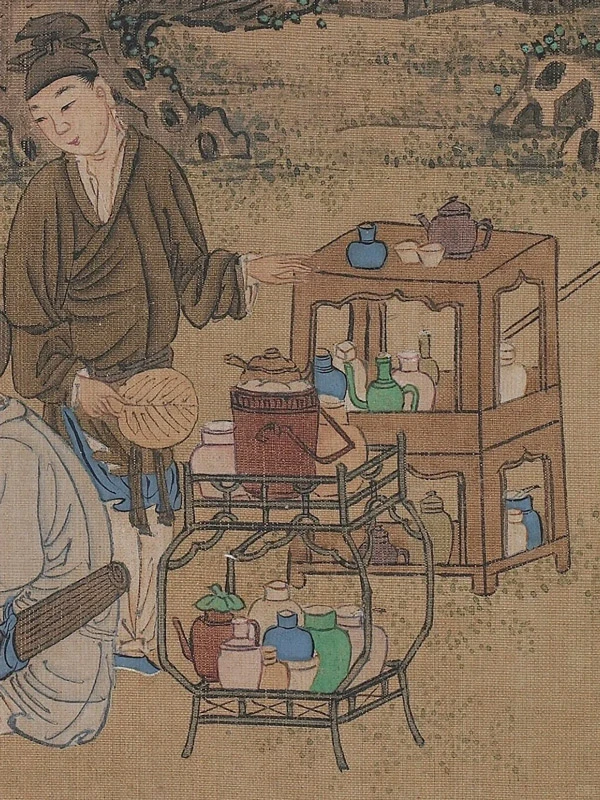
The core principles of the Chinese tea ceremony—Harmony, Respect, Purity, and Tranquility—encapsulated its role as a cultural pillar. It was a practice where etiquette met philosophy, and artistry met daily life. To hold a cup was to hold a letter from nature, a sip of cloud-shrouded peaks and careful human hands, an invitation to pause and savor a tradition that continues to offer solace and insight today.