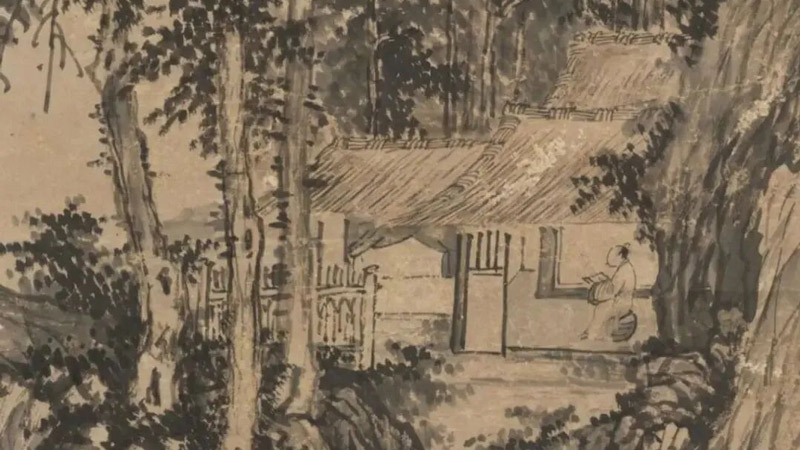
In our digital age, entertainment and casual knowledge are a tap away. For ancient Chinese, leisure reading served a similar purpose: an escape, an education, and a window into worlds beyond one's own. Far from dry classical texts, a vibrant genre of writings existed purely for pleasure and personal enrichment. These works, the "extra-curricular reading" of their day, revealed the humor, curiosity, and sophisticated tastes of people from the Song Dynasty to the Qing Dynasty. They were guidebooks to living well, catalogs of wonder, and repositories of everyday joy, proving that the human desire for engaging diversion is truly timeless.
Guides to the Good Life
For a Song Dynasty citizen dreaming of the capital's splendor or a Ming scholar curating his studio, specialized manuals offered a path to a richer experience. Dongjing Meng Hua Lu (东京梦华录) was less a history and more a phenomenal guidebook. Written by a nostalgic scholar, it meticulously cataloged the sights, sounds, and smells of the lost capital, Bianliang (汴梁, present-day Kaifeng). It detailed bustling markets, renowned restaurants with price guides, and vibrant festival scenes, offering readers an immersive, textual tour of urban excitement they might never witness firsthand.
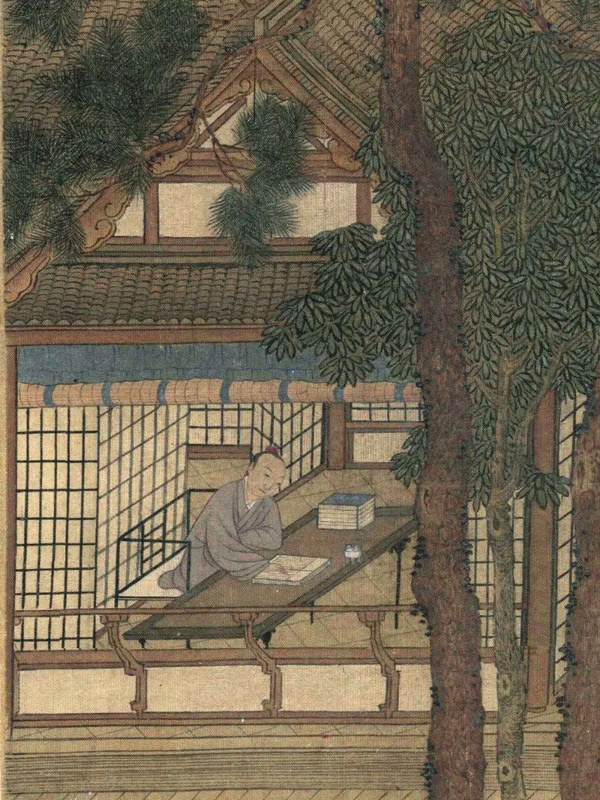
Centuries later, the Ming Dynasty scholar Wen Zhenheng (文震亨) authored a different kind of guide. His Zhang Wu Zhi (长物志, "Treatise on Superfluous Things") was a definitive manual for cultivated living. It transformed everyday objects—a rock, a vase, a painting—into elements of artistic expression. The book provided clear rules for creating an elegant environment, from garden design to the proper, sparse arrangement of flowers. It taught that restraint and natural simplicity were the highest forms of sophistication, curating not just a physical space but a state of mind.
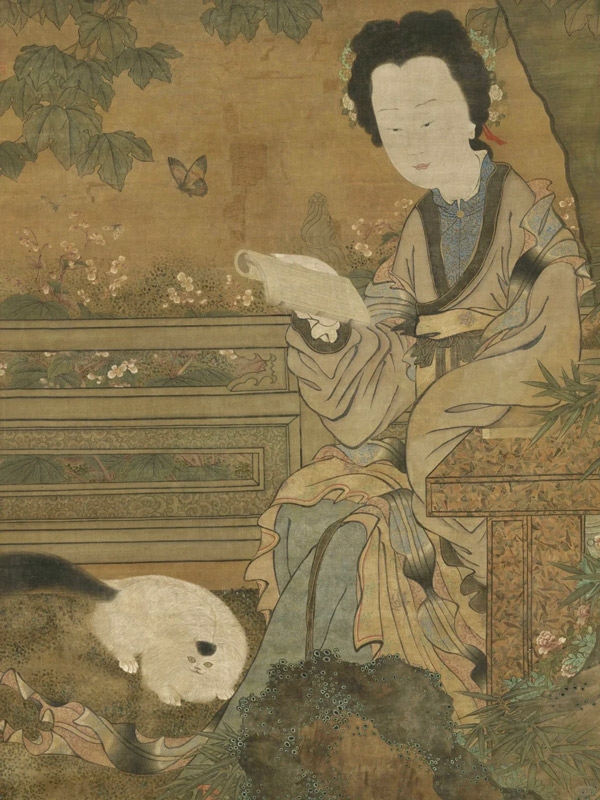
This philosophy reached its peak with the ultimate Renaissance man of the early Qing, Li Yu (李渔). His sprawling work, Xianqing Ouji (闲情偶寄, "Casual Expressions of Idle Feeling"), was a masterclass in finding creativity and joy in all life's domains. He offered ingenious tips, like designing a fan-shaped window to frame an outdoor landscape as a living painting. He wrote passionately about cuisine, theater, and mental well-being, arguing that pleasure was a conscious choice. His book championed the art of deriving happiness from the mundane, a radical and delightful concept for its time.
Fuel for the Imagination
Beyond practical advice, other texts catered to pure, insatiable curiosity. The most famous is the Tang Dynasty compilation Youyang Zazu (酉阳杂俎, "Miscellaneous Morsels from Youyang"). Its title referenced a mythical imperial library, and its contents were a dazzling cabinet of curiosities. This book collected everything from obscure folklore and foreign marvels to bizarre natural phenomena and quirky anecdotes, serving as a primary source for the strange and wonderful.
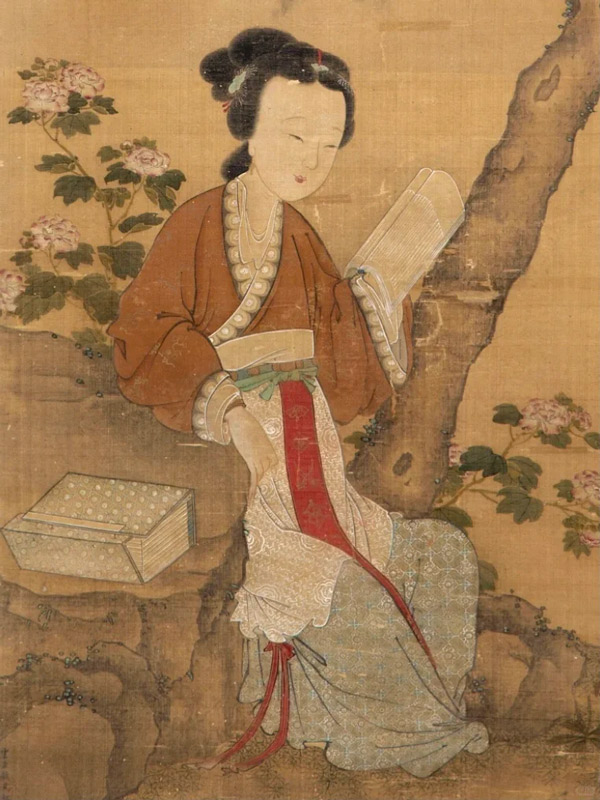
The anthology preserved early versions of now-famous tales, like the Chinese Cinderella story of Ye Xian (叶限). It recorded fascinating, if sometimes inaccurate, accounts of distant lands like the Byzantine Empire and their marvelous "flying chariots." It also functioned as an ancient compendium of trivia, with entries on how to care for cats or the peculiar properties of various plants and animals. It was a testament to the Tang spirit of cosmopolitan inquiry.
Books like these provided no direct life instructions. Instead, they fed the imagination. In an era before global travel or scientific enlightenment, they offered portals to the fantastic and the unexplained. They were conversation starters and thought experiments, allowing readers to marvel at the breadth of a world they would never fully see. This thirst for wonder, for stories that stretched the boundaries of the known, was as vital to the human spirit then as it is now.
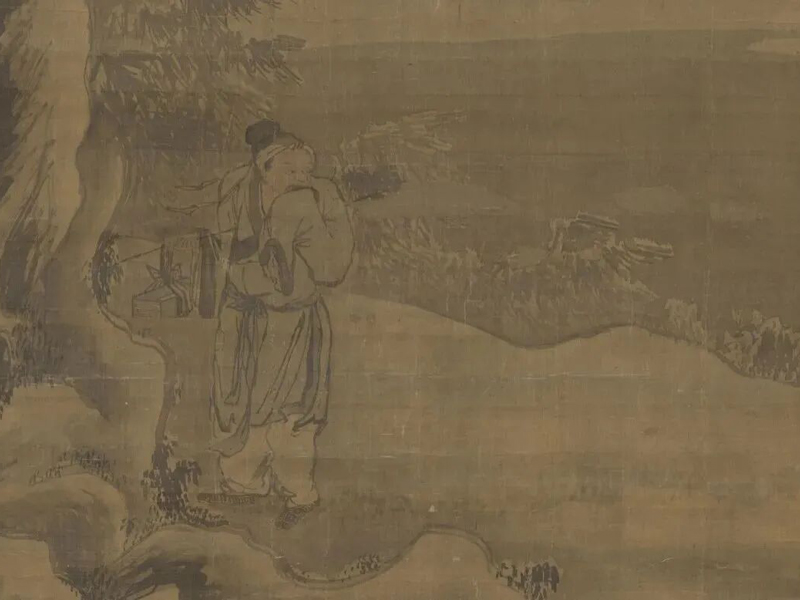
The leisure reading of ancient China reveals a culture deeply engaged with the art of living and the thrill of knowing. From urban directories to design treatises, from life hacks to collections of oddities, these works prove that "extra-curricular" pursuits have always been essential. They nurtured aesthetics, sparked conversation, and provided comfort and amusement. While the mediums have changed from handwritten scrolls to digital screens, the core desire remains: to learn, to escape, to imagine, and to find more joy in our daily lives.