Article
Search results:
-
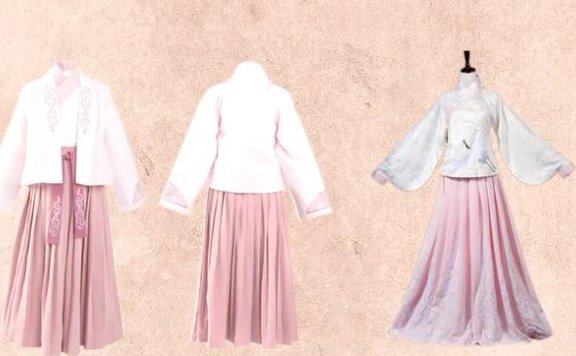
Illustrated Ancient Clothing: Learn Hanfu’s Basic Features and Forms
Hanfu represents the enduring attire system of the Han ethnic group, reflecting centuries of cultural practices and aesthetic values. This clothing is defined by precise elements like the right-crossing collar, broad sleeves, and hidden ties, distinguishing it from modern interpretations. It serves as a functional record of China's historical identity, blending philosophy with daily wear. Early forms such as the Shenyi (深衣) from the Pre-Qin era laid the foundation, emphasizing unity in design. The Han period featured the Quju (曲裾) for formal events, while the Tang dynasty's Qixiong Ruqun (齐胸襦裙) expressed vibrancy and freedom. Song styles like the Beizi (褙子) favored understated elegance, and Ming innovations such as the Mamian Qun (马面裙) and Liling Aozi (立领袄子) highlighted technical mastery. Each shift mirrored societal values, creating a rich visual legacy. https://youtu.be/O8j8zk_WsBo 1. The basic characteristics of Hanfu Hanfu represents the traditional dress of the Han Chinese people, with a history that stretches back millennia. Its design principles are deeply rooted in cultural practices and aesthetic ideals, offering a unique perspective on garment construction. This clothing style emphasizes fluidity and grace, moving beyond mere fashion to embody a way of life. Each element of Hanfu serves a purpose, blending form and function… -
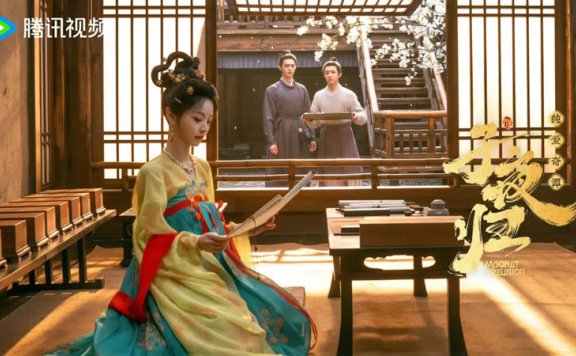
Conversation with Producer of Moonlit Reunion
The happy ending went viral on Weibo. Mei Zhuyu and Wu Zhen overcame the barrier between humans and demons to be together, and viewers were thrilled: "This is the HE (happy ending) we wanted!" Unlike other hit dramas that relied on constant twists, cliffhangers, or heavy plotting, Moonlit Reunion locked onto what today's viewers actually want to feel. With delicate visuals and the flow of everyday emotions between characters, the show offered audiences a journey into another world. That difference allowed Moonlit Reunion to break free from the clichés of fantasy costume dramas. Its emotional frequency matches modern audiences—when we're touched by the pure love in the show, deep down it's because we all long for the courage to choose and the right to be chosen. So what exactly made the drama hit that emotional "switch" for so many? Huan.tv Big Data sat down with producer Wu Ruoyan to look behind the curtain. All Cast, All In: Form and Spirit as One "First the form, then the spirit." That was the casting philosophy, and it's why Moonlit Reunion could hook viewers in seconds. Whether it's the contrast written into the leads or the arcs given to supporting characters, every performance… -
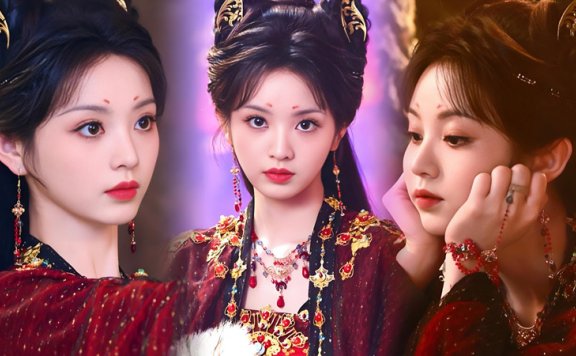
Tian Xiwei’s Chinese Styles in Moonlit Reunion
Who hasn’t been mesmerized by Tian Xiwei’s (田曦薇) stunning looks in the hit drama Moonlit Reunion (子夜归)? From the flowing Qixiong Shanqun (齐胸衫裙) to the intricate updos adorned with hairpins, let’s uncover the Chinese aesthetic secrets behind these viral styles that have taken the internet by storm. Clothing: Timeless Hanfu Silhouettes Qixiong Shanqun is a signature skirt style for women during the Sui, Tang, and Five Dynasties. Its defining feature is an extremely high waistline—usually positioned above the chest—which elongates the figure and creates a graceful, flowing effect when walking. Tanling Banxiu (坦领半袖) is a standout short outer layer in the Hanfu system. “Tanling” refers to its wide, curved or square neckline, which gracefully reveals the neck and collarbone, while “Banxiu” denotes short sleeves that end at the elbows. Worn over a short inner shirt, it adds depth and layers. Its origins trace back to the upper jacket of the Wei and Jin dynasties, evolving over time into its current form. Duopo Jianse Qun (多破间色裙) gets its name from the number of fabric panels—terms like “six-panel skirt” or “twelve-panel skirt” highlight its complex sewing technique. In the Sui and Tang dynasties, multi-panel skirts were all the rage with high-chest long… -
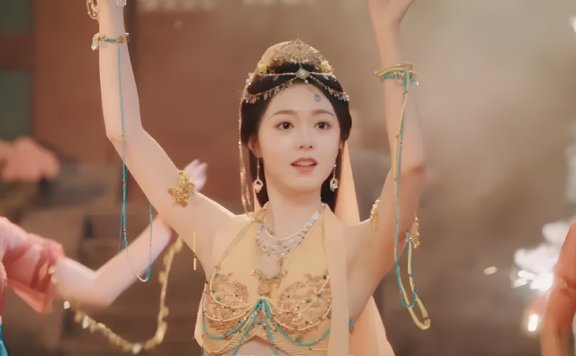
The Lost Diversity of Ancient Chinese Dance Attire
Have you ever noticed how often chest-baring dresses dominate dance scenes in today"s historical dramas? This singular style, frequently referred to as the "Dunhuang style," has become a ubiquitous visual shorthand. But a glance through history"s rich tapestry reveals a far more diverse and fascinating story of dance attire, where each dynasty expressed its unique aesthetic and cultural values through movement and fabric. Warring States Elegance During the Warring States period, the ideal of a slender, graceful figure was paramount. This is perfectly captured in the carved "Yu Wu Ren (玉舞人)" figurines. These artifacts depict dancers in long, trailing Zhiju (直裾) robes with flowing sleeves, their hair styled in intricate buns. The emphasis on a tiny waist was not merely aesthetic; it was a cultural reflection of the Chu kingdom"s famous preference for slender figures, a trend so influential it was said the kingdom"s people would starve themselves to achieve it. The dance movements from this era aimed for an ethereal, floating quality. Dancers used their elongated sleeves and heavy skirts to create beautiful, sweeping motions, making their bodies seem almost weightless. This connection between costume and choreography was intrinsic, with the clothing designed to enhance and amplify the dancer"s… -
How Hanfu and Ancient Architecture Echo China’s Soul
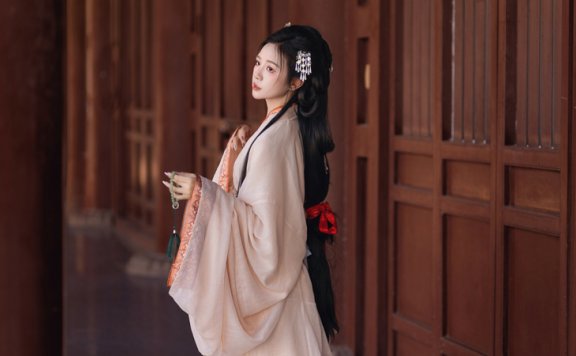
Silk whispers against stone. Graceful sleeves dance with upturned eaves. Across centuries, Hanfu and ancient Chinese architecture engage in a silent, breathtaking dialogue. These two pillars of Chinese civilization embody shared principles of balance, symbolism, and profound respect for nature. Walking through a courtyard in flowing robes isn't merely a photo opportunity; it's stepping into a living canvas where fabric and form converse in the language of heaven, earth, and humanity. This encounter reveals the deep, interwoven roots of China’s aesthetic soul. Shared Foundations Both Hanfu and ancient structures spring from the core principle of Tian Ren He Yi (天人合一) – harmony between heaven and humankind. The classic Shenyi (深衣) garment, with its distinct upper and lower sections, mirrors the division between sky and land. Its wide sleeves symbolize boundless capacity, embracing the universe's vastness. Similarly, imperial palaces stand as testaments to cosmic order through strict axial symmetry, reflecting the belief in a central, governing power. The iconic swooping rooflines, known as Feiyan (飞檐), defy their earthly anchors, reaching skyward with dynamic elegance. Observing a figure in a Ruqun (a short jacket over a long skirt) within the Forbidden City reveals uncanny visual echoes. The layered skirt echoes the tiered… -
The Cultural Connotation and Future of Hanfu
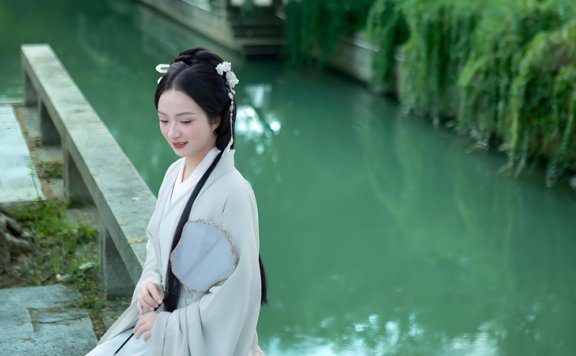
Once confined to museum displays and historical dramas, traditional Chinese attire now flows through city streets worldwide. This isn't costume play—it's a cultural homecoming. Hanfu, the umbrella term for China’s pre-17th-century clothing systems, has leapt from ancient scrolls into contemporary wardrobes. Young designers, historians, and everyday enthusiasts weave threads of millennia-old aesthetics into modern life, creating wearable poetry that honors heritage without sacrificing relevance. The movement transcends fashion; it’s a tactile dialogue between dynastic splendor and digital-age identity, reshaping how generations connect with their roots. Echoes in Every Stitch Hanfu’s brilliance lies in its architectural diversity, mirroring China’s philosophical shifts across eras. The structured solemnity of Zhiju (直裾) robes from the Ming Dynasty speaks of Confucian order, while the Tang Dynasty’s wide-sleeved, high-waisted Ruqun embodies an open, cosmopolitan golden age. Song Dynasty silhouettes favored subtle elegance—cross-collared jackets paired with flowing skirts reflecting scholarly refinement. Each cut, from the curved-hem Quju (曲裾) to the horse-faced pleats of Mamianqun (马面裙), encodes dynastic values in fabric. Beyond aesthetics, these designs solved practical needs. Wide sleeves circulated air in humid summers, layered robes insulated against northern winters, and silk’s natural temperature regulation made it ideal for varied climates. The precision of symmetrical cutting (typically… -
How Hanfu's Empty Spaces Create Living Poetry
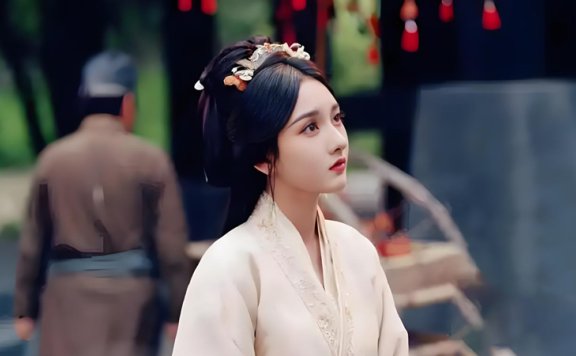
Hanfu whispers where Western fashion shouts. This ancient Chinese attire reveals its genius not through ornate excess but through deliberate emptiness—inviting wind, light, and human grace to complete its design. Like a scroll with unpainted mist or a melody’s resonant pause, Hanfu transforms wearers into collaborators with nature. Its flowing sleeves and undyed linens become canvases for shifting sunlight and passing breezes, proving restraint holds more power than saturation. This philosophy of purposeful absence—Liubai (留白)—turns clothing into living art, where the unsaid speaks loudest. Colors Borrowed from Earth and Sky Forget laboratory dyes. Hanfu hues emerge from dawn skies, mossy stones, and autumn forests. Moonlight White isn’t stark but hazy—like fog on rice paper. Stone Blue mirrors rain-soaked cliffs, softened by centuries. Ocher glows like sunset-warmed clay. These colors reject artificial vibrancy, instead echoing landscapes. A plain white skirt in a gingko grove becomes gold-streaked when leaves pirouette onto its folds. Fabric doesn’t dominate; it adapts. Wind paints temporary patterns, shadows add depth, and seasons dictate palettes. Hanfu wearers don’t just dress—they carry fragments of the living world. This harmony extends beyond pigments. Linen and hemp breathe with the wearer, their muted tones shifting under sunlight like river currents. A… -

Colors of Hanfu: Stories Woven in Ancient Hues
The crimson robes shimmer like liquid sunset, azure silks hold captured mist, and golden threads pulse with imperial legacy. When Hanfu flows, it's not merely fabric in motion; it's a millennia-old chromatic saga whispering secrets of the East. Each hue, meticulously extracted from roots, leaves, and blossoms, carries profound narratives of status, season, and spirit, woven into the very warp and weft of Chinese civilization. Far more than aesthetic choices, these colors formed a silent language – a vibrant lexicon where every shade spoke volumes about the wearer's place in the cosmic and social order. Today, as this ancient attire experiences a renaissance, the timeless palette of Hanfu continues to captivate, bridging dynasties past with the bold expressions of modern style. Crimson No color resonates deeper in the Chinese soul than crimson. Revered since the Shang and Zhou dynasties, this potent hue symbolized supreme nobility and auspicious fortune. It pulsed at the heart of life's most sacred ceremonies. Imagine heavy silk blazing with China Red, embroidered golden phoenixes and peonies dancing on phoenix coronets and ceremonial capes. Sunlight catching intricate Pan Jin embroidery creates a regal shimmer reserved for emperors and empresses. Beyond the bridal chamber, crimson commanded reverence in… -
Zhao Liying in Tangzhuang: Hairstyle, Fabric, and Makeup Secrets
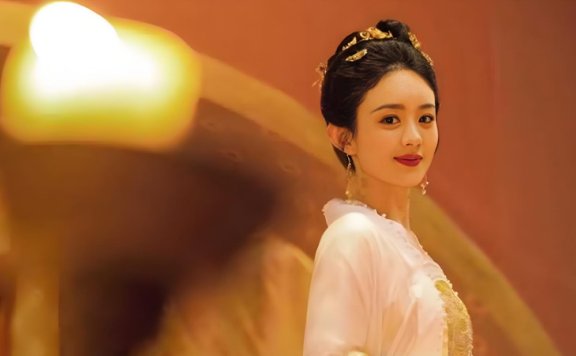
What makes an outfit transcend centuries? Zhao Liying's (赵丽颖) recent embrace of Tangzhuang (唐装) offers a masterclass in ancient Chinese aesthetics. Moving beyond her usual youthful charm, she embodies imperial elegance through deliberate choices in hairstyling, fabric selection, and makeup. This transformation reveals core principles of Tang fashion – principles centered on sophistication achieved through restraint, quality, and harmony, not mere extravagance. Her look serves as a powerful testament to the enduring brilliance of historical Chinese design, proving its relevance for modern style seekers. Hairstyle Forget towering, jewel-encrusted creations. Zhao Liying's Tangzhuang impact begins with a remarkably simple coiled bun. This choice defies a common misconception: that historical Chinese hairstyles require overwhelming complexity to feel regal. Her sleek, unadorned updo demonstrates that true luxury lies in clean lines and impeccable execution. The polished finish creates an immediate sense of refinement, allowing the wearer's features and the clothing itself to take center stage. The allure of intricate braids and multiple ornaments is understandable, yet often leads to visual chaos. Zhao Liying's stylists understood that a single, well-crafted bun provides a stronger foundation for elegance. It offers a timeless quality, avoiding the dated look that overly elaborate styles can project. This focus… -
Fabric Meets Verses: Hanfu’s Poetic Soul
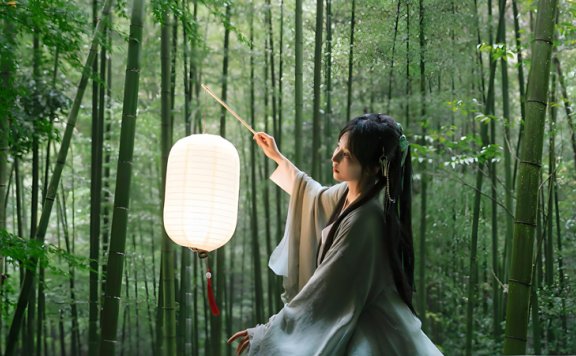
Imagine fabric whispering ancient verses. Picture sleeves swirling with the rhythm of classical poetry. This is the captivating reality where Hanfu, China's traditional attire, meets the timeless beauty of its poetic heritage. More than just clothing or words, they are living threads in the tapestry of Chinese civilization. When the flowing lines of Hanfu encounter the profound depths of poetry, a silent dialogue spanning centuries unfolds. It's a romance woven not with words alone, but with silk, linen, and the very essence of cultural memory. This encounter invites us to step beyond the page and the mannequin, to experience tradition as a vibrant, embodied art. Fabric as Poetry The very structure of Hanfu holds poetic resonance. Consider the elegant spirals of the Quju (曲裾) robe. Its graceful folds seem to cascade down the wearer's form, mirroring the dynamic energy of Li Bai's (李白) verses describing a waterfall's majestic plunge, Flying Down Three Thousand Feet. It's movement captured in cloth. Contrast this with the airy lightness of the Qixiong Ruqun, an upper garment paired with a high-waisted skirt. Its gentle drape evokes the subtle, nurturing touch described in Du Fu's (杜甫) lines about a spring rain arriving unnoticed, Entering Silently with… -
Song Dynasty Hanfu's Gentle Spirit in Today's World
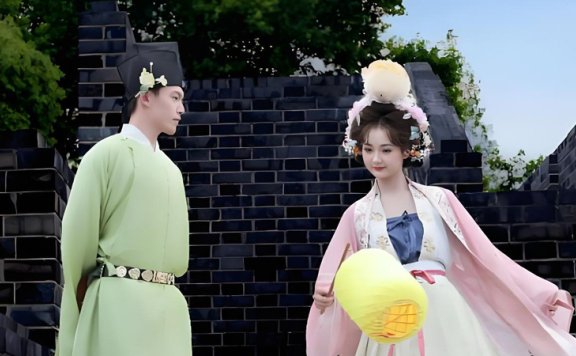
When we speak of traditional Chinese attire, the grandeur of the Tang Dynasty often steals the spotlight, but the subtle grace of Song Dynasty Hanfu reveals a deeper, more refined essence of Chinese culture. Shedding the bold extravagance of its predecessor, Song Dynasty Hanfu embraces minimalist lines and muted hues, embodying an aesthetic of "unadorned beauty" that feels both ancient and strikingly modern. This exquisite style captures a quiet dignity, reflecting the inner cultivation prized in Song-era philosophy, and today, it invites us into a world where history meets contemporary life. Minimalist Philosophy The Song Dynasty marked a pinnacle in Chinese arts and thought, with Neo-Confucianism emphasizing inner harmony over outward display. This ethos shaped Song Dynasty Hanfu into designs centered on restraint and practicality. Instead of elaborate adornments, it relies on clean silhouettes and natural fabrics like cotton, linen, and silk. Colors favor soft greens, pale yellows, and gentle pinks, creating a visual poetry that whispers elegance without shouting. Every garment flows with purpose, tailored to flatter the body without excess. Men wore simple robes like the round-collared Yuanlingpao (圆领袍), while women chose pieces that balanced modesty with grace. The art of "leaving space" in these designs invites contemplation,… -
Why Doesn't Yue Yunpeng Wear His Hanfu Clothes Properly?
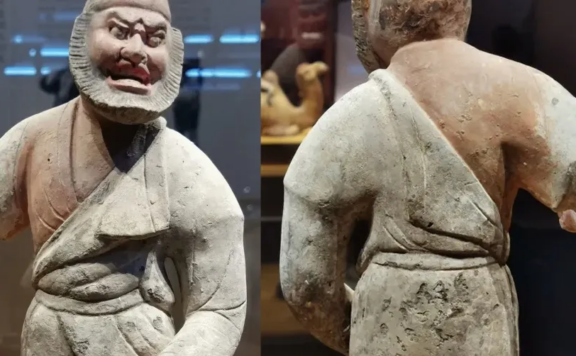
Yue Yunpeng, why don't you wear your clothes properly! In the ancient costume drama The The Lychee Road, when Yue Yunpeng's character Zheng Ping'an makes his first appearance, he is sloppily dressed and wears what seems like a "mini skirt". The CP combination with Lei Jiayin's Li Shande makes people can't help laughing. Is this "mini skirt" deliberately done for the drama effect or did such a garment really exist in history? First, let's state the conclusion. This is a common Tang-style inner garment in the round - necked robe, which can be simply called "Banbi" (半臂) according to its appearance features. Generally speaking, this kind of Banbi inner garment has two functions. In the Tang Dynasty, both civil and military skills were highly valued. This inner garment can support the shoulder contour of the outer round - necked robe, making the figure look more upright. Also, it can be conveniently worn with the chest exposed in hot summer or during sports. Since it is used as an inner garment, natural and breathable materials such as linen are usually used. "Banbi" also has another name, "Banxiu" (半袖). It is a very special short - sleeved top in ancient China. Its… -
Zi Ye Gui: Tang Couple's Dangerous Secret by Night
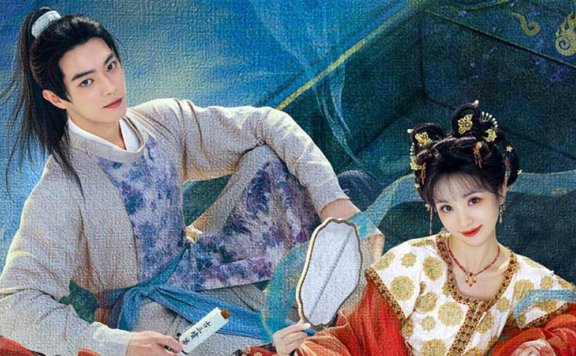
Tencent Video's highly anticipated 38-episode historical fantasy drama Moonlit Reunion (子夜归) promises to dominate summer viewing. Starring popular actors Xu Kai (许凯) and Tian Xiwei (田曦薇), the series transports viewers to a meticulously crafted Tang Dynasty Chang'an, where daylight reality conceals a perilous supernatural underworld. Duality of Worlds Chang'an transforms dramatically between day and night. Under the sun, the city thrives as a magnificent human capital. Here, we meet Mei Zhuyu (Xu Kai), an unassuming official at the mysterious Xuanjian Bureau (玄鉴司), and his spirited noblewoman wife, Wu Zhen (Tian Xiwei). Their playful, often chaotic married life unfolds amidst bustling markets and grand palaces, filled with shared meals, lighthearted mischief, and genuine affection developed after their arranged marriage. Sunset triggers a complete metamorphosis. The familiar streets warp into the eerie Demon Market. Mei Zhuyu (梅逐雨) sheds his mild facade, becoming a formidable demon-slaying Taoist master clad in dark robes, wielding talismans against creatures threatening humanity. Simultaneously, Wu Zhen (武祯) reveals her true nature as the powerful ruler of this hidden realm, the crimson-eyed, cat-eared Cat Lord, fiercely protective of her domain and its inhabitants. This stark duality forces the couple into nightly conflict. Their daytime intimacy clashes violently with their… -
Sleeves: Tang Dynasty Fashion Through the Ages
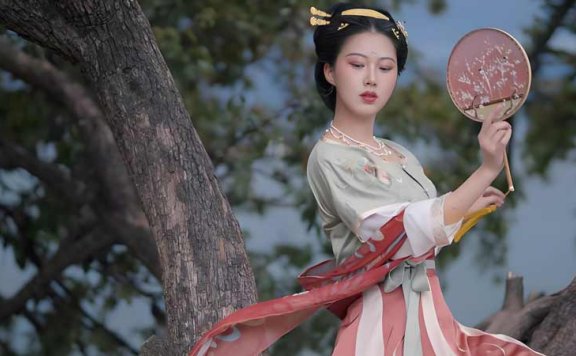
Far more than mere attire, Tang-style Hanfu stands as a vibrant emblem of China's golden age. Rooted in profound aesthetics, it reflected societal shifts and technological prowess. As the ancient text Zuo Zhuan (左传) noted, the magnificence of ritual and dress defined Chinese civilization. Tang fashion, evolving dramatically across nearly three centuries, showcased unparalleled diversity in silhouette, color, and ornamentation, moving from restrained elegance to opulent grandeur and nostalgic revival, embodying the dynasty’s spirit of openness and cultural confidence. Its legacy continues to inspire contemporary fashion and cultural revival worldwide. Threads of Change The Early Tang period favored subtle refinement. Women wore slim-sleeved, short jackets paired with high-waisted skirts tied just below the bust. This "Ruqun" style elongated the figure, embodying an aesthetic of gentle grace. Fabrics were often light silks in soft hues, emphasizing understated beauty. Narrow stripes on skirts, known as "Jianse Qun (间色裙)," were initially modest. Empress Wu Zetian's (武则天) ascent catalyzed transformation. Necklines deepened into elegant curves, and the flowing "Pei Bo" (帔帛) scarf became essential. Waistlines gradually lowered to a high position under the bust. A bold trend emerged: women adopted male attire. Palace maids sported round-collar robes with practical slits, striped trousers, and functional… -
Chen Duling: The Crimson Phoenix Rising in Chinese Drama
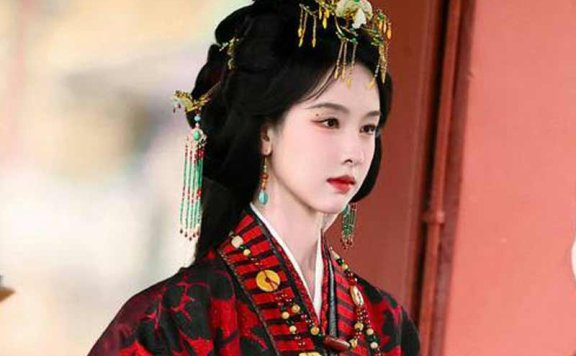
Few could have predicted that Chen Duling (陈都灵), once celebrated as the gentle "campus goddess," would transform into a commanding presence on set during a torrential downpour in 2024. Clad in fiery red traditional robes with her hair sculpted into an imposing high bun, she shattered typecasting with an archer’s precision. Audiences witnessed not a damsel awaiting rescue, but a warrior unfazed by lashing rain—her poise earning viral praise as "crimson robes like war banners, hair coiled like victory standards." This metamorphosis obliterated assumptions about her artistic limits. Campus Muse to Period Drama Powerhouse Seven years after her breakthrough role as the fragile Li Su (李珥) in Left Ear, Chen has redefined her trajectory. Where she once embodied quiet innocence, she now dominates historical sets through meticulous character embodiment. Her shift transcends mere wardrobe changes; it represents an artistic evolution from supporting roles to commanding lead performances. Industry observers note her departure from predictable "flower vase" casting into complex, physically demanding parts. The contrast highlights stagnation among peers reliant on repetitive makeup and digital filters. While others chase trends, Chen immerses herself in historical authenticity—studying posture, movement, and period mannerisms. Her commitment extends beyond costumes into mastering martial sequences and… -
How 3 Historical Dramas Reimagine Hanfu Styles Across Dynasties
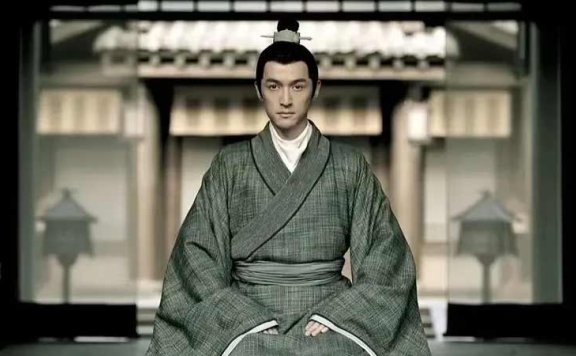
In the luminous realm of historical television, costumes transcend mere aesthetics to become portals to ancient China. Among these, Hanfu—the traditional clothing system of the Han ethnic group—serves as both cultural anchor and artistic expression. Through meticulous craftsmanship and dynastic authenticity, series like Nirvana in Fire (琅琊榜), The Story of Minglan (知否知否应是绿肥红瘦), and The Longest Day in Chang’an (长安十二时辰) have ignited global fascination with this sartorial heritage. Beyond visual splendor, they decode social hierarchies, gender roles, and philosophical ideals stitched into every fold. The Wei-Jin Spirit in Nirvana in Fire Nirvana in Fire channels the restrained ethos of the Northern and Southern Dynasties through its costumes. Unlike opulent Tang designs, its palette leans into muted ivories, inks, and azures—colors mirroring scholar-officials’ pursuit of humility. Protagonist Mei Changsu (梅长苏) epitomizes this philosophy: his unadorned ramie robes cascade like calligraphy strokes, while a jade pendant at his waist whispers Confucian integrity. Every drape rejects extravagance, echoing an era where intellect trumped ornamentation. Contrast emerges in the warrior nobility. Nihuang (霓凰), commander of the Southern borders, wears tailored tunics with geometric embroidery—subtle yet sharp as her strategems. Her ensembles blend femininity with authority through structured shoulders and muted gold threadwork. Even crowd scenes reinforce… -
Hanfu Revival: Qin to Song Dynasty Robes Reimagined
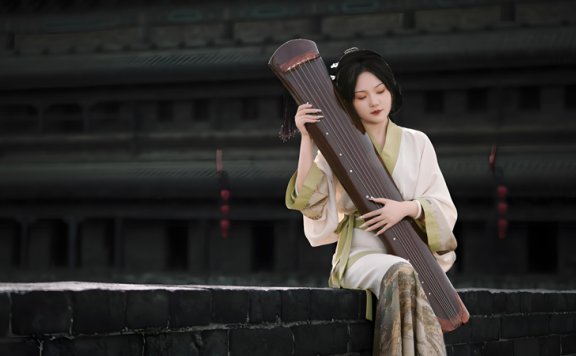
Hanfu is more than fabric; it is China's history draped on the human form. These garments, evolving across millennia, offer a silent narrative of shifting aesthetics, social values, and profound cultural identity. From the foundational rituals of the Qin-Han era to the cosmopolitan flair of the Tang and the introspective elegance of the Song, each dynasty imprinted its spirit on sleeves, collars, and flowing skirts. This journey reveals how Hanfu served as both a mirror and a maker of its time, its threads weaving a continuous story of civilization. Qin-Han Foundations The unification under Qin and Han established Hanfu's core grammar. Garments became instruments of order and ritual. The defining principle was "upper garment, lower skirt", combined with the distinct right-over-left collar closure. This structure conveyed dignity and a connection to cosmic principles. Colors held deep meaning: profound black for heaven, vibrant vermillion for earth. Predominant fabrics were sturdy hemp and coveted silk, often adorned with symbolic patterns like swirling clouds and thunder motifs, reflecting reverence for nature's power. The Quju Shenyi (曲裾深衣) stood paramount. It's wrapped, overlapping panels circled the body multiple times, flaring dramatically at the hem. This complex construction signified formality and status, worn by both men… -
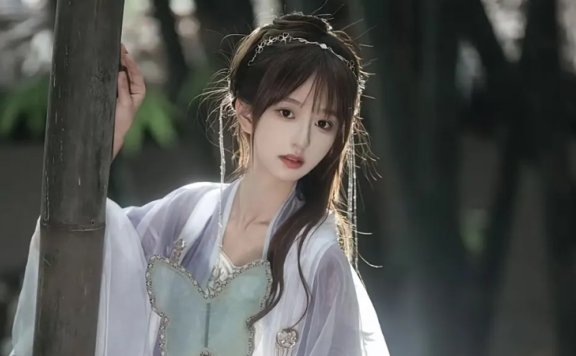
How Hanfu Became Gen Z's Cultural Armor
Young people across China are draping themselves in history. Silk robes, embroidered jackets, and flowing skirts once reserved for period dramas now flood city streets, university campuses, and social media feeds. This isn’t cosplay—it’s a cultural movement. Hanfu, traditional attire tracing its lineage to China’s dynastic eras, has evolved from niche hobby to mainstream passion. For Gen Z, wearing these garments is less about historical reenactment and more about stitching identity into the fabric of modernity. It’s a quiet rebellion against homogenized trends, a tactile connection to heritage, and a gateway to vibrant communities where tradition dances with innovation. Identity Woven in Fabric Hanfu’s resurgence coincides with China’s cultural reawakening. As global brands dominate fashion, young people seek anchors in their own heritage. A Tang-style Ruqun isn’t merely clothing; it’s a wearable testament to millennia of aesthetics and philosophy. The crisp lines of Ming dynasty Zhiju reflect Confucian ideals of harmony, while Song dynasty Beizi whispers of scholarly elegance. Wearing these pieces during Qingming Festival tomb-sweeping or Mid-Autumn moon gatherings transforms rituals into living history lessons. This sartorial choice answers a deeper question: "Who are we?" In rejecting Western fast-fashion hegemony, youth declare pride in indigenous craftsmanship. They aren’t escaping… -
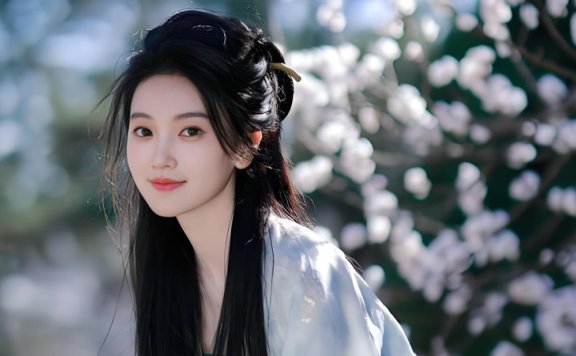
Hanfu: A Stunning Fusion with Modern Life
Gone are the days when Hanfu resided solely within museum displays or historical reenactments. Today, these flowing robes, rooted in millennia of Chinese tradition, are experiencing a vibrant resurgence, gracefully navigating the bustling streets and digital landscapes of contemporary life. This isn't merely a nostalgic revival; it’s a dynamic reinvention. Young people across China and the globe are embracing Hanfu not as a costume, but as a personal style statement, a tangible connection to heritage seamlessly interwoven with the fabric of the 21st century. The intricate silhouettes and symbolic details speak of ancient philosophies, yet they are now paired with modern confidence, proving that tradition can not only survive but thrive amidst skyscrapers and smartphones. This movement transcends fashion; it's a cultural dialogue, a quiet assertion of identity where history walks confidently into the present. Weaving Through Dynasties Hanfu's journey is a tapestry woven through the very fabric of Chinese civilization. Its origins, traced symbolically to the legendary Yellow Emperor, evolved significantly across successive dynasties, each imprinting its distinct aesthetic and societal values. Shang and Zhou periods established the foundational "upper garment, lower skirt" structure, a visual representation of heaven and earth. The Qin and Han dynasties introduced the majestic… -
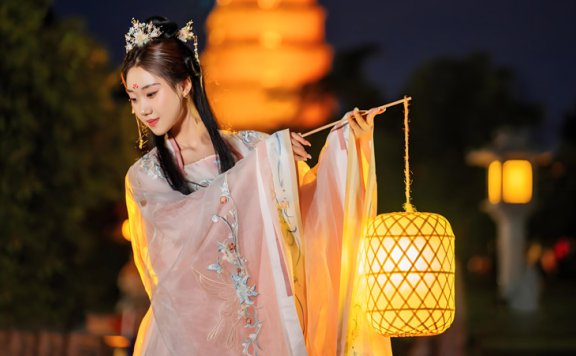
Tang Dynasty Splendor Walks Modern Xi’an Streets
Summer twilight descends upon Xi’an’s ancient city walls as a local ballad drifts through the humid air. Below the ramparts, a vibrant tapestry unfolds: young women in flowing Qixiong Ruqun (齐胸襦裙) skirts glide over cobblestones carrying silk fans, boys in traditional Futou headwear flash peace signs beside sausage vendors, and self-styled "Tang princesses" with tinkling hair ornaments weave through bicycle commuters. This seamless fusion of antiquity and urban life defines China’s ancient capital today. Across its historic quarters, a generation born after 1995 drives a cultural resurgence—transforming Hanfu from ceremonial costume into daily poetry. Threads of Transformation Xi’an’s streets have become runways for resurrected elegance. At the Tang Paradise Mall’s Hanfu Center near the Great Tang All-Day Mall, stylists livestream makeup tutorials, demonstrating how seventh-century "Luozidai" eyebrows complement Tang-style dresses. Behind them, racks display Ming Dynasty Mamian skirts and Tang half-sleeve robes—a sartorial timeline spanning dynasties. By day, tourists pose with circular fans before the Bell Tower’s soaring eaves. Inside the immersive "Chang’an Twelve Hours" theme park, scholars in round-collared gowns stroll alongside veiled maidens. As lanterns illuminate the 2-kilometer promenade at dusk, performers in reconstructed court dresses descend palace staircases, their gold Buyao hairpins catching spotlights. The Bell Tower…