Article
Search results:
-
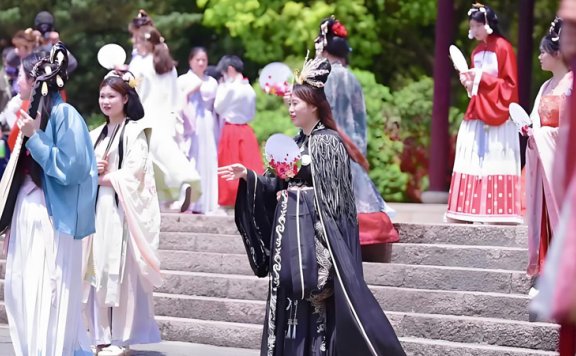
Hundred Hanfu Enthusiasts Compete in Fangta Garden
On June 28, 2025, Shanghai’s Fangta Garden transformed into a portal through time. Over 110 hanfu enthusiasts gathered for Sohu Video’s "Li Yi Hua Xia" Hanfu Model Competition, their silk robes swirling amid 800-year-old pagodas and moon gates. This was no costume party—it was a deliberate revival of China’s sartorial legacy, where dynastic elegance met contemporary creative expression. Threads Through Time: The Stage is Set Fangta Garden’s Ming-era architecture provided the ultimate backdrop. Towering cypresses framed stone bridges, while the hexagonal Fangta Pagoda watched over contestants adjusting Song-dynasty beizi (褙子) jackets and Tang-style ruqun (襦裙) skirts. The garden’s moss-covered steles and lattice windows didn’t just complement the garments; they whispered stories of the artisans who once inspired them. As models prepared near the Nine-Dragon Wall, stylist Sheng Kaiyuan explained her Song tea-maid ensemble: "The linen changshan and pleated skirt mirror 12th-century practicality. This wine flask?" She lifted a celadon vessel. "A nod to Kaifeng’s tavern culture." Nearby, contestant Wei Shige tested the drape of her Tang daxiushan. "The gauze sleeves must float like poetry," she said, spinning until gold-embroidered phoenixes seemed to take flight. Weavers of Dreams: Crafting Identity Backstage, historical accuracy fused with personal narrative. Wei’s Tang outfit used… -
Threads Through Time: How Ancient Dynasties Would Style Modern Streets
Imagine silk-clad scholars from the Wei-Jin period stepping onto a bustling high-speed rail platform, or Tang dynasty noblewomen browsing a sleek concept store. China's sartorial legacy, spanning millennia from the understated elegance praised in the Book of Songs (诗经) to the dazzling Fashion Makeup (时世妆) of the High Tang, possesses an enduring vitality. Far from being relics confined to museums, the core design philosophies – the ethereal drapery of Wei-Jin guīyī (袿衣), the flattering lines of Song bèizi (褙子), the intricate pleating of Ming horse-face skirts (马面裙, mǎmiàn qún) – are experiencing a vibrant renaissance, seamlessly woven into the fabric of contemporary global fashion. This isn't mere revival; it's a dynamic dialogue where whispers from ancient looms inspire cutting-edge design, proving that true style transcends the confines of any single era. The flowing sleeves and structured silhouettes of the past are finding fresh expression on today’s catwalks, city sidewalks, and digital feeds, becoming powerful emblems of cultural confidence and innovative aesthetics. Wei-Jin: Ethereal Flow Reimagined The Wei-Jin period (220-420 AD) prized transcendence and natural grace, reflected in the iconic guīyī. This garment evolved from the deep robe (深衣, shēnyī), distinguished by its dramatic guī (圭) shaped fabric panels and trailing… -
When Global Travelers Become China's New Dynasty Stars
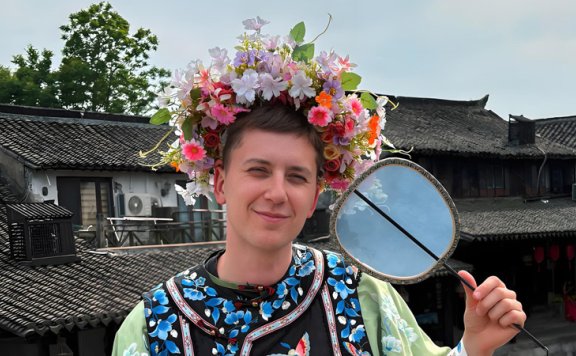
As international tourism rebounds across China, an unexpected cultural phenomenon has emerged: foreign visitors donning elaborate historical costumes to pose against imperial backdrops. French traveler Titi became an overnight sensation after sharing photos of himself dressed as a Qing Dynasty "gege" (imperial prince) in Xitang Water Town, his green silk robe and floral headdress contrasting strikingly with ancient stone bridges. "People kept telling me I looked beautiful," Titi remarked, describing how the costume transformed his travel experience. His social media post attracted floods of comments like "You look like a real prince!" and "That floral crown is perfection!" This trend reflects a deeper cultural engagement, with China welcoming 736,740 foreign tourists in Q1 2025 alone—a 39.2% year-on-year surge. Ancient palaces and gardens now serve as open-air studios where travelers from Malaysia to South Africa reinvent themselves as Ming scholars, Tang empresses, or Qing nobility. For many, these photoshoots represent more than souvenirs; they're immersive journeys into China’s living history. As Titi explained while quoting classical poetry in a later post: "Dressing in period clothing makes historical sites feel alive. When Chinese tourists ask for photos with me, it becomes a shared celebration." Selfies That Transcend Cultures What began as curiosity… -
Silk Road Renaissance: Hanfu Fever Sweeps Global Social Media
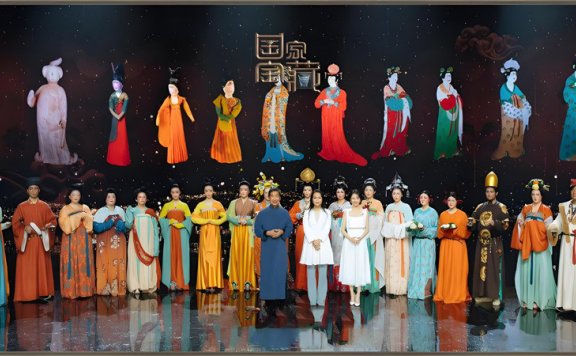
The rustle of embroidered silk now echoes from Shanghai's Tianzifang to Xi'an's ancient walls as international travelers embrace hanfu with infectious delight. What began as cultural curiosity has blossomed into a full-blown transnational phenomenon, with foreign influencers and tourists donning Ming dynasty robes and Tang-style ruqun to create viral content that transcends language barriers. This sartorial bridge between eras and continents reveals how traditional Chinese garments are becoming 21st-century cultural connectors. Destination Dressing Historic sites transform into immersive stages where hanfu unlocks deeper travel experiences. In Suzhou's Humble Administrator's Garden, Slavic creator Ana Petrovna floats across zigzag bridges in blush-pink chiffon, her movements harmonizing with centuries-old pavilions. The visual poetry of her ensemble against classical architecture drew thousands of Instagram saves. Urban studios cater to global clients with specialized services. Shanghai's Hanyi Huashang studio stocks plus-size options and offers bilingual styling consultations. "We adjust makeup for deeper eye sockets," explains owner Li Mei, noting 40% of June bookings came from overseas visitors. Iconic landmarks inspire theatrical transformations . At Xi'an's Drum Tower, British photographer Tom Higgins commissioned a dragon-embroidered emperor's robe. "The weight of the gold-threaded cloak made me stand differently—more regal," he laughs. His "Three Imperial Poses" reel trended on TikTok… -
Why Are the Necklines Pulled So Low in Cdramas?
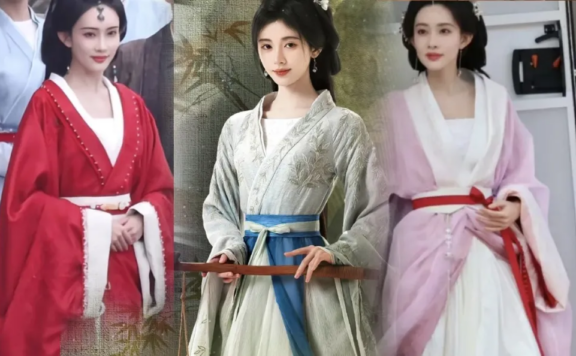
Recently, the new drama styling of Meng Ziyi has sparked quite a controversy. This large neckline design that reveals the collarbone, which we seemed to only see in early costume dramas, is popular again. In fact, this design isn't just in TV dramas but also in ancient - style photo studios everywhere. Some people even deliberately lower the collar to show their collarbones and camisoles. This somewhat revealing image is more like 'border - crossing' rather than creating an ancient - style atmosphere. Does this way of dressing really exist? First, there were indeed wide - necked robe designs in the Qin and Han dynasties, used as outerwear when layering. Later, during the Northern and Southern Dynasties, it was mainly applied to ruqun (a traditional Chinese women's clothing style), a transition from the shallow cross - collar to the front - closing collar similar to that in the Tang Dynasty. However, this way of dressing was revealing but not alluring, having nothing to do with border - crossing. How wide could the necklines be in the Qin and Han dynasties? The side width of the neckline of the straight - skirted robe N10 in the Mashan Chu Tomb was 43… -

Yu Xiaodan: The Hanfu Stylist Making China-Chic
Yueqing, Zhejiang — At the 2025 “Crafting Dreams” ICH Parade in Yueqing this May Day, Hanfu makeup and styling artist Yu Xiaodan (俞小丹) will lead a troupe of enthusiasts in a mesmerizing display of Guoyun Fanghua (国韵芳华, “Elegance of Chinese Heritage”). Dressed as characters from Dream of the Red Chamber (红楼梦) and dancing to classical melodies like Etiquette Nation (礼仪之邦), her team embodies a cultural renaissance that’s captivating Gen Z. Born in 1996, Yu’s love for Hanfu began during college in Fuzhou, where a riverside Hanfu performance left her spellbound. She joined local Hanfu societies, spent savings on 200+ historically accurate outfits—from Tang dynasty qixiong ruqun (齐胸襦裙, high-waisted dresses) to Song-era beizi (褙子, long jackets)—and even splurged 20,000 RMB on a diancui (点翠, kingfisher-feather) crown. “Hanfu isn’t just clothing; it’s a portal to our past,” she says. In 2021, she apprenticed under Yang Shuyun, a legendary CCTV stylist known for Dream of the Red Chamber’s iconic looks. This training, coupled with workshops on huashen zhuang (花神妆, Flower Goddess makeup) in Guangzhou, honed her skills in blending historical accuracy with modern flair. Bridging Eras, Breaking Norms Yu’s talent lies in making Hanfu relatable. At the 2024 Hongqiao Azalea Festival, her “Pink-Green… -

Wearing Hanfu to Work: A Practical Guide for Women
In recent years, there’s been a surge of interest in hanfu, not just as traditional attire, but as something that can be part of everyday life—including the workplace. For women who love hanfu and want to express that part of their identity in professional settings, there are more options now than ever before. With both modernised and traditional hanfu being widely available online, it’s becoming increasingly realistic to integrate this historical clothing into our weekday wardrobes. Modern hanfu—sometimes referred to as “fashion hanfu”—has already been adapted for casual social use. According to NewHanfu, it “inherits the elements of traditional Hanfu, and through long-term innovation and development, it is well adapted to the convenient social life in today's modern times.” This means pieces are typically more streamlined, accessible, and comfortable, often made with materials and cuts that suit daily wear. As a result, many modern hanfu outfits can already pass for smart-casual in a workplace setting. Pairing these with accessories like a structured purse, a watch, or a blazer can easily help elevate the outfit to look more professional without compromising the hanfu aesthetic. That said, I personally think there’s also space for more traditional hanfu elements in the workplace—if styled… -

Wang Churan's Hanfu Style Sparks Debate on Traditional Hairstyle
During the CCTV program 'Golden Snake Dance • Chinese New Year Flavor,' Wang Churan appeared in traditional Hanfu attire, but her hairstyle raised eyebrows among some netizens. They questioned whether the two strands of hair in front resembled the Japanese 'hime cut.' To clarify, this hairstyle, known as 'Chuixiao Ji,' can be traced back to ancient Chinese paintings like 'The Admonitions Scroll' and 'The Wise and Benevolent Women.' It was popular during the Han and Jin dynasties, with origins dating back to the Warring States period. The hairstyle features neatly trimmed bangs that reach the eyebrow line, with strands hanging down the sides, a style also referred to as 'Fenxiao.' Historical artifacts, such as the jade dancer figurine from the Jin Village Tomb in Luoyang, depict this hairstyle, showcasing its cultural significance. Wang's headpiece, a gold 'Buyao' (hair ornament) from Liangzhou, Gansu, is styled as 'One Sparrow, Four Flowers,' symbolizing nobility during the Han Dynasty. The Buyao was typically worn in pairs, swaying with movement, embodying the elegance of noblewomen from the Han to Wei - Jin periods. The Chuixiao hairstyle not only framed the face but also reflected the ethereal aesthetic influenced by Confucian and Daoist ideals. However, modern… -

The Hanfu Boom: A Guide to Leading Brands
Hanfu (汉服, traditional Chinese clothing) isn’t just a nostalgic trend—it’s a global movement. What began as a niche subculture in China has evolved into a thriving industry, with brands blending historical accuracy with modern wearability. Forget stiff costumes; today’s Hanfu ranges from silk-adorned ceremonial robes to minimalist office-friendly pieces. Here’s a breakdown of the brands driving this revival, their signature styles, and why they resonate with Gen Z shoppers from Los Angeles to Jakarta. 1. Minghuatang (明华堂) Founded in 2007, this Guangzhou-based label has become synonymous with meticulous craftsmanship and eye-watering price tags—think ¥10,000 ($1,400) for a single set, with wait times stretching up to a year. https://www.youtube.com/watch?v=guu1ad17AH8 The Founder’s Obsession Hong Kong-born Zhong Yi (钟毅), a fashion design graduate from Guangzhou Academy of Fine Arts, noticed something odd in the early 2000s: At formal events, Koreans wore hanbok, Japanese wore kimono, but Chinese attendees rarely wore Hanfu. He started designing his own pieces, wearing them daily to normalize the tradition. In 2007, he co-founded Minghuatang with a clear mission: to recreate historically accurate Ming Dynasty (1368–1644) attire with museum-level precision. What Justifies the Price? Minghuatang’s garments aren’t just costumes—they’re wearable history. Every stitch follows 15th-century texts and artifacts, from… -
Ancient Chinese Fashion: A Misunderstanding of Seasonal Wear
When we think about ancient Chinese clothing, a curious misunderstanding often arises—many believe that the clothing of specific dynasties was determined by the seasons. For instance, people sometimes think of Tang Dynasty garments as summer wear, and Ming Dynasty attire as winter clothing. The idea seems odd at first, as we know that every era experienced all four seasons, so why would the clothing of one dynasty be associated with just one temperature? It turns out that this perception stems from a combination of misinterpretations and misconceptions about the nature of ancient Chinese garments. Let’s break down why this understanding doesn’t quite hold water. The Tang Dynasty: More Than Just Summer Fashion The Tang Dynasty is often associated with light, airy, and flowing garments, especially the famous "Qixiong Ruqun", which has become iconic in many representations of ancient Chinese fashion. This lightweight attire—made from silk and other fine materials—gives the impression of being suited for hot weather. But the truth is, Tang fashion wasn’t just about comfort during the heat. A deeper look reveals that many Tang garments, although appearing simple, actually consisted of several layers, which weren’t always visible on the surface. The illusion of "light" clothing in modern… -
Yang Zi's Top 5 Costume Works Recommendations
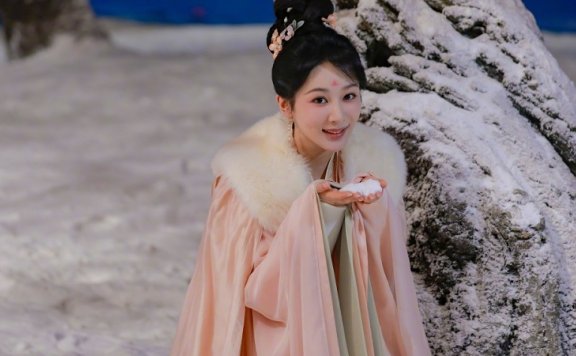
If you've ever wondered how Chinese mythology, history, and fantasy collide on screen, Yang Zi's (杨紫) costume dramas are the perfect starting point. Take Ashes of Love, where she plays Jin Mi, a flower deity navigating love and betrayal across celestial realms. The series doesn't just romanticize immortality; it dissects the consequences of emotion-suppressing poisons and divine politics. Or consider Flourished Peony, where her stoic swordswoman Lu Xueqi battles sect rivalries in a world where loyalty clashes with ambition. Yang Zi's characters aren't just "strong"—they're layered, flawed, and rooted in specific eras, from the Tang Dynasty's perfume trade (Flourished Peony) to mythological clan wars (Lost You Forever). Here's a curated guide to Yang Zi's most iconic costume works. Lost You Forever 长相思 Aired: 2023 Period Background: Mythological era inspired by ancient Chinese legends. Genres: Xianxia, romance, political intrigue. Main Roles: Yang Zi as Xiao Yao, a resilient princess; co-stars Deng Wei (邓为) and Zhang Wan Yi (张晚意). Adapted From: Tong Hua's novel of the same name. Xiao Yao's story begins in tragedy—after losing her royal status and memories, she reinvents herself as Wen Xiao Liu, a rough-edged healer in Qing Shui Town. Her life intertwines with four men, each representing… -
Festivals & Hanfu: A Seasonal Style Guide
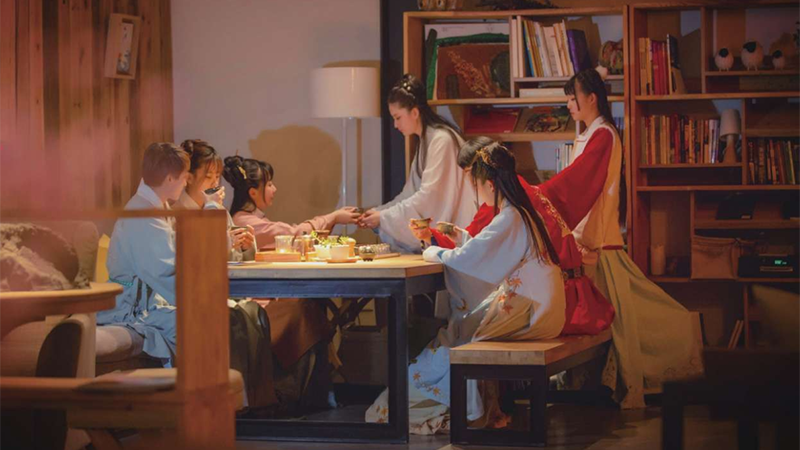
Ancient Chinese wisdom distilled clothing choices into simple truths: light robes for summer, padded jackets for winter. But look closer, and you’ll find a nuanced system—24 solar terms (节气), 72 micro-seasons (物候), and festivals each demanding specific colors and motifs. This wasn’t just practicality; it was a silent dialogue between humans and the rhythms of nature.. Chapter 1: Lunar New Year (春节) The tradition of wearing new clothes for the Lunar New Year is widespread in Chinese culture. Regardless of social class, people are expected to wear their finest attire to usher in the new year. For officials and those of higher status, formal ceremonial clothing is a must. The colors of these garments—red, blue, yellow, white, and black—offer a range of options, but certain traditions guide their use. White is typically worn for mourning, red symbolizes celebration, and yellow was reserved for emperors after the Tang Dynasty. Red, blue, and black are more common, with red standing out as a symbol of prosperity, joy, and good fortune. Throughout the New Year festivities, red decorations such as firecrackers, lanterns, and spring couplets (春联) fill the environment, creating an atmosphere of happiness and festivity. Red has become the hallmark of wealth… -

Qingdao's Ronghua Aunts Bring Traditional Crafts into Fashion
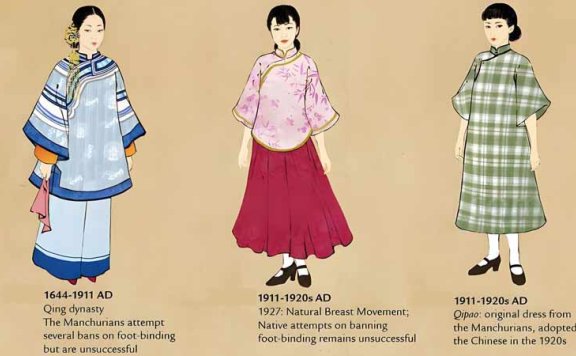
The national trend has swept through the streets, and one can always catch two distinct charms in the fluttering skirts - the qipao is as graceful as an ink - colored peony, while the Hanfu unfolds like a landscape painting. This is not just a choice of clothing but a profound exploration of how Eastern aesthetics can thrive. Time - honored Codes in Stitches Qipao: A Poetic Declaration of Body Awakening In 1920, on Shanghai's Avenue Joffre, tailors used a copper ruler to measure the contours of the new era. The improved qipao tightened its wide sleeves, locked a bit of reserve with a standing collar, yet revealed a hint of allure through its side slit. The women in gossamer - silk qipaos in Eileen Chang's works walked on the Bund in high - heels, and each step echoed the call for freedom on the cobblestones. Today's silk qipaos still shine. Craftsmen at the Hangzhou Silk Museum have embedded Suzhou - embroidered peonies into the texture of acetate fiber, allowing ancient craftsmanship to blossom on modern fabrics. Hanfu: A Contemporary Narrative of a Thousand - year - old Civilization At the foot of the Xi'an City Wall, girls in cross… -
A Hanfu Class in Chengdu City
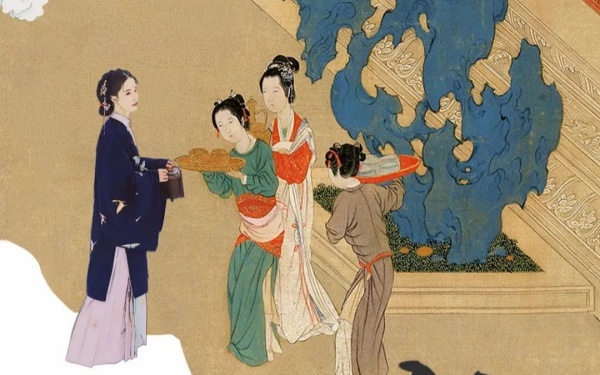
In the long history of the ancient Chinese land, China enjoys the great reputation of being the “Country of Elegant Attire”, the “Land of Beautiful Costumes”, and the “State of Etiquette”, all of which are closely related to Hanfu. In modern life, Hanfu is not an everyday outfit. We can often see it only in large - scale traditional celebrations, exquisite photo shoots, and ancient - costume TV dramas. So, what kind of etiquette connotations are hidden behind Hanfu, which carries thousands of years of culture? Let's explore the profound world of Hanfu culture to find the answer. Hanfu, the traditional clothing of the Han ethnic group with a millennium - long inheritance, is based on the essence of the Four Books and Five Classics and has followed the traditions in the Records of Carriages and Attire for thousands of years. The ceremonial robes have always adhered to the etiquette norms with few major changes over time. On the other hand, the daily clothing of the common people has become increasingly diverse as time goes by. As the unique traditional ethnic clothing of the Han people, Hanfu has a history of more than 4,000 years. Nourished by the wisdom and… -
Top 3 Wang Yibo's Period Cdrama List
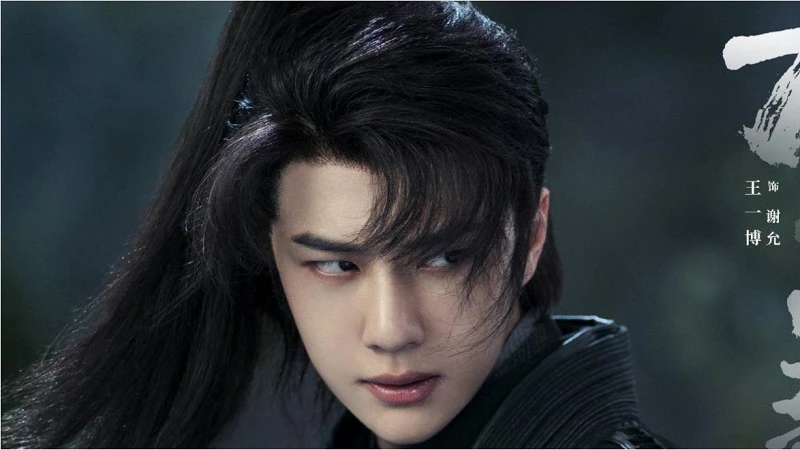
Imagine wandering through mist-shrouded mountains where immortal cultivators duel with spells, or bustling Tang Dynasty markets humming with Silk Road traders and political conspiracies. This is the world of Wang Yibo's Period dramas—a gateway to China's mythic past, where history and fantasy collide in breathtaking spectacle. Wang Yibo (王一博), a rising star with over 40 million Instagram followers, has become an unlikely ambassador of Chinese culture. His roles—whether as a stoic swordsman, a rogue prince, or a genius scholar—transcend language barriers, blending Confucian ideals with modern charisma. Below is a curated guide to his Top 3 Period Dramas. The Untamed 陈情令 Aired: June–August 2019 Period Background: Fictional ancient China, inspired by the Five Great Clans system. Genres: Fantasy, Xianxia (immortal heroes), Mystery, Bromance Main Roles: Wang Yibo as Lan Wangji (蓝忘机), Xiao Zhan as Wei Wuxian (魏无羡) Adaptation Source: Based on Mo Xiang Tong Xiu's novel Grandmaster of Demonic Cultivation At its core, The Untamed is a story of defiance and devotion. Set in a world where powerful clans cultivate spiritual energy to combat supernatural evils, the series follows two contrasting souls: Lan Wangji, the icy yet righteous heir of the Gusu Lan Clan, and Wei Wuxian, a free-spirited prodigy… -
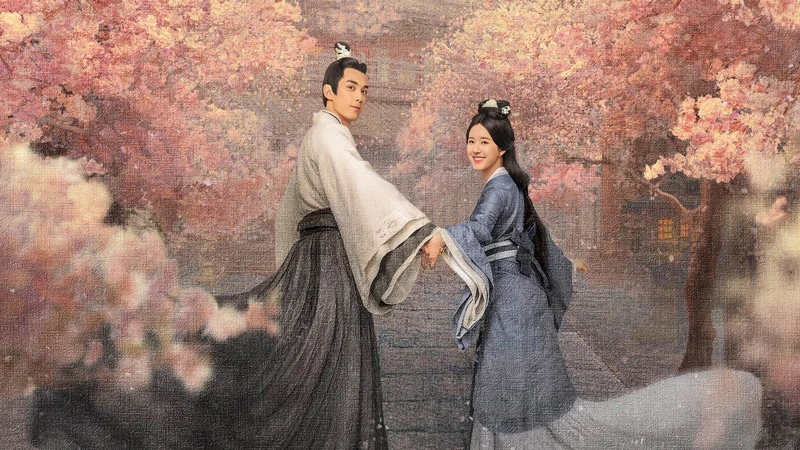
Top 8 Zhao Lusi's Period Dramas Recommendations
As one of China's most dynamic "post-95" actresses, Zhao Lusi has redefined the landscape of historical and fantasy dramas with her magnetic performances. Her works are not just entertainment—they are gateways to understanding Chinese culture, blending traditional aesthetics, mythological lore, and progressive themes. This guide recommend her top Period Dramas: Love Like the Galaxy·星汉灿烂·月升沧海 Aired: July 2022 Genres: Family Saga, Political Intrigue, Romance Period Background: Loosely inspired by the Han Dynasty (206 BCE–220 CE), with fictional kingdoms and war-torn landscapes. Adapted From: Xing Han Can Lan by Guan Xin Ze Luan. Cheng Shaoshang (Zhao Lusi), a neglected noble daughter, grows up in a family overshadowed by political ambitions. Abandoned by her parents during wartime and raised by a manipulative aunt, she survives by feigning ignorance while secretly honing her intellect and resourcefulness. Her life intertwines with Ling Buyi (Wu Lei), a general haunted by his mysterious past and driven by a quest for justice. Their relationship evolves from mutual distrust to a partnership that navigates familial betrayals, wartime chaos, and court conspiracies. The series delves into Confucian family dynamics, where filial piety clashes with personal ambition. Shaoshang's journey—from a marginalized "left-behind child" to a strategist who saves her nation—mirrors the… -
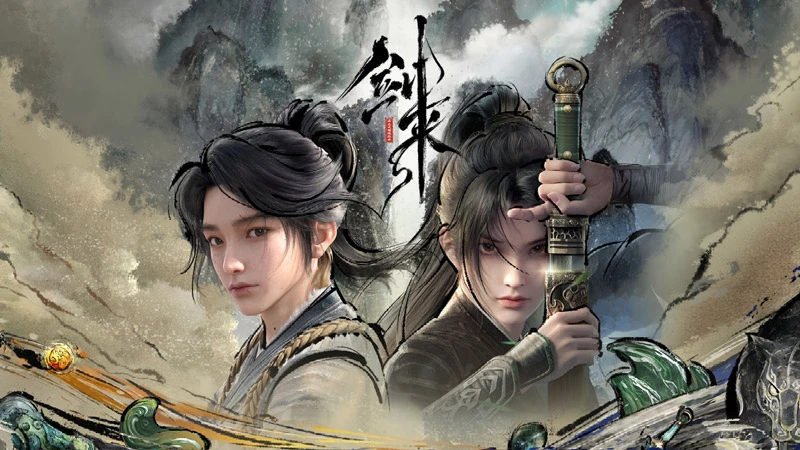
2025's Ultimate Guide to Xianxia Anime
2025 emerges as a landmark year for Xianxia (仙侠) — a genre blending immortal heroes, ancient mythology, and Taoist-inspired cultivation. This guide highlights the most anticipated Xianxia anime of 2025. Dive into epic tales of celestial battles, mortal struggles, and philosophical depth, all while immersing yourself in China's historical and mythological heritage. A Record of a Mortal's Journey to Immortality: Overseas Strife 凡人修仙传:外海风云 Aired: January 2025 (ongoing) Genres: Cultivation, Adventure, Political Intrigue Cultural Themes: Han Dynasty aesthetics, Confucian values, Taoist philosophy Based on Wang Yu's legendary novel A Record of a Mortal's Journey to Immortality, this highly anticipated arc follows Han Li, a pragmatic mortal navigating the treacherous world of cultivation. The Overseas Strife installment takes the story beyond the familiar sect conflicts and into uncharted maritime territories, where Han Li faces foreign cultivators, demonic sea creatures, and ancient island ruins hiding lost techniques. As an ordinary man relying on intellect rather than destiny, Han Li's journey encapsulates the enduring appeal of the underdog—a mortal striving for ascension in a world dominated by celestial elites. The animation's hyper-realistic art style, reminiscent of traditional Chinese landscape paintings, breathes life into mist-shrouded mountains, oceanic whirlpools, and intricately designed talismans. The attention to… -

Decoding Wang Churan’s Hanfu
During the CCTV Spring Festival special Golden Snake Dance: The Flavor of Chinese New Year (金蛇起舞•中国年味), actress Wang Churan (王楚然) made a stunning appearance in traditional Hanfu attire. However, it wasn’t her flowing robes that caught the audience’s attention—it was her hairstyle. Two neatly trimmed strands of hair framing her face led some viewers to question: Was this a nod to Japanese hime cut (公主切), or a genuine representation of ancient Chinese fashion? The Truth Behind the Hairstyle The hairstyle in question, known as chuishao ji (垂髾髻), dates back to the Han (206 BCE–220 CE) and Jin (266–420 CE) dynasties. Historical artworks like Admonitions of the Instructress to the Court Ladies (女史箴图) and The Wise and Benevolent Women (列女仁智图) depict women with high buns adorned with strands of hair neatly trimmed at the temples. This style, often enhanced with hairpieces, was a hallmark of aristocratic fashion during the Eastern Han Dynasty. The chuishao ji wasn’t just a random choice—it was a deliberate aesthetic statement. The trimmed strands, known as fenshao (分髾), were meant to frame the face elegantly, creating a balance between structure and softness. Archaeological findings, such as jade carvings from the Warring States period (475–221 BCE) and murals… -
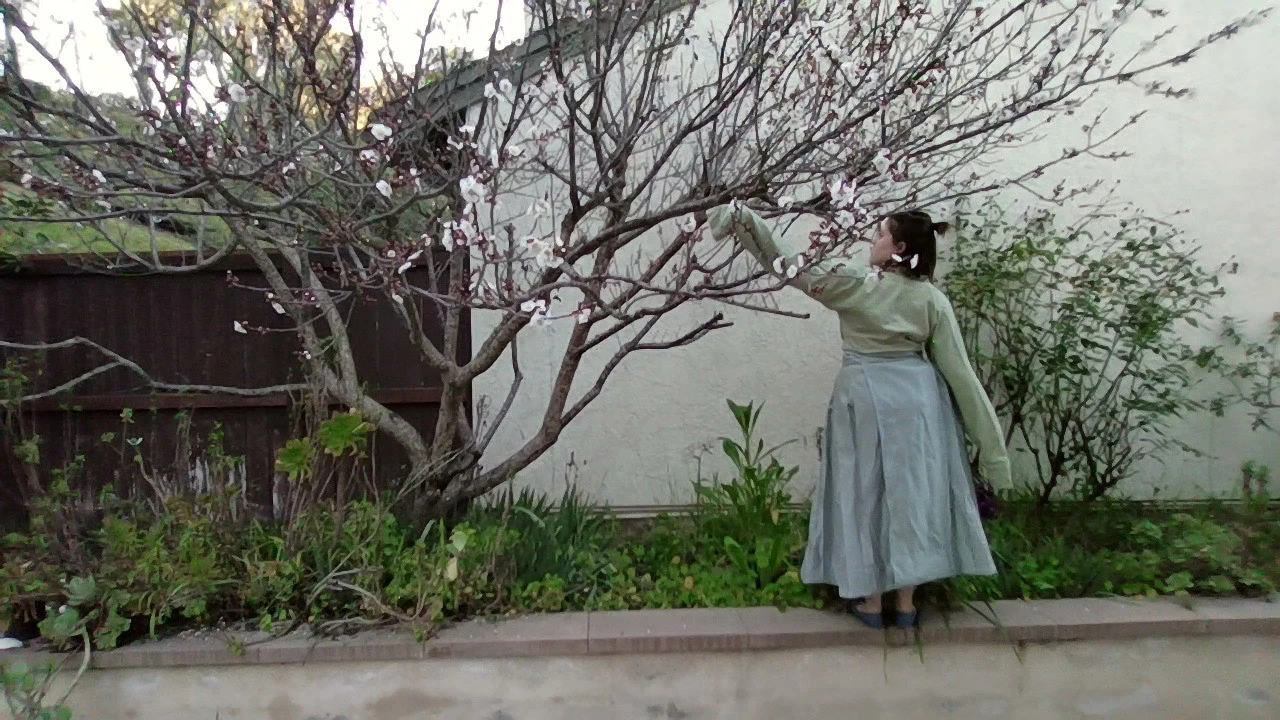
Finding Fabrics: "Thrifted" Hanfu Materials
Why should hanfu makers turn to thrift stores? For the deals, of course! -
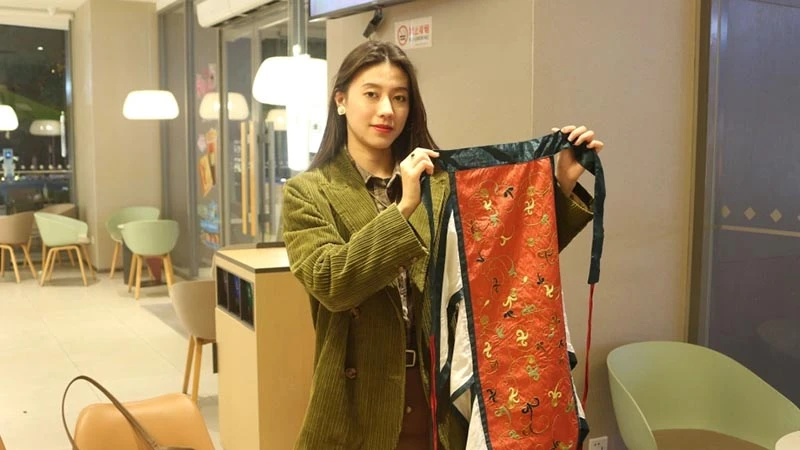
Breathing New Life into Wei-Jin Hanfu
In a world increasingly captivated by modern fashion, a young designer at Wuhan Textile University is proving that ancient styles can be just as enchanting. Li Yanjun (李艳君), a graduate student with a passion for traditional Chinese culture, has recreated the flowing garments of the Wei-Jin period, inspired by the legendary Luo Shen Fu painting (洛神赋图) by Gu Kaizhi (顾恺之). Her meticulous work, showcased in a serene photoshoot at the Qingchuan Pavilion (晴川阁), has garnered widespread acclaim, with her video on Bilibili amassing over 14,000 views. A Vision of Wei-Jin Hanfu Li's recreation draws directly from the Luo Shen Fu painting, a celebrated Eastern Jin masterpiece illustrating the romantic tale of Cao Zhi and the goddess Luo Shen. The attire, known as the "zaju chuishou" (杂裾垂髾) ensemble, includes a flowing daxiushan (大袖衫, large-sleeved robe), a banbi (半臂, short-sleeved garment), a biji (蔽膝, knee cover), and a ruqun (襦裙, skirt). Li spent 40 hours intricately embroidering a crimson biji with starry cloud patterns, a design chosen to reflect the ethereal nature of the goddess. “The biji is more than just an accessory,” Li explained. “Its triangular drape was key to the elegance and symbolism of Wei-Jin attire, marking status and adding…