
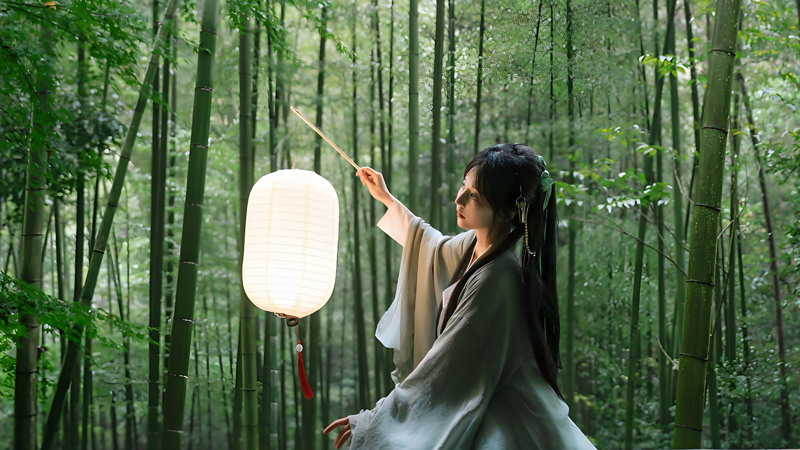
Imagine fabric whispering ancient verses. Picture sleeves swirling with the rhythm of classical poetry. This is the captivating reality where Hanfu, China's traditional attire, meets the timeless beauty of its poetic heritage. More than just clothing or words, they are living threads in the tapestry of Chinese civilization. When the flowing lines of Hanfu encounter the profound depths of poetry, a silent dialogue spanning centuries unfolds. It's a romance woven not with words alone, but with silk, linen, and the very essence of cultural memory. This encounter invites us to step beyond the page and the mannequin, to experience tradition as a vibrant, embodied art.
Fabric as Poetry
The very structure of Hanfu holds poetic resonance. Consider the elegant spirals of the Quju (曲裾) robe. Its graceful folds seem to cascade down the wearer's form, mirroring the dynamic energy of Li Bai's (李白) verses describing a waterfall's majestic plunge, Flying Down Three Thousand Feet. It's movement captured in cloth.
Contrast this with the airy lightness of the Qixiong Ruqun, an upper garment paired with a high-waisted skirt. Its gentle drape evokes the subtle, nurturing touch described in Du Fu's (杜甫) lines about a spring rain arriving unnoticed, Entering Silently with the Wind in the Night. The attire embodies quiet grace.
Then there's the straightforward elegance of the Zhiduo (直裰), a simple robe often worn by scholars. Its clean lines resonate with the powerful, unadorned spirit found in Su Shi's (苏轼) ode to the Yangtze River's relentless flow, The Great River Eastward Flows. Each stitch, each fold seems a physical echo of literary cadence, as if poets used needle and thread to embroider landscapes and emotions onto fabric canvases.
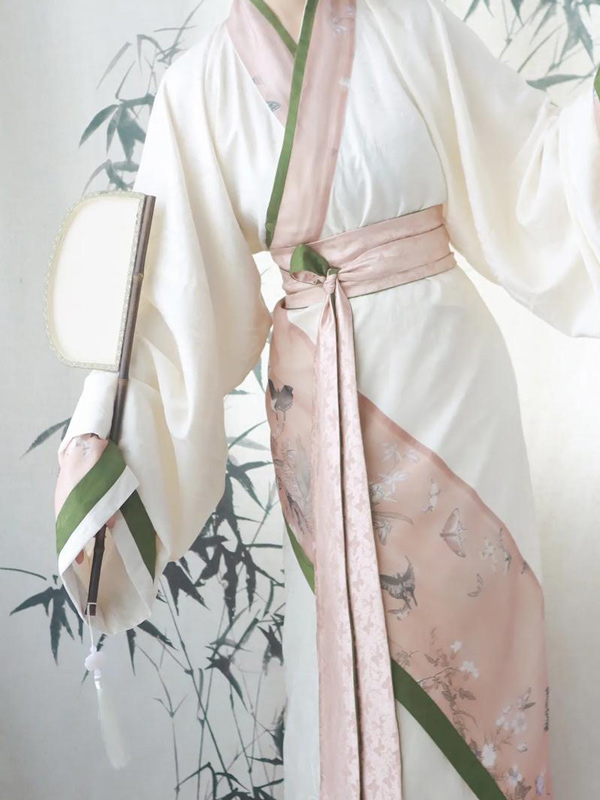
Conversely, poetry breathes life into Hanfu. Reading vivid descriptions transports us. Lines like "Silk sleeves welcome the spring breeze, jade-carved Qilin (麒麟) belts glow red" instantly conjure images of a beauty adorned in exquisite Hanfu, smiling softly amidst blooming flowers. The words paint the attire.
Similarly, verses such as "The north wind skillfully cuts ice flowers, silver robes reflect the sunset" vividly sketch a scene of a refined gentleman, clad in pristine white Hanfu, standing contemplative in a snowy landscape. Poetry transforms Hanfu from mere textile into a vessel of narrative and emotion. Each time the robes are worn, it feels like stepping into a conversation with poets from a millennium past.
Resonating Through Millennia
This ancient synergy vibrantly persists in our modern world. Donning Hanfu while strolling through a classical garden creates a tangible link to the past. Seeing lotus buds just piercing the water's surface, Tender Lotus Tips Peek, one might feel they've stepped directly into an idyllic poem, becoming its protagonist.
The fusion is powerfully showcased in contemporary events like poetry slams or recitation competitions. Participants often choose Hanfu, transforming the stage into a dynamic space where spoken words and swirling sleeves intertwine. The visual grace of the attire complements the spoken art, creating a multi-sensory cultural experience that resonates deeply with audiences.
For many young enthusiasts, the appeal of Hanfu extends far beyond its aesthetic beauty. It offers a profound sense of cultural grounding. The act of wearing these historical garments connects them to a lineage of elegance and wisdom, embodying the ancient adage that true refinement stems from inner cultivation – "Poetry and books within enrich one's spirit." It's a wearable connection to identity.
The revival of Hanfu allows us to physically touch threads of history, feeling the weight and texture of tradition. Simultaneously, the enduring love for poetry provides a wellspring of intellectual and emotional strength, drawn from centuries of distilled human experience. When Hanfu encounters poetry, it's a meeting of kindred spirits – two pillars of Chinese culture amplifying each other's resonance. This shared elegance transcends fleeting trends and physical distance, remaining profoundly moving across vast stretches of time.
Keeping Traditions Alive
The enduring connection between Hanfu and Chinese poetry is far from accidental. It represents the natural continuity of an ancient civilization. Both stand as invaluable treasures of Chinese culture, meticulously preserving unique aesthetic sensibilities and expressing deep-seated spiritual aspirations across generations.
In our era of relentless speed and digital saturation, this harmonious pairing offers a vital sanctuary. It invites us to slow down, to appreciate the deliberate artistry and layered meanings embedded within traditional forms. Whether feeling the drape of historical fabric or savoring the rhythm of classical verse, we reconnect with a slower, more contemplative mode of being.
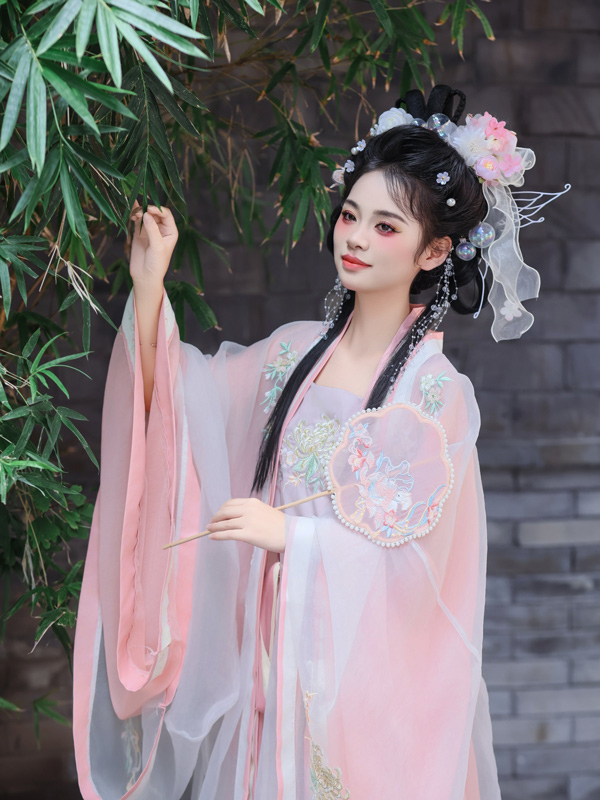
Sustaining this beautiful encounter is crucial. We must ensure that the sleeves of Hanfu continue to flutter, carrying with them the subtle fragrance of ink and parchment. Equally, we must ensure that poetic verses continue to vividly capture the elegance, history, and spirit embodied by Hanfu. They are partners in preservation.
May each of us discover a personal resonance within this confluence of fabric and verse. By embracing Hanfu and poetry in our modern lives, we become active participants in keeping tradition vibrant. We allow these ancient arts to shine with renewed brilliance, proving their timeless relevance. For truly, when flowing sleeves meet inked scrolls, the resulting harmony paints the most captivating landscape of culture imaginable.
