Article
Search results:
-
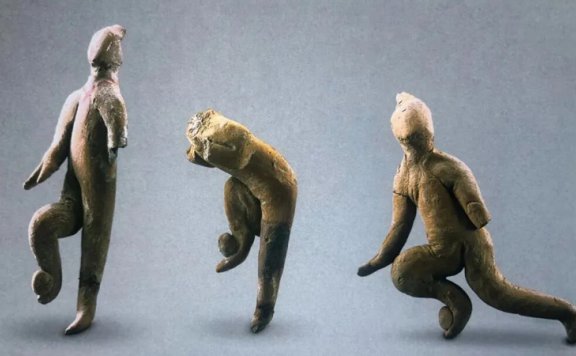
5 Eras of Joy Ancient China Without Phones
What did the ancients do for fun without smartphones? The question itself feels almost absurd to our modern minds, permanently affixed to glowing screens. We swipe, tap, and scroll through a digital universe, and the idea of a day without this constant connection can feel like a form of sensory deprivation. Yet, for millennia, people lived entire lives, rich with emotion and connection, in a world without a single watt of Wi-Fi. Their existence wasn't a monotonous gray waiting to be colored in by technology. Instead, they cultivated a vibrant tapestry of pastimes, from raucous street games to serene intellectual gatherings. This wasn't just about killing time; it was about building community, expressing creativity, and finding joy in the tangible world. Their story is a powerful reminder that the most profound entertainment often requires nothing more than imagination and each other's company. 1. Ritual to Rowdy Games The roots of ancient Chinese entertainment stretch back to a time when the spiritual and the social were one and the same. In primitive societies, the first "shows" were rituals. People didn't just pray for good harvests; they danced, they sang, they performed. This wasn't solemn boredom but a vibrant, communal act of… -
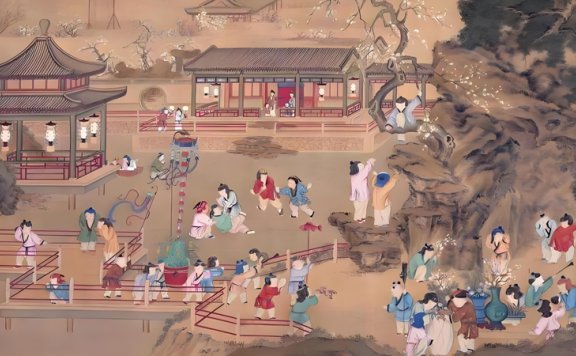
4 Rituals of Ancient Chinese New Year Joy
As you mindlessly tap your screen, competing with dozens of friends for a red envelope worth just a few yuan, have you ever wondered: did the ancients, who had no smartphones or WeChat, have a more exciting New Year than we do? In an era without electricity, the grandeur and ritual of their celebrations might far exceed our imagination. They weren't just celebrating a single day but orchestrating a grand ceremony spanning an entire month, filling the cold winter with warmth and anticipation. 1. Laba Festival (腊八节) The ancient "New Year" wasn't a one-day event but a systematic project that kicked off in the twelfth lunar month. The Laba Festival was the first signal. During the Northern and Southern Dynasties (420-589), Laba congee was already a northern staple. Records from the era describe a combination of drinking congee, making sacrifices, and driving away plagues—a series of actions that opened the festive prelude. It was a practical way to mark the transition, a communal effort to ward off the old year's ills and welcome a fresh start. The real highlight came on the 23rd or 24th of the twelfth month: the ritual of bidding farewell to the Zao Shen (灶神), or… -
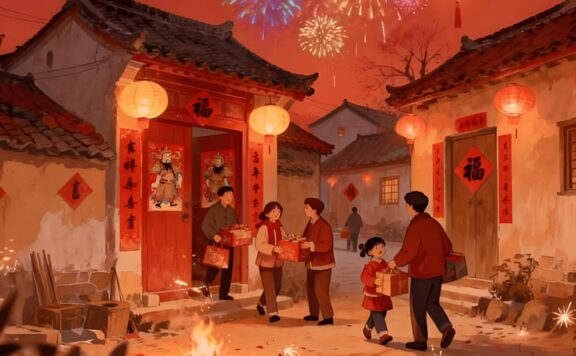
5 Days of Chinese Lunar New Year Traditions
What happens when an ancient civilization’s most cherished family celebration becomes a global treasure? On December 4, 2024, in Asunción, Paraguay, Spring Festival—officially titled "Spring Festival, social practices of the Chinese people in celebration of the traditional New Year"—was inscribed on the UNESCO Representative List of the Intangible Cultural Heritage of Humanity. This decision places China's 44-day festival cycle among the world's most significant cultural practices. But the Spring Festival is more than a date on the calendar; it is a living, breathing organism that has evolved for centuries. While the term "Spring Festival" is relatively new—popularized in 1914 to distinguish the lunar New Year from the newly adopted Gre、gorian calendar—the traditions it encompasses are ancient. It is a time when modern China, with its skyscrapers and smartphones, pauses to reconnect with rituals that honor gods, ancestors, and family. The festival is a journey through the first five days of the lunar New Year, each carrying distinct meanings and practices that bind communities together. New Year's Dawn The first day of the lunar calendar, known as Chun Jie (春节), is a symphony of sensory overload. At the stroke of midnight, the world explodes in sound and light. Firecrackers, or Bao… -
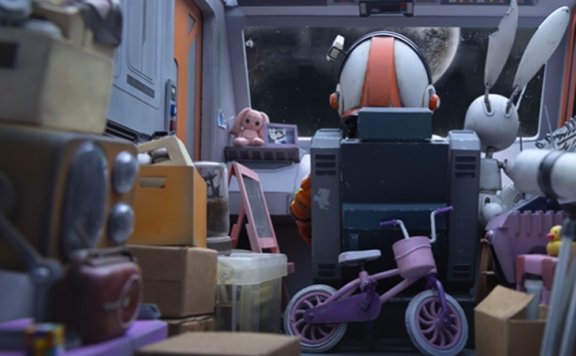
Yao-Chinese Folktales: The Cost of Artificial Love
What happens when a machine is built for one purpose—to love and serve—but the humans it's programmed to adore simply walk away? This question lingers long after the closing credits of Yao-Chinese Folktales (中国奇谭), particularly after its final chapter, Jade Rabbit. The episode presents a seemingly simple tale of a stranded astronaut and a lone robot on the moon, but beneath its charming stop-motion surface lies a deeply unsettling moral puzzle. It forces us to confront a reality we are not yet ready to face: we are creating entities capable of exhibiting unwavering loyalty and love, yet we have built no framework—emotional, ethical, or legal—for what we owe them in return. This isn't a story about the future of technology; it's a story about the future of human responsibility. A Lonely Moon and a Loyal Guardian The narrative drops us onto a desolate lunar surface where Wang Xiaoshun (王小顺), a down-on-his-luck space sanitation worker, crash-lands after a mishap. With his ship dead and rescue unlikely, he sees no reason to continue. He feels like space junk, forgotten by a world that only cares about wages and bills. His suicidal attempts are comically interrupted by an unexpected resident: a small, wide-eyed… -
Yao-Chinese Folktales 2: The Weight of Home and Face
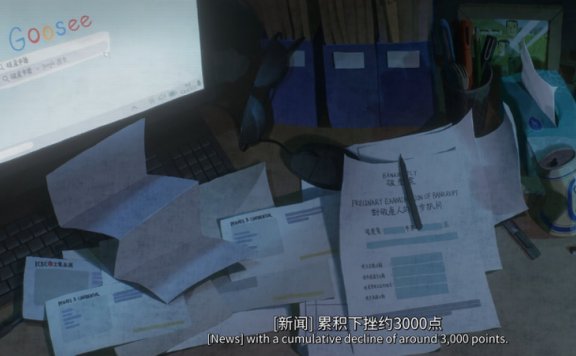
As the Lunar New Year approaches, a familiar anxiety creeps into the hearts of millions living away from their hometowns: Is it okay to go back if you haven't "made it"? This poignant question is at the very core of "Worshiping the Ancestors," the seventh episode of the acclaimed animated series Yao-Chinese Folktales 2 (中国奇谭2). Released just before the holiday, the story arrives like a mirror held up to the soul of every wanderer, reflecting our deepest insecurities about success, family, and belonging. It moves beyond a simple tale of returning home, using elements of fantasy to dismantle the very pressures that keep us away. The Weight of "Face" and the Loneliness of the City The episode introduces us to A Yuan (阿远), a young man adrift in Hong Kong. His reality is a montage of modern urban despair: instant noodles for dinner, a blaring TV reporting a crashing stock market, and a desk cluttered with bankruptcy papers. He is the embodiment of the "struggling drifter." When his father calls to invite him home for the ancestral rites, A Yuan’s instinct is to refuse. He is ashamed, believing his failure is a visible stain that everyone back home will see.… -
The Hidden Meaning of Li Shaoying’s Iconic Accessory
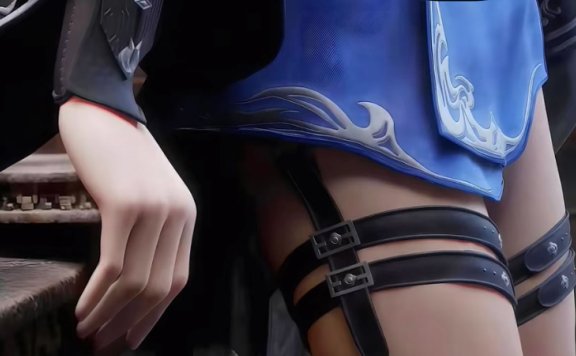
Fans of the animated series The Demon Hunter (沧元图) can't stop talking about a peculiar detail on the character Li Shaoying (李少英): her thigh strap. Is it merely a decorative afterthought, or does it serve a greater purpose in defining who she is? This article peels back the layers of this subtle design choice, exploring how it transitions from a visual enhancer to a narrative symbol. By examining its role in aesthetics, combat identity, and cultural context, we uncover why this small accessory is a masterstroke in character building—one that proves no detail is ever truly insignificant. Filling the Visual Gap with Purpose At first glance, the thigh strap on Li Shaoying's leg is an undeniable boost to her visual appeal. The character is crafted to embody a blend of regal elegance and martial sharpness—her double bun hairstyle paired with a golden forehead chain, flowing purple robes, and long, defined legs. Without the strap, that streamlined leg line might feel incomplete or visually abrupt, disrupting the outfit's layered sophistication. The accessory acts as a subtle anchor, drawing the eye and creating a balanced silhouette that feels intentional rather than accidental. Its design is deliberately understated, avoiding the flashiness of bulkier… -
Tang Ya’s Bittersweet Liberation and a Fading Life
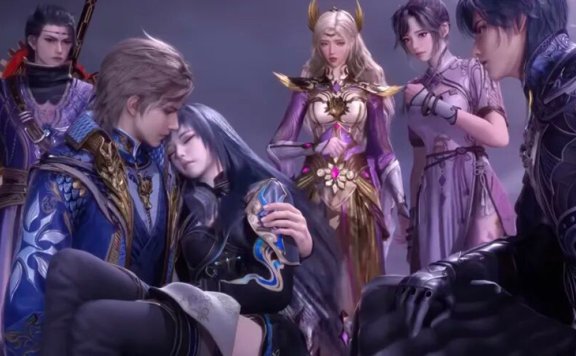
Can one woman's sacrifice illuminate the path to redemption in the dark world of The Peerless Tang Clan (绝世唐门)? The latest episodes deliver a profoundly emotional turning point as Tang Ya is finally rescued from a decade of torment. Her liberation, however, is not a triumphant return but a somber victory shadowed by a devastating price. Freed from the clutches of the Holy Spirit Church, she returns to Bei Bei (贝贝) and the Tang Sect not as a savior, but as a fading echo of her former self, her life hanging by the thinnest of threads. This rescue marks the beginning of a more painful struggle, one fought not against external enemies, but against the poison consuming her from within. A Bittersweet Liberation The rescue mission, led by a determined Bei Bei, is a masterclass in tense, heartfelt storytelling. Upon finding Tang Ya, it is clear that her time in the Holy Spirit Church has left deep scars. While the Church, under Zhong Liwu’s (钟离乌) directive, invested heavily -in her, raising her cultivation to the eighth level and corrupting her spirit rings, it came at a horrific cost. Her iconic high ponytail is gone, replaced by loose, lifeless hair that… -
Perfect World: The Tianren Elder’s Regretful End
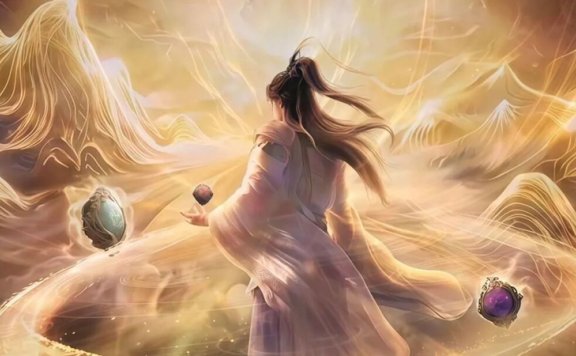
What really finished off the Elder who crushed Shi Hao the hardest in Perfect World (完美世界)? It wasn't an enemy blade, but a regret he couldn't outrun. For hundreds of years, this ancient patriarch of the Tianren (天人) clan treated the young Shi Hao (石昊) as his personal demon, throwing everything he had into grinding him down. Yet in the end, the man who survived the legendary Immortal Ancient era couldn't survive his own pride. He didn't fall in glorious battle against the alien Other Domain. Instead, he withered away in a lonely temple, haunted by the very fate he tried so desperately to crush. The Seed of Destruction: A Debt Repaid with Daggers The war between the Elder and Shi Hao began not on some grand battlefield, but with an act of kindness. When Shi Hao escorted the Tianren clan's own Yunxi (云曦) home safely, it should have been a moment of gratitude. But the Elder saw only opportunity, not obligation. His ancient eyes, hardened by survival, fixated on the treasures Shi Hao carried—the mythical Kun Peng (鲲鹏) technique and the Thunder Emperor method. To him, a young outsider was nothing more than a vessel to be drained. He… -
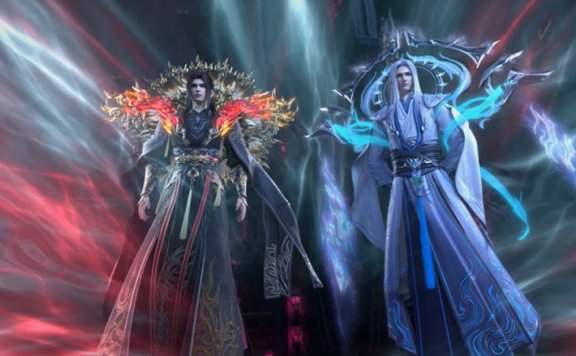
Battle Through the Heavens: Xiao Yan’s Spiritual Ascension in Battle
The latest arc of Battle Through the Heavens (斗破苍穹) delivers a cathartic and explosive confrontation as Xiao Yan (萧炎) and his master, Yao Lao (药老), finally bring the fight to the Hall of Souls. The long-awaited assault on the Human Hall is not just a battle; it is a declaration of war against an ancient enemy. With the power of a Dou Saint now at their command, the duo slices through the Hall's defenses, turning the fortress into a stage for vengeance. This clash is packed with emotional reunions, the retrieval of lost treasures, and a showcase of overwhelming power that fans have been waiting for. The episode masterfully blends high-stakes action with the satisfaction of seeing years of plotted revenge come to fruition, setting a new benchmark for the series' animated battles. Slaughter and Reunion in the Human Hall The moment Xiao Yan and Yao Lao step into the Human Hall, the atmosphere shifts from oppressive authority to sheer panic. The duo wastes no time, unleashing their Dou Saint-level abilities on the unprepared guards. For the first time, viewers truly feel the oppressive weight of a Saint's power as the Hall's elite fighters, all starting at the Dou Zun… -
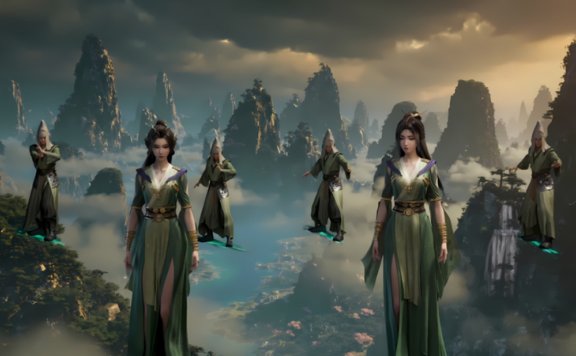
A Mortal's Journey: Why Liu Yu Never Wears Shoes
When a friend recently started watching A Mortal's Journey (凡人修仙传), they grabbed me after just two episodes with a burning question: "Why does Liu Yu (柳玉) go barefoot the entire time?" Scroll through any comment section, and you'll find fans speculating wildly. Some claim the animation team got lazy. Others suggest the character has a quirky personal habit. But as someone who has followed this series for years, I sat my friend down to explain the real story. Liu Yu's bare feet aren't a mistake or an oversight. They represent one of the most thoughtful character details in modern Chinese animation. Poverty Meets Practicality in the Cultivation World Let's start with the most straightforward explanation. Liu Yu is a rogue cultivator (散修)—a rogue cultivator operating outside the established sect system. In the brutal hierarchy of cultivation, these independent practitioners struggle at the very bottom. They receive no resources, no protection, and certainly no uniform allowances from powerful masters. When we first meet Liu Yu, she has fought her way to the Core Formation stage through sheer grit and desperation. Given how hard she scrapes for every spiritual stone and medicinal pill, does anyone truly expect her to prioritize footwear? The… -
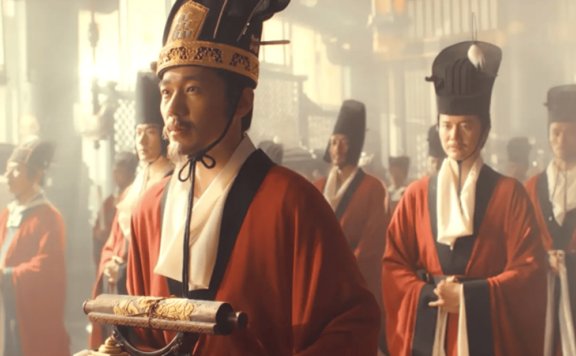
What Really Happened in the Finale of Swords into Plowshares?
The finale of the historical drama Swords into Plowshares (太平年) has left audiences oscillating between sorrow and astonishment. While the narrative arc concludes with the long-anticipated surrender of Wuyue (吴越) to the Song Dynasty, it masterfully omits certain graphic historical details while weaving in surprisingly creative elements like the origin story of the Hundred Family Surnames (百家姓). This ending is not merely a conclusion but a thoughtful reflection on the costs of unification, the complexity of loyalty, and the quiet heroes who shaped a peaceful era. It moves beyond simple historical reenactment to explore the human motivations behind grand political maneuvers. The Thirty-Year Chess Game: A King's Calculated Surrender The most compelling revelation in the finale is that Qian Hongchu's (钱弘俶) decision to surrender his kingdom was not a last-minute concession but the culmination of a thirty-year master plan. For over three decades ruling Wuyue, he was not just governing; he was meticulously preparing to hand over a prosperous, well-administered region to the Central Plains dynasty. It suggests his foresight extended back to the era of Guo Rong (郭荣), indicating a deep-seated belief that unification was inevitable and that the best way to protect his people was to prepare for… -
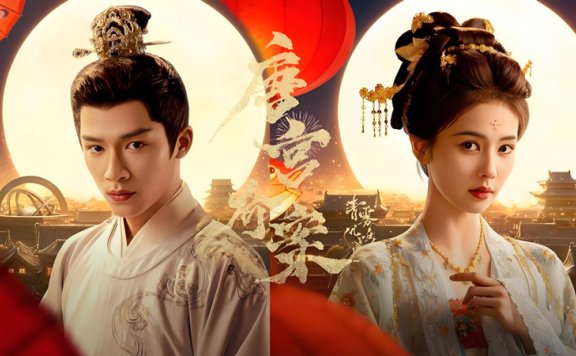
Unveil: Jadewind – Fight for Freedom in a Gilded Cage
At 2 a.m., with the city silent outside the window, the haunting image of that blue-tinted fog refused to fade. Two days ago, Unveil: Jadewind (唐宫奇案之青雾风鸣) premiered, and clicking on it with the casual skepticism reserved for another formulaic period drama, the cold, eerie color palette of the opening credits unexpectedly struck a chord. It wasn't the bizarre murder that resonated, but the suffocating sense of a gilded cage within the Tang palace—a feeling that felt intimately familiar to the modern soul. When Extravagance Masks a Silent Scream The show's genius lies not in its "mystery," but in its "pain." It uses breathtaking visuals to wrap a story about being trapped. One image from the Lantern Festival night lingers: the "Blissful Death." Envoys from all lands pay tribute, the drumming and singing are deafening, and Chang'an (长安) is a magnificent illusion. In this peak of revelry, the Ning Yuan (宁远) Princess collapses silently. Yet, the laughter continues, the toasting hands don't pause. Her death is a pebble dropped into the deep sea, swallowed without a ripple by the wave called "Prosperous Era." It's a terrifying mirror to modern life—dying a little inside from exhaustion and emptiness while the world celebrates… -
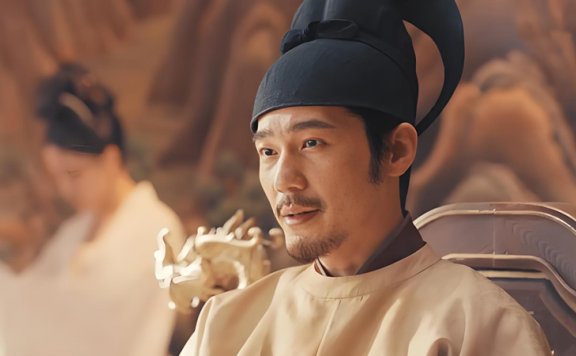
The Agony of Peace in Swords into Plowshares
For weeks, viewers have been glued to the historical drama Swords into Plowshares (太平年), watching the tense political standoff between the Song Dynasty and the Wuyue Kingdom. As the series barrels toward its finale, all eyes are on Qian Hongchu (钱弘俶), the King of Wuyue (吴越), and his monumental decision to surrender his land and power. But beneath the surface of grand ceremonies and imperial favor, a darker game of ambition and betrayal was being played. The final episodes reveal that the true master of strategy was not the charismatic Emperor Zhao Kuangyin (赵匡胤), but his seemingly loyal brother, Zhao Guangyi (赵光义). His act of holding the reins for Qian Hongchu was not a sign of respect, but a calculated move in a decades-long plan for absolute power. The Impossible Decision: Surrendering a Kingdom Qian Hongchu’s journey toward Natu Guisong (纳土归宋), the act of surrendering his territory to the Song Dynasty, was paved with immense personal and political turmoil. For the King of Wuyue, this was not a simple handover but a heart-wrenching choice between the pride of his ancestors and the safety of his people. He knew that resistance would mean rivers of blood, yet submission felt like a… -
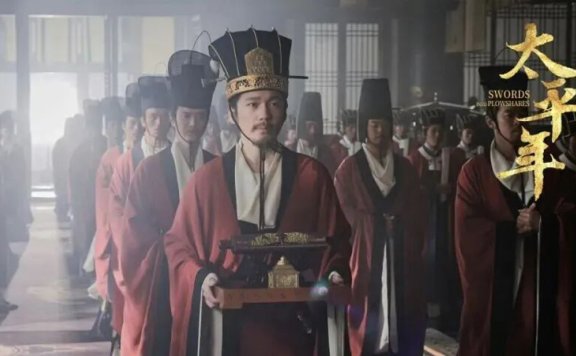
Qian Hongchu’s Sacrifice for Wuyue’s Peace
What if peace, not conquest, was the greatest power move in ancient China? The 2026 historical drama Swords into Plowshares (太平年) has captivated audiences by shifting the spotlight from the familiar tales of Song dynasty founder Zhao Kuangyin (赵匡胤) to a seldom-told story of sacrifice. Set in the turbulent final years of the Five Dynasties and Ten Kingdoms period, the series focuses on Qian Hongchu (钱弘俶), the last ruler of the Wuyue (吴越) Kingdom. His agonizing decision to surrender his realm to the burgeoning Song dynasty—a move known as Natu Guisong (纳土归宋)—forms the emotional core of the narrative. This drama does not just reenact battles; it explores a profound question: how does a chaotic world find peace? To truly appreciate the weight of Qian's choice and the turbulent era he inhabited, one must dig into the historical soil. The following books offer a pathway to understanding a period often overshadowed by the dynasties that bookend it, revealing the political savvy, human emotion, and enduring legacy behind the drama's compelling plot. The Man Who Chose to Lose The genius of Swords into Plowshares lies in its perspective. Standard historical narratives of this era glorify the winners, like Zhao Kuangyin, the founder… -
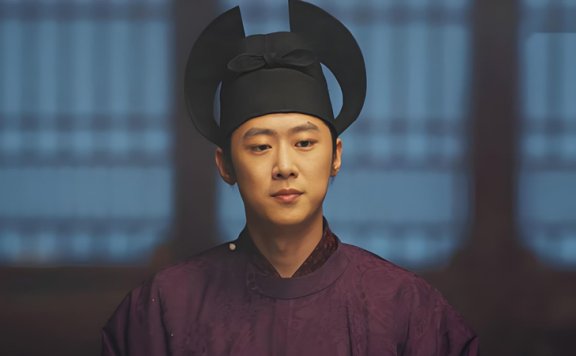
Power’s Cruel Price in Swords into Plowshares
What happens when a young king's indecision leads to a coup, and the brother he tried to sacrifice becomes his jailer for 23 years? The Chinese historical drama Swords into Plowshares (太平年) has reached its halfway point, plunging viewers into the turbulent heart of the Ten Kingdoms period. The show masterfully depicts the lethal power struggles within the Wuyue (吴越) kingdom, where family bonds are weapons and thrones are won with blood. At its core is a gripping, real-life tale of two brothers—Qian Hongzong (钱弘倧) and Qian Hongchu (钱弘俶)—whose relationship was shattered by ambition, betrayal, and the cold, hard logic of survival. It’s a story that asks a haunting question: after the main villain dies, why won't the new king free his imprisoned brother? The answer reveals a chilling truth about the nature of power. A King's Fatal Indecision The trouble began not with a villain, but with a young, inexperienced ruler. When King Qian Hongzuo (钱弘佐) died, the throne passed to his brother, Qian Hongzong. The late king had left a clear strategy to manage the kingdom’s most powerful and dangerous figure, the veteran official Hu Jinsi (胡进思). The plan was simple: either kill Hu Jinsi decisively to remove… -
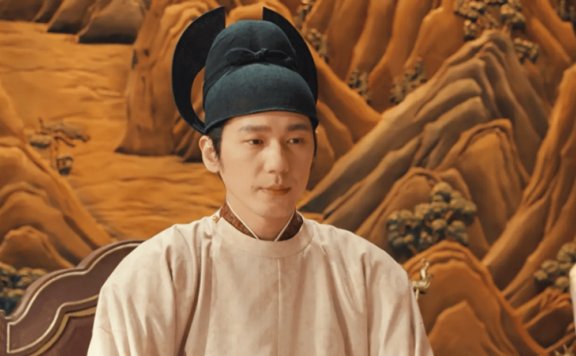
Love Hides In Royal Conspiracies in Swords into Plowshares
In the bloodstained chess game of the Wuyue Kingdom (吴越国) court, where power shifts like sand through an hourglass, a young king fights for survival while three women vie for a heart that may belong to none of them. A Throne Forged in Crisis and a Queen's Swift Transformation The crown of Wuyue was never a comfortable seat. First, Qian Hongzuo (钱弘佐) passed away, swiftly followed by Qian Hongzong's (钱弘倧) brief, disastrous reign. Within months, the powerful minister Hu Jinshi (胡进思) deposed him, plunging the court into chaos. It was onto this unstable stage that Qian Hongchu (钱弘俶) stepped, a man seemingly built for the role. Unlike his predecessors, he possessed the sharp intellect and decisive will to bring powerful figures like Hu to heel, quickly stabilizing a kingdom on the brink. This upheaval remade those around him, none more so than his wife, Sun Taizhen (孙太真). The playful, spirited girl who had once roamed the palace vanished. In her place stood a woman of steel and strategy. When Qian Hongchu fell into a mysterious coma, leaving the kingdom vulnerable, Sun Taizhen did not weep. She acted. She sealed the palace gates, severing all communication with the outside world. It… -
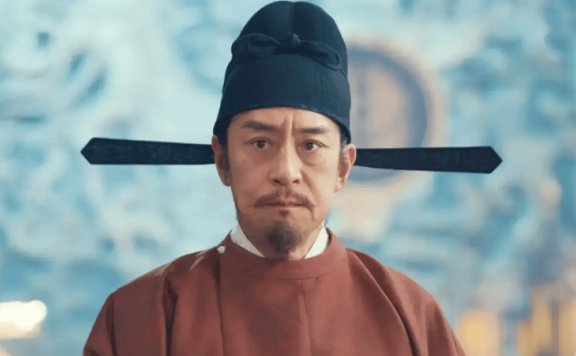
Feng Dao’s Legacy in Swords into Plowshares
When a wise minister passes from the scene, the delicate balance of an empire often crumbles with him. The historical drama Swords into Plowshares (太平年) uses the death of the legendary counselor Feng Dao (冯道) as its pivotal turning point, forcing viewers to re-examine the fates of two key rulers: Guo Rong (郭荣) and Qian Hongchu (钱弘俶). Feng Dao was more than a politician; he was the anchor of stability across multiple dynasties. His departure left a power vacuum that no military campaign could fill. Without his steadying hand and strategic foresight, the young emperor Guo Rong pushed himself to a fatal end on the battlefield. Meanwhile, in the lush south, King Qian Hongchu of Wuyue (吴越) found himself isolated, his diplomatic flexibility no match for the changing tides of a unified empire. The narrative cleverly suggests that Feng Dao's death was not just the end of a man, but the end of an era—an era where personal loyalty and measured governance might have prevented the brutal conquests and forced surrenders that followed. The show paints a picture of what could have been, highlighting how the absence of a single voice of reason reshaped the destiny of a nation. The… -
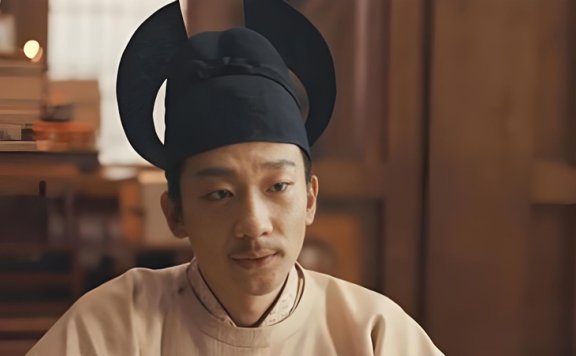
Distrust Breeds Plots, Wisdom Saves The Realm
In the intricate dance of power, suspicion is often a ruler's most loyal companion, whispering doubts about every friend and every foe. But what happens when this shadow grows so large it blinds a king to the truth, paving the way for a merchant to steal his throne? The historical drama Swords into Plowshares (太平年) plunges into this very dilemma, unraveling a court conspiracy where trust is the rarest currency. It tells the story of Qian Liulang (钱六郎), a newly installed king of the Wuyue (吴越) kingdom, whose deep-seated paranoia becomes the perfect weapon for a scheming businessman. Yet, his near downfall offers a timeless lesson on leadership, contrasting sharply with the historical tragedy of Xiang Yu, a warlord who was not so fortunate. This is a tale of how one clear-headed advisor can dismantle a coup, and how a leader's willingness to listen can mean the difference between survival and collapse. The Lonely Throne and the Merchant's Gamble When Qian Liulang ascended to the throne of Wuyue, he found himself surrounded by ghosts of loyalty rather than living allies. Distrustful of his own brothers and the old nobility who had served his family for generations, he felt utterly isolated.… -
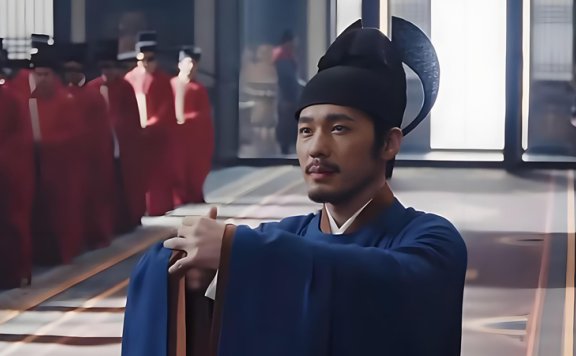
6 Women’s Struggles in Swords into Plowshares
What happens to women when empires fall and kings submit? History textbooks rush through the chaos with dates and battle names, rarely pausing to ask: where were the wives, the mothers, the queens? The Chinese television drama Swords into Plowshares (太平年) refuses to look away. It pulls viewers into the turbulent tenth century, when the Five Dynasties and Ten Kingdoms clawed at each other’s throats. At the center stands Wuyue (吴越) King Qian Hongchu (钱弘俶), a man who cooperated with Song Emperor Zhao Kuangyin (赵匡胤) to destroy the Southern Tang. But the show’s real heartbeat belongs to its women. They are not merely ornaments to male ambition. They are pawns, survivors, victims, and, occasionally, victors in a game they never chose to play. Their six very different endings reveal the brutal truth about "peace" won through swords and submission. 1. Madam Yu (俞大娘子) Madam Yu operates on a different level from the desperate noblewomen trapped in palaces. She controls Huanglong Island (黄龙岛), commanding a fleet of warships and trade vessels that would make any warlord envious. Her wealth is not inherited; it is built. She navigates the shifting alliances between Wuyue, the Later Zhou (后周), and the rising Song dynasty… -
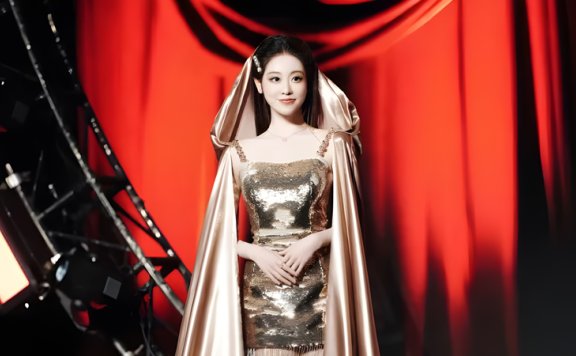
Zhu Xudan Shines in Golden Sequin Gown and Champagne Cape
Have you ever seen a look so dazzling it stops you mid-scroll? That is exactly the effect Zhu Xudan (祝绪丹) achieved with her recent show-stopping appearance. Draped in a sparkling gold dress paired with an extravagant champagne cape, she presented a vision of pure royalty. The moment her photos surfaced online, it was clear this was not just another celebrity outing; it was a declaration. She masterfully balanced commanding, queen-like presence with an undercurrent of youthful spirit, creating a visual impact so powerful it sparked immediate conversation and admiration across social media. This was fashion as a statement, and she delivered it flawlessly. Dripping in Gold: A Detailed Look The foundation of the ensemble was a short strapless dress covered in shimmering gold sequins. Under the lights, these scale-like embellishments caught every beam, creating a brilliant, textured effect that felt both luxurious and modern. It was the delicate fringe at the hemline, however, that added a layer of magic, swaying gently with her every movement and injecting a sense of lively rhythm into the stately look. The choice was a clever one, highlighting her elegance without sacrificing an ounce of her inherent youthfulness. But the true masterpiece was the long,…