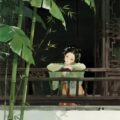

Amidst a sea of predictable plots, Unveil: Jadewind (唐宫奇案之青雾风鸣) introduces a compelling shift by anchoring its story in procedural realism and female expertise. Set within the intricate bureaucracy of the Song (宋) dynasty, it follows Zhao Ming (赵明), a meticulous investigator whose authority stems from her deep understanding of court protocols. She dissects clues without supernatural aid, relying instead on astute observation and logical deduction.
Here, the palace operates as a structured institution, with clear roles and responsibilities. Zhao Ming's collaboration with Scholar Li (李学者) emphasizes professional synergy over romantic entanglement, reflecting a modern approach to partnership. The narrative avoids sensationalism, focusing instead on the subtle mechanics of power and perception.
This series transforms historical setting into a lens for examining systemic dynamics, offering viewers a nuanced perspective on agency and hierarchy. Its grounded storytelling provides a refreshing alternative to ornate dramas, proving that depth can arise from simplicity and intelligence.

Tang Dynasty Shadows: A Palace of Truth and Illusion
In a landscape saturated with historical fantasy, one series dares to reimagine the past not as a backdrop for romance, but as the intricate, breathing machinery of a mystery. This is not merely a costume drama; it is an architectural blueprint of power, a psychological map of a world where every gleam of gold and ripple of silk hides a potential clue. The achievement lies in its dual commitment: to resurrect a vanished world with tangible authenticity, and to populate that world with puzzles that feel both astonishing and inevitable.
Architecture of Authenticity
The series treats the Tang Dynasty court not as a glittering stage but as a functional, pressurized ecosystem. The setting, Xijing City (西京城), is conceived as a chessboard—a geometric maze of authority and confinement. This spatial design is a narrative device. Wide aerial shots establish the palace's imposing scale, while extended tracking shots through its corridors amplify a claustrophobic tension, making the walls themselves feel like silent participants in the unfolding drama.
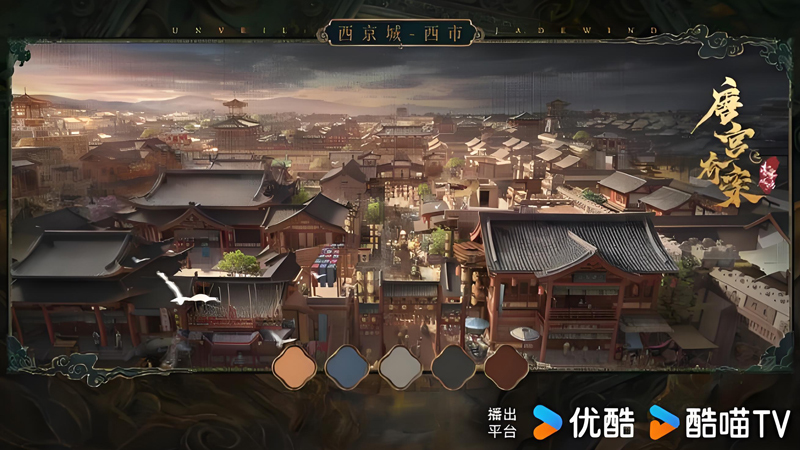
This authenticity extends to the smallest details. Historical consultants and art departments collaborated to rebuild the era’s aesthetic logic. Color palettes are meticulously extracted from surviving Dunhuang (敦煌) frescoes, with shades of white alone differentiated into categories like ‘oriental dawn’ and ‘congealed fat’. This isn't decorative; it’s a visual language. Props are never just ornaments. A hairpin, a silk handkerchief, or a dish of finely sliced fish—shown in deliberate close-up—becomes a potential piece of evidence, inviting the audience to scrutinize every frame.
The true foundation is its depiction of Tang social codes. Protocols, legal statutes, and the minutiae of daily life for everyone from nobility to servants are woven into character behavior. This rigorous groundwork transforms the palace from a set into a credible, rule-bound society. It has a heartbeat and a hierarchy, making the extraordinary events that occur within its walls not just possible, but plausible.
Light, Shadow, and Substance
Visual storytelling here is a masterclass in atmosphere and implication. Lighting is a primary tool. In an age before electricity, the drama harnesses the limited glow of candles and lanterns. These flickering sources cast dynamic shadows across characters' faces, deliberately obscuring intent and blurring the lines between innocence and guilt. The very light is untrustworthy, visually reinforcing the central theme of deception.
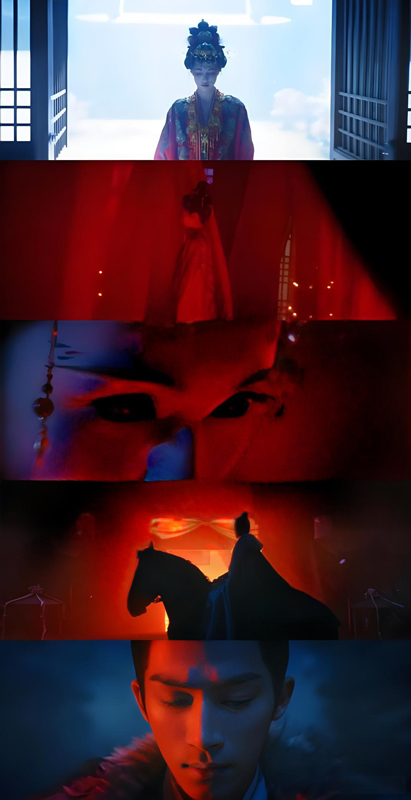
This technique creates sequences of remarkable psychological tension. The arrival of a menacing Yaksha figure, though later explained through human means, delivers a genuine shock through its eerie presentation. In the “Bloom on the Wall” storyline, a mysterious, glowing pattern on a surface creates an aura of supernatural beauty, which is then violently shattered—a narrative twist achieved through potent visual contrast.
The purpose is never spectacle for its own sake. Each visual marvel is tightly bound to the plot’s progression. The oppressive grandeur of the architecture mirrors the constraints on its inhabitants. The beautiful, yet often stifling, details of costume and object remind us that splendor can be a gilded cage. The camera guides the viewer to look closer, to question surfaces, making the audience an active detective alongside the characters.
The Palace as Workplace
Perhaps the series’ most significant innovation is its treatment of the Tang palace as a complex, brutal workplace. It moves beyond the familiar trope of concubine rivalries to examine a full societal microcosm. Here, eunuchs, physicians, female officials, and maids are not mere background figures but individuals with agency, ambitions, and vulnerabilities, all navigating a rigid bureaucratic system.
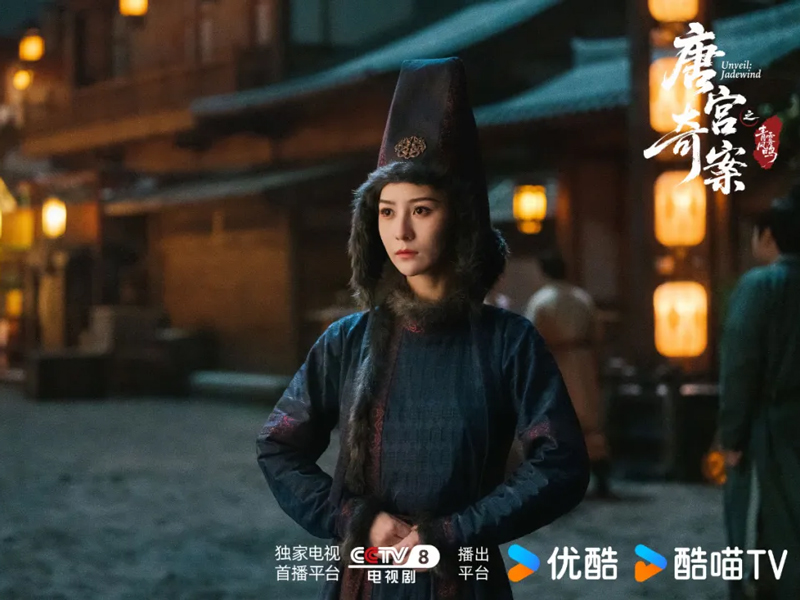
Characters like Li Peiyi (李佩仪) and Xiao Huaijin (萧怀瑾) operate within this defined professional hierarchy. Their struggles are not only personal but systemic. The plight of Princess Ningyuan (宁远), forced into a political marriage, is presented not as a singular tragedy but as a result of institutional pressures that weigh on all women within the system, regardless of rank. Their identities are their most burdensome shackles.
By grounding its “strange cases” in this network of real human relationships and bureaucratic logic, the series finds its unique power. The mysteries feel “strange” because they expose the hidden fractures and desperate gambits within a perfectly ordered world. The pain is real, the motivations are human, and the solutions are satisfying because they emerge from the very rules the show has so carefully established. It proves that the deepest mysteries are not supernatural, but profoundly, compellingly human.

The Palace Investigator
In the hushed corridors of power, where history often records only the deeds of emperors and generals, a different kind of figure moves through the shadows. This is not a story about a crown, but about clarity; not about royal decree, but about resonant truth. It centers on a seeker navigating a world designed to silence, whose tools are perception, intellect, and a profound understanding of the human heart within gilded cages. Her journey redefines strength, framing justice not as a pronouncement from above, but as a meticulous process of uncovering hidden stories and challenging the very structures that bind them.
A Dual-Crafted Lens
Li Peiyi exists in a space between worlds. She holds the title of County Mistress of Fuchang (福昌), granting her familiarity with the intricate social tapestry of the inner palace. Simultaneously, she serves as an investigator for the Internal Surveillance Bureau, an role providing the authority to question and pursue. This dual identity is her greatest asset. She is neither a detached outsider nor a fully indoctrinated insider. Her perspective is hybrid, allowing her to see the palace’s grandeur and its grim realities with equal sharpness. She understands its formal protocols and, more importantly, the unspoken languages of its inhabitants.
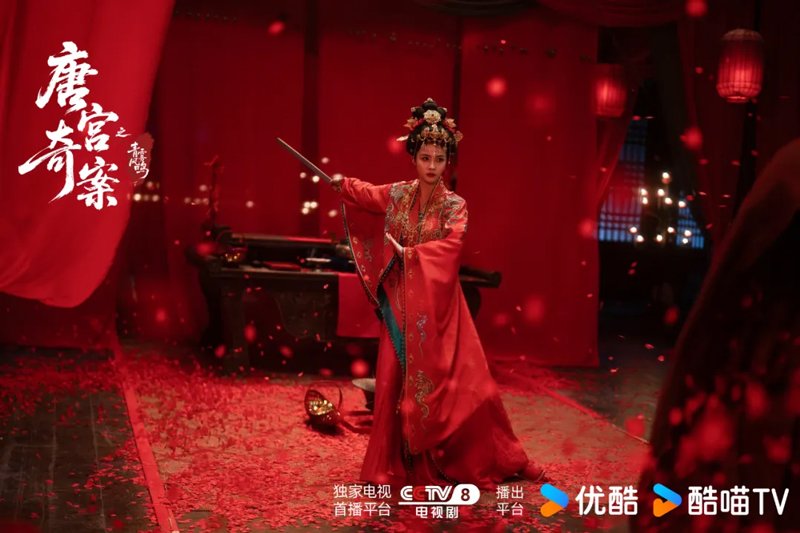
This position affords her a unique empathy. Having grown within these walls, her knowledge of the women there—from consorts and princesses to attendants and officials—is not academic. It is born of long observation and shared, silent understanding. She recognizes their confined lives, their private struggles, and the subtle mechanisms of control that govern them. Her investigations, therefore, begin from a place of cognizance rather than cold curiosity. The palace for her is not just a crime scene; it is a complex community where every sigh and sidelong glance holds potential meaning.
Her drive for truth is personal, etched by early trauma. The unresolved injustice surrounding her family’s tragedy fuels a relentless pursuit of clarity. This backstory grounds her character, making her determination an emotional imperative, not merely professional duty. It explains why she pushes boundaries, risking herself in ways others would not. Every case she undertakes is subtly intertwined with her own quest for resolution, adding a layer of profound personal stakes to her official missions.
Method, Not Magic
Li Peiyi’s approach dismantles the trope of the intuitive, almost supernatural detective. She operates on a foundation of meticulous groundwork. Her process is deliberate: observe, deduce, interrogate, and act. Success comes from patience and intellectual rigor, not sudden leaps of faith. She reads people and environments, piecing together narratives from fragmented evidence and contradictory testimonies. In a setting rife with secrecy, her ability to discern truth from artifice is her primary weapon.
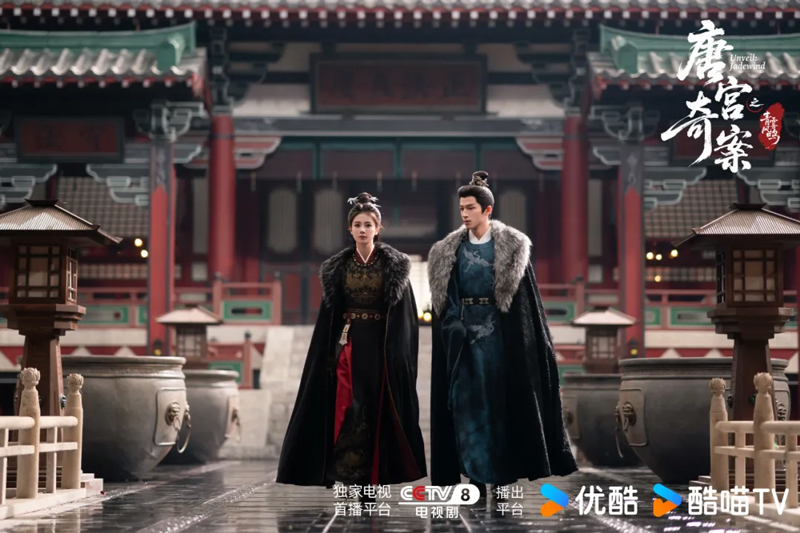
Her courage is strategic and physical. She has disguised herself as a spectral ‘ghost bride’ to infiltrate hostile spaces, ingested drugs to simulate death, and even willingly consumed poisoned substances to force a culprit’s hand. These are not acts of reckless bravado but calculated gambits, each chosen for its potential to disrupt a adversary’s plans and expose hidden motives. When confronted directly, she matches wit with wit and force with competence. Her resilience is absolute, famously demonstrated when entombed alive; she focused not on waiting for rescue, but on engineering her own escape.
This operational independence defines her. She collaborates but does not depend. Her partnership with Xiao Huaijin is one of complementary skills, not hierarchy. She retains her autonomy, making decisions based on her judgment. This self-reliance, this willingness to walk into danger alone and manage the consequences, reflects a modern sensibility. Her defiance is systemic, targeting unjust rules and oppressive traditions rather than merely defeating individual villains.
The Silent Accusation
The true significance of Li Peiyi’s work often lies in what is left unsaid. A pivotal moment arises following the death of Princess Ningyuan. Li Peiyi suggests that besides the obvious culprits, she herself shares blame, and hints at a fourth, unnameable party. The narrative, through composition and silence, points clearly to the Princess’s own father, the Emperor, a figure seen only briefly yet whose neglect was profoundly consequential. This quiet implication carries immense weight. It is a critique of patriarchal absence and the failure of paternal duty, framed not as treasonous speech, but as an unshakable private conviction.
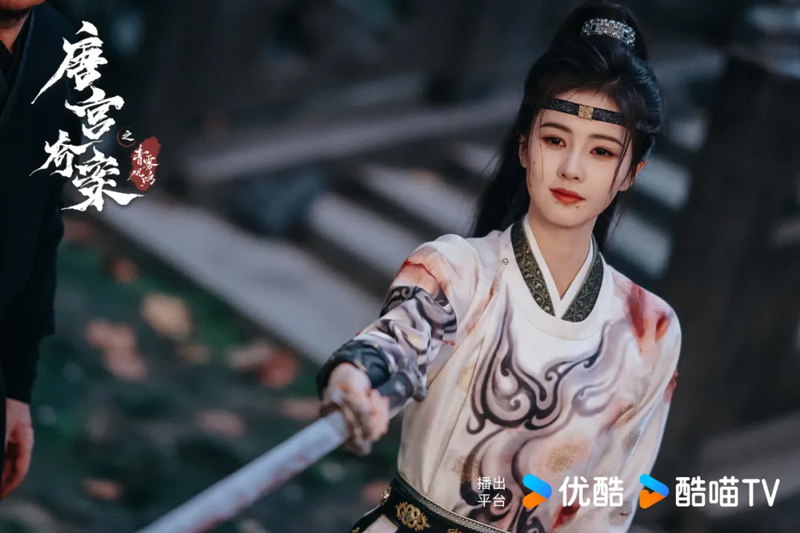
This moment elevates her role from solver of puzzles to interpreter of systemic fault lines. Her investigations become acts of bearing witness. By giving voice to the silenced and tracing misfortune back to its often-ignored sources—indifference, structural neglect, the cruelty of tradition—she performs a deeper form of justice. It is restorative, seeking to acknowledge pain and assign responsibility where it is truly due, even when that truth cannot be spoken aloud in the court.
Thus, the ‘female detective’ framework transcends genre convention. It becomes a specific narrative standpoint—a ‘her perspective’ that looks horizontally across the palace, engaging with every individual’s plight. It dismantles their dilemmas with empathy and forensic attention. This perspective provides a powerful conduit for contemporary connection, allowing audiences to see ancient struggles through a lens that feels immediately relevant and emotionally authentic.
Fusion of Elements
The setting of the Tang palace is far more than ornate backdrop. It provides the specific, pressure-cooker environment where these narratives unfold—a closed ecosystem of extreme power differentials, lavish beauty, and pervasive danger. Every gilded surface can hide a secret; every protocol can mask an ulterior motive. The palace’s very architecture, with its hidden passages and separated quarters, physically manifests the themes of secrecy and confinement central to the plot.
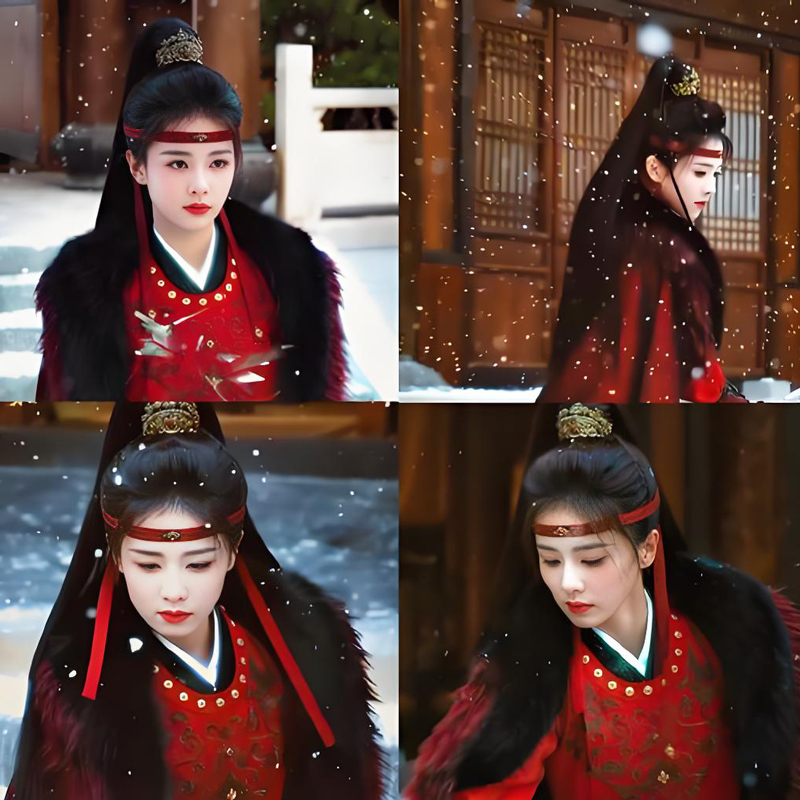
The ‘strange cases’—the mysterious deaths and political conspiracies—supply the essential engine of plot. They create urgency, raise stakes, and drive the narrative forward with suspense. They are the tangible puzzles that Li Peiyi must decode. Yet, these cases are never merely intellectual exercises. Each one serves as a gateway into exploring broader social commentary, personal trauma, or ethical questions, ensuring the suspense is always in service of substance.
Finally, the consistent female viewpoint binds everything together, injecting warmth and depth into the historical and suspenseful framework. It ensures the story remains fundamentally human-centered. The fusion is now complete: the palace sets the stage, the cases provide the motion, and the female perspective illuminates the heart of the tale. This combination moves beyond entertainment to offer a thoughtful exploration of justice, empathy, and resilience, proving that the most compelling mysteries are those that unravel the complexities of the human condition itself.

The Stories We Build
The landscape of television is often described in terms of battles: for attention, for dominance, for the next big trend. Within this, the historical and costume drama genre is frequently labeled a crowded, even saturated, space. Yet, for the platform Youku (优酷), this is not a sea to be feared but a canvas for precise, thoughtful creation. Their recent offerings suggest a focused strategy: moving beyond superficial spectacle to build narratives anchored in cultural texture, psychological depth, and a quiet respect for the audience's intelligence. This approach transforms familiar settings into fresh explorations of power, identity, and human struggle.
Foundations of Belief
A story's world must feel inhabited, its rules consistent and its stakes tangible. This commitment to authenticity is a primary tool. For a series like Legend of Zang Hai (藏海传), this meant integrating the seldom-seen ancient skill of Kanyu (堪舆), Chinese geomancy, into its political plotting. The environment itself, shaped by these principles, becomes an active player in the narrative. The drama uses this tangible, historically-grounded system to frame its conflicts, making the fantastical elements feel earned and the power structures mechanically real.
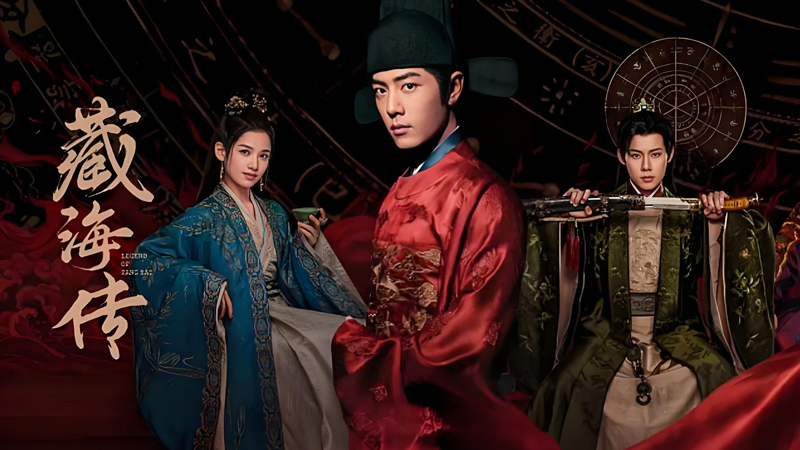
This philosophy extends to narrative construction. The goal is to avoid predictable tropes and instead follow internal logic, whether of a magical system or a court's bureaucracy. When a world operates by its own coherent rules, character choices carry greater weight. Their successes or failures stem from their understanding and manipulation of this environment, not from convenient plot twists. This builds a different kind of suspense—one based on intellectual engagement as much as emotional worry.
Ultimately, this foundation serves the characters. A well-built world presents clear challenges and limitations. When the protagonist of Legend of Zang Hai navigates imperial intrigue, their strategies feel sharp because the "board" on which they play is so clearly defined. The audience is invited to solve the puzzle alongside them, investing in the mechanics of the story as much as its outcome.
Agents of Change
At the heart of these intricate worlds are characters defined by their agency. They are not passive witnesses to history but active participants, using their unique perspectives to challenge systems. Unveil: Jadewind centers on a female investigator whose gaze cuts through the opulent fog of the palace. Her tools are observation, deduction, and a distinctly feminine understanding of the pressures and secrets that the court cultivates. She illuminates corners of history often left in shadow.
This focus on character-driven action reframes traditional genres. In Blood River (暗河传), the setting is the morally ambiguous world of assassins, a far cry from clear-cut heroic Wuxia. The central conflict lives within the characters themselves, as they grapple with codes of honor, loyalty, and survival in a space devoid of simple righteousness. Their journeys are internal as much as external, exploring the philosophical cost of their choices.
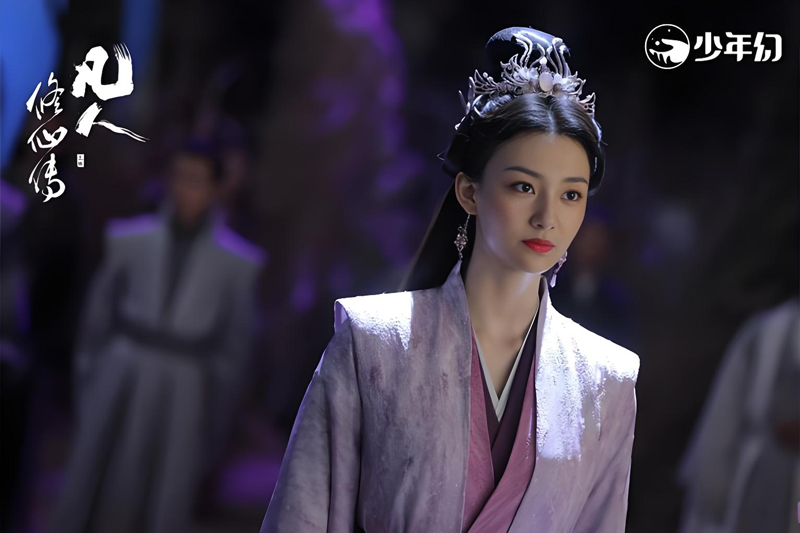
Similarly, The Immortal Ascension (凡人修仙传) finds its power in a relatable premise: the ascent of an ordinary individual. This "underdog" resonance connects directly with contemporary audiences familiar with struggles for advancement and self-definition. The grandeur of the setting contrasts with the profoundly human scale of the ambition, making every hard-won victory feel shared. These characters succeed through grit, adaptability, and inner conviction, not destined privilege.
The Substance Under the Silk
Visual splendor is a given in this genre, but it risks becoming empty pageantry. The differentiating factor is substance—the ideas and emotional truths that the finery contains. The mysteries in Unveil: Jadewind are not merely puzzles to be solved; they are gateways to exploring systemic silence. Each case promises to recover a forgotten name or an obscured act of defiance, suggesting that history is a record of narratives, not just events.
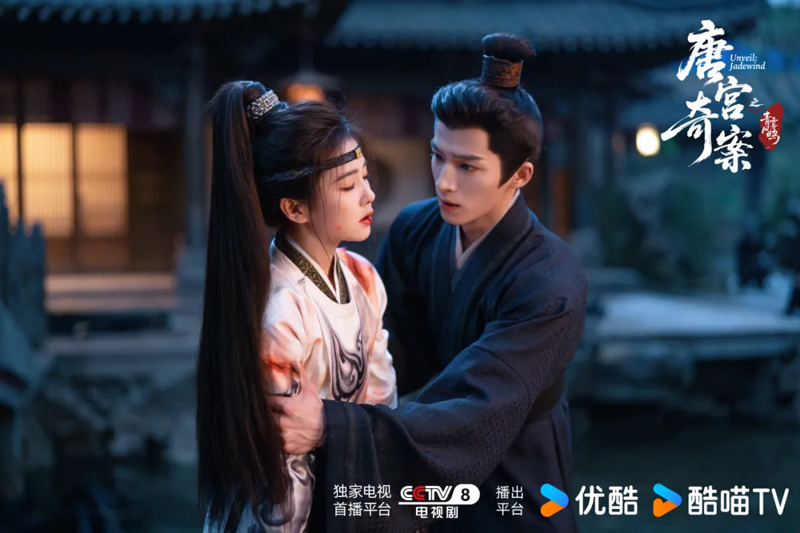
This represents a conscious shift from dependency on star power or viral moments. Investment flows into developing a story's internal coherence and the psychological arcs of its people. The question producers ask is not merely "Is this exciting?" but "Does this worldview captivate? Can today's viewer find a point of connection here?" When a project offers both intellectual intrigue and emotional resonance, it becomes worth the rigorous effort to produce.
The result is a collection of works that, while distinct in setting and plot, share a common depth. They use the past not as mere decoration but as a testing ground for enduring questions about justice, integrity, and personal cost. The luxurious palaces and sweeping landscapes are backdrops for fundamentally human dramas. The light that emerges, often carried by those the system overlooks, feels earned and genuinely illuminating.
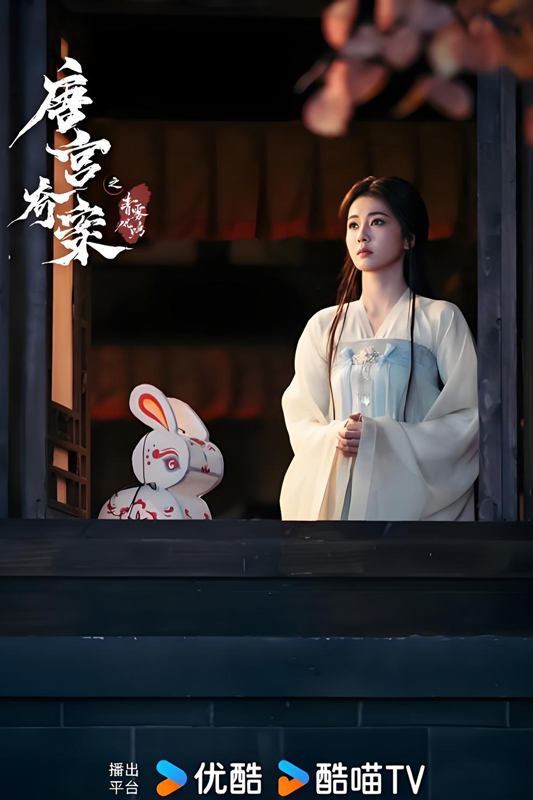
As one story concludes and others begin, the strategy proves its worth. In a genre that can feel repetitive, clarity of purpose and respect for craft create distinct landmarks. By building worlds that feel true and populating them with characters who strive meaningfully within them, these narratives do more than entertain. They invite a deeper look, proving that the most compelling tales are those built with care, from the ground up.

