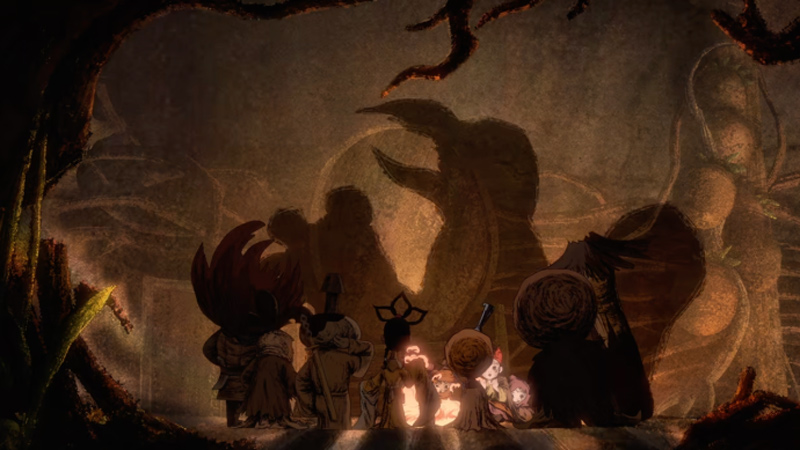
What does it mean to hold onto innocence in a world designed to crush it? The animated short The Great Bird, part of the acclaimed anthology Yao-Chinese Folktales 2 (中国奇谭2), offers no easy answers. Directed by Du Pengpeng (杜鹏鹏), this piece stands apart. It is not a comforting, warm tale of Guochao (国潮) aesthetics, but rather a somber, magical-realist fable wrapped in the visual language of traditional Chinese art.
Set against the backdrop of a war-torn, occupied region known as Zenan (泽南), the story follows two marginalized souls. Their struggle is not for glory, but for the preservation of a fragile, personal light in overwhelming darkness. Without resorting to sentimentality, every frame of this film conveys a profound, aching melancholy that lingers long after the screen goes dark.
Two Souls, One Refuge
The film's heart lies in the quiet, desperate guardianship between a young girl, Zhen'er (珍儿), and an older man, Bao Shan (保山). Orphaned and marked by a facial birthmark, Zhen'er lives a meager existence with only two ducks for company. Her sole purpose is collecting duck feathers, believing they are from a mythical Great Bird whose arrival will end her suffering. Bao Shan, a scarred former soldier with penal tattoos on his face, works under duress at the local duck farm. He becomes her silent protector.
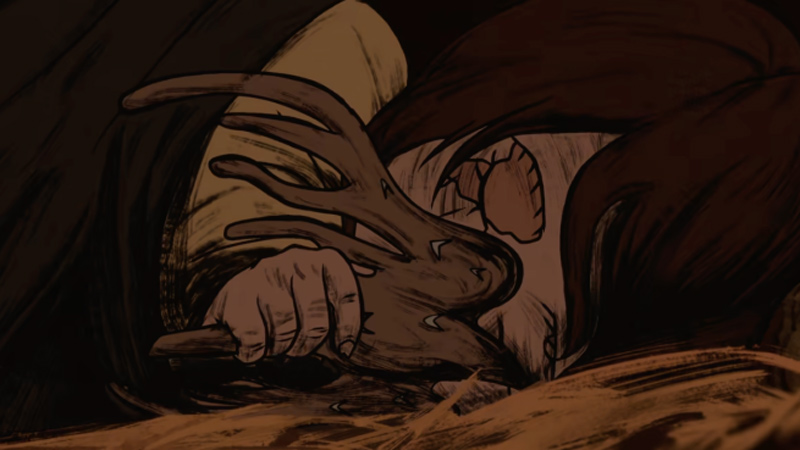
He shields her from the brutalities of their reality. He crafts her small dolls, reminiscent of the Mo Hele (磨喝乐) figurines from the Song dynasty, and secretly trades the feathers she collects for food. His mission is to sustain her fantasy. In protecting her belief in the Great Bird, he is safeguarding the last remnant of childhood wonder, both for her and for the hopeful self he himself has lost. Their bond is the film's emotional core, a testament to how the discarded can find strength in mutual care.
This guardianship is also the source of the story's deepest sorrow. For Zhen'er, the bird represents magical salvation. For Bao Shan, it is a painful memory and a symbol of lost freedom—a spiritual anchor against despair. By keeping her dream alive, he fights a private war against the oppressive world that defines them both. Their relationship is a poignant dialogue between naive hope and weary, protective love.
The Weight of a Feather
The humble duck feather is the story's central and most powerful symbol. Director Du Pengpeng drew inspiration from his grandmother, who once collected feathers by a river to supplement her family's income, a memory both humorous and heartbreaking. This image translates powerfully to the screen. Drifting in the waterways, the feathers are worthless debris to most, as insignificant as the marginalized people of this turbulent era.
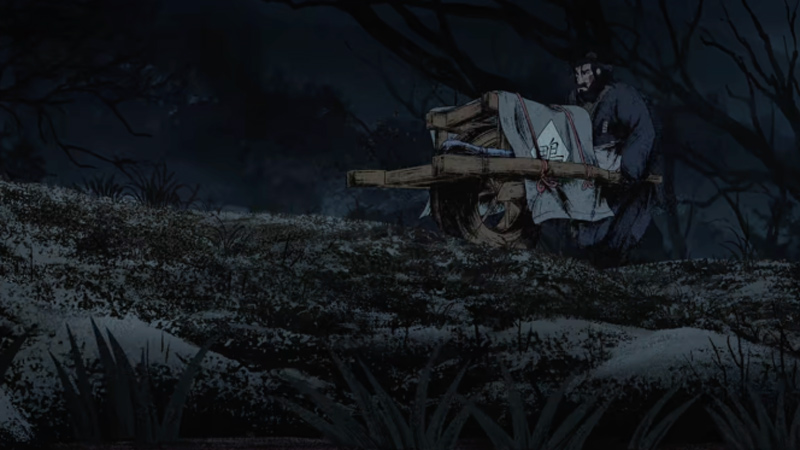
Yet, to Zhen'er and Bao Shan, each feather is a treasure more valuable than food or trinkets. They are tangible proof of the Great Bird's passage, a currency for survival, and a token of their shared secret. They embody a central contradiction: simultaneously symbols of fragile, rootless existence and vessels of immense, enduring meaning. Their lightness belies the heavy hope they carry.
This mirrors life itself. People and things often deemed insignificant by the world can hold profound meaning for those who understand them. The Great Bird suggests that fragile lives, like downy feathers, are vulnerable to the slightest gust of wind. But when gathered together, they can create warmth and withstand the cold, achieving a form of simple, profound resilience.
Aesthetics of Absence
The film's visual and auditory landscape masterfully cultivates a feeling of stark, beautiful desolation. Employing a style reminiscent of woodblock prints, it utilizes the dry-brush and ink techniques of traditional painting. The palette is muted—dull backgrounds pierced by sparse, fragmented light, creating an inescapable atmosphere of gloom and hardship.
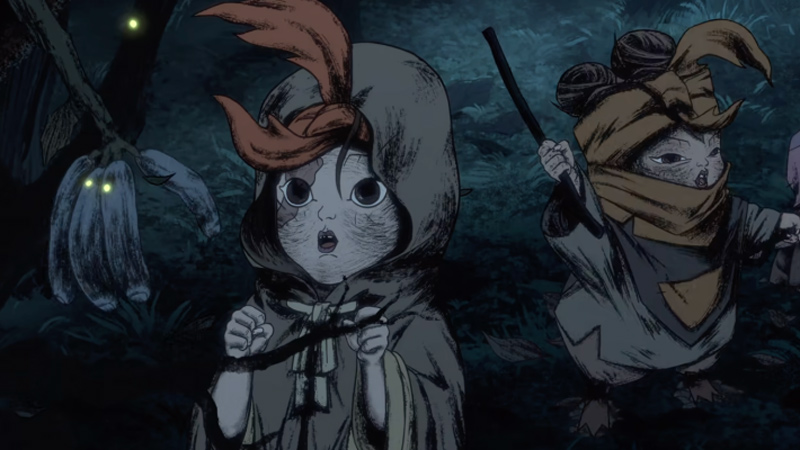
The settings speak volumes: a dilapidated hut, the cold, oppressive duck farm, the feather-clogged waterways. Details like Zhen'er's mud-caked feet and Bao Shan's perpetually stooped posture visually narrate their struggle without a word of dialogue. The commitment to traditional 2D hand-drawn animation feels significant, a artistic choice that echoes the film's thematic dedication to preserving things of value in an era chasing newness.
The score reinforces this perfectly. There are no soaring melodies, only the occasional, somber resonance of strings, like a sigh or the moan of wind over water. This sparse soundscape amplifies the visual sense of incompleteness. A child's singing voice at the start creates a stark contrast with the brutal reality, and music softens only briefly during Zhen'er's moments of hopeful collection, before being swallowed again by melancholy. This auditory tension underscores the pain of mere survival and adds weight to every quiet act of endurance.
The Courage in Melancholy
As one of the most experimental entries in its anthology, The Great Bird has garnered divided responses. Some are deeply moved by its poetic bleakness, finding profound gentleness within the hardship. Others find its narrative too opaque and its tone too unrelentingly dark, missing the comforting warmth often associated with Chinese-style animation.
This division, however, underscores the film's depth. It does not shy away from suffering nor sugarcoat reality. It uses the raw, honest struggles of people at the bottom of society to explore a distinctly Chinese aesthetic of poignant beauty—one where regret and imperfection hold a kind of permanence. The film's greatest achievement is its respectful, unwavering focus on these "small" lives.
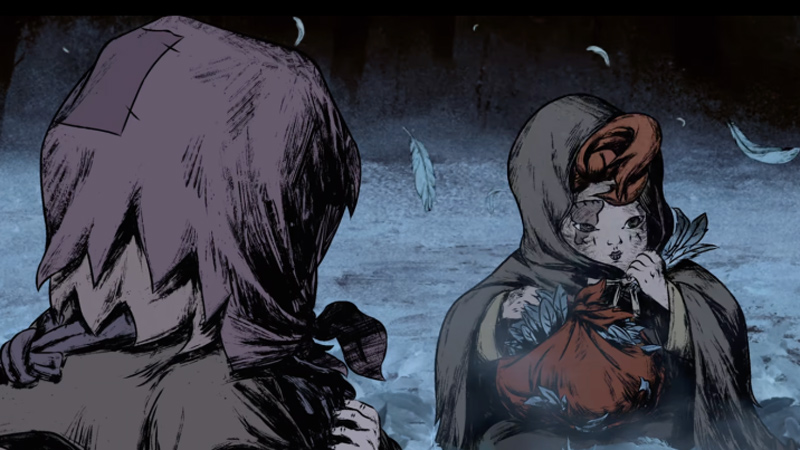
The Great Bird argues for the right to seek beauty and protect kindness, even from the deepest shadows. Zhen'er and Bao Shan never escape their circumstances. Yet, through their mutual guardianship and stubborn faith, they manage to kindle a faint, persistent glow. This light—born of innocence, sustained by kindness, and defiant in the face of darkness—epitomizes the film's poignant power. It requires no forced tragedy; its sadness is innate. It needs no grand proclamation; its strength is quiet and earned. The film offers no neat resolution, much like life itself. But in its courageous embrace of the unfulfilled and the melancholic, it makes a powerful case for why we must keep guarding that light, however fragile its source may seem.
