When a Xinwen Lianbo (新闻联播) anchor recently appeared on screen, some viewers didn’t focus on the news she delivered. They stared at her collar instead. Comments flooded social media, with many insisting she had worn it backwards. Was it really such a big deal? For those who understand traditional Chinese clothing, yes, it was.
The controversy touches on something much deeper than a simple wardrobe malfunction. It’s about Hanfu, the traditional clothing of the Han Chinese people, and a small detail called the collar closure. This detail, known as right closure or left closure, carries thousands of years of history, identity, and even matters of life and death. Here is why a seemingly minor clothing choice can spark such strong reactions.
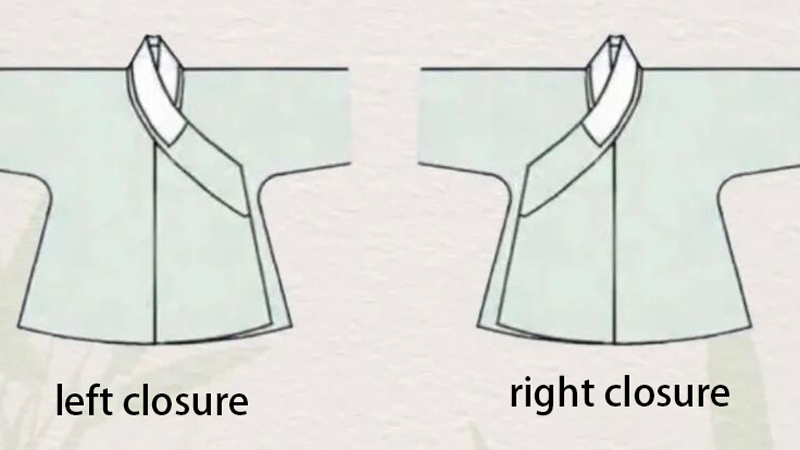
Right Side, Right Identity
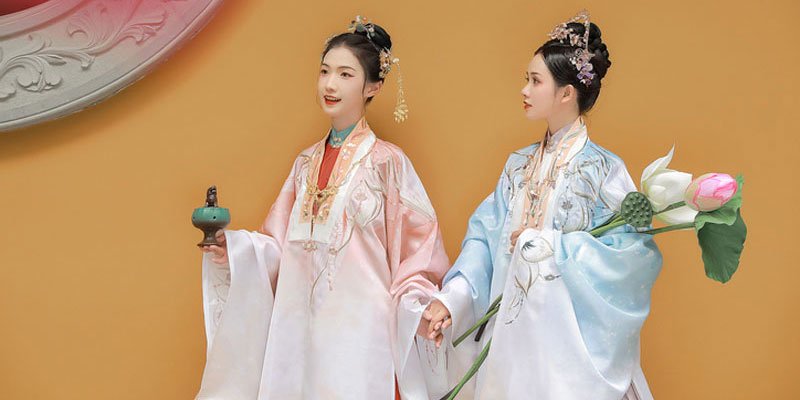
The basic rule is simple: traditional Han Chinese clothing typically uses right closure. This means the left side of the garment crosses over the right side, creating a y-shaped collar that opens toward the right. From the wearer’s perspective, the right side ends up underneath. This wasn’t just a random fashion choice. It grew out of daily life.
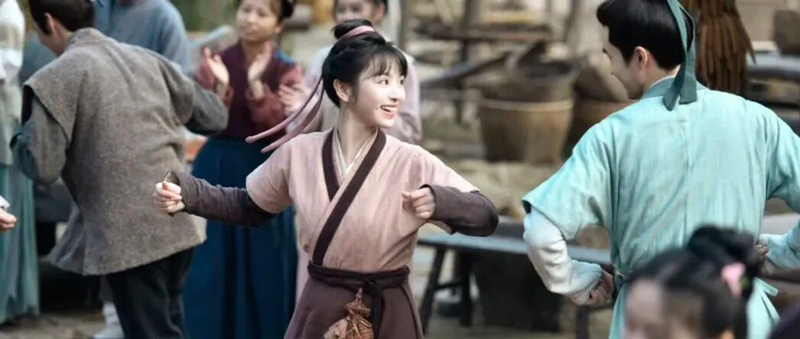
Ancient Han Chinese society was built on farming. Most people were right-handed. They used their right hand for everything, from holding tools to tying knots. Wearing clothes with right closure meant the overlapping fabric didn’t get in the way during work. The design was practical and comfortable. Over time, right closure became a visual marker. It distinguished the Han people from their neighbors to the north, the nomadic groups who often used left closure.
These nomadic cultures had different lifestyles. They spent their lives on horseback, hunting and herding. A rider typically held reins with the left hand while drawing a bow with the right. Left closure, where the right side of the garment lies on top, prevented the collar flap from catching the bowstring. What started as practical adaptation became a cultural divide. Right closure meant civilized, settled, Han. Left closure came to represent the “other,” the foreign, the nomadic.
Civilization and Mortality
The distinction between right and left closure became deeply embedded in Chinese philosophy and historical texts. Ancient records often described foreign tribes as wearing left closure, using it as shorthand for their different, and often considered less civilized, way of life. This wasn’t merely about clothing; it was about a whole system of values, agriculture, and social order. Left closure, in this context, symbolized a threat to that order.
The stakes were even higher. Confucian classics like the Book of Rites (礼记) specified that funeral clothes for the deceased should use left closure. When preparing a body for burial, the garments were fastened on the left side. This symbolized the final journey, the separation between the world of the living and the dead. Left closure marked the transition to the afterlife. So, for a living person to wear left closure was deeply inappropriate. It blurred the line between life and death.
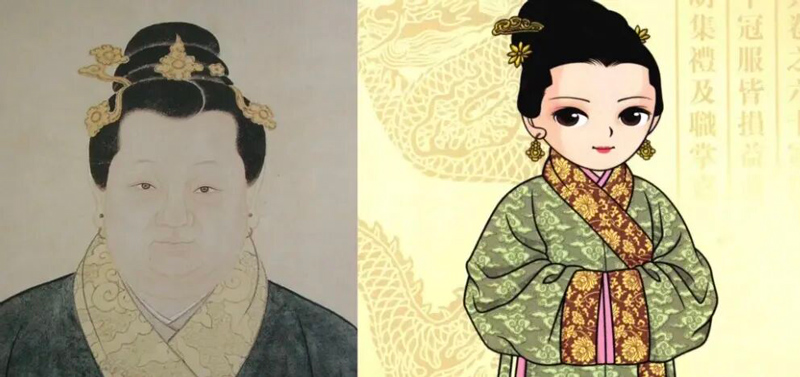
This connection gave left closure a profound weight. Throughout history, when foreign groups conquered parts of China, the sight of left closure on the streets was more than a fashion trend. It was a visual reminder of lost sovereignty and cultural upheaval. People saw it as a sign that their civilization was being overrun. The correct way of wearing clothes became intertwined with national survival and cultural pride.
Threads of Tradition in Modern Times
Today, the rules are not about exclusion or looking down on others. They are about understanding and respecting the origins of Han Chinese culture. When people see a public figure wearing a garment with the closure on the wrong side, it feels like a break in a very long chain. It suggests a disconnect from the accumulated wisdom and customs of ancestors who codified these details for specific reasons. It isn’t about being rigid; it’s about remembering.
Exceptions have always existed, of course. Historical periods of transition saw mixed styles. Left-handed individuals in the past might have adapted their clothing. Personal preference has always played a role. But these were exceptions, not the rule. The standard, passed down through generations and recorded in texts, remained right closure for the living. This consistency is what makes the tradition meaningful.
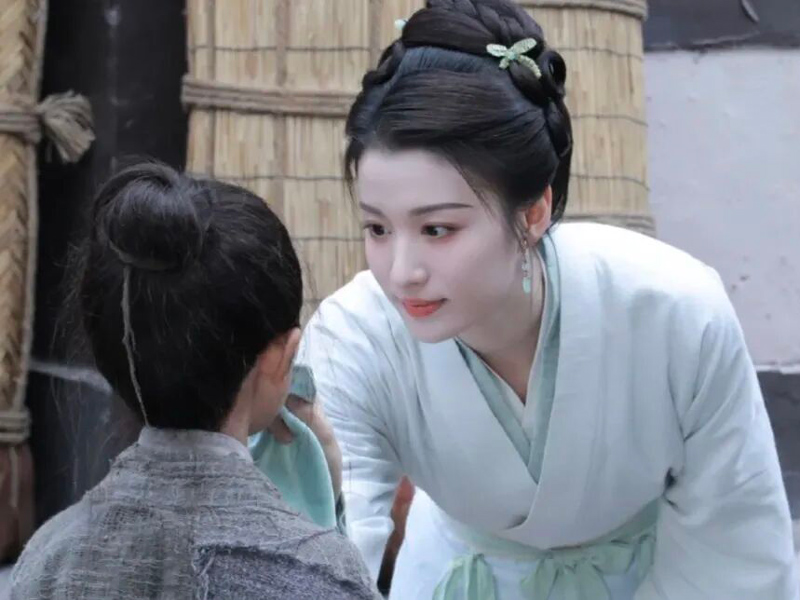
Wearing right closure is a simple act. Yet it connects the wearer to countless generations of farmers, scholars, and ancestors who did the same. It is a quiet acknowledgment of where they came from and the civilization they helped build. So, the reaction to a collar isn’t just about a piece of clothing. It’s about recognizing a thread that ties the present to a very ancient past, a small but significant marker of identity that deserves to be understood and preserved.