Article
Search results:
-
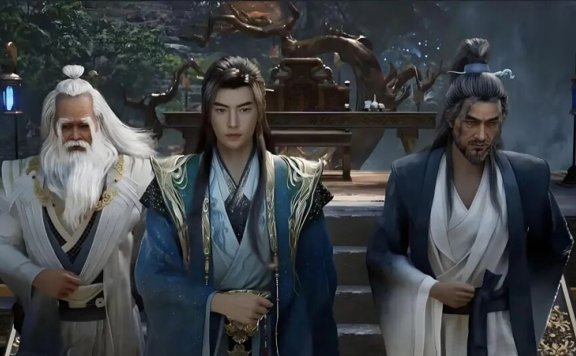
Han Li's Nascent Soul vs Wang Lin's Wen Ding
In the vast and ever-expanding universe of Chinese animation, two cultivation stories have risen above the rest, sparking endless debates among fans. On one side stands the cautious everyman, and on the other, the passionate rebel. Their moments of ultimate breakthrough—Han Li's (韩立) Nascent Soul formation and Wang Lin's (王林) ascent to the Wen Ding (问鼎) stage—are not just plot points; they are cultural phenomena. Which of these iconic scenes truly represents the pinnacle of what Guochao (国潮) animation can achieve? Let's delve into a head-to-head comparison of these two legendary milestones. The Numbers Game When it comes to raw popularity, Han Li's Nascent Soul formation in A Mortal's Journey (凡人修仙传) set an almost insurmountable bar. The episode didn't just go viral; it broke the internet—literally. Upon its release, the surge of viewers caused Bilibili's servers to crash, stranding hundreds of thousands on login screens for up to fifteen minutes. The official statistics were staggering: a single-day play count exceeding 4.2 billion and over 440,000 concurrent online viewers, a record that still stands as a testament to the show's massive appeal. For a brief moment, the digital world ground to a halt just to witness the "Han the Mage" claim… -
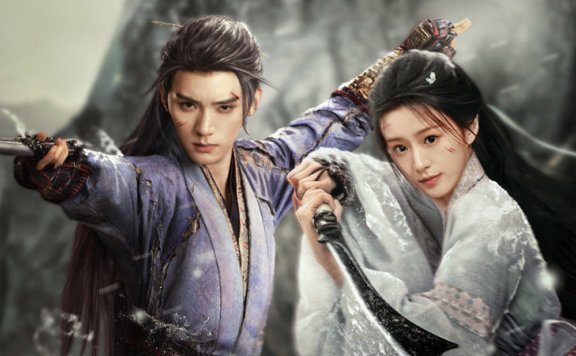
Generation to Generation: The Deadly Chess Player Cai Pingshu
In the intricate tapestry of Wuxia (武侠) dramas, characters often wear masks that hide their true nature. The series Generation to Generation (江湖夜雨十年灯) introduces viewers to a web of love, betrayal, and calculated revenge. While the male lead, Qi Yunke (戚云柯), appears to be a tragic figure consumed by madness and nostalgia, a closer look reveals that the true architect of the entire story's conflict is a woman who has been dead from the start. Cai Pingshu (蔡平殊) is not just a memory that haunts the living; she is the ultimate chess player, a master strategist whose plans were set in motion long before the series' present timeline. Her influence dictates every major character's actions, making her the hidden, yet most powerful, force in the entire narrative. The Heart of the Battlefield: A Master Strategist Cai Pingshu was far more than a beautiful face in the martial arts world. She was a female martial arts fanatic whose true weapon was not just her exceptional skill, but her profound understanding of human nature. She saw people's hearts and desires as a battlefield, and she was undefeated in this arena. This is evident in her final days, when, severely injured and nearing death,… -
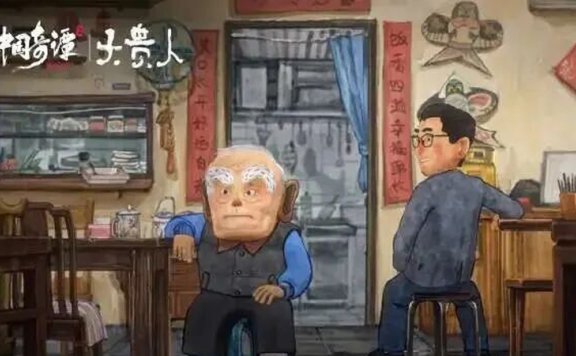
Da Gui Ren: Magic and the Hidden Noble in Beijing's Hutong
What happens when a grown son loses his job but cannot bring himself to tell his father? In the bustling, rapidly transforming city of Beijing, this silent crisis forms the emotional core of Da Gui Ren (大贵人), the ninth episode of the animated series Yao-Chinese Folktales 2 (中国奇谭 2). This is not a story of flashy heroes or epic quests. Instead, it is a quiet, magical realist portrait of two men living in a narrow Hutong (胡同) alley, separated by pride and connected by an unspoken love. The film uses magic not as a spectacle, but as a gentle lens to magnify the everyday dramas of dignity, memory, and the people who shape our lives without us even realizing it. It asks us to look beyond the surface, to find the "noble person" hiding in plain sight. Magic as a Silent Language The father in Da Gui Ren senses his son's shame. Every morning, the son puts on a suit and leaves for a job he no longer has, spending his days wandering the city instead. The father, an old man running a small shop in their aging Hutong, cannot bridge this gap with words. Chinese culture often leaves deep… -
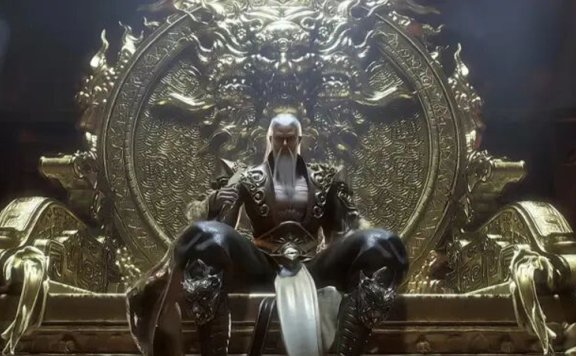
Beyond Time's Gaze: The Vajra Ancestor’s Fatal Mistake
In the episode of the hit series Beyond Time's Gaze (光阴之外), a villain does something unthinkable: he reads the protagonist's future, realizes the kid is basically immortal, and then decides to murder him anyway. It is a decision so stupid, so brilliantly backwards, that it turns a standard chase scene into a tragicomic masterpiece of self-destruction. This is the story of the Ancestor of the Vajra Sect, a man who looked destiny in the eye and then flipped it off, only to have his entire world burn down as a reward. A Villain With a Death Wish The Ancestor of the Vajra Sect isn't just some random bully. Standing tall with a thirty-foot Dharma form, he is a force to be reckoned with in the Cultivation world. But his real power isn't his brawn; it's his apparent access to the story's script. He somehow sees that the protagonist, Xu Qing (许青), carries the "Chosen One" destiny—the kind of plot armor that guarantees survival and future vengeance. In the world of cultivation, this knowledge is power. A smart villain would use it to recruit the kid, or at the very least, steer clear. This Ancestor, however, decides to speed-run his own… -
Zhu Xudan Shines in Pink Hanfu and Cloak
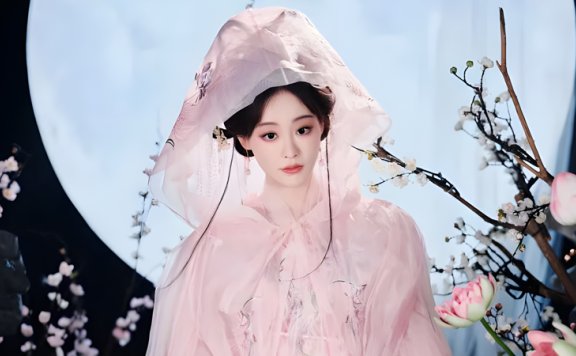
For years, the title of "ancient costume goddess" has been passed around liberally in Chinese entertainment. But every so often, an image arrives that doesn't just fit the label—it redefines it. Actress Zhu Xudan (祝绪丹) has just delivered one such moment. A recently released series of promotional photos shows her in a flowing, pink, fairy-like costume, standing under a full moon surrounded by winter plum blossoms. The internet has collectively stopped scrolling. It’s not just another pretty photoshoot; it feels like a glimpse into a living, breathing piece of classical art. The look masterfully blends ethereal grace with tangible texture, sparking immediate curiosity: what story does this "immortal" belong to? Silhouette of a Dream The magic of this look lies in its masterful simplicity. Zhu wears a layered, pink gradient Hanfu-style (汉服) dress. The fabric is a sheer, smoky gauze that seems to float around her rather than simply hang. It’s not a loud, vibrant pink, but a soft, dreamy hue that transitions from pale to deep, much like the fading light of dusk. Over this, she wears a hooded cloak made of the same ethereal material. The design is a stroke of genius—the cloak adds a sense of mystery… -
Zhou Shen’s Ji Liang Highlights Hanfu at CCTV Gala
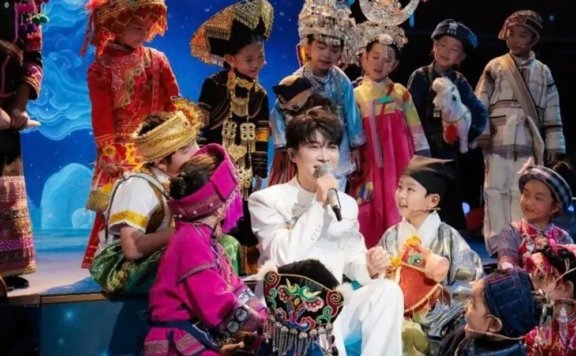
For decades, a peculiar absence haunted China's grandest family portrait. When the nation's 56 ethnic groups gathered on public stages, one chair remained visually empty. The Han majority, representing over 90% of the population, appeared not in ancestral silk and robes, but in everyday t-shirts and shorts. This glaring omission finally found its correction on this year's CCTV Spring Festival Gala. As singer Zhou Shen (周深) performed the ethereal Ji Liang (吉量), a procession of children in ethnic finery walked the stage. Among the Miao, Tibetan, and Uyghur attire, a Han boy finally wore his own—a Ming Dynasty-style Dao robe (道袍), a scholar's scarf upon his head. For countless viewers, it was a moment of profound validation and a question answered: the Han do have traditional clothing, and it's called Hanfu. A Long-Awaited Portrait The image of that young boy, standing proudly alongside his peers from other ethnic groups, resonated far beyond the gala's runtime. It visually articulated what advocates have stressed for over two decades: Hanfu is not a costume, but the traditional attire of the Han ethnic group. Prior to this, the narrative was different. Official ethnic group photos, like one released by the Ministry of State Security… -
Zhao Yazhi Teaches the Art of Red-White Hanfu Matching
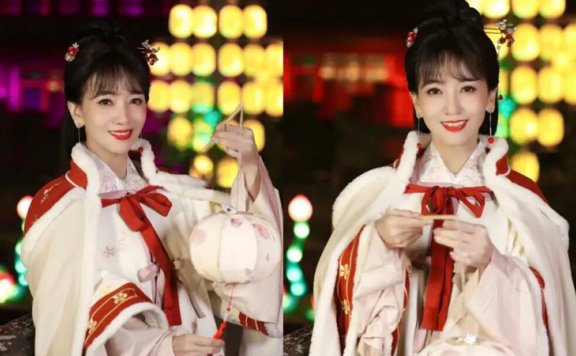
Can 72-Year-Old Zhao Yazhi (赵雅芝) Teach Us About Timeless Style? She dons Hanfu to promote her hometown, reminding us that elegance has no expiration date. This article explores how mature women can master festive, traditional-inspired looks using clever color combinations, drawing inspiration from the legendary actress herself. The Winning Formula: Red and White When Zhao Yazhi recently appeared in Hanfu to promote Henan province, social media took notice. At 72, she chose a striking ensemble: a white cloak over a red square-collared half-sleeve jacket, paired with a red pleated Mamianqun (马面裙). The foundation was a warm white cross-collared inner robe. Her secret? The timeless combination of red and white. These are her signature shades for a reason—they are universally flattering and know no age limit. Choosing the right shade is critical. For a classic look, avoid stark, cold white (like bleached fabric). Opt for a warm, off-white, often called natural white. This subtle shift in tone harmonizes better with traditional aesthetics and softer complexions. The balance of colors also matters. A fifty-fifty split is a safe start, but accessories can shift the energy. Adding more red accessories makes the outfit pop, warms the skin tone, and feels more vibrant and… -
Zhang Yuxi Shines in Pink Fairy Tale Gown
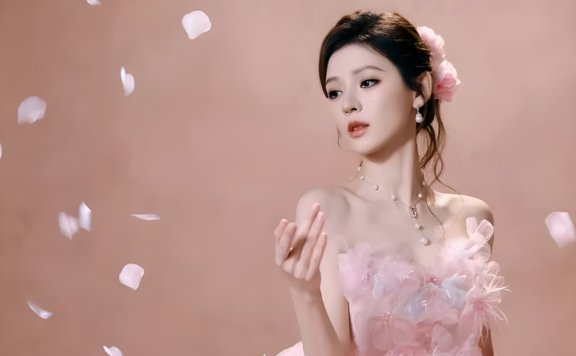
Has Zhang Yuxi (张予曦) Finally Found Her Fashion Soulmate in a Pink Fairy-Tale Gown? The internet seems to think so. In a recent photoshoot that has since gone viral, the actress doesn't just wear a dress; she inhabits an entire dreamscape. Clad in a breathtaking pink tulle gown, she transcends the typical celebrity endorsement, offering a visual narrative that feels both deeply personal and universally resonant. This isn't merely about a beautiful outfit; it's a masterclass in atmosphere, a deliberate and successful alignment of garment, setting, and the star's own ethereal presence. The result is a collection of images that feel less like posed photographs and more like stolen moments from a storybook, sparking a widespread conversation about romance, aesthetics, and the power of a perfect look. The Anatomy of a Dream The magic begins with the dress itself, a confection of pale pink layers that seem to float around her. It's not a simple garment but a complex construction of sheer tulle and intricate, three-dimensional floral appliqués that climb from the bodice and scatter down the skirt. These delicate flowers catch the light in a way that creates a subtle shift in color, a soft gradient from petal pink… -
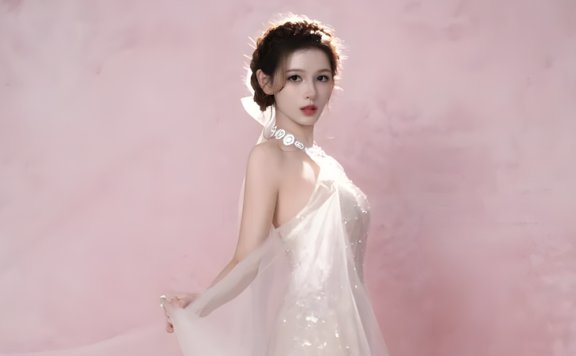
Zhang Yuxi Dazzles in Blush Pink Gown
Can a single dress capture the essence of a fairytale while redefining modern red carpet elegance? For Zhang Yuxi (张予曦), the answer is a resounding yes. Her recent appearance in a delicate, shimmering blush pink gown has done more than just turn heads—it has sparked a widespread conversation about the balance between youthful charm and sophisticated grace. The outfit, a masterpiece of design featuring a halter neckline and ethereal floating sleeves, instantly transformed the actor into a vision of romantic fantasy. As images flooded social media, it became clear this was not merely another celebrity photo opportunity, but a defining moment in fashion storytelling. This look, which perfectly marries sweet luxury with an otherworldly aura, demonstrates a powerful evolution in how public figures can use style to craft a narrative that is both personally authentic and universally captivating. Let's delve into the details of this unforgettable appearance and explore why it has resonated so deeply with audiences everywhere. The Art of Whimsical Detail The magic of this ensemble lies in its meticulous construction. The foundation is a dreamy, misty rose-colored gown with a halter neckline that masterfully highlights Zhang Yuxi's signature features—her swan-like neck and strikingly defined shoulders. This is… -
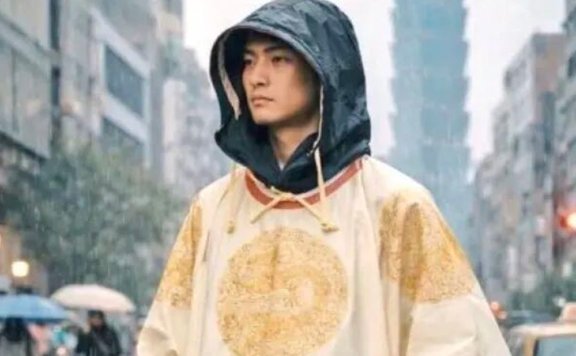
Why Taipei Palace Museum’s Dynasty Raincoats Are a Viral Hit
Could a raincoat inspired by Ming Dynasty emperors actually sell out at $50 a piece? Taipei's Palace Museum just proved it's possible, leaving shoppers wondering: buy it or frame it? In a surprising twist of cultural commerce, the Taipei Palace Museum (台北故宫博物院) recently dropped two raincoat designs that have since become the talk of the town. Priced at 1,890 Taiwan dollars (approximately 430 RMB), these aren't your average plastic ponchos. They vanished from shelves almost immediately, leaving many to question whether people are actually buying them for rainy days or simply as collector's items. The products cleverly blend daily utility with deep cultural resonance, tapping into a trend that sees consumers craving more meaningful connections with the items they use every day. This phenomenon isn't just about staying dry; it's about wearing a piece of history, however ironic that might sound. The museum has effectively turned a mundane object into a statement piece, proving once again that creativity, when applied to heritage, can yield surprisingly modern results. It raises an interesting question for the rest of us: would we don an emperor's robe just to walk the dog on a drizzly morning? Wearable Wit The genius lies not in the… -
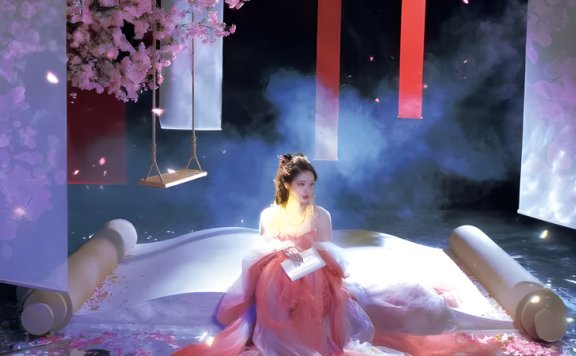
Wang Churan’s Stunning Ancient Style Shocks the Internet
Can Fabric Hold Magic? Wang Churan's (王楚然) Ethereal Transformation Into a Fox Spirit Stuns the Internet. A recent photoshoot featuring the actress has ignited a firestorm of praise, blending ancient Chinese aesthetics with a touch of modern fantasy. In an era of fleeting digital content, a single image can still stop the scroll. A new series of photographs featuring actress Wang Churan has done exactly that, captivating social media with its ethereal beauty. She appears not as a modern celebrity, but as a creature from a folk tale—a nine-tailed fox spirit wandering through a dreamscape. The images are a masterclass in visual storytelling, merging the delicate textures of ancient Chinese fashion with a luminous, contemporary aesthetic. It is a look that feels both timeless and refreshingly new, prompting thousands to share and marvel at the seamless blend of reality and fantasy. This isn't just a pretty picture; it is a cultural moment that speaks to a renewed appreciation for heritage, reimagined for today's audience. Visual Poetry in Motion The first thing that strikes the viewer is the dress itself. It is a gown of layered, translucent silk gauze, a material that seems to hold light rather than merely reflect it.… -
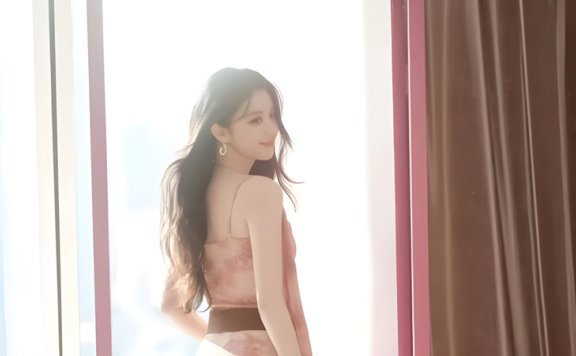
Wang Churan’s Fox Spirit Look Takes the Internet by Storm
Wang Churan's (王楚然) Fox Spirit Look Breaks the Internet: Is This the Ultimate Sweet-Meets-Sassy Formula? When images of Wang Churan at a recent promotional event hit social media, the reaction was instantaneous and electric. She didn't just walk a red carpet; she seemingly stepped out of a fantasy anime, captivating audiences with a look that was equal parts sweet and dangerously alluring. Her outfit—a delicate balance of soft femininity and bold, playful edge—has sparked a viral conversation, with fans and fashion critics alike dissecting every detail. It's a masterclass in thematic dressing, proving that sometimes, the most memorable style moments are those that tell a story. This isn't just about clothes; it's about embodying a concept, and Wang Churan has fully transformed into the "fox spirit" archetype, a figure that resonates deeply across East Asian cultures. The buzz wasn't just about beauty; it was about the clever, cohesive execution of a powerful aesthetic. The Anatomy of an Enchanting Outfit The foundation of this stunning look was a pink rose tie-dye slip dress. Its fluid, lightweight fabric moved with her, creating an ethereal, almost weightless effect. The soft pink base was artistically splashed with deeper rose patterns, evoking a sense of… -
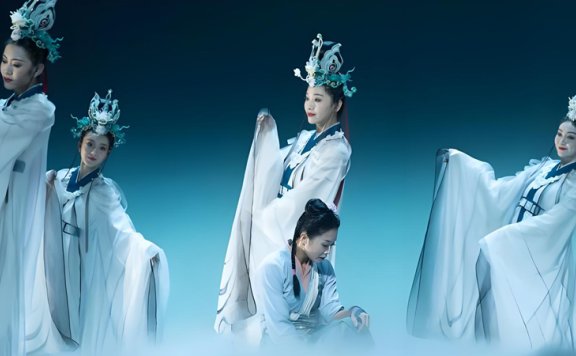
The Story of Hanfu in Henan Spring Gala
Henan TV's Spring Festival Gala has long been a beacon for those fascinated by traditional Chinese culture, particularly the exquisite world of Hanfu. This year, however, the journey to bring these historical garments to the screen was fraught with unexpected hurdles. From censorship complaints to live-stream interruptions, the production team navigated a minefield to ensure that the beauty of Hanfu was not obscured. Yet, despite the technical glitches and the barrage of advertisements that frustrated many viewers, the final broadcast was a treasure trove of historical fashion. The show offered a vibrant tapestry of styles, from Tang dynasty elegance to Ming dynasty opulence, sparking conversations and debates among a diverse audience. This year's gala was more than just a show; it was a testament to the complex and evolving relationship between ancient attire and modern media, a relationship filled with both passionate advocacy and sharp critique. From Mural to Movement: The Masterpiece Moment of Eternal Joy Perhaps the most critically acclaimed segment was Moment of Eternal Joy (永乐未央), a breathtaking piece inspired directly by the Yuan (元) dynasty murals of the Yongle (永乐) Palace. It drew specifically from the "Chart of the Celestial Procession (朝元图)", a colossal 97-meter-long masterpiece housed… -
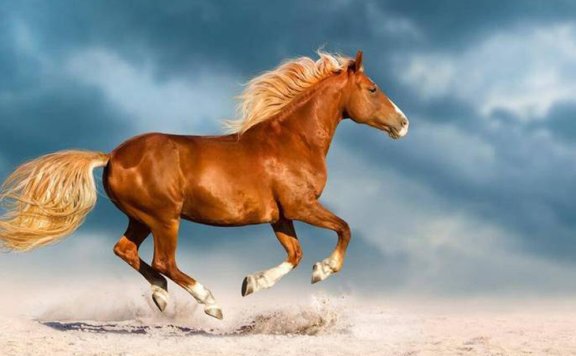
The Cultural Story of Horse Names in China
As 2026 gallops in, it brings with it the Year of the Horse, a creature whose bond with China is as ancient as the civilization itself. While the world knows this animal simply as "horse," the Chinese language reveals a stunningly detailed portrait of this animal, one painted over millennia. From the humble farm animal to a celestial dragon, the horse has been known by dozens of names, each reflecting a specific age, ability, or status. This rich vocabulary isn't just about an animal; it's a living archive of China's military conquests, agricultural roots, and poetic soul. As we enter this new year, let's saddle up and explore the many identities of the horse, uncovering stories that have shaped the nation's character. The Basics of Breeding and Age The most fundamental term is, of course, "Ma" (马). Its earliest form, found etched on oracle bones, is a pictograph—a simple, elegant drawing capturing the creature's mane, legs, and tail. The ancient dictionary Shuowen Jiezi (说文解字) defined it with a dual nature: "Nu (怒)," meaning vigorous and majestic, and "Wu (武)," meaning martial and strong. This wasn't just a label; it was an observation of the animal's very essence, a recognition of… -
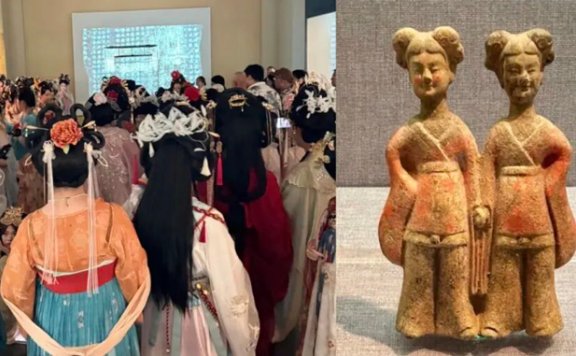
Luoyang Museum’s Northern Wei Figurines
At the Luoyang (洛阳) Museum, a queue of young women, dressed in flowing Hanfu, snakes past a single glass display case. Their quarry isn't a golden treasure or a famous painting, but a pair of small, 17-centimeter-tall ceramic figures. These are the Northern Wei painted pottery hand-holding female figurines . For the sake of a "friendship that's number one under heaven," as a popular Chinese saying goes, besties are traveling thousands of miles to pose for a photo with these two ancient "little sisters." It's a story of millennial friendship that has captivated the internet, but these figurines are far more than just cute mascots for platonic love. They are silent witnesses to one of the most radical transformations in Chinese history, and their outfits hold the very DNA of cultural fusion. Fashion Icons from the Grave Look closely at this ancient pair. Their hair is styled in elaborate double buns, their cheeks rosy with pigment that has lasted over a millennium. It's a look that wouldn't be out of place on a modern street-style blog. But the real story is in their clothes. They wear what appears to be a chic, matching pantsuit, a style known as a tunic… -
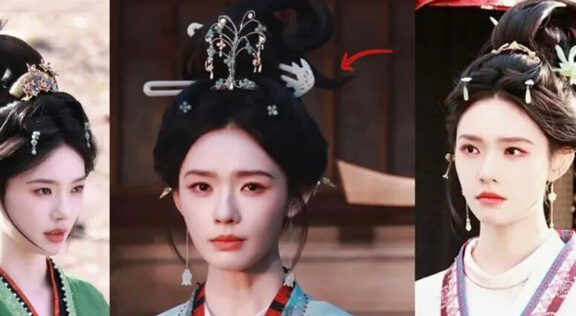
Lin Yun’s Messy Wei-Jin Strands in The Road to Glory
Lin Yun’s (林允) new drama, The Road to Glory (归鸾), has sparked a lively discussion online, but it is not just her acting that has people talking. Sharp-eyed viewers have noticed something peculiar about her hairstyles in the period piece. Across several different looks, a few strands of hair seem to have a mind of their own, escaping from otherwise elaborate updos. These rebellious strands curl, flutter, or simply hang loose in ways that feel delightfully unpredictable. The reaction online has been one of amused curiosity. Some netizens jokingly question if this is a styling error, wondering if the hair designer simply could not tuck away all the loose ends. Others have gone a step further, playfully doubting the very aesthetics of the Wei-Jin period, suggesting that perhaps people back then just loved a bit of "messy" hair. This initial observation, however, opens the door to a fascinating exploration of ancient Chinese beauty standards and the hidden meanings behind a seemingly simple strand of hair. Why did the women of this era choose to let those few locks fly free? The Rebellious Strands: Meet "Fenshao (发髾)" This playful feature actually has a name. In the context of ancient Chinese hairstyling,… -
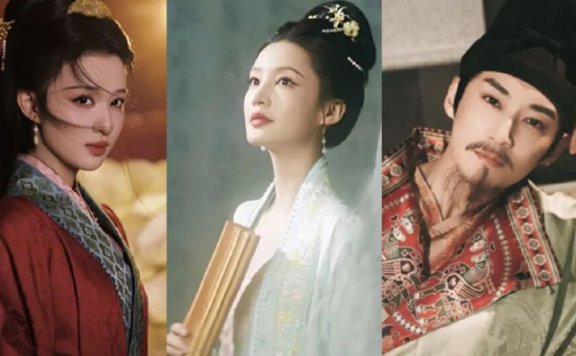
Hanfu Highlight at 2026 CCTV Spring Festival Gala
Is This the Only Hanfu Spectacle on CCTV's Spring Festival Gala? Ode to the Flower Deities (贺花神) Brings Ancient Poetry to Life As families gather for the most-watched television event in China, a single segment featuring historical Chinese clothing, known as Hanfu, has caught the attention of cultural enthusiasts. Tucked within the sprawling lineup of the CCTV Spring Festival Gala is a creative musical piece titled Ode to the Flower Deities. While the evening will be filled with comedy skits, acrobatics, and pop songs, this particular performance stands out as perhaps the only representation of traditional Hanfu on the entire broadcast. It features an impressive cast of twelve celebrities, each dressed in attire inspired by specific dynasties, bringing to life the beloved literary tradition of the Flower Goddesses. Early glimpses of the costumes suggest a stunning visual journey through China's sartorial history, focusing primarily on Tang and Song dynasty aesthetics, with a notable appearance of Han dynasty style. The segment promises to be more than just a fashion show; it is an effort to weave together poetry, music, and character portrayal, connecting modern audiences with the scholarly romance of ancient times. Song Dynasty Elegance: The Poetess of Osmanthus Among the… -
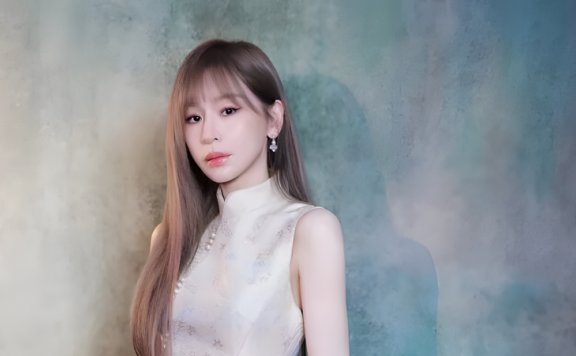
Cyndi Wang Shines in Modern Cheongsam Look
Cyndi Wang has long been dubbed Taiwan's "Sweetheart" for her bubblegum pop hits and girl-next-door charm. But a recent set of photos has shattered that simplistic label, revealing a depth and sophistication that has left fans and fashion critics utterly speechless. Dressed in an exquisite cream-colored floral-patterned cheongsam, she isn't just wearing a dress; she is embodying a mood, a moment of serene elegance. This look isn't just beautiful—it feels like a quiet declaration of a new artistic chapter, one steeped in the lyrical beauty of Eastern aesthetics. The Dress: A Modern Classic The centerpiece of this stunning visual is undoubtedly the modernized Qipao. It moves away from the traditional form-fitting silhouette with a modern, flowing skirt that adds a touch of whimsy and grace. The cream brocade fabric itself is a character, its subtle sheen catching the light with her every movement. But the real magic lies in the details: delicate patterns of birds and flowers in soft blues and silvers are woven into the material. They don't shout for attention; instead, they whisper stories of classical Chinese art, creating a look that is both deeply traditional and refreshingly contemporary. The styling choices around the dress are a masterclass in… -
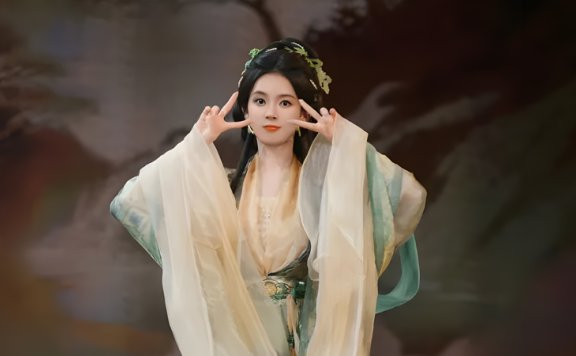
Chen Yao in Gradient Silk Gown and Gentle Bun
Can Chen Yao’s (陈瑶) ethereal gown make you fall in love with ancient Chinese fashion? The actress recently stunned the internet with her latest photoshoot, where she embodies the grace of a classical painting. Her layered, gradient silk dress and gentle hair styling have sparked a new wave of interest in traditional aesthetics, proving that timeless beauty never fades. The Magic of the Gradient Gown The moment you see Chen Yao in these photos, it feels like stepping into a living piece of art. She wears a multi-layered ensemble that captures light and shadow in a mesmerizing way. The base is a warm, beige cross-collar skirt that provides a soft, elegant foundation. Over this, she drapes a flowing outer robe with long, wide sleeves. This robe features a delicate gradient of pale green, shifting from a lighter hue at the shoulders to a deeper, more saturated tone at the hem. It reminds one of the tender green leaves of a willow tree in early spring, fresh and refined. This isn't just a costume; it is a carefully crafted piece of wearable art. The choice of the gradient effect is particularly clever, as it avoids being flat or boring. Instead, it… -
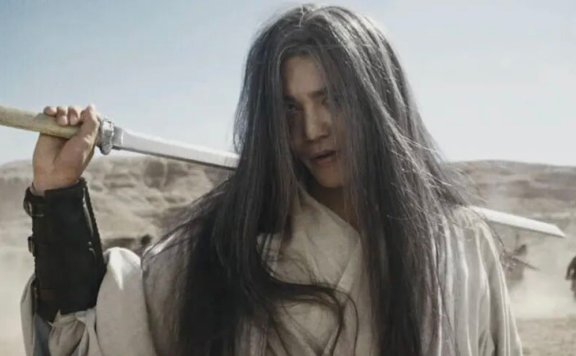
Blades of the Guardians: The Ancient Sleeve-Tying Wisdom in Wuxia
Why Do Martial Arts Heroes Always Tie Their Sleeves? The Ancient Hack That Makes Blades of the Guardians (镖人) So Authentic There is a moment in every great martial arts drama when the hero prepares for a fight. They roll their shoulders, crack their neck, and then—without fail—they bind their sleeves. It happens in Blades of the Guardians, the new film that has audiences cheering for the return of true Wuxia spirit. The gesture is small, almost ceremonial, yet it carries the weight of centuries. Without it, the entire aesthetic collapses. Why is this simple act of tying fabric so crucial to the genre? The answer lies not just in cinematic style, but in the practical, earthbound wisdom of ancient China. This is a story about how our ancestors solved a daily problem, and how that solution became a visual shorthand for readiness, discipline, and cool. Armor for the Arms: The Warrior's Rigor The most straightforward reason for binding sleeves is pure physics. Loose fabric, however elegant, is a liability in a brawl. A wide sleeve can catch a blade, snag on a spear, or simply slow down a punch. Ancient warriors needed a way to secure their clothing without…