Article
Search results:
-
Meng Ziyi’s Shen Miao: True to the Original?
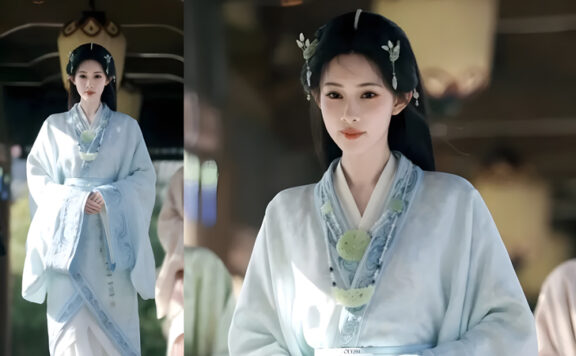
The announcement of the cast for the highly anticipated historical drama Jiang Men Du Hou (将门独后) has sent ripples through the Chinese entertainment sphere. Based on the beloved novel Jiang Men Du Hou (将门毒后), the series will see Wang Hedi (王鹤棣) and Meng Ziyi (孟子义) stepping into the roles of the legendary protagonists. While the pairing itself has ignited fervent online discussion, it is the first official images of Meng Ziyi in costume that have truly captured the spotlight. Fans and critics alike are now scrutinizing every detail, asking a single, pressing question: does this visual interpretation align with the Shen Miao (沈妙) they have imagined for years? Han Dynasty Inspirations The initial promotional stills and leaked set photos reveal a distinct stylistic direction for Jiang Men Du Hou. The creative team appears to have anchored the aesthetic in Han Dynasty (汉代) fashion. This is most evident in Meng Ziyi’s costume, a flowing, water-blue gown that is a modern interpretation of the Quju (曲裾), a type of formal Han-era robe. The design features the characteristic wrapped and overlapping front, creating a deep V-neckline and a layered silhouette that is both elegant and structured. It represents a specific vision for the… -
Jiang Qinqin Shines in Song - Style Hanfu
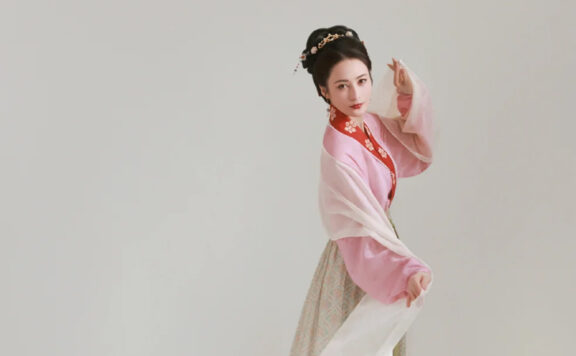
At a recent gala celebrating intangible cultural heritage, Jiang Qinqin (蒋勤勤) stepped back into the public eye. She didn't just appear; she arrived wrapped in the quiet elegance of Song-style Hanfu. The photos quickly rippled across social media, sparking a familiar question among viewers: Why has she stepped away from the screen so completely? The collective hope is for her to bring this very aesthetic—the muted tones and classic lines of the Song Dynasty—to life in a period drama. It feels like the perfect fit. Style Notes The outfit she wore is deceptively simple, yet it represents one of the most classic silhouettes in Hanfu. It’s a style centered on the Jiaoling (交领) or cross-collar, often paired with a long silk scarf known as a Pibo (披帛). Depending on the season and layering, a single layer is typically called a Shan (衫), while a lined garment is a Ru (襦). Historically, the combination of top and skirt was termed Ruqun during the Han and Jin dynasties. By the warmer Tang and Song periods, people often called it Shanqun. It's a subtle linguistic shift, but it reflects a real evolution in comfort and wearability. The genius of Song-style clothing lies in… -
Chen Haoyu’s Iconic Red Carpet Look
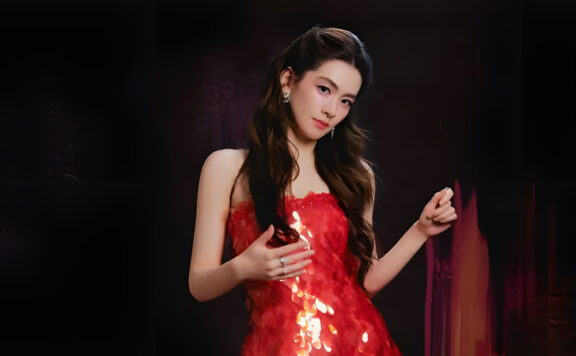
Chen Haoyu (陈昊宇) doesn't just wear red; she commands it. Recently, the actress ignited social media with a look that was less about fashion and more about pure, unapologetic presence. It was a visual declaration that sparked a firestorm of praise, proving that sometimes, all it takes is one dress to remind everyone of the power of confident self-expression. Scorching the Red Carpet The outfit in question was a dazzling red sequin strapless mini dress. It wasn't merely clothing; it was a cascade of light. The densely packed, scale-like sequins caught every beam, creating a fluid, almost liquid fire that moved with her. Against the dark backdrop of the event, she became the living, breathing center of the flame. The choice was a masterclass in silhouette. The strapless cut highlighted her elegant shoulders and neck, while the flared A-line skirt celebrated the freedom of movement, adding a touch of playful energy to the intense heat of the color. Every detail was meticulously curated to amplify the effect without overwhelming it. She chose silver rhinestone earrings and a ring that mirrored the dress's sparkle, and stepped into a pair of strappy silver heels that added both height and a delicate finish.… -
Baoji: China’s Ancient Wrapped Hairstyle
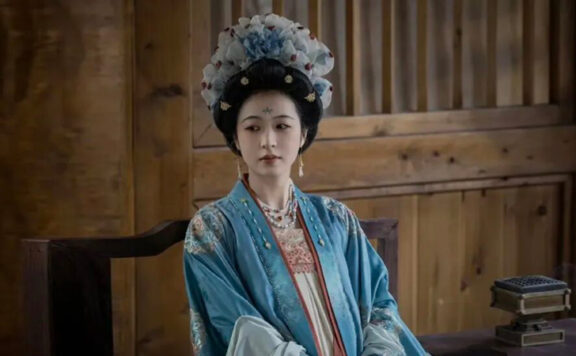
What if a seemingly simple hairdo from a period drama could unlock centuries of fashion secrets? The recent buzz around the costume design in the historical series Swords into Plowshares (太平年) has done just that. Actress Zhou Yutong's (周雨彤) portrayal of Sun Taizhen (孙太真) features a headpiece that sparked a quirky online debate: is that a bath puff on her head? This initial confusion has opened a fascinating window into a traditional Chinese hairstyling technique known as Baoji (包髻), a practice rich with history and surprisingly relevant to modern aesthetics. More Than a Hairdo The eye-catching style worn by Sun Taizhen is not a product of modern fantasy. It is a sophisticated interpretation of Baoji, a method of wrapping the hair with cloth that was particularly prevalent during the Song Dynasty. In its simplest form, a woman would style her hair into a bun and then cover it with a piece of silk, cotton, or gauze. This was not merely about restraint; it was an art form. The wrapping could be shaped to resemble various flowers, a practice that dovetailed with the era's love for fresh blooms, creating a "flower crown" effect on the head. This specific look in Swords… -

5 Chinese Health Habits Going Viral Globally
What started as a playful hashtag has quietly turned into a global movement. Earlier this year, a Chinese-American blogger named SherryXiiruii jokingly suggested everyone "become Chinese" by adopting simple daily habits—drinking hot water, eating hot pot, and embracing cozy comforts. To everyone’s surprise, millions of international users didn’t just laugh; they joined in. Now, social media feeds are flooded with posts about brewing Go Ji (枸杞) berries, practicing Ba Duan Jin (八段锦), and rediscovering the joy of long underwear. But beneath the humor lies something real. These viral trends aren’t just quirky fads—they are windows into a lifestyle rooted in balance, mindfulness, and centuries of observation. Here’s what the world is discovering, and why these practices might be worth keeping around. 1. Mahjong Therapy It is one of the first challenges new “Chinese” recruits take on: learning to play mahjong. To outsiders, the clacking tiles and complex rules can seem intimidating. Yet once the game clicks, it often becomes an obsession. International fans post videos of their makeshift tables and tile-scrambling techniques, marveling at the "advanced technology" of automatic tables (a common sight in Asian homes). But beyond the fun, research suggests mahjong offers genuine cognitive benefits. The game demands… -

5 Ancient Chinese Flowers Beyond Roses
Forget roses. This Qixi (七夕) Festival, the air in ancient China was filled with the scent of peach blossoms, the elegance of peony buds, and the quiet symbolism of a hundred flowers, each petal a whispered word of love. 1. Peach Blossom: Love in Full Bloom If love had a season, it would be spring, and its most iconic flower is the peach blossom. Its symbolism is woven into the very fabric of Chinese literature, beginning with the ancient Book of Songs (诗经): "The peach tree is young and elegant; brilliant are its flowers." This verse wasn't just about a tree; it was a wedding hymn, wishing a bride happiness and prosperity. The vibrant, pink blossoms became synonymous with a woman's beauty at the height of her youth, as seen in Cui Hu's (崔护) famous Tang dynasty poem: "On this day last year, within this very gate, Her face and the peach blossoms reflected each other's pink." But the peach blossom's meaning is deeper than mere beauty. In the classic novel The Dream of Red Mansions, a scene of wind-blown peach petals drifting to the ground stirs a profound melancholy in the heroine, Lin Daiyu (林黛玉). Seeing the fleeting nature… -
3 Kinds of Ancient Workplace Fatigue
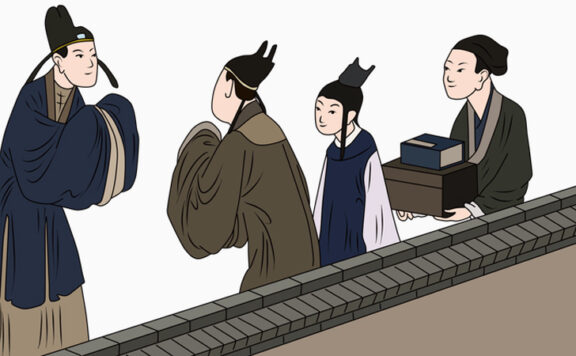
Ever stared at the clock on a Wednesday afternoon, feeling a strange cloud of exhaustion follow you home? That, my friend, is what modern slang calls "workplace fatigue." It's the droopy eyes, the comfortable shoes, and the thousand-yard stare after a long shift. But before we pat ourselves on the back for inventing the grind, let's take a trip down memory lane. The ancient Chinese bureaucracy ran for thousands of years, and the "workplace fatigue" of its officials and laborers was arguably much heavier. From court officials waking up in the dead of night to beat cops who could never rest, let's unpack how our ancestors handled the daily 9-to-5—or in their case, the 3-to-5 AM. 1. Civil Servants Imagine setting your alarm for 2 AM. For a Ming Dynasty official, that was just another Tuesday. The founding emperor of the Ming Dynasty, Zhu Yuanzhang (朱元璋), demanded his court officials wait outside the palace gates by 3 AM for a 5 AM roll call, known as Dian Mao (点卯). One scholar-official, Qian Zai (钱宰), famously wrote a poem grumbling, "At the fourth drum I rise and put on my clothes, yet I fear I'll be late for the noon gate."… -

3 Gentle Morning Rules for a Healthier Life
Waking up is a daily ritual, yet how you perform it can set the tone for your entire day and, according to ancient wisdom, your long-term health. Many of us rush through these first moments, making mistakes that jolt the body and drain energy. By avoiding three common, hasty actions, you can cultivate steadiness, protect your vitality, and build a foundation for a longer, more comfortable life. 1. The Bolt Upright Blunder The blare of an alarm clock often triggers an instinctive reaction: sitting up abruptly. For many, especially those in their golden years, this sudden shift from horizontal to vertical is a shock to the system. After a night of rest, your blood flows more slowly and your blood pressure sits at a lower baseline. Leaping up too fast can cause a head rush, dizzy spells, or even a dangerous fall. The ancient remedy is elegantly simple and can be summed up in one word: gradual. It advises a three-step awakening. First, upon waking, lie still for about thirty seconds and give your body a good, slow stretch. Next, push yourself up to a seated position slowly, allowing another half minute for your circulation to adjust. Only then should… -
Unveil: Jadewind Two Souls Bound by Truth
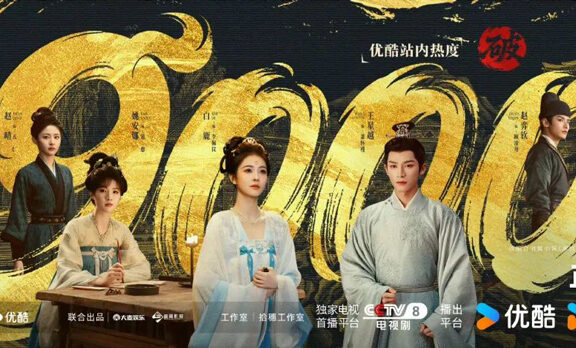
Unveil: Jadewind (唐宫奇案之青雾风鸣) introduces a captivating duo, Li Peiyi (李佩仪) and Xiao Huaijin (萧怀瑾). Their bond evolves through shared mysteries, not forced romance. She detects danger first; he notices hidden clues. This role swap feels fresh, emphasizing mental equality over typical tropes. Produced by Youku, the series has quickly gained traction, offering a nuanced take on adult relationships where intellect and mutual respect drive the narrative forward naturally. 1. The Sharp-Minded Pair Solving Palace Mysteries In a landscape often filled with predictable stories, a new drama arrives with the freshness of a morning breeze. It presents two individuals who speak the language of logic and share a passion for their work. Their connection is not built on fleeting glances but on the sharp exchange of ideas. This is a story where the mind takes the lead, and the heart follows close behind. It offers a narrative that feels both intelligent and deeply engaging, a rare treat for those who appreciate substance over style. Unconventional Heroes The story introduces us to Li Peiyi, a woman who defies expectations at every turn. Born a princess, she chooses a life of danger as an investigator in the Neiye Bureau (内谒局). Her focus is… -

Way of Choices: The Boy Who Challenged a Fated Union
At a lavish engagement ceremony meant to unite the human race, the grand doors burst open. A frail sixteen-year-old boy, predicted to die before twenty, steps forward and shouts, "I object." This isn't just a scene from a web novel; it's the pivotal moment in the new animated sensation, Way of Choices (择天记). But can a boy with a death sentence really disrupt a union blessed by emperors and sages, and what does his desperate stand say about the power of youthful defiance? The Unwanted Fiancé in a World of Dragons and Phoenixes The world of Way of Choices is one of breathtaking scale and deadly politics. The demon clan, a constant threat, eyes the human territories from the desolate north. Humanity itself is split into two major kingdoms, the Zhou and the Southern Archipelago, who desperately need a symbol of unity to stand against this common foe. This is the context for the seemingly perfect match between Qiu Shanjun (秋山君) of the Li (离) Mountain Sword Sect and Xu Yourong (徐有容), the jewel of the Divine General's estate. He is said to possess the rare True Dragon bloodline, and she, the even rarer True Phoenix bloodline. Their union is… -
The Great Ruler 2: Ling Xi and Mu Chen's Fated Bond
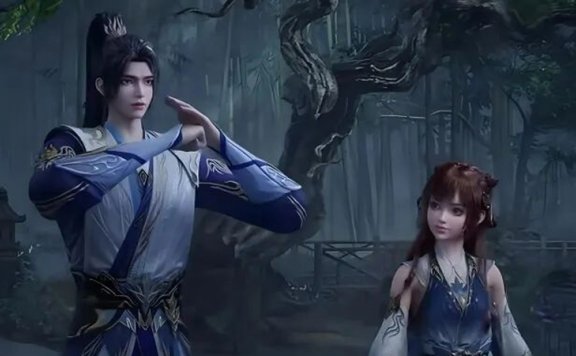
The latest episodes of The Great Ruler 2 (大主宰2) have introduced a character who instantly commands attention. She arrives not with a grand battle cry, but with an aura of icy stillness that quiets the very air around her. Viewers met Ling Xi (灵溪), a reclusive elder of the Beicang (北苍) Spiritual Academy, and her appearance has reshaped the stakes of the story. She is a woman whose beauty is as sharp as it is cold, yet beneath that frosty exterior lies a connection to the protagonist, Mu Chen (牧尘), that runs deeper than either of them currently understands. As the narrative hurtles forward, the focus sharpens on Mu Chen's desperate race against time. His beloved, Luo Li (洛璃), has been exposed as the princess of the Luoshen Clan (洛神族) and must soon return to her people, placing her in grave danger from the rival Blood God Clan. To keep her safe and earn the right to stand by her side, Mu Chen knows he must achieve a breakthrough in his spiritual cultivation. His path leads him to the one person who can help: the newly revealed and unapproachable Elder Ling Xi. The Frost That Guards a Hidden Flame Ling… -
Why Veteran Tea Lovers Swear by Gourd Canisters
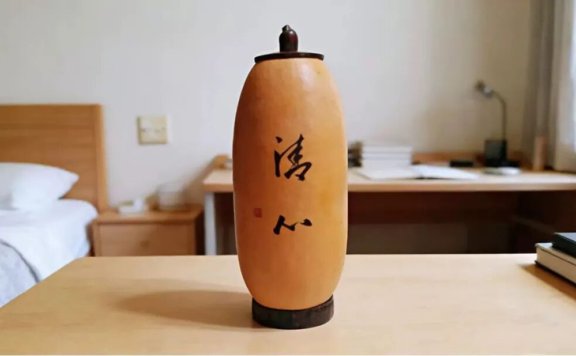
For seasoned tea drinkers, the quest for the perfect storage vessel is never-ending. Metal canisters can impart a taste. Clay jars might be too porous. Glass looks beautiful but fails to protect the tea from light. Amidst this search, one ancient container has quietly held its ground for centuries: the humble gourd. Passed down through generations of tea enthusiasts, it is not merely a container but a trusted companion in the art of aging and preserving tea. What is the secret behind this enduring appeal? Why does a simple, dried fruit shell outperform modern industrial designs for those who truly understand tea? The Breathable Wall The magic of the Gourd Tea Canister begins with its structure. Unlike the airtight seal of metal or the cold sterility of glass, the cured shell of a gourd retains microscopic pores. These tiny openings allow for an imperceptibly slow exchange of air. This gentle ventilation prevents the tea leaves from suffocating in a stagnant environment, a condition that can flatten vibrant flavors over time. Beyond simple breathability, the gourd acts as a natural humidity regulator. The inner lining of the dried gourd possesses a remarkable ability to absorb ambient moisture when the air is… -
Xingtian: Resilience in Yao-Chinese Folktales 2
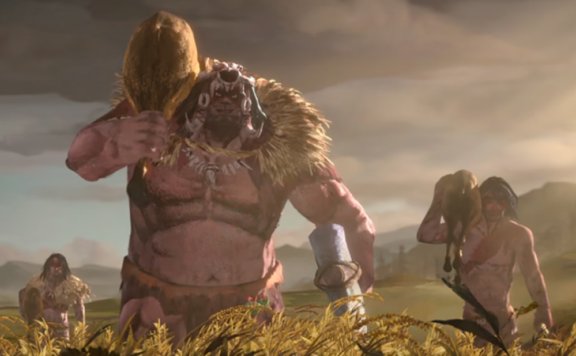
After a three-year wait, Yao-Chinese Folktales 2 (中国奇谭2) returns with nine new fantasy shorts, and among them, director Zhang Yang's (张扬) installment, Xingtian (刑天), has ignited the most passionate discussions. Moving away from the minimalist ink-wash style of the first season, this chapter uses a gritty, almost tactile 3D technique to reimagine the headless warrior from the ancient classic Shan Hai Jing (山海经). It’s not a simple retelling of myth; it’s a raw exploration of resilience, confusion, and what it means to define oneself when everything that identifies you is gone. By shifting focus from divine revenge to human survival, Xingtian holds up a mirror to the silent struggles of ordinary people today, making this ancient story feel startlingly new and personal . More Than a Myth: A Fresh Take on an Ancient Warrior To understand the impact of Xingtian, one must first understand its core intention. The creative team didn't aim to merely recreate the mythical figure from the Shan Hai Jing; instead, they anchored the story in the theme of "life," using the ancient tale to explore modern spiritual dilemmas . In traditional lore, Xingtian is the deity who fought the Supreme Deity for the throne of heaven.… -
Renegade Immortal: Why Situ Nan Recovers But Greedy Wolf Stagnates
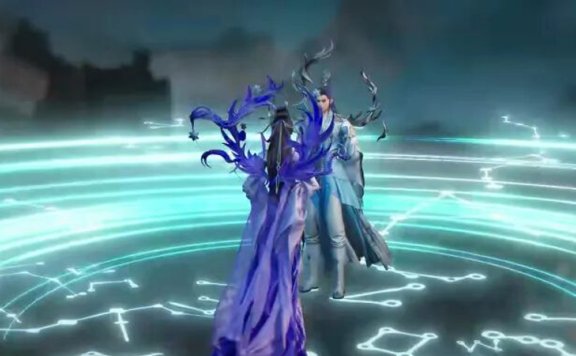
The hit animated series Renegade Immortal (仙逆) has captivated audiences with its intricate power system and dramatic confrontations. Currently, the narrative is heating up as various powerful figures converge on the Tidal Abyss, all vying for the Tidal Token to unlock the Qinglin (青霖) Immortal Mansion. Among them is the character Greedy Wolf, a once-formidable cultivator whose current predicament raises a fascinating question for fans: Why can one character, Situ Nan (司徒南), recover from a severe realm drop, while another, Greedy Wolf, remains trapped at the peak of the Wending stage despite years of effort? The answer lies not just in raw talent, but in unique opportunities and the fundamental nature of their power. Greedy Wolf’s Stagnation Greedy Wolf, known by the adage that he never visits a place without treasure, finds himself in a precarious situation. Hiding in the Tidal Abyss, he awaits the emergence of the Tidal Token, a key treasure also sought by major powers like Tian Yunzi (天运子) and the Blood Ancestor. His plan to use the cultivators trapped there as sacrificial offerings is stalled, not by altruism, but by fear of Ling Tianhou’s (凌天侯) residual sword energy. His current power level, peak Wending, is a… -

Renegade Immortal: Wang Lin's Tidal Abyss Windfall
In the treacherous depths of the Tidal Abyss, a place where most cultivators meet their doom, Wang Lin (王林) from Renegade Immortal (仙逆) transformed danger into a stunning windfall of power, ancient artifacts, and unparalleled spiritual evolution that would forever alter his path to immortality. The Tidal Abyss has always been whispered about in fearful tones among cultivators. It is a place where the very fabric of space seems to twist and tear, where ancient energies clash and create deathly currents capable of shredding both body and soul. For ordinary practitioners, venturing here is akin to walking into a dragon's den with no hope of return. Yet, for Wang Lin, this perilous location became a personal treasure trove. What started as a rescue mission for his ally Zhou Yi (周佚) turned into a series of fortuitous encounters. Zhou Yi, in a gesture of profound gratitude and recognition, severed his connection with his immortal sword and gifted it to Wang Lin. This was not merely a weapon transfer; it was the passing of a legacy. The sword, steeped in millennia of spiritual energy, immediately bonded with Wang Lin, becoming an extension of his will. Even Xu Liguo (许立国), Wang Lin's often… -
March 1st Shanghai Fangta Park Hanfu Lantern Festival Party
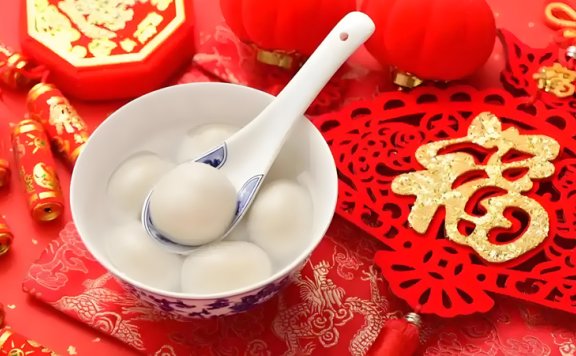
Have you ever wondered what it feels like to step directly into a traditional Chinese painting, surrounded by ancient architecture and the soft glow of lanterns? This March, Shanghai Fangta Park (上海方塔园) is turning that fantasy into reality by inviting thirty young men and women to ditch the modern world for an afternoon and immerse themselves in a curated Lantern Festival Garden Party. It is not just about observing traditions; it is about living them. Performance Time: Sunday, March 1st, 2026 Venue: Shanghai Fangta Park An Invitation to Step Into the Frame This isn't your typical festival fair where you simply walk around and look at displays. The park is actively seeking thirty participants to become part of the living tapestry. Organizers want you to "enter the painting," not just watch it from the outside. Scheduled for the afternoon of March 1st, this event is a deliberate move away from passive observation. It asks you to wear a set of Hanfu, the traditional clothing of the Han Chinese, and wander through the classical gardens as if you truly belong to another era. The focus is on personal experience, making the ancient traditions feel immediate and personal. By limiting the main… -
How Dare You: Fate’s Twist That Saved the Emperor
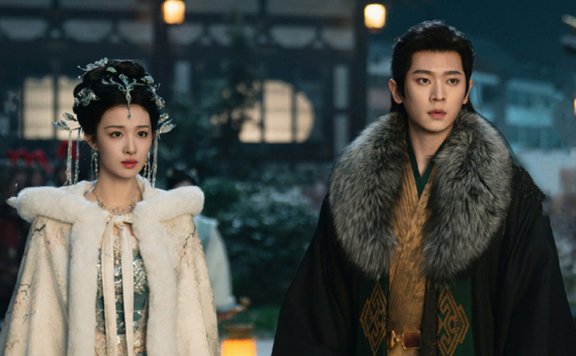
What if the greatest gift in Yu Wanyin's (庾晚音) tragic life wasn't her soulmate, but her greatest enemy? The finale of the hit series How Dare You (成何体统) delivers a twist so sharp it redefines the entire narrative. While viewers watched the emotional climax centered on Xiahou Dan's (夏侯澹) poison and the sacrificial flower from the mute girl Huahua (花花), the original novel reveals a far more intricate and ironic truth. The antidote that saves the dying emperor does not come from divine intervention or the kindness of a friend. It comes, indirectly and unintentionally, from the meticulous scheming of his most determined foe: Prince Duan (端). This article delves into the layers of fate, miscalculation, and unexpected salvation that define the story's end, exploring how a villain's backup plan became the hero's lifeline and why Yu Wanyin's ultimate fortune was stranger than fiction. The Silent Assassin's Unwitting Gift In the desperate hours following Xiahou Dan's collapse, the court physician Xiao Tiancai (萧添采) is helpless. The crucial ingredients from the Qiang (羌) Kingdom are unobtainable. It is here that Huahua, the mute maid introduced as a tragic figure, makes her move. Operating under a deep-cover mission as a Qiang sleeper… -
Harbin Bookstore’s Hanfu Lantern Festival Feast on March 1st
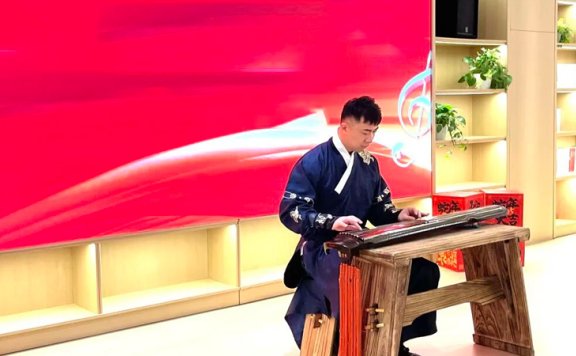
What if you could step through the doors of a modern bookstore and find yourself in a classical Chinese painting? On March 1st, the Harbin Xinhua Bookstore is transforming its third floor into a living tableau of lanterns, moonlight, and ancient melodies. It’s inviting the public to do more than just read about tradition—it’s asking them to wear it, hear it, and play it. This isn't a history lesson; it's a sensory invitation to experience the Lantern Festival through the rustle of Hanfu silk, the twang of the Guqin (古琴), and the suspense of a well-aimed arrow in a pitch-pot game. As the last of the winter snow melts outside on Gogol Street, inside, the warmth of community and culture awaits. Performance Time: Sunday, March 1st, 2026 at 14:00 Venue: Harbin Xinhua Bookstore Music on the Strings, Spring in the Air Forget a stuffy concert hall. Here, the music is part of the atmosphere. The Longjiang Guqin Society (龙江古琴社) is set to perform Drunken Fisherman Singing the Evening (醉渔唱晚) and Beating Clothes (捣衣). These are not just tunes; they are stories told through the fingers. One piece might paint a picture of ancient warriors on horseback, fitting for the energy… -
Hanfu Horse Patterns Through Chinese Dynasties
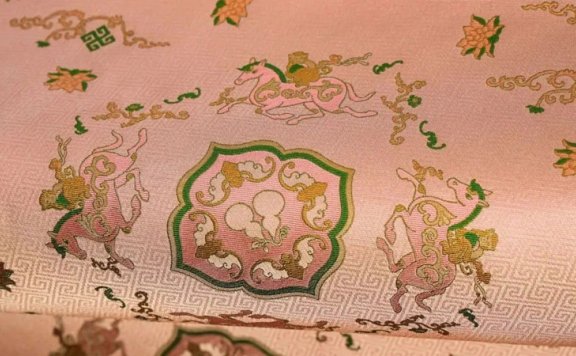
As the Year of the Horse gallops into our lives, the streets are filled with decorations featuring this majestic animal. But the presence of the horse in Chinese culture extends far beyond New Year's ornaments. For centuries, it has been a powerful symbol woven into the very fabric of Hanfu, China's traditional clothing. From mythical beasts to emblems of official rank, the evolution of the horse motif offers a unique lens through which to view the changing aesthetics and values of Chinese civilization. Join us as we trace the hoofprints of this enduring symbol across the rich tapestry of history. Qin and Han Dynasties The story of the horse in Chinese art begins long before it appeared on clothing. In ancient texts like the Zhou Yi · Shuo Gua (周易・说卦), the horse was associated with the creative power of heaven, embodying strength, perseverance, and noble spirit. During the Qin and Han dynasties, this reverence took physical form in magnificent bronze sculptures, such as the renowned horses from the Terracotta Army of Emperor Qin Shi Huang (秦始皇). These were realistic depictions of a vital military asset. However, on the textiles of the time, the horse was notably absent, with cloud and… -
Han Li's Nascent Soul vs Wang Lin's Wen Ding
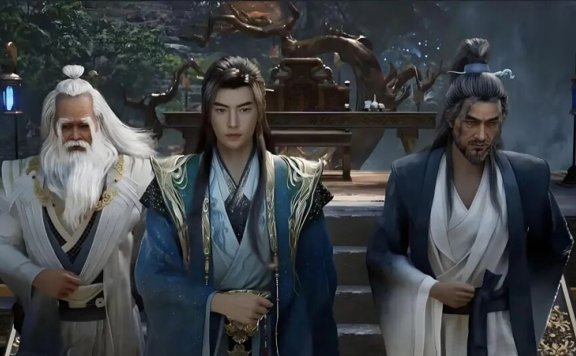
In the vast and ever-expanding universe of Chinese animation, two cultivation stories have risen above the rest, sparking endless debates among fans. On one side stands the cautious everyman, and on the other, the passionate rebel. Their moments of ultimate breakthrough—Han Li's (韩立) Nascent Soul formation and Wang Lin's (王林) ascent to the Wen Ding (问鼎) stage—are not just plot points; they are cultural phenomena. Which of these iconic scenes truly represents the pinnacle of what Guochao (国潮) animation can achieve? Let's delve into a head-to-head comparison of these two legendary milestones. The Numbers Game When it comes to raw popularity, Han Li's Nascent Soul formation in A Mortal's Journey (凡人修仙传) set an almost insurmountable bar. The episode didn't just go viral; it broke the internet—literally. Upon its release, the surge of viewers caused Bilibili's servers to crash, stranding hundreds of thousands on login screens for up to fifteen minutes. The official statistics were staggering: a single-day play count exceeding 4.2 billion and over 440,000 concurrent online viewers, a record that still stands as a testament to the show's massive appeal. For a brief moment, the digital world ground to a halt just to witness the "Han the Mage" claim…
