Article
搜索结果:
-
Why Does Liu Yifei's Vogue Look Feel Both Fresh and Familiar?
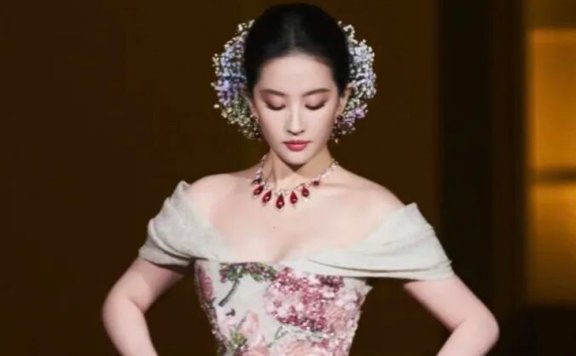
At a recent Vogue event, actress Liu Yifei captivated audiences with an elegant gown and a hairstyle that sparked both admiration and a sense of déjà vu. Her look featured two symmetrical bundles of baby's breath flowers arranged on either side of her head, creating a soft, ethereal version of a classic form. This was not a simple updo; it was a modern, weightless interpretation of a traditional Chinese hairstyle known as Shuang Huan Ji (双鬟髻), a double-knot style historically worn by young, unmarried women. Its immediate appeal lies in this clever fusion—using a contemporary, delicate material to evoke a silhouette deeply rooted in the past, making it feel both fashionable and timelessly beautiful. Historical Roots The double-knot hairstyle has a long history in China. During the Tang Dynasty, a version called the Shuang Chui Ji, or double drooping knots, was popular, often worn by young maids. Positioned near the cheeks, this style naturally conveyed a playful and youthful energy. There were no strict rules for its size or exact placement, allowing it to be adapted to flatter different face shapes. It evolved into variations like the Bang Zhu Tou (蚌珠头), or "clam pearl head," a name that poetically suggested… -
What Secrets Lie in the Lipstick Styles of The Tale of Yingying?
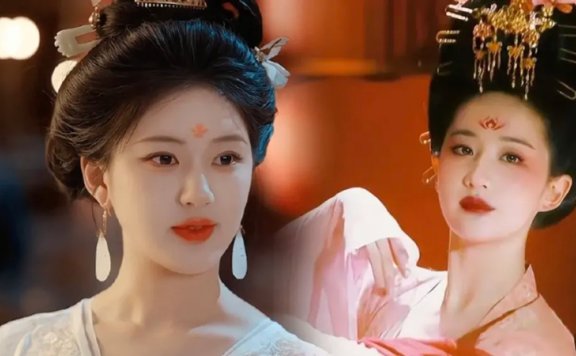
In a world where bold, full lips often dominate beauty trends, the ancient Chinese approach to lipstick offers a surprising contrast. For centuries, Chinese cosmetics emphasized subtlety and precision, with lip colors designed to enhance natural features rather than overwhelm them. This philosophy dates back over two millennia, evolving through dynasties like the Tang, where lipstick became both an art form and a cultural symbol. Unlike Western styles that prioritize volume, Chinese traditions focused on delicate shapes and a rich palette of hues, each with its own story. From romantic exchanges in classical literature to economic insights, lipstick in China has always been more than mere decoration—it's a window into societal values and personal expression. Ancient Beginnings The origins of Chinese lipstick trace to the Warring States period, where early forms were derived from natural sources. Yan Zhi (燕支), as it was known, started as a plant-based product made from the juice of red and blue flowers, often mixed into pastes. Historical texts like Essential Techniques for the Welfare of the People (齐民要术) detail recipes blending ingredients such as cloves and animal fats with pigments like cinnabar. This innovative use of organic materials allowed for versatile applications, where the same… -
Ouyang Nana: How Did the Cloak Conquer Fashion?
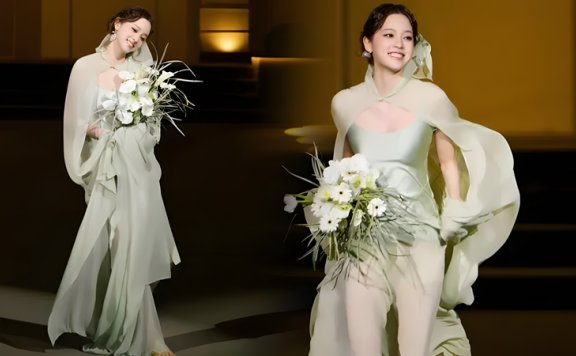
At a recent glamorous event, the young musician and actress Ouyang Nana (欧阳娜娜) made a striking departure from the sea of strapless gowns. She opted for an elegant ensemble featuring a cloak, a choice that was both seasonally appropriate and visually captivating. This look, celebrated by fans online, sparks a simple question. How did this ancient garment transition from pure practicality to a timeless fashion statement? The answer lies in a journey that spans centuries and continents, revealing a story of adaptation and enduring style. Ancient Beginnings The cloak's origin is rooted in universal human need. Across different civilizations, people developed simple, oversized garments to shield themselves from harsh weather. The earliest versions were essentially large pieces of material, sometimes with a tie, designed to be draped over the body. Their primary function was straightforward: to block rain and retain warmth. In ancient China, one of the earliest forms was the Suo Yi (蓑衣), a cloak woven from grass or straw. These early designs often separated the hood from the main garment. This separation was a practical consideration, allowing for versatile use. The core design principle was efficiency. For rainwear, the sloped shape allowed water to run off easily. For… -
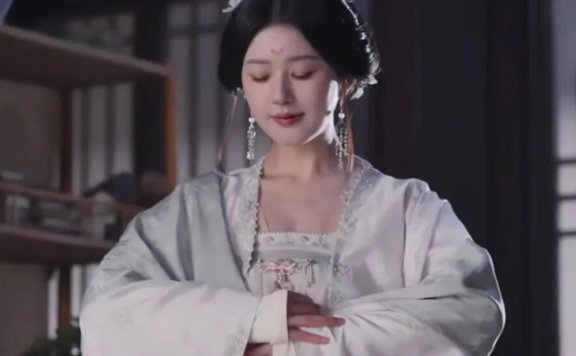
How Traditional Chinese Fashion Champions Comfort Without Tight Fits
In today's fashion landscape, where body-hugging outfits and defined waistlines dominate, many people feel pressured to conform to restrictive clothing standards. Traditional Chinese attire, however, offers a refreshing alternative by prioritizing natural movement and ease over constriction. Rooted in historical practices, this approach uses intelligent design principles to ensure garments adapt to the wearer, not the other way around. By exploring concepts like added fabric space and fluid silhouettes, we can uncover a philosophy that values comfort and elegance equally. This perspective challenges modern norms and invites us to rethink how clothing should make us feel—empowered, comfortable, and authentically ourselves. As we delve into specific elements, it becomes clear that this isn't just about aesthetics; it's about fostering a healthier relationship with what we wear every day. The Fangliang Principle At the core of traditional Chinese clothing is Fangliang (放量), which involves intentionally adding extra space to garments beyond basic body measurements. This design choice ensures that clothes move with the wearer, allowing for a full range of motion without sacrificing style. For example, sleeves are often extended by at least 10 centimeters past the fingertips, enabling them to drape gracefully or cover hands during formal occasions. This not only… -
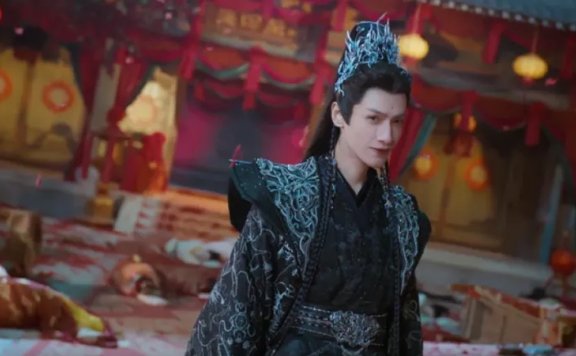
Exploring Tang Lici’s Quest and Fractured Bonds in Whispers of Fate
Is Whispers of Fate (水龙吟) The Next Big Thing in Wuxia Television? After its highly anticipated premiere, this new series is already generating significant buzz. Unlike typical martial arts stories, it introduces audiences to a world where Jianghu is intertwined with mystical elements, creating a unique Xianxia narrative. The story pulls viewers into a complex web of mystery from the very first scene, focusing on the enigmatic protagonist Tang Lici (唐俪辞) as he navigates a landscape of framed crimes and personal vendettas. This is not merely a detective story set in ancient times; it is a deep exploration of human relationships, causality, and the blurred lines between good and evil. A Mysterious Premise The series opens with a visually striking sequence reminiscent of Chinese gothic horror. Under a full moon, a palanquin carried by masked figures glides through the night. The mysterious passenger within is revealed to have a strikingly androgynous face. This palanquin descends upon a bustling marquis's estate, where a wedding celebration is underway. The old marquis is marrying a young woman named A Shei (阿谁), who sold herself into the marriage to bury her father. The festive atmosphere is shattered when the haunting sound of a Pipa… -
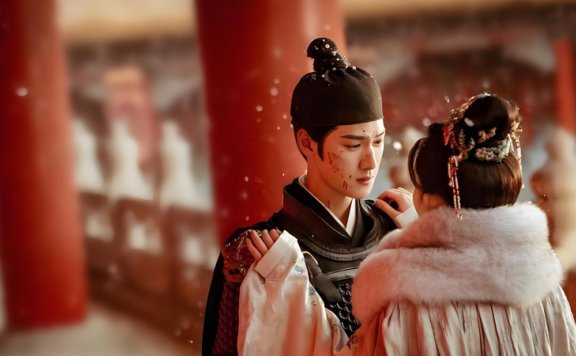
Love in the Clouds: A Dual Power Struggle in Fantasy
In the crowded autumn entertainment lineup, Love in the Clouds (入青云) has quickly captured audience attention with its unique premise and visual intensity. Starring Hou Minghao (侯明昊) and Lu Yuxiao (卢昱晓), this series unfolds in the mystical realm of He Xu Liu Jing (合虚六境), where spiritual energy dictates social order. Adapted from a popular novel, the drama blends a high-stakes love story with underlying political schemes, creating a narrative that feels both epic and intimately human. Its arrival has sparked conversations not just about its aesthetic achievements but also about the execution of its core elements, positioning it as a talking point in contemporary television. Power Dynamics The relationship between Ming Yi (明意) and Ji Bozai (纪伯宰) forms the emotional backbone of the story. Ming Yi, portrayed by Lu Yuxiao, spends years disguised as the male warrior Ming Xian, guarding Yaoguang Mountain (尧光山) and dominating the Qingyun Grand Assembly (青云大会). Her true identity—a woman weakened by poison and bound by family duty—adds layers to her character, challenging traditional gender roles in fantasy narratives. This setup allows for a dynamic where both leads operate from positions of strength, their interactions fueled by mutual suspicion and growing respect. Ji Bozai, played by… -
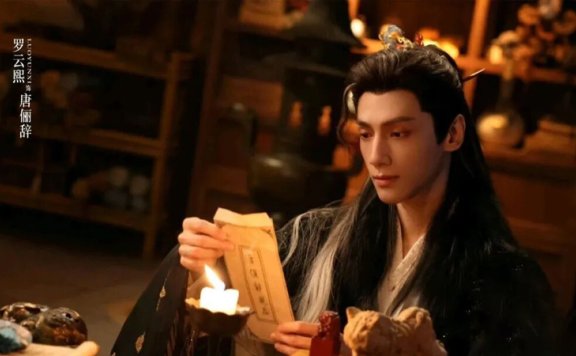
Is Whispers of Fate Revolutionizing Fantasy Wuxia Television?
The sudden premiere of Whispers of Fate (水龙吟) on Mango TV has sent ripples through the world of period dramas. After watching the first three episodes, it is clear this series is not just another addition to the genre. It feels like a fresh gust of wind, promising to redefine what audiences expect from fantasy and martial arts storytelling. With its intricate plot and compelling characters, the show immediately grabs hold and refuses to let go. It weaves a tale that is both familiar in its roots and startlingly new in its execution, setting the stage for what could be the most talked-about release this year. Narrative Drive At its core, Whispers of Fate is a masterful blend of fantasy, Wuxia, and detective mystery. The story kicks off with the brutal massacre of the Hao family (郝府) during a wedding ceremony. The sole survivor, a young bride named A Shui (阿谁), is left to identify the alleged perpetrator, a man named Tang Lizci (唐俪辞). This event forces him out of seclusion and into a dangerous investigation. The plot moves at a breakneck speed, packing each scene with clues, action, and character development that demands the viewer's full attention. The integration… -
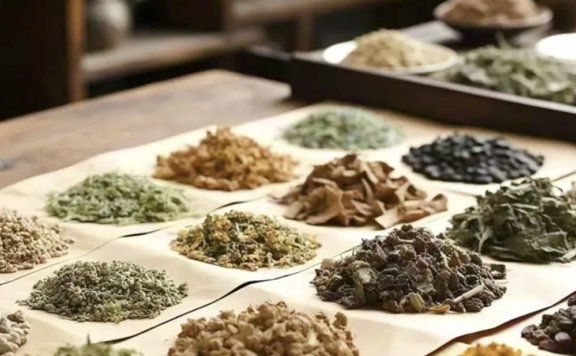
How DIY Chinese Herb Crafts Boost Daily Wellness & Style
In an era where self-care and mindfulness dominate lifestyle trends, traditional Chinese herbs are shedding their image as mere medicinal ingredients. They are now stepping into the spotlight as central elements in do-it-yourself projects that merge nature, art, and personal well-being. This movement goes beyond simple crafting; it represents a creative fusion where ancient botanical wisdom meets contemporary design. People are discovering that herbs like Bajiao (八角) and Hongdou (红豆) can be transformed into beautiful, functional items for everyday use. By engaging in these hands-on activities, individuals connect with nature in a tactile way, turning health rituals into expressive, sensory experiences. This approach not only promotes relaxation but also invites a deeper appreciation for the textures and scents of natural materials, making wellness an integral part of daily life without the need for complex routines. Herbal Jewelry Imagine carrying the essence of a lush garden with you wherever you go. Herbal jewelry makes this possible by incorporating dried Chinese herbs into accessories like necklaces, bracelets, and earrings. For instance, the star-shaped Bajiao adds a geometric touch, while the vibrant red Hongdou serves as a natural bead. These pieces are often combined with simple materials such as hemp cord or wooden… -
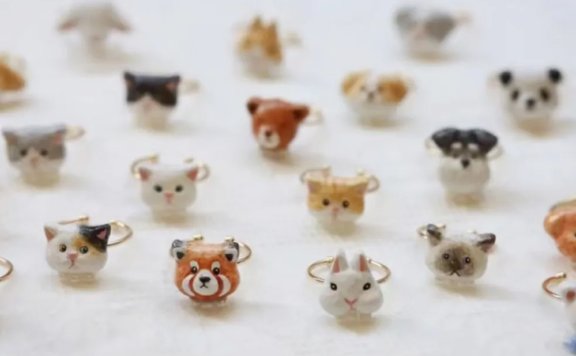
DIY Pet Craft Championship: Vote for Cutest Handmade Buddy!
The number of pets in households is soaring, with nearly 200 million companion animals, primarily dogs and cats, becoming integral parts of families. This surge has ignited a passion for creating personalized items, leading many to explore do-it-yourself projects. Instead of solely purchasing mass-produced products, owners are crafting unique accessories and decor that reflect their pets' personalities. This movement blends creativity with practicality, offering a special way to celebrate the bond between humans and their animal friends. The following sections delve into popular methods, showcasing how simple materials can be transformed into cherished keepsakes or functional gadgets. Simple Soft Crafts Wool felting stands out as a favorite for its fluffy texture that mimics a pet's fur. Crafters often shape it into pendants, keychains, or brooches, resulting in lightweight items that are easy to carry around. What makes this technique particularly meaningful is the option to incorporate a pet's own shed hairs, adding a personal touch. The process involves needle-felting or wet-felting to compact the fibers into durable forms. Beginners find it accessible due to the minimal tools required—just wool, needles, and a foam pad. With practice, these creations can capture adorable likenesses, making them perfect gifts or mementos. Another approach… -
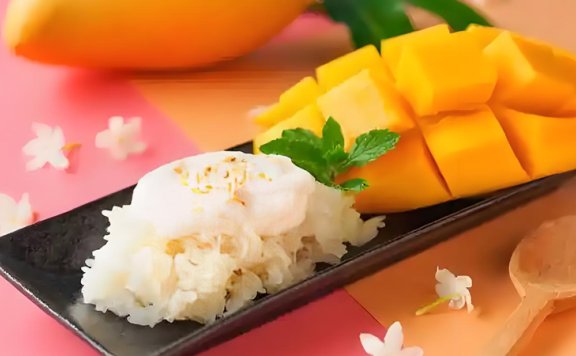
Exploring 10 Versatile Ways to Cook with Nuomi
My early years were spent in the dry northern plains, where meals rarely featured the sticky, glutinous rice common in southern kitchens. I knew Nuomi (糯米) only through the sweet, powdered form of Yuanxiao (元宵) during festivals. Life shifted when I relocated my family to Yunnan (云南), a place where this grain thrives in the humid climate and becomes a daily staple. Here, it is not just food; it forms the backbone of countless local dishes, offering both sustenance and comfort. In my new home, I discovered how Nuomi serves as a versatile base for meals. One simple preparation involves steaming it with red beans and wrapping the mixture in lotus leaves, creating a fragrant parcel. Another favorite is frying it with minced meat and spring onions until it develops a crisp, golden crust. These methods highlight its ability to absorb flavors while maintaining a pleasing, chewy texture that contrasts with other ingredients. Beyond taste, this grain provides steady energy and is gentle on the stomach, making it a reliable part of the diet. Sharing these cooking styles feels like revealing small secrets from my kitchen. Perhaps you have your own version, or maybe this sparks an idea to experiment… -
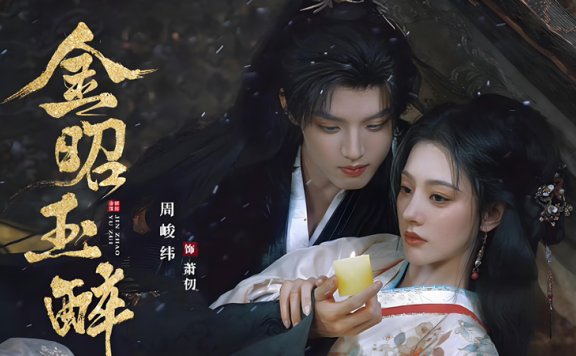
Gemini: Bilibili Short Drama's Viral Blueprint
On Bilibili, a platform known for its vibrant community, the short drama Gemini (金昭玉醉) has sparked significant attention. This historical series blends suspense and romance, drawing viewers into its layered character dynamics and plot twists. Audience participation through Danmu (弹幕) comments transforms watching into an interactive event, where fans exchange insights and reactions in real time. Gemini recently achieved a milestone by becoming the fastest series to accumulate 100 million views on Bilibili. It maintains top positions across multiple platform rankings and continues to attract viewership after its initial run. Beyond Bilibili, it generates substantial traction on social media, with trending topics and widespread discussions highlighting its cross-platform appeal. The drama distinguishes itself by resonating with a diverse audience. While many short-form productions focus narrowly on younger demographics, it appeals to a wider range through thoughtful storytelling and emotional authenticity. This approach questions the industry's emphasis on rapid content turnover, demonstrating that substance can drive both immediate impact and sustained interest. Fans actively shape the series' cultural presence. They generate memes, such as comparing a contractual scene to historical practices, or celebrating intense moments as iconic. Director Xizi incorporated subtle nods, like those in "Xizi Wanzi" (喜子丸子), which enthusiasts enjoy… -
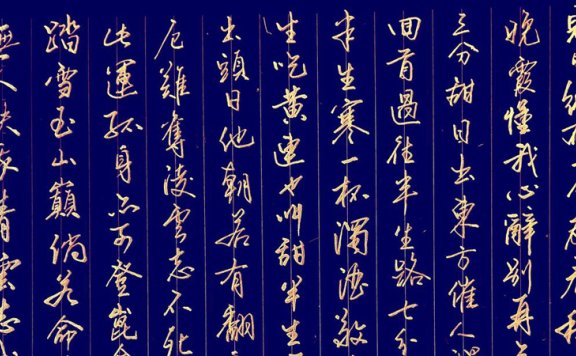
Origin and Transformation of Chinese Calligraphy Art – Focusing on Running Script
Running Script offers a dynamic approach to Chinese calligraphy, blending speed with structured form. It developed as scribes sought quicker methods for documentation and artistic expression. Over time, practitioners refined its flowing lines, creating pieces that feel both spontaneous and deliberate. This style allowed individuals to imprint their personality onto each character, moving beyond rigid norms. Its adaptability made it a medium for cultural exchange, influencing artistic practices in neighboring regions. Today, it stands as a vibrant part of China's artistic legacy, studied for its technical grace and historical role in communication. 1. Script Origins The development of Running Script began during the Han Dynasty (汉代), a period marked by administrative expansion and cultural exchange. As documentation needs grew, scribes sought a middle path between the strictness of official scripts and the speed of cursive forms. This practical demand fostered a writing style that balanced clarity with efficiency, allowing ideas to flow onto silk and paper with renewed grace. Calligraphy theorist Zhang Huaihuan (张怀瓘) later defined this style in his work Shu Duan (书断). He noted its creation by Liu Desheng (刘德昇), emphasizing its role as a moderated version of standard script. Running Script avoids the rigid structure of regular… -
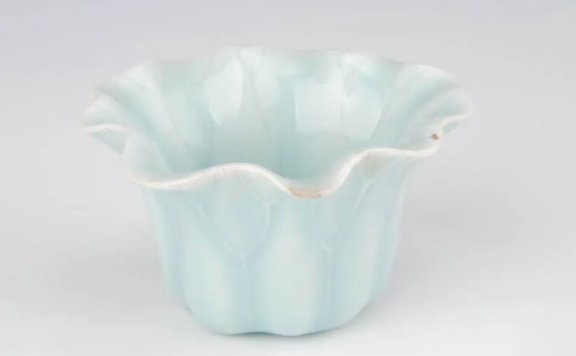
The Evolution of the Dongqing Glazed Lotus Leaf Cup
A cup shaped like a curling lotus leaf rests in a collection. Crafted in the Qianlong kiln (乾隆窑), the Dongqing Glazed Lotus Leaf Pattern Cup (东青釉荷叶纹杯) displays a muted gray-green hue, free from firing marks. Its surface veins appear stirred by a soft pond wind. The three Guan sisters (关氏三姝) donated it to the Ba Gui treasure house (八桂宝库). The glaze's crackled texture holds knowledge from generations of kiln workers. A raised lotus seedpod at its center reflects a literati's quiet resolve. Morning light grazing the surface reveals the artisan's historic pursuit of unity with the natural world. 1. Dongqing Glaze: A Quiet Shade of Jade The story of Chinese porcelain is often told in brilliant blues and stark whites, but its soul resides in quieter hues. Among these, the subtle glow of Dongqing glaze holds a special place. It is a color that does not shout but whispers, a soft, greyish-green that captures the essence of a tranquil moment. This specific celadon tone, achieved through centuries of refined technique, represents a peak of artistic restraint. Its value lies not in intricate painted scenes, but in the profound depth of its color and the flawless, glass-smooth surface of the glaze.… -
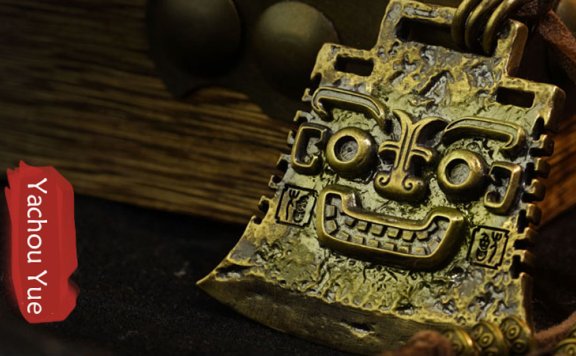
The Yachou Yue: A Bronze Enigma from Shang Dynasty
In the heart of the Shandong Museum resides a captivating bronze relic from China's Shang Dynasty: the Yachou Yue (亚醜钺). This ancient ceremonial axe, distinguished by its striking, almost smiling, human-like face, is far more than a weapon. Unearthed by chance in 1965, it embodies the complex interplay of military power, spiritual belief, and masterful artistry of its time. Its unique design, featuring a mysterious grin and an enigmatic inscription, continues to intrigue scholars and visitors alike, serving as a powerful window into a long-lost civilization. 1. What is the Yachou Yue? In 1965, a quiet field in Qingzhou (青州) revealed a secret buried for millennia. Archaeologists worked at the Subutun (苏埠屯) site, a key Shang Dynasty location in Shandong known for ancient bronzes. Initially, heavy looting left little hope, but the mood shifted when a bronze weapon emerged from the northern passage, hinting at wonders beneath the soil. 1.1 Lucky Accident An elderly laborer, frustrated at missing earlier finds, muttered while digging. Suddenly, his tool hit something hard with a loud clang. That sound unveiled the Yachou Yue, though the impact chipped its corner. This moment turned disappointment into triumph, adding a personal touch to the excavation. Teams carefully… -
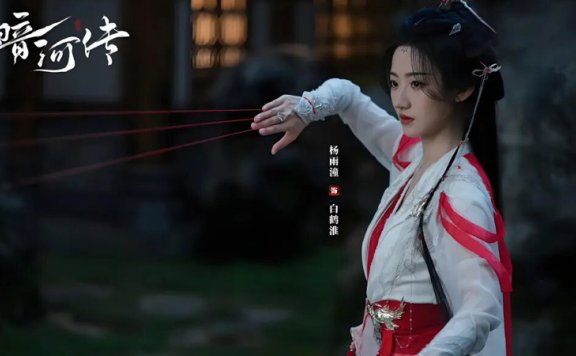
Blood River: The Clash of Su and Mu Families
In the realm of martial arts tales, Dark River stands as a formidable force, known for its lethal precision and shadowy operations. This organization, often whispered about in hushed tones, has shaped events across various narratives, including Dashing Youth (少年白马醉春风) and The Blood of Youth (少年歌行), where it played pivotal roles. Now, Blood River (暗河传) brings its essence to the forefront, focusing on the journeys of Su Muyu (苏暮雨) and Su Changhe (苏昌河). Their mission is not just about survival but transforming it into something renewed, challenging old boundaries and forging a path toward change. Through their struggles, they navigate a world where loyalty and ambition collide, redefining what it means to lead and protect. It is a tale of personal growth and collective ambition, set against a backdrop of intrigue and conflict. The Shadowy Struggle for the Crime Lord's Throne In the shadows of the martial world, an organization known as Dark River operated, a feared name synonymous with death and secrecy. For generations, it was governed by a triumvirate of families—Su, Mu, and Xie—each contributing their unique skills to maintain its formidable reputation. At its apex sat the Patriarch, a figure holding absolute authority symbolized by the possession… -

What Stories Do These 1920s Chinese Evening Bags Tell?
In the heart of Zhejiang Province Museum, the "Blooming" exhibition presents a captivating array of evening bags that blend Eastern artistry with Western fashion. These pieces, dating from the 16th to the 20th centuries, showcase how Chinese motifs and craftsmanship were integrated into accessories for formal occasions. Unlike typical Western designs, these bags use silk, precious metals, and intricate techniques like Kesi (缂丝) and Luodian (螺钿) to convey cultural narratives. Each item serves as a portable canvas, reflecting societal values and artistic evolution during a period of global exchange. This collection not only highlights aesthetic beauty but also invites viewers to appreciate the deeper meanings woven into every stitch and pattern. Silk Landscapes One standout piece from around 1920 is a light blue silk evening bag adorned with a detailed landscape scene. The primary design features symmetrical vase patterns, symbolizing peace and safety, flanked by peonies, lotuses, and chrysanthemums. These flowers are intertwined with scrolling grass motifs, all executed in the Kesi technique, which involves discontinuous weft threads to create a carved, three-dimensional effect. This method, often described as "an inch of Kesi equals an inch of gold," required immense skill and time, making each bag a unique masterpiece. The… -
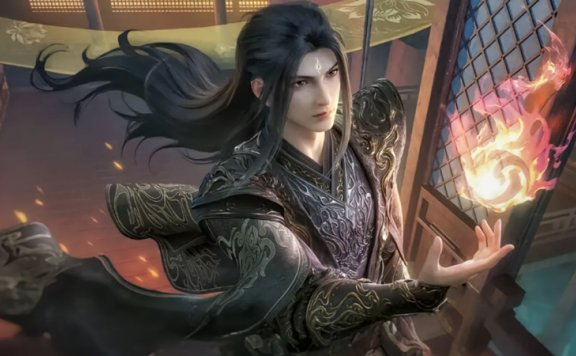
What Divine Chances Did Xiao Yan Seize?
In the dynamic universe of Battle Through the Heavens (斗破苍穹), Xiao Yan (萧炎) achieves a monumental breakthrough by ascending to the Dou Sheng (斗圣) level, marking a new chapter filled with extraordinary encounters. After emerging from secluded training at Starfall Pavilion, he steps into the world as a One Star Dou Saint, poised to uncover secrets that defy ordinary cultivation limits. This phase of his journey is not just about power accumulation but about seizing rare opportunities that reshape his destiny and the fate of those around him. From ancient relics to fierce battles, each moment contributes to his growth, setting the stage for an epic tale of resilience and triumph. Huangquan's Gifts Xiao Yan's first significant acquisition was the Huangquan Blood Crystal (黄泉血晶), a rare material essential for crafting the Nine Yin Huangquan Pill. He journeyed to the Nine Serene Yellow Spring (九幽黄泉) with allies like Medusa, where he assisted Yao Ming (妖瞑), leader of the Nine Serene Earth Python Tribe, in gaining freedom. In return, he obtained the crystal, which proved vital in refining the pill needed to tame the Netherworld Demon Flame. This endeavor not only secured a lifesaving tool but also deepened his connections in the… -
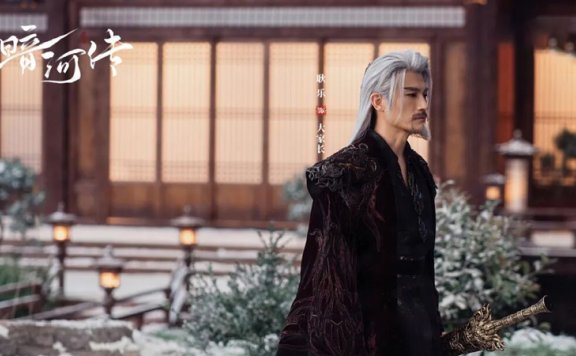
Unpacking Youku’s New Wuxia Series Blood River
What happens when the most feared assassin in the land is the one trying to prevent a war? This is the central question gripping viewers of the new Wuxia series, Blood River (暗河传), which premiered its first five episodes on October 20th on the Youku platform. The show plunges audiences into the shadowy world of Anhe (暗河), a legendary and mysterious guild of killers. Based on the novel by Zhou Munan, this series exists within the same narrative universe as his previous hits, The Blood of Youth (少年歌行) and Dashing Youth (少年白马醉春风), sharing the same director and screenwriter. Unlike its more brightly lit predecessors, Blood River immediately establishes a darker, more morally complex tone. The story ignites when the guild's patriarch, returning from a duel, is mortally poisoned, creating a power vacuum that threatens to shatter the organization from within. At the heart of the ensuing storm are two master assassins, whose brotherhood is about to be tested by ambition and conflicting loyalties. The Web of Loyalty The Patriarch's survival hinges on finding the reclusive healer, Baihe Huai. He dispatches his most trusted operative, the ghostly Zhi San Gui (执伞鬼) or "Umbrella Ghost," Su Muyu (苏暮雨), played by Gong Jun.… -
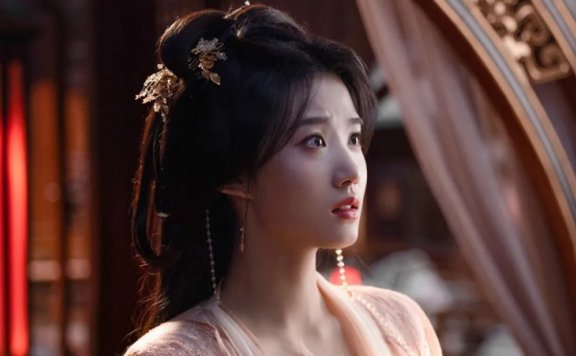
Love in the Clouds: When Deceit Weaves a Tender Tragedy
In the ever-expanding universe of historical fantasy dramas, a new narrative dares to ask a painful question: what happens when a relationship built on deceit begins to feel real? Love in the Clouds (入青云), a recent series starring Hou Minghao (侯明昊) and Lu Yuxiao (卢昱晓), delves into this very conflict with a refreshing authenticity that has captivated audiences. Unlike many of its peers that rely on grandiose battles or convoluted mythologies, this drama finds its strength in the quiet, complicated space between two people who are supposed to be enemies. It presents a world where a single lie, told for survival, unravels into a web of emotional entanglement, setting the stage for a love story that is as tender as it is tragic. The initial sweetness of their connection makes the impending heartbreak all the more profound, creating a viewing experience that is both delightful and devastating. The Disguise Ming Yi (明意) is not your typical female lead in a Xianxia drama. For years, she lived as Ming Xian (明献), the undefeated crown prince of Yaoguang Mountain (尧光山), her true identity hidden beneath a male facade commanded by her mother. Her seven-year winning streak wasn't just a record; it was… -
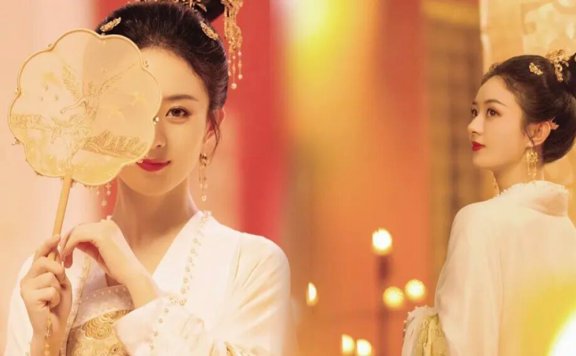
Is Zhao Liying's Tang Dynasty Dress Real?
When Zhao Liying (赵丽颖) shared her recent photoshoot, fans were captivated by a dress that seemed to step out of ancient China. This garment, featuring an outer chest wrap and flowing sleeves, has ignited discussions about its place in history. Often called the Hezi (诃子) skirt today, it blends elegance with mystery, raising questions about its authenticity. As viewers admire its beauty, they wonder if such attire truly existed in the past or if it is a modern reinvention. This article explores the story behind this style, from its debated origins to its role in contemporary fashion, offering insights into how we connect with history through clothing. What is Hezi? The term Hezi refers to a type of chest wrap that forms part of a skirt ensemble, commonly seen in historical-inspired outfits. In modern Hanfu circles, it describes a dress where the chest piece is worn over an inner layer, creating a distinctive look. This design gained popularity through media portrayals, especially in period dramas, where it symbolizes Tang Dynasty aesthetics. However, the name itself is a recent creation, not found in ancient texts, which adds to the confusion. People often associate it with grace and tradition, yet its definition…