Article
搜索结果:
-
The History of China's Sheng Hair Ornament
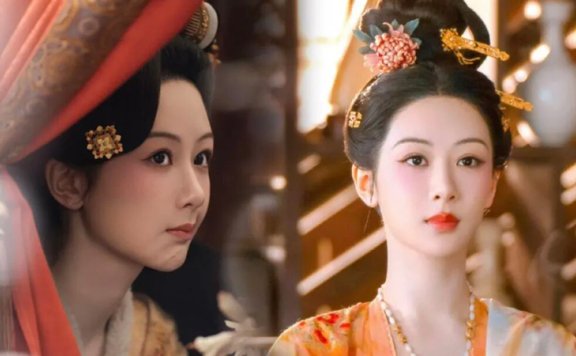
Have you ever been watching a historical Chinese drama and noticed something strange on a character's head? In the series Flourished Peony (国色芳华), the actress Yang Zi, who plays the character He Weifang (何惟芳), is often seen wearing a curious square-shaped hair ornament. It looks so modern and geometric that viewers might mistake it for a pixellated mosaic. This is no costume designer's error, but a revival of an ancient tradition. This distinctive accessory, also spotted on characters of noble birth, is a real historical artifact known as a Sheng (胜). Its journey from a practical tool to a sacred symbol and finally a fashionable hairpin is a fascinating story woven through centuries of Chinese culture. Mythical Origins The story of the Sheng begins not on a dressing table, but in the realm of myth. Its earliest association is with the powerful goddess Xiwangmu (西王母), the Queen Mother of the West. Ancient texts like the Classic of Mountains and Seas (山海经·西山经) describe her appearance: she resembles a human but has a leopard's tail and tiger's teeth, with disheveled hair and a Sheng upon her head. She was a deity who governed celestial punishments and disasters. Later interpretations, however, linked her… -
Song Qian's Ethereal Dress Shines with Ancient Oxalis Knots
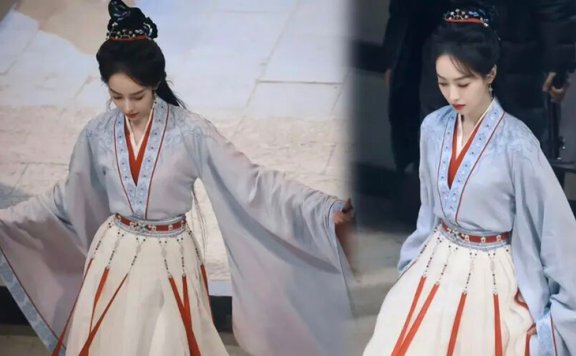
In the captivating world of historical dramas, certain costumes stand out and capture the audience's imagination. One such example is the elegant dress worn by Song Qian (宋茜) in the television series Fight for Love (山河枕), which has garnered attention for its ethereal and fairy-like appearance. Set against a backdrop of ancient China, this attire features a unique decorative element that adds a dynamic flow to the skirt, making it seem almost magical. This accessory, often seen as elongated pendants or knots, plays a crucial role in enhancing the garment's visual appeal. But what exactly is this decoration, and how does it contribute to such a mesmerizing effect? This article delves into the details of this ancient art form, exploring its design, historical context, and the subtle ways it elevates traditional clothing. The Elegant Knot At the heart of this enchanting costume lies a distinctive knot known as the Oxalis Knot. This intricate design typically consists of three or four loops arranged in a pattern reminiscent of a cloverleaf. Crafted from slender silk ribbons, it is often used in combinations, such as double knots, to create a layered effect. When attached to the flowing skirts of characters like those in… -
Ni Hongjie's Conch Crown in Yummy Yummy Yummy?
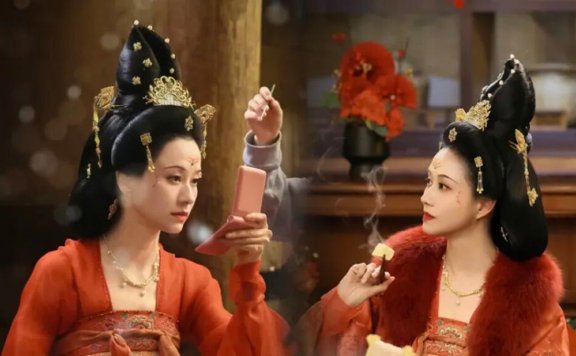
In the historical drama Yummy Yummy Yummy (宴遇永安), actress Ni Hongjie (倪虹洁) portrays a noble princess whose hairstyle has ignited widespread curiosity. Perched high on her head is a spiral-shaped bun that many viewers describe as resembling a conch shell. This distinctive look is not a product of creative fancy but a careful reconstruction of a real historical fashion from the Tang Dynasty. During this golden age, China was a crossroads of cultures, and its fashion scene reflected this vibrant exchange. The princess's striking appearance serves as a gateway into an era where hairstyles were bold statements of identity and cultural fusion, challenging modern perceptions of ancient aesthetics and inviting us to explore the stories woven into every strand. Uyghur Hair Origins The conical hairstyle seen in the drama is known as the Huihu ji (回鹘髻), a term that points directly to its origins with the Uyghur people from China's northwestern regions. During the early Tang period, sustained contact through trade and diplomacy allowed Uyghur customs to filter into central Chinese society. This hairstyle involved gathering hair into a tall, pointed bun that could be worn plain or lavishly decorated. Its dramatic silhouette broke from traditional Han styles, immediately marking… -
Idol Dramas Transformed: Female Directors' New Vistas
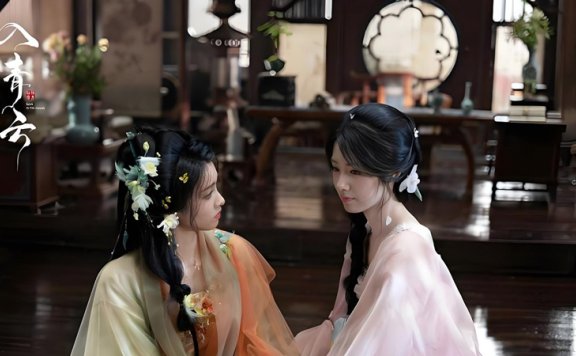
Television landscapes are shifting as female directors carve out space in idol dramas. Productions like Lost You Forever (长相思) and Romance on the Farm (田耕纪) reflect their distinctive approaches. The recent Love in the Clouds (入青云) further demonstrates her innovative touch. While artistic ability transcends gender, she introduces nuanced storytelling into a historically male-centric arena. Her work cultivates fresh visual dialects that engage viewers. This movement prompts a closer look at how she reshapes narratives and broadens what these series can achieve. 1. Women Directors Reshaping Chinese Television In recent years, a shift has occurred behind the scenes of China's popular television dramas. A group of female directors, arriving from diverse creative backgrounds, are now steering major projects within the idol drama genre. Their unique perspectives and distinct visual styles are injecting new life into these stories, moving beyond conventional templates to offer audiences fresh narrative experiences. This change is not just about who is telling the story, but how these stories are being told, with a heightened focus on aesthetic composition and character depth. The success of their work signals an evolving landscape where directorial vision is becoming as celebrated as the stars in front of the camera. Visual… -
Fight for Love: Weaving Epic Sacrifice with Intimate Dreams
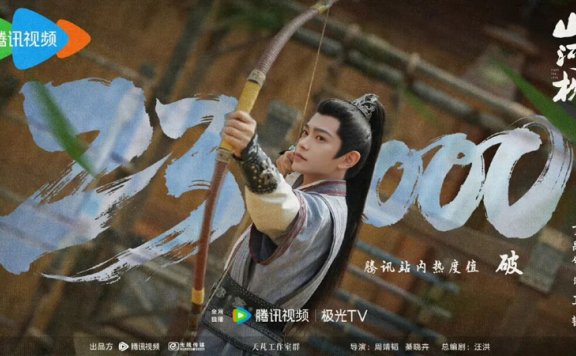
Fight for Love (山河枕) has quickly drawn viewers in with its compelling start. This series mixes historical settings with personal struggles, offering a fresh perspective. At its core is Wei Yun (卫韫), a character whose choices drive the plot forward with intensity and emotion. Many appreciate how it moves away from predictable patterns, focusing on genuine moments and swift action. Airing on Zhejiang Video and reaching international audiences, it connects people through shared stories. Its growing popularity on platforms like Tencent Video reflects broad engagement. Fans often mention how each episode builds excitement, leaving them eager for more. For anyone seeking a drama that balances depth with entertainment, this one stands out as a top pick. 1. Excels in Pattern and Conception The screen flickers to life, not with the usual pomp of courtly intrigue, but with the grim reality of dust and determination. A family gathers, not for a celebration, but for a departure. This is the initial pull of the television narrative Fight for Love, a story that immediately distinguishes itself by framing its central conflict not within palace walls, but at the fragile border where a nation's security meets a family's survival. It bypasses lengthy exposition, choosing… -

What Are the 5 Chinese Dramas Everyone Is Talking About?
Chinese television is experiencing a dynamic shift, with new series capturing audiences through innovative storytelling and compelling characters. Rather than relying on tired tropes, these shows blend suspense, emotion, and visual artistry to create unforgettable viewing experiences. This article highlights five standout dramas that are currently trending, each offering a unique glimpse into themes of power, love, and redemption. From intricate political schemes to supernatural encounters, they represent the diverse creativity in today's entertainment landscape. Viewers are drawn not just to the plots, but to the deep emotional connections and moral dilemmas presented. Let's dive into what makes these series so engaging and why they deserve your attention. 1. Moonlit Order (锦月令) In Moonlit Order, the relationship between a stepmother and stepson redefines family dynamics with a dark twist. She is a ruthless assassin, while he hides cunning intentions beneath a calm exterior. Their initial meeting involves a tense tea ceremony where poison becomes a tool of manipulation. This scene sets the stage for a complex dance of deception and hidden motives. As the story unfolds, both characters grapple with their roles. She begins to question the orders she follows, sensing deeper conspiracies. He finds his quest for revenge complicated… -
How Did Fight for Love Reshape Historical Drama Succes?
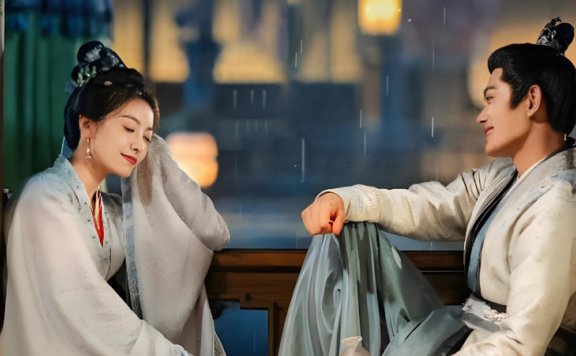
In late 2025, the television landscape witnessed an unprecedented event when Fight for Love (山河枕) premiered and soared to the top of viewership charts within thirty-seven minutes. This historical drama, adapted from Mo Shu Bai's (墨书白) novel, generated a frenzy across digital platforms. On Tencent Video, its popularity index shattered records, climbing past twenty-two thousand in the first hour. Social media erupted with discussions, as hashtags related to the show accumulated billions of views. The series quickly transformed from a highly anticipated release into a cultural phenomenon, demonstrating that compelling storytelling could achieve instant resonance without a gradual buildup. Its rapid ascent not only captured audience attention but also set new benchmarks for the genre. Production Quality The creators of Fight for Love invested significantly in physical sets and authentic details, moving away from heavy reliance on digital effects. They constructed expansive environments like the Wei Fu (卫府) estate, spanning over twenty thousand square meters, to reflect the grandeur of historical aristocratic homes. Costume designers prepared more than two thousand outfits, each tailored to illustrate character journeys through subtle visual cues. This attention to material authenticity provided a tangible depth that viewers found refreshing and immersive. Battle sequences were filmed… -
Fight for Love: Chu Yu’s Bold Proposal for Justice
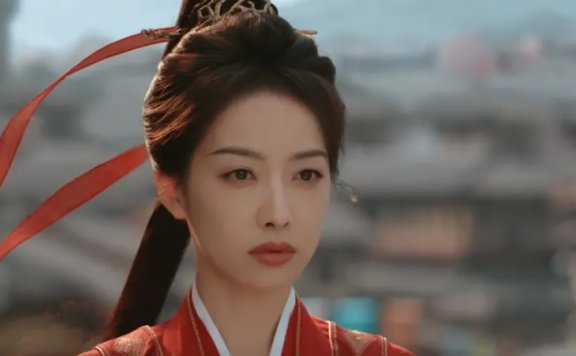
In the bustling streets of ancient China, a woman's bold act of proposal sets off a chain of events that intertwines duty, secrets, and an unexpected attraction. The drama Fight for Love (山河枕) captures this moment, where Chu Yu (楚瑜), played by Song Qian (宋茜), steps forward not for romance alone but to unravel a web of deception that cost her family everything. Set against a backdrop of political intrigue and military honor, the story delves into how personal sacrifices collide with national loyalty. As viewers dive into this historical narrative, they are drawn into a world where love and justice are tested in equal measure, making it a compelling tale for modern audiences seeking depth in period dramas. The Public Spectacle Chu Yu's decision to stage a public marriage proposal stops the victorious Wei family troops in their tracks, drawing crowds and causing a stir in the capital. Her sword dance and unveiled banner initially confuse onlookers, but her true intent slowly emerges as she addresses Wei Jun, the elder brother she aims to wed. This scene isn't just about personal desire; it's a calculated move to draw attention to the injustices her family faced, using the public eye… -
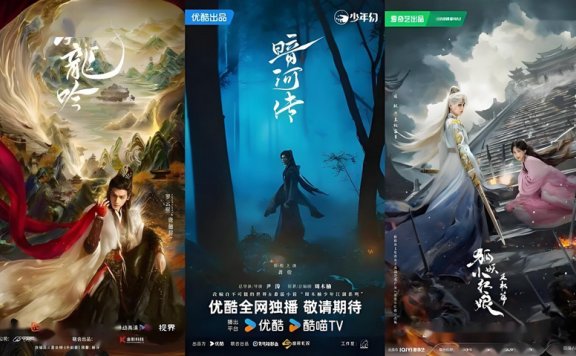
Can Fantasy Elements Help Wuxia Dramas Break Through the Rut?
Martial arts storytelling is entering a dynamic phase of innovation. The concept of Xuanxia (玄侠) merges mystical realms with classic warrior ethics, offering new narrative dimensions. Whispers of Fate (水龙吟) exemplifies this by building an original "Xuanxia" universe. Blood River (暗河传) presents Gao Wu Di Xuan (高武低玄), where physical prowess overshadows supernatural elements. Meanwhile, Sword and Beloved (天地剑心) blends fantasy, romance, and Wuxia foundations to create engaging plots. These changes expand the genre's creative boundaries, yet they invite scrutiny. Defining these hybrid categories proves difficult. Balancing imaginative and traditional components requires careful thought. Whether this evolution can address longstanding issues in martial arts drama is uncertain, but it undoubtedly fosters artistic diversity and viewer interest. 1. Fantasy Fuels Wuxia's New Era Traditional Wuxia stories have long centered on chivalry and martial honor, weaving tales of loyalty and revenge within a grounded world of skilled fighters. Now, a fresh wave of narratives is emerging, blending these elements with supernatural features to create something entirely new. This fusion not only expands the scope of action but also reshapes how audiences engage with these sagas, moving beyond physical combat into realms where imagination fuels the drama. Story Foundations In series like Whispers of… -
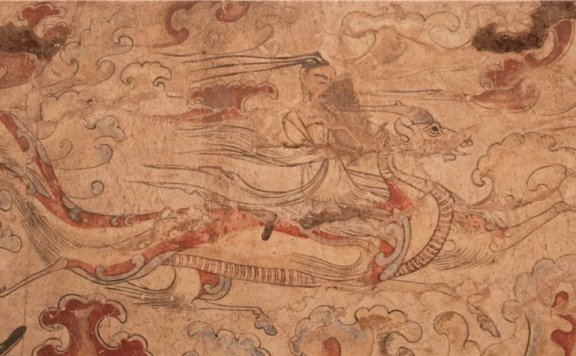
What Mythical Creatures Did Ancient People Worship?
In the heart of ancient China, mystical beings were not just tales whispered in the night; they were integral to daily life, influencing everything from architecture to personal adornments. People placed stone lions at their gates, carved jade into beastly forms, and adorned roofs with ceramic figures, all in the hope that these divine creatures would offer protection and blessings. These entities, born from a deep reverence for nature and the unknown, continue to resonate in modern practices, symbolizing a bridge between the human world and the spiritual realm. This exploration delves into the most revered of these beings, uncovering their roles and the lasting legacy they imprint on culture and identity. 1. The Dragon's Dominion When the Dragon first emerged in Chinese lore, it was depicted as a majestic fusion of many animals: antlers like a deer, a head resembling a camel, and claws akin to an eagle. Ancient texts such as Er Ya Yi (尔雅翼) detailed this composite form, highlighting its ability to shift between visibility and invisibility, grow or shrink at will, and ascend to the heavens or dive into deep waters. This versatility made it a symbol of ultimate power and mystery, often linked to seasonal… -
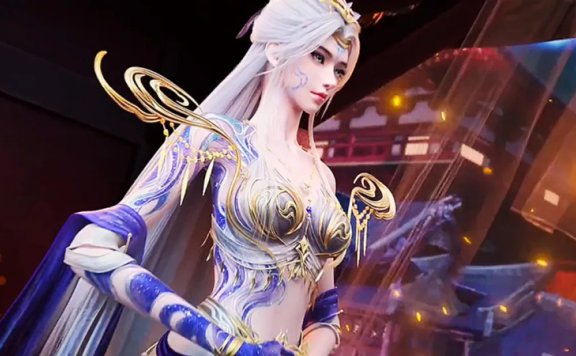
What Makes 5 Elements Seed Rival World Tree in Perfect World?
In the expansive universe of Perfect World (完美世界), cultivators seek powerful artifacts to ascend beyond mortal limits, and among these, the Five Elements Immortal Seed stands out as a legendary treasure. This seed embodies the core forces of nature, integrating metal, wood, water, fire, and earth into a harmonious whole. While it has not yet appeared directly in the animated series, its potential echoes through other divine seeds, hinting at abilities that could match even the famed World Tree. As followers of the show know, items like these shape the fate of characters such as Shi Hao (石昊), driving their growth and the storyline forward. This article delves into why the Five Elements Immortal Seed is so coveted, exploring its unique properties and how it compares to other supreme seeds in the narrative. The Elemental Fusion The Five Elements Immortal Seed's power lies in its complete balance of the five fundamental elements. In Perfect World, these forces—metal, wood, water, fire, and earth—interact through cycles of generation and restraint, forming the basis of cosmic laws. For instance, in battles, cultivators might use fire-based seeds to unleash destructive blasts or water seeds for healing, showcasing the individual strengths that this seed combines.… -
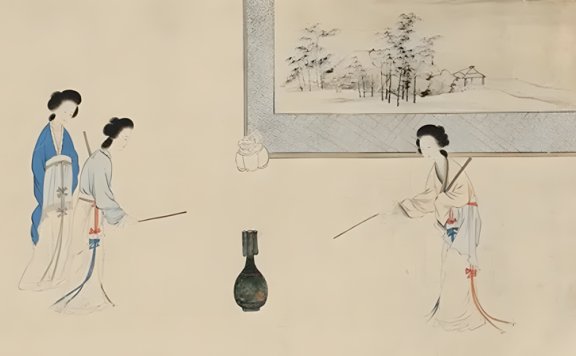
What Games Filled the Days of Ancient China's Secluded Women?
Imagine a life confined to inner chambers, where stepping outside was a rare luxury. For women in ancient China, this was often the reality, yet their world was far from dull. Behind closed doors, they engaged in sophisticated games that blended skill, strategy, and social interaction. These activities were not mere pastimes; they were vital expressions of culture and intellect. From throwing arrows to botanical duels, these games offered a glimpse into a vibrant subculture. They provided mental stimulation and a sense of community in otherwise restricted lives. This exploration reveals how creativity thrived within boundaries, shaping a unique aspect of feminine history. 1. Touhu (投壶) Touhu emerged during the Spring and Autumn Period as a ceremonial activity among nobles. By the Tang and Song dynasties, it had become a favorite among women in their quarters. Participants stood at a set distance, aiming to toss arrows into a decorative pot. The pots used by women were often exquisite, made from celadon or lacquer adorned with mother-of-pearl. The arrows, crafted from thornwood, required precision and a steady hand. The game was as much about grace as it was about accuracy. Women performed with slow, deliberate movements, one hand gathering sleeves while… -
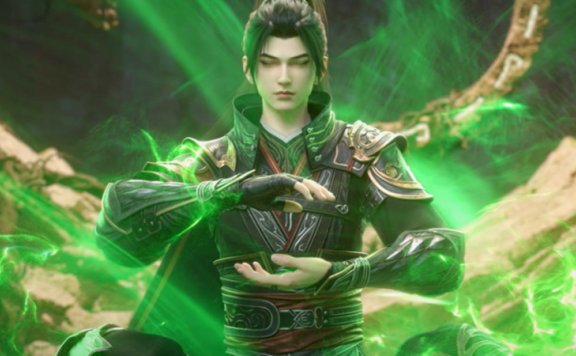
How Did Xiao Yan Achieve the Dou Di Realm in Just 6 Years?
In the world of Battle Through the Heavens (斗破苍穹), a young man's journey redefined the limits of cultivation. Xiao Yan (萧炎), once dismissed by his clan, embarked on a path that would see him reach the pinnacle of power in a timeframe that stunned the entire Dou Qi (斗气) continent. His ascent was not merely a tale of talent, but a chronicle of relentless pursuit, strategic alliances, and a destiny intertwined with the most potent forces of his world. From a determined youth to the legendary Yan Di (炎帝), his six-year climb to become a Dou Di (斗帝) stands as a testament to unwavering resolve. The Foundation of Power Xiao Yan's rapid advancement was built upon a foundation laid long before his six-year sprint began. His cultivation of the unique Fen Jue (焚决) technique, which evolved by devouring different Yi Zhong (异火), provided him with an unparalleled potential for growth. This, combined with the early guidance from his mentor, Yao Lao (药老), gave him a significant advantage. He was not just accumulating power; he was building a versatile and ever-strengthening foundation that could support the immense energy required for his later breakthroughs. His journey was marked by constant conflict and… -
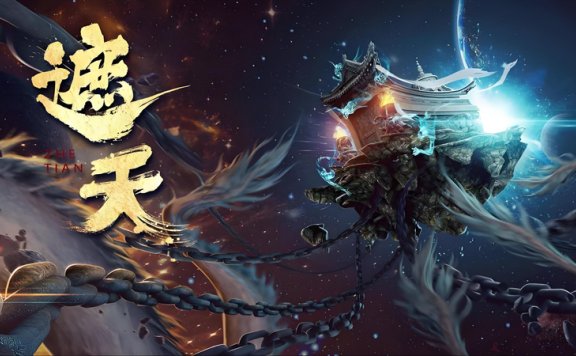
A Millennium-Long Wait and the Break of Fate in Shrouding Heavens
What happens when a cosmic misunderstanding spanning one hundred millennia becomes the catalyst for two legendary beings to rewrite their destinies? In the sprawling universe of Shrouding Heavens (遮天), the fates of a modern man and an ancient empress collide, creating a story not of romance or blood, but of profound, unintended salvation. This is not a simple tale of guidance; it is a complex dance where identities are mistaken, roles are reversed, and the very concept of destiny is challenged. At its heart lies a powerful question: can we ever truly live for another, or must we first discover and fight for our own selves? The Lonely Empress A young girl, left with nothing but the memory of her beloved older brother, makes a choice that will echo through the ages. After he is taken and sacrificed by the Yanhuang Dynasty (羽化神朝) to mend an immortal tool, her grief hardens into an unshakable resolve. She is not born with a legendary physique or divine lineage; she is a common mortal. Yet, through sheer will and the creation of the terrifying Heaven Devouring Art, she carves a path to the apex of power, becoming the feared Ruthless Emperor. Her goal… -
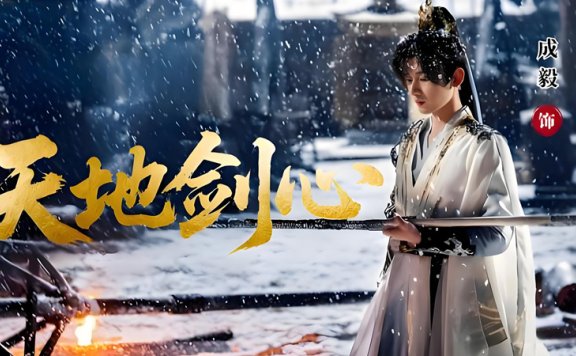
How Does a Mini Spider Spirit Steal the Show in Sword and Beloved?
In the realm of fantasy dramas, Sword and Beloved (天地剑心) emerges as a captivating tale set in a world where humans and demons collide. This series, streaming on iQiyi, follows the journey of Wang Quan Fugui (王权富贵), a formidable warrior bound by duty and isolation. With the first five episodes released, viewers are drawn into a narrative that blends mystical battles with unexpected warmth. At its heart lies the transformation of a cold, disciplined soldier through the influence of a tiny, spirited intruder. While the political intrigues and repetitive demon-slaying missions may feel familiar, it is the charming mini spider spirit who injects freshness and emotion into the story, making her the undeniable highlight of the series. The Lonely Warrior Wang Quan Fugui, portrayed by Cheng Yi (成毅), is introduced as a weapon forged for a single purpose: to eradicate demons. As the heir to the Wang Quan legacy and a key asset of the Yi Qi Meng (一气盟) alliance, his existence is confined to the icy confines of Han Tan (寒潭), a place that serves as both his home and prison. From childhood, his life has been stripped of joy, reduced to endless training and missions. His recent task… -

Lu Jingshan's Villain in Sword and Beloved & Fantasy TV
When Sword and Beloved (天地剑心) first aired, it immediately grabbed attention with its intricate set designs and dynamic action sequences. Viewers were drawn into a world where every detail, from the elegant pavilions to the fluid combat choreography, felt meticulously crafted. At the heart of the conversation is Lu Jingshan (卢靖姗), whose portrayal of the antagonist Yin Furen (音夫人) has become a standout element. Her performance challenges traditional roles and adds depth to the series, making it more than just another Xianxia production. This drama not only entertains but also highlights how compelling characters can elevate entire narratives, inviting audiences to rethink what makes a villain memorable. Yin Furen's Impact Yin Furen enters the story with a presence that is both intimidating and fascinating. Clad in dark robes, her mixed-heritage features enhance a character who exudes control and mystery. Every gesture, from a subtle eyebrow raise to a careless twist of her hair, conveys a sense of danger that keeps viewers on edge. Lu Jingshan embodies this role with a blend of cold calculation and dark humor, making Yin Furen feel authentic and multi-dimensional. Unlike one-dimensional villains, she commands scenes without overwhelming them, proving that restraint can be as powerful… -
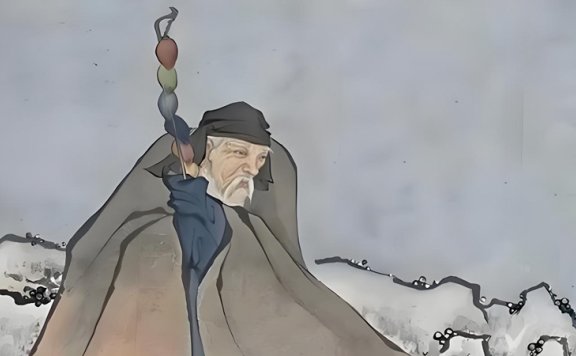
How Did Ancient Chinese Brave the Cold Winters in Style?
As temperatures drop, modern minds might wonder how people in ancient China managed to stay warm without today's advanced materials. Long before down jackets and thermal wear, they developed ingenious clothing solutions that evolved over millennia. From the earliest use of animal hides to the sophisticated integration of silk and even paper, these garments were not just functional but also reflected social status and cultural values. Each dynasty introduced its own innovations, turning winter wear into a fascinating aspect of historical life. This journey through time reveals how creativity and resourcefulness helped generations withstand the chill, with styles that ranged from luxurious furs to lightweight yet warm layers. By examining these ancient practices, we gain insight into a world where fashion and necessity intertwined seamlessly. Fur and Leather In ancient China, animal skins served as the primary defense against the cold, dating back to prehistoric times. Early humans relied on hides from hunted game, which provided basic insulation. As societies advanced, these evolved into more refined Qiu (裘), or fur garments, particularly during the Spring and Autumn period. These items became symbols of wealth and power, with nobility often sporting furs from foxes, leopards, and lambs. Classics like the Book… -
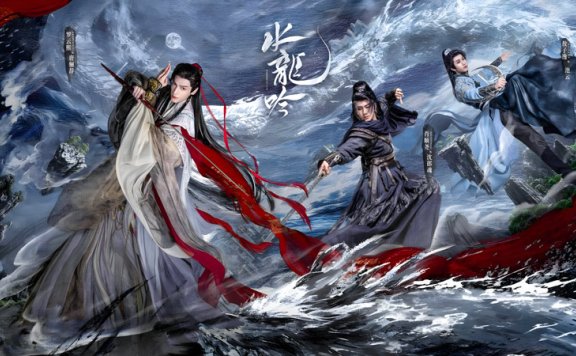
How Whispers of Fate Weaves Heritage into Its Visual Storytelling
I just finished the opening episodes of Whispers of Fate (水龙吟), and the experience left me eager to discuss it with others. The protagonist, played by Luo Yunxi (罗云熙), stands out as a compelling figure who draws viewers into the story effortlessly. From the outset, the narrative flows smoothly, avoiding any sluggish moments that might lose the audience's interest. Characters are fleshed out with depth, making each interaction feel genuine and engaging. Visually, the scenes are crafted with such care that they could easily serve as stunning backgrounds for any device. Before diving in, I had reservations given the extensive promotions, but those worries dissolved quickly. The team behind this project has delivered something that resonates on multiple levels, blending action and emotion seamlessly. Platforms like Migu Video (咪咕视频) have thrown their weight behind the release, creating buzz through innovative campaigns. This support has amplified its reach, drawing in viewers who might otherwise overlook such offerings. What sets this series apart is how it balances intensity with subtlety, allowing moments to breathe without unnecessary embellishment. He brings a nuanced performance that anchors the entire plot, making it easy to invest in his journey. In an era where content can feel… -
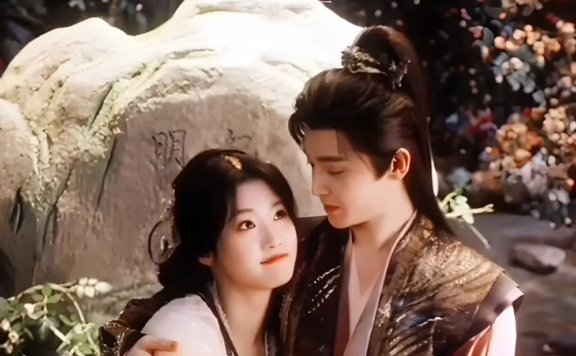
Exploring the Final Outcomes of Love in the Clouds
Viewing the final episode of Love in the Clouds (入青云) stirred deep reflections. Its narrative concluded as the He Xu Liu Jing (合虚六境) threat faded, leaving characters to navigate vastly different outcomes—some discovered joy, while others met sorrow or renewal. This blend of resolutions prompted both laughter and tears, mirroring life's unpredictable turns. Amid a bustling period with shows such as Fated Hearts (一笑随歌) and Yummy Yummy Yummy (宴遇永安), this series carved a distinct path. Its leap to second place in ratings underscored a narrative that felt genuine, sidestepping clichés to connect with audiences through relatable emotions and imaginative settings. The drama's strength lies in its subtle portrayal of personal struggles within a mythical framework, making each moment resonate. It proves that compelling storytelling need not shout to be heard. 1. The Final Chapter: Love and Sacrifice In a realm where power and passion collide, the conclusions of its central figures reveal profound truths about choice and consequence. Ming Yi (明意), once a revered warrior, and Ji Bozai (纪伯宰), a man shaped by vengeance, find their paths intertwined in a dance of destiny. Their journey from conflict to unity highlights the delicate balance between personal desires and greater responsibilities. Through… -
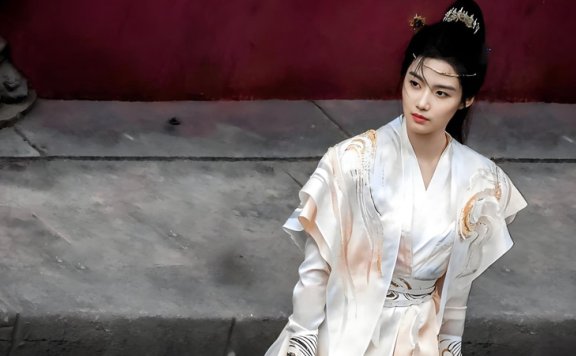
Why Does the Ending of Love in the Clouds Disappoint Viewers?
Why did the fantasy drama Love in the Clouds (入青云) leave viewers feeling underwhelmed despite its promising start? Many fans expected a gripping tale of power and revenge set in the mystical realms of Xianxia, where characters navigate complex moral dilemmas. Instead, the series stumbled into common traps that plague modern Chinese fantasy television. From inconsistent character motivations to overused narrative devices, the show's flaws highlight broader issues in the genre. This critique delves into why even visually stunning productions can fail to resonate when core storytelling elements are neglected. Flawed Protagonists Ji Bozai's (纪伯宰) quest for vengeance against his master's murderer should have been a compelling drive, yet his insistence on lawful justice in a world ruled by hierarchy felt out of place. He pursued evidence and public trials as if living in a modern society, ignoring the brutal realities of his environment. This inconsistency undermined his credibility, making his actions seem naive rather than noble. Similarly, Mu Qibai's (沐齐柏) obsession with strengthening the empire led him into pointless conflicts with rivals like the Tianji (天玑) Princess and Ji Bozai. Instead of consolidating power efficiently, he wasted energy on petty squabbles, diluting his menacing potential. The dynamic between these…