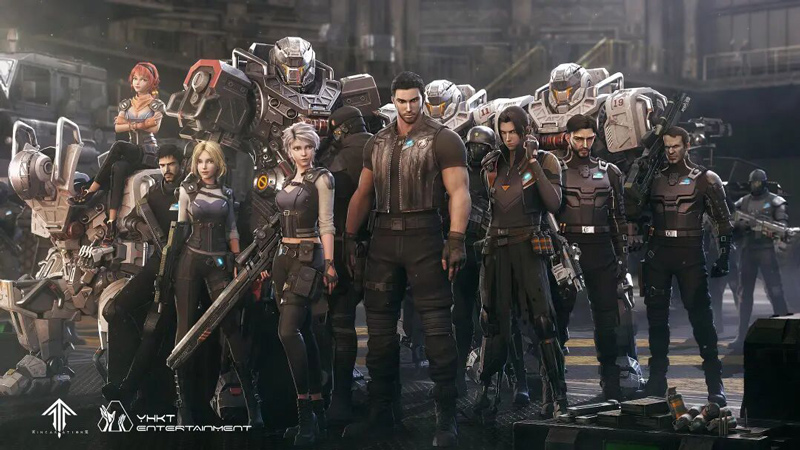
Chinese animation is witnessing a dynamic shift this season, with numerous productions capturing attention. Nezha 2 (哪吒2) led the charge, while later entries like The Legend of Hei 2 (罗小黑战记2) and Nobody (浪浪山小妖怪) continued the trend. Amid these, Ling Cage 2 (灵笼2) emerged as a surprise, closing with a notable 8.9 Douban rating.
Films and series inhabit different realms of critique, yet this sci-fi piece stands apart. Its dystopian framework diverges from the usual adaptations of classics or online literature. Here, originality takes center stage, proving that new narratives can resonate deeply.
Such endeavors enrich the artistic field, urging creators to venture beyond familiar grounds. They remind audiences that innovation, not just imitation, drives the medium forward, opening doors to uncharted stories.

Unique Chinese-Style Wasteland World
In the landscape of animated storytelling, a distinct voice emerges from China, challenging conventional genre boundaries. Ling Cage (灵笼) represents a significant departure from typical narratives, offering a fresh perspective on post-apocalyptic fiction. This series has carved out a unique space by blending rigorous scientific concepts with deeply rooted cultural elements, creating a world that feels both familiar and entirely new. Its ability to maintain audience engagement over years, despite production hiatuses, speaks to the strength of its underlying ideas and execution. Rather than following global trends, it invents its own visual and philosophical language, setting a precedent for original science fiction in the region.
The Foundation of a World
At the heart of Ling Cage lies the Mana Ecosystem (玛娜生态), a catastrophic phenomenon that redefines life on Earth. Unlike typical disaster scenarios, this ecological shift introduces sentient flora and lethal creatures known as Magical Beasts, which emit toxic gases. The premise builds on a history where humanity reached technological peaks, including brain transplants and space colonization, before collapsing. This foundation allows the narrative to explore how societies rebuild under extreme duress, focusing on survival mechanisms that test human ethics and adaptability.
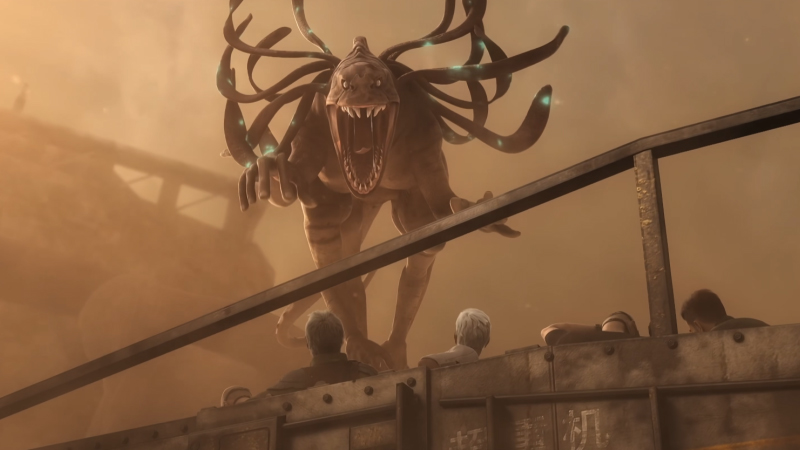
The floating city of Lighthouse serves as the primary refuge for survivors, enforcing harsh rules to manage scarce resources. Inhabitants are classified into upper and lower classes based on genetic quality, determining their roles and rights. Family bonds and romantic relationships are prohibited, replaced by state-controlled reproduction for optimal gene pairing. Those deemed non-productive, such as the elderly, face exile. This structure creates a tense, stratified society where individual worth is constantly evaluated against collective survival.
Various factions operate within Lighthouse, including the hunter-scavenger teams, defensive forces, and a religious group called the Light and Shadow Church. Each entity has distinct responsibilities, from resource gathering to maintaining order, often leading to internal conflicts. The series uses these dynamics to delve into themes of power, faith, and morality, presenting a microcosm of human behavior under perpetual threat.
Societal Divisions and Human Struggle
Within the confines of Lighthouse, the divide between the privileged and the marginalized fuels much of the drama. The upper class enjoys better living conditions and authority, while the lower class faces discrimination and limited opportunities. This class system echoes historical and fictional dystopias, yet it is rendered with a specificity that feels urgent and relatable. Characters navigate these constraints, revealing the emotional toll of such a rigid hierarchy.
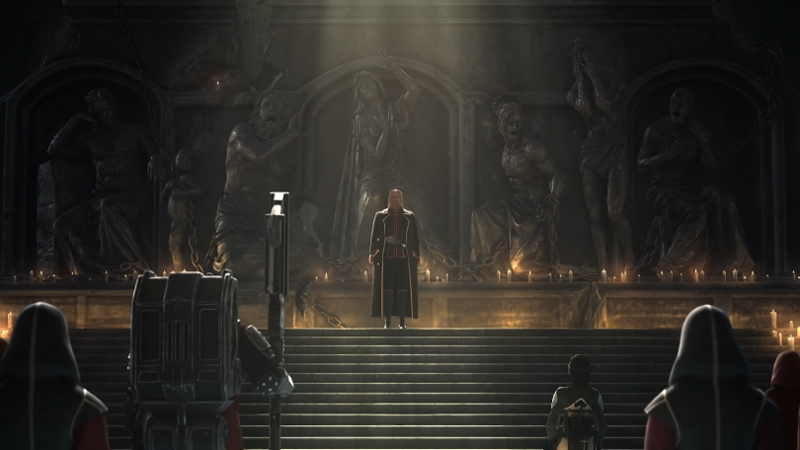
Personal relationships become acts of rebellion in this environment. Forbidden connections between individuals from different classes highlight the innate human desire for intimacy and autonomy. The narrative follows characters who challenge the status quo, risking punishment to preserve their identities. Their journeys underscore the tension between institutional control and personal freedom, a central conflict that drives the plot forward.
External threats from the Mana Ecosystem compound these internal struggles. Expeditions to the surface for supplies are fraught with danger, forcing characters to confront both physical monsters and ethical dilemmas. These missions serve as catalysts for character development, pushing individuals to question their beliefs and loyalties. The constant peril amplifies the stakes, making every decision critical to survival.
A Shift in Perspective
The second season transitions from the austere Lighthouse to Dragon Bone Village (龙骨村), a settlement on the surface that embodies a contrasting philosophy. Here, community life thrives with traditional practices like farming, shared meals, and recreational activities, including screenings of classic films like Baby Tadpoles Look for Their Mother (小蝌蚪找妈妈). This shift introduces a more holistic, human-centered approach to existence, emphasizing emotional bonds as essential to well-being.
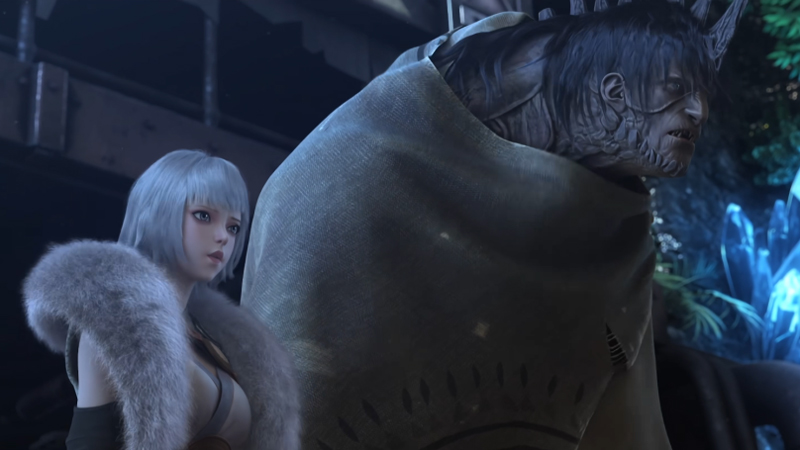
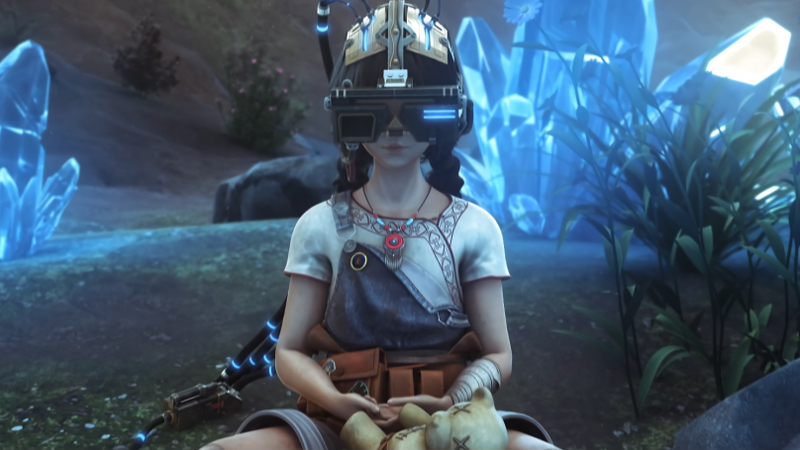
Unlike the utilitarian mindset of Lighthouse, Dragon Bone Village champions the idea that feelings are fundamental to human potential. Residents believe that fully experiencing emotions can unlock latent abilities, leading to a form of evolution. This concept merges scientific methods with meditative practices, where individuals use devices to stimulate brain activity, activating genetic codes. The process resembles a cybernetic form of self-cultivation, drawing from Eastern philosophies.
This new setting allows the series to explore alternative social models, where cooperation and empathy replace competition and control. The village represents a sanctuary where people reclaim their humanity, offering a critique of the dehumanizing policies seen earlier. Through this lens, the story advocates for balance between technological progress and emotional richness.
Evolution of Action and Design
Season two introduces characters who have unlocked their potential, leading to action sequences that prioritize agility and ingenuity over brute force. Fights incorporate Chinese martial arts, with styles like the Six Harmonies Spear Technique (六合枪法) demonstrating fluid, precise movements. These scenes replace the mechanical combat of the first season, offering a more dynamic and visually engaging experience that emphasizes skill and strategy.
One standout sequence features Maido (麦朵), a skilled fighter, engaging a group of Magical Beasts with graceful yet deadly efficiency. The choreography blends traditional weapon mastery with futuristic elements, creating a spectacle that feels both ancient and advanced. Viewers are treated to a display of violent beauty, where every motion is calculated and expressive, elevating the narrative tension.
The climax involves a battle in space between Mark and Bai Yuekui (白月魁), where Bai employs a swift sword technique while clad in a spacesuit. This juxtaposition of a historical combat style with a sci-fi setting produces a unique aesthetic, challenging expectations. The scene dismantles conventional genre boundaries, suggesting that cultural heritage can enrich futuristic visions in unexpected ways.

Cultural Identity in Global Narratives
Ling Cage demonstrates how science fiction can serve as a vehicle for cultural expression without relying on Western templates. By integrating elements like communal living, meditative practices, and martial arts, it presents a world that is distinctly Chinese yet universally accessible. This approach allows the series to contribute to a global dialogue while preserving its unique voice, avoiding the homogenization often seen in cross-media storytelling.
The inclusion of everyday details—such as food, games, and social rituals—grounds the fantastical elements in relatable reality. These touches make the world feel lived-in and authentic, enhancing viewer immersion. When audiences encounter these cultural markers, they are invited to appreciate the diversity of human experience, fostering curiosity and appreciation beyond the screen.
Ultimately, the series succeeds by creating a cohesive universe where technology and tradition coexist. It offers a model for how speculative fiction can reflect specific cultural contexts while addressing universal themes of survival, identity, and connection. In doing so, Ling Cage not only entertains but also enriches the sci-fi genre with its innovative perspective.

Questioning Human Nature Amidst Doomsday
In the realm of animated storytelling, few series delve as deeply into the nuances of human behavior under duress as Ling Long. Set against a backdrop of societal collapse and mysterious ecological threats, the narrative pushes its characters to their limits, questioning the very foundations of cooperation and self-preservation. The initial premise champions unity in the face of shared danger, yet subsequent developments reveal a more intricate web of personal ambition and moral compromise. This exploration goes beyond simple survival, probing the costs associated with collective action and the individual burdens carried by those who make difficult choices.
Moral Ambiguity
The figure of Bai Yuekui stands as a prime example of this complexity. Initially portrayed as a powerful savior from the old world, her methods become increasingly pragmatic in the later chapters. She orchestrates pivotal events, including the transformation of the protagonist, demonstrating a willingness to manipulate circumstances for a perceived greater good. Her actions force others to confront uncomfortable truths about sacrifice and the often-blurry line between necessary evil and outright cruelty.
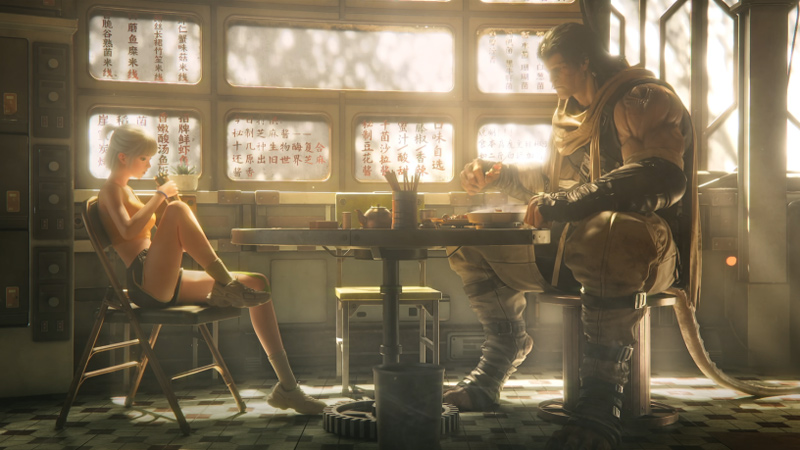
Mark, the central character, undergoes a profound personal journey that mirrors these thematic struggles. After enduring significant trauma and physical change, he is thrust into a new role, grappling with the knowledge that his path was not entirely of his own making. His interactions with Bai Yuekui highlight a central conflict: whether a noble end can ever truly justify morally questionable means, especially when those means involve profound personal loss and deception.
This moral shading extends to other key figures, such as Charles, the leader of the floating refuge known as the Lighthouse. His decisions, while cold and calculating, are framed by the immense responsibility of ensuring the survival of the entire community. The narrative allows viewers to understand his perspective, even when his actions seem antagonistic, thereby avoiding simplistic hero-versus-villain dynamics and creating a more engaging and thought-provoking experience.
Cost of Unity
The concept of a united humanity is repeatedly tested through acts of significant sacrifice. Bai Yuekui's philosophy explicitly argues that progress is built upon the backs of those who are sacrificed, whether willingly or not. This creates a persistent tension within the story, as characters are forced to weigh their personal attachments against the potential salvation of the human species, a dilemma with no easy answers.
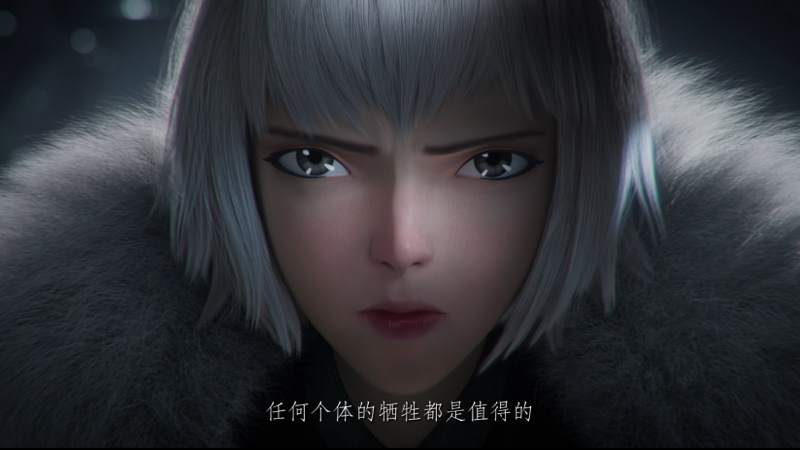
Internal conflict within the Lighthouse further illustrates the difficulty of maintaining solidarity. The military leader, Seng, challenges Charles's authority, believing that the current strategy of conservation jeopardizes immediate lives. This rebellion, while seemingly justified from a ground-level view, threatens to fracture the community from within, showing how differing interpretations of "the greater good" can lead to violent discord even among those on the same side.
These narrative choices reflect a broader examination of social contracts in extreme environments. The series asks whether it is possible to forge a true common destiny when individuals and factions hold vastly different ideas about what is worth preserving and what can be legitimately abandoned in the pursuit of survival.
Narrative Stumbles
Despite its ambitious themes, the series is not without its storytelling imperfections. Some plot developments appear retrofitted, creating minor inconsistencies when viewed against earlier events. For instance, the revealed involvement of Longgu Village in Mark's transformation seems at odds with their initial portrayal, suggesting a narrative adjustment made during production that wasn't fully woven into the established timeline.
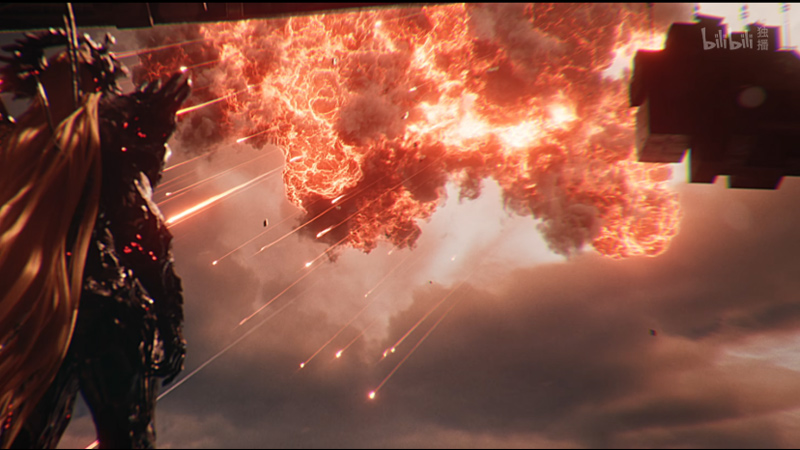
Certain core premises also invite scrutiny. The established rule that emotional resonance attracts the monstrous Mana Ecology led to the implementation of repressive social laws designed to suppress feeling. However, this system itself generates potent negative emotions like resentment and fear, which logically should also act as a beacon for danger, creating a potential paradox in the internal logic of the world.
Character decisions sometimes feel contrived to service the plot rather than arising naturally from their established personalities. A key moment involving Seng's choice during his coup is a notable example, where a more direct course of action would have resolved the conflict swiftly, but was bypassed to allow for a dramatic reversal and the introduction of new elements like the Lin Yuan Zhao (临渊者) armor.

Summary
The current Chinese animation landscape is vibrant, with Ling Long standing out as a critically acclaimed sci-fi series. It distinguishes itself through original world-building, moving away from common adaptations. The narrative is set in a unique dystopian future defined by the "Mana Ecosystem," which has created lethal creatures and forced humanity into survival shelters like the "Lighthouse." This floating city enforces a harsh, stratified class system and suppresses emotions and familial bonds to ensure survival.
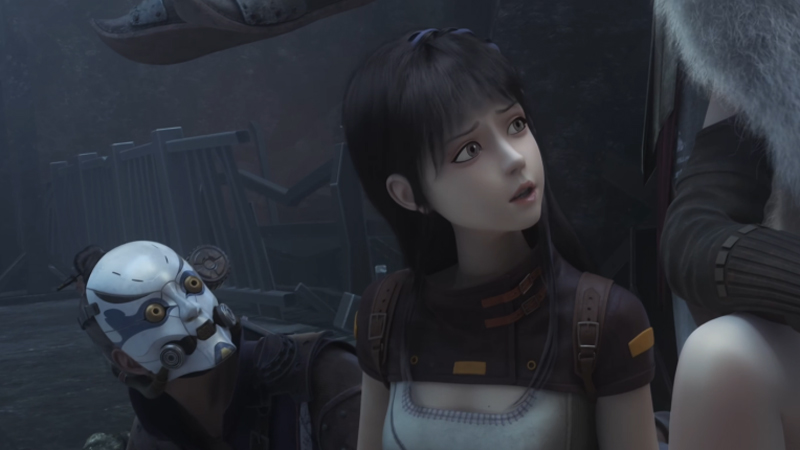
The story critiques this utilitarian society by contrasting it with "Dragon Bone Village," a surface settlement that champions community, emotional bonds, and a philosophy where human feeling is key to evolution. The series also evolves in its action, incorporating fluid Chinese martial arts into its sci-fi setting, creating a distinct aesthetic.
Furthermore, Ling Cage deeply explores complex themes of human nature, moral ambiguity, and the costs of unity during an apocalypse, avoiding simple hero/villain dynamics. Characters grapple with difficult choices, and the narrative questions whether noble ends can justify morally questionable means. While ambitious, the series has minor narrative stumbles with some plot inconsistencies.
Ultimately, it successfully presents a culturally specific Chinese perspective on sci-fi, integrating elements like communal living and martial arts to contribute a unique voice to the global genre.