In today’s competitive television landscape, music variety shows face a pivotal moment. Singer 2025 (歌手2025) generates buzz through external critiques and hit songs, while The Rap of China 2025 (新说唱 2025) fuels online discourse with its raw, confrontational style. Both programs harness dissent to engage viewers, yet their long-term impact will depend on authentic artistry rather than manufactured drama.

Diss Culture Ignites TV Wars
Music competition programs have discovered a potent method to capture public attention. A recent series of events on a popular rap show demonstrates how controlled conflict can drive viewership. This approach involves participants openly criticizing each other, creating moments that spread rapidly across social platforms. What begins as on-screen tension quickly evolves into widespread online discussions, influencing the show’s popularity. This phenomenon is not entirely new, but its execution has become more deliberate. Producers now recognize the value of such interactions in a crowded entertainment landscape. The strategy taps into audience desires for authenticity and drama, blending them into a compelling narrative. As these scenes unfold, they generate buzz that transcends the program itself, becoming cultural touchpoints. This dynamic reshapes how music television operates, prioritizing engagement over traditional metrics.
Show Sparks
The program The Rap of China 2025 returned with a format emphasizing raw, unfiltered auditions. During early episodes, contestant Top Barry directly challenged established performers, labeling some as outdated. His comments ignited immediate reactions from both participants and viewers. This confrontation was framed as part of the competition’s structure, yet it crossed into personal critique. The exchange highlighted generational divides within the music style, questioning what defines modern relevance. By staging these clashes, the show ensured that each episode carried potential for viral moments. The producers carefully balanced genuine artistic disagreement with manufactured drama to maintain interest.
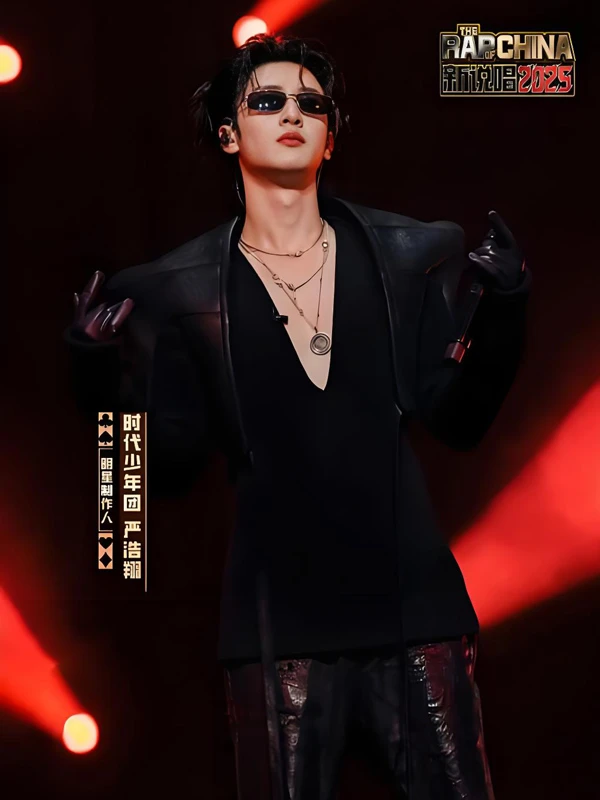
Another incident involved mentor Yan Haoxiang (严浩翔), whose position was questioned by aspiring artists. They voiced doubts about his credentials and decision-making during selections. This skepticism was echoed online, where users dissected his every comment and choice. The show incorporated these challenges into its narrative, presenting them as legitimate artistic debates. Such segments blurred the line between spontaneous reaction and planned content. Audiences were left wondering how much was real and how much was orchestrated for effect. This ambiguity became a key part of the program’s appeal, drawing in viewers curious about the authenticity of the conflicts.
Following the aired disputes, participants often clarified their intentions in post-show interviews. They stated that harsh words were meant as performance elements rather than personal attacks. This justification attempted to soften the impact of on-screen remarks, reframing them as entertainment. However, the initial sting of the comments had already fueled extensive discussion. The program’s editing emphasized dramatic deliveries and reaction shots, amplifying the perceived hostility. This packaging turned musical criticism into a spectator sport, where the art itself sometimes took a backseat to the accompanying theatrics.
Online Echoes
Social media platforms buzzed with clips and quotes from the controversial episodes. Users created memes and hashtags that mocked or supported the individuals involved. Phrases from the show entered common usage, becoming shorthand for certain attitudes or styles. This digital amplification extended the life of the program’s content far beyond its runtime. People who had never watched the show encountered its most heated moments through shares and recommendations. The online conversation often focused more on the interpersonal dynamics than the musical performances, shifting the audience’s focus.

Fans and detractors alike produced content responding to the diss culture. Some composed their own rhyming retorts, imitating the style they saw on screen. Others analyzed the linguistic and social implications of the exchanges in detailed posts. This grassroots engagement demonstrated how effectively the show had sparked creativity and debate. The boundary between the program and its audience became porous, with viewers actively participating in the narrative. This interaction reinforced the show’s relevance, making it a topic of daily discussion across various online communities.
The trend even led to self-identification among viewers, with some jokingly adopting labels from the disputes. This phenomenon showed how televised conflict could influence personal identity and group affiliation. The discussions sometimes veered into examining the ethics of such public criticism, debating where constructive feedback ends and harm begins. These meta-conversations added layers to the initial entertainment, turning simple viewership into a more complex social experience. The show’s controversies became case studies in modern communication, dissected in classrooms and coffee shops alike.
Imitation Acts
Seeing the success of this approach, other music shows began incorporating similar elements. Let Me Sing (让我来唱) introduced segments where judges offered blunt, harsh feedback to contestants. In one notable instance, judge Cai Guoqing (蔡国庆) delivered an extended critique that was described as confrontational. This moment was highlighted in promotional materials and social media teasers, mirroring the strategy of its predecessor. The program positioned these exchanges as honest assessments necessary for growth, but the delivery ensured they would attract attention. This adoption signaled a shift in how competition programs handle critique, moving toward more sensationalized versions.
The new format led to increased visibility for Let Me Sing, as clips of the intense moments gained traction online. Subsequent episodes featured similar interactions, with judges and contestants engaging in heated debates about technique and talent. The producers seemed to be following a recipe that prioritized conflict over harmony, betting that sparks would draw eyes. This calculation proved mostly correct, as ratings saw a noticeable uptick following these changes. The show found itself part of a larger trend, where discomfort equaled engagement in the metrics of modern television.
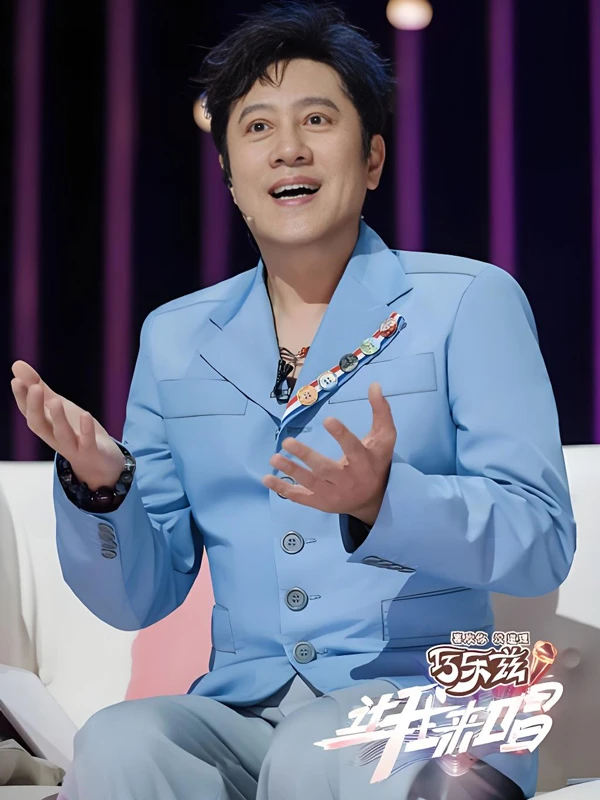
However, this imitation came with criticisms about authenticity and artistic integrity. Some viewers expressed fatigue with the constant negativity, longing for more focus on musical skill. Others questioned whether such tactics were sustainable, or if they would ultimately damage the genres they purported to celebrate. The conversation expanded to consider the long-term effects on participants, especially younger contestants subjected to public scrutiny. Despite these concerns, the immediate benefits in terms of viewer numbers and online activity made the approach tempting for producers. The industry watched closely to see if this pattern would become a new standard or a passing phase.

Dissing Drives Music Show Popularity
Music competition programs have become a staple of entertainment, often featuring moments of sharp criticism or dissing that capture public attention. These instances are not merely scripted drama; they tap into the fundamental way people engage with music. Everyone, regardless of expertise, feels entitled to an opinion on what sounds good, making these shows a breeding ground for debate. The interplay between contestants, judges, and audiences creates a dynamic where conflicting views can escalate, fueling discussions that extend beyond the music itself. This natural friction is a key ingredient in keeping viewers hooked and conversations alive across various platforms.
Why Diss Works
Music’s inherent subjectivity means that no two listeners experience a performance the same way. This diversity in taste allows dissing to thrive, as individuals defend their preferences without needing technical knowledge. When a judge questions a contestant’s choice or a fellow performer challenges another, it resonates because it mirrors real-life disagreements over art. Such moments are relatable, drawing in viewers who might not typically engage with the genre but are curious about the human conflict unfolding on screen.
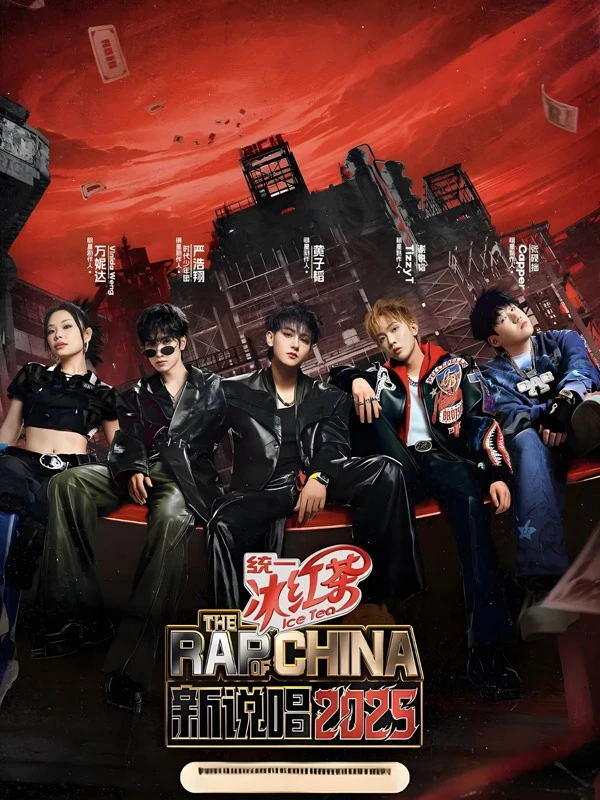
Shows like The Rap of China 2025 leverage this by incorporating spontaneous reactions that feel genuine. In one episode, a contestant’s diss led to a broader conversation about cultural trends, showing how criticism can pivot to societal themes. This expansion beyond pure musical analysis keeps the content fresh and accessible, allowing audiences to connect on multiple levels. It transforms the show from a mere talent display into a social commentary, where every diss has the potential to spark wider discourse.
The involvement of multiple stakeholders—contestants, mentors, and live audiences—ensures that dissing isn’t one-sided. A judge’s harsh comment might be countered by a contestant’s defiant response, creating a narrative tension that unfolds in real time. This back-and-forth dynamic is compelling because it mirrors the unpredictability of live performance. Viewers are drawn to the authenticity of these exchanges, where emotions run high and outcomes are uncertain, making each episode a must-watch event.
Case in Point
In The Rap of China 2025, the inclusion of Yan Haoxiang as a mentor initially faced backlash, with many questioning his credentials. However, as the season progressed, his insightful critiques and comparisons to veteran artists won over skeptics. This arc demonstrated how initial dissing could evolve into acceptance, provided the responses are substantive. The show didn’t shy away from the controversy; instead, it used it to build a storyline that highlighted growth and redemption, keeping audiences invested in the outcome.
Another example is Let Me Sing, where a four-minute segment of heated exchanges between a judge and contestant went viral. What started as a critique of vocal technique spiraled into a discussion on age and creativity, resonating with viewers beyond the music community. The diss here wasn’t just about performance flaws; it touched on universal themes of identity and resilience. By allowing such moments to unfold naturally, the show tapped into emotional currents that boosted its relevance and shareability online.
Historical instances, such as those in Happy Boys (快乐男声) and The Coming One (明日之子), show that dissing has long been a tool for engagement. In one memorable episode, a mentor’s public disagreement with the judging criteria led to accusations of bias, stirring fan debates for weeks. These moments become iconic because they feel unscripted and high-stakes, reminding viewers that the pursuit of artistic excellence is often messy and contentious. They serve as benchmarks for how dissing can define a show’s legacy when handled with care.
Essential Ingredients
For dissing to be effective, it must stem from genuine interactions rather than manufactured plots. Audiences today are savvy to production tricks; if a conflict seems orchestrated solely for ratings, it can backfire, leading to viewer distrust. A spontaneous diss that arises from authentic differences in opinion carries more weight, as it reflects the raw emotions of the participants. This honesty fosters a deeper connection with the audience, who appreciate the transparency and are more likely to engage in meaningful discussions about the content.

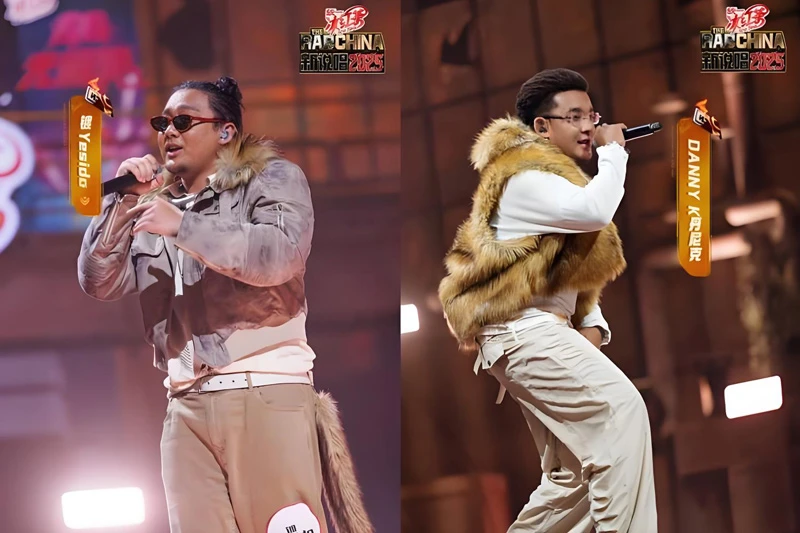
Closure is another critical element; dissing should contribute to a larger narrative rather than exist as a fleeting moment. In The Rap of China 2025, the diss around the group SHarK&Rapeter (土哥们) evolved over several episodes, culminating in a performance that addressed the criticism head-on. Their song, which tackled themes of innovation and tradition, became a hit on streaming platforms, turning the initial controversy into a story of artistic triumph. This progression gave viewers a satisfying arc, showing how dissing can drive character development and musical innovation when resolved thoughtfully.
Balancing dissing with the show’s overall tone is vital to maintain viewer enjoyment. While conflict draws attention, excessive negativity can alienate audiences seeking entertainment. Successful programs integrate dissing as part of a broader tapestry that includes collaboration and growth. By ensuring that criticisms lead to constructive outcomes or deeper insights, shows can harness the energy of dissing without sacrificing the uplifting elements that make music competitions appealing in the first place. This approach sustains long-term interest and builds a loyal fanbase.

Summary
The core value of a music competition show lies in its creative output, the quality of singers it promotes, and the diverse musical styles and innovative adaptations that offer fresh aesthetic experiences for the audience. These substantial elements are fundamentally more important than the manufactured drama and conflicts often seen on screen. However, within the current competitive market landscape, it has become almost unavoidable for these shows to stray from their musical purpose and engage in sensational tactics to generate heat and viewership. With an abundance of viewing options and increasingly fragmented audience tastes, public attention often unifies only around the spectacle of “watching the drama,” explaining why producers frequently resort to detonate diss (igniting disputes).

While this common strategy of incorporating dissension might offer a temporary remedy—like soothing a “cough” for a struggling show—it is not a cure for its underlying “illness.” The constant noise and conflicts do not address the fundamental issues plaguing the program. The article concludes with a crucial reminder and plea to producers: after all the orchestrated chaos and noise, music shows must not make a joke of their core content, the music itself, or their audience’s intelligence. For sustainable success, the industry must ultimately return to its roots, focusing on genuine musical substance and a back-to-basics approach to restore its integrity and purpose.
Singer 2025: A Fading Legacy in the Spotlight of Scrutiny