
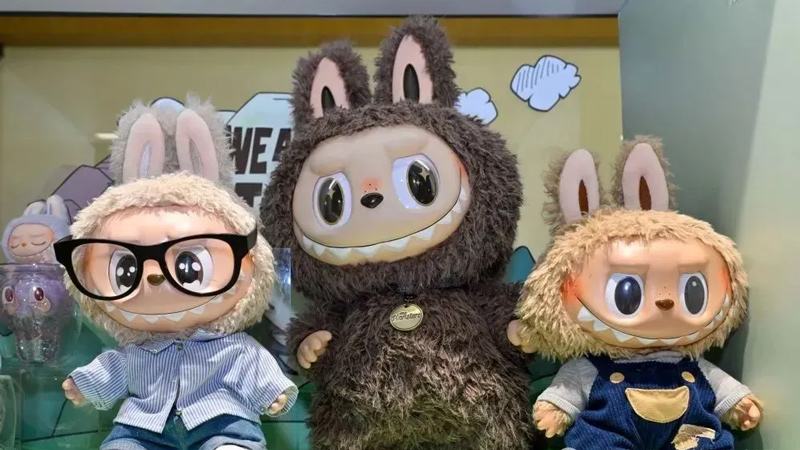
The collectible toy world was stunned when Labubu, a star character from Pop Mart's blind box series, saw its market value crumble overnight. Prices for once-coveted editions nosedived, turning a vibrant community into a scene of panic and disbelief. Scalpers who had stockpiled items faced massive losses, while casual collectors watched in awe as the hype evaporated. This sudden shift has sparked debates about the sustainability of toy investments and the real joys of collecting, reminding everyone that even the most beloved trends can face a reckoning.
Price Plunge
In a matter of days, Labubu's market prices took a dramatic hit. The hidden edition "Benwo," which previously fetched over $4,000, saw its average sale price slashed in half to around $2,500. Some listings even appeared for under $1,500, shocking those who had invested at peak levels. Common editions fared worse, with items like the "Ai" version dropping from hundreds of dollars to just over $200, and occasional bargains emerged below $100. This rapid devaluation left many wondering if the collectible's golden era had ended abruptly.
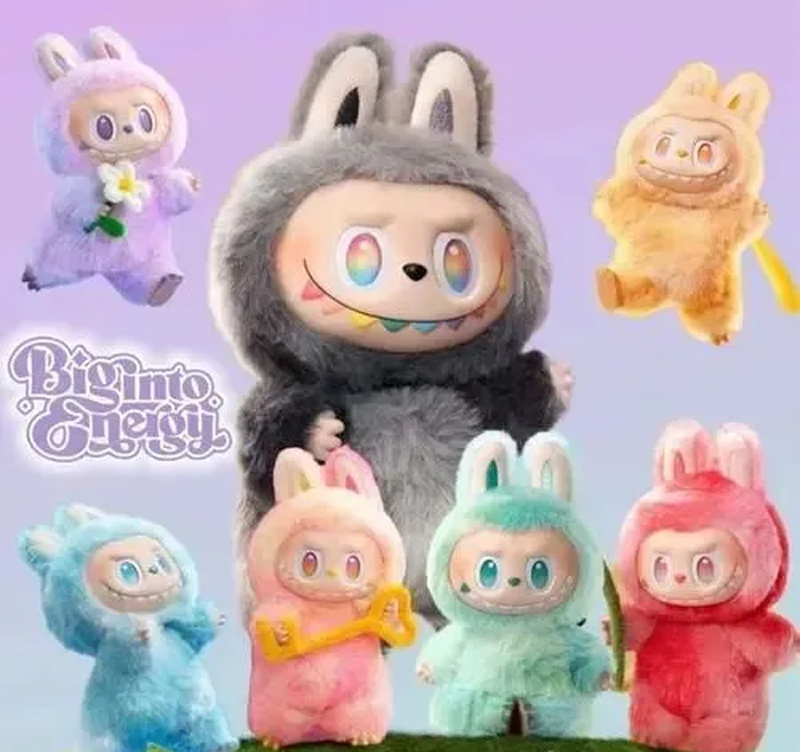
Online forums and social media groups erupted with mixed emotions. Enthusiasts who had waited for lower prices celebrated their patience, proudly sharing their new acquisitions at a fraction of the cost. Meanwhile, those who bought during the peak expressed frustration and regret, feeling the sting of their investments dissolving. Scalper chats descended into chaos, with some urgently offloading stock to minimize losses, while others debated whether to buy more in hopes of a rebound. The divide between winners and losers highlighted the volatile nature of speculative markets.
The aftermath revealed a community grappling with uncertainty. Collectors who once viewed Labubu as a surefire asset now questioned its long-term value, leading to a shift in how people approach blind box purchases. This event has prompted many to reevaluate their spending habits, focusing more on personal enjoyment than potential profits. As prices stabilized at lower levels, the initial shock gave way to reflections on what truly makes a toy worthwhile beyond its price tag.
Hype Fades
A key factor in the collapse was Pop Mart's decision to increase global online availability of the third-generation series. By flooding the market with more units, the company undermined the scarcity that had driven up prices. This move demonstrated how easily artificial rarity can be dismantled, causing the speculative bubble to deflate. As supply outstripped demand, the perceived value of Labubu diminished, leading to a cascade of price cuts and lost confidence among investors.
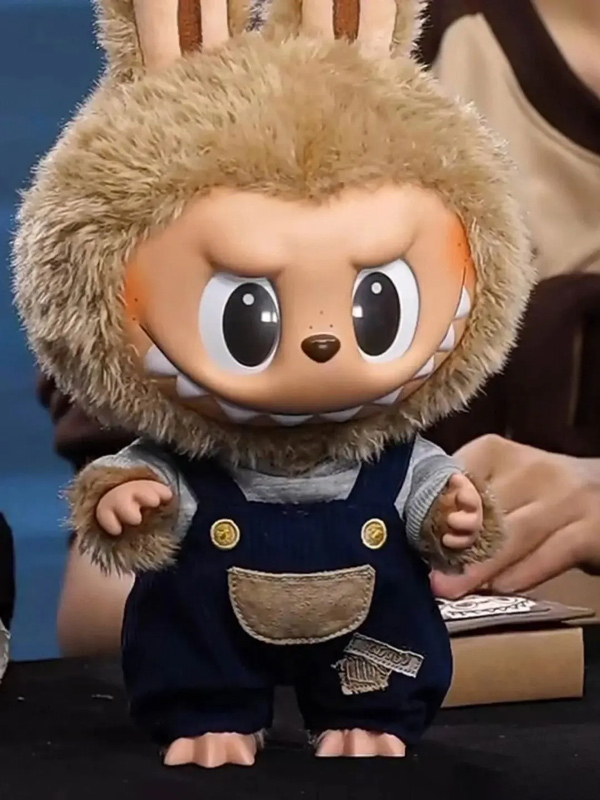
Consumer attitudes have evolved as the initial excitement around blind boxes waned. After years of intense marketing, buyers are becoming more rational, questioning whether these toys are worth the high costs. The allure of quick profits has faded, replaced by a desire for genuine connection with the products. Additionally, the rise of new characters and trends in the collectible space has diluted attention, making it harder for any single item to maintain dominance. This saturation means that even popular figures like Labubu struggle to hold their ground in a crowded field.
Beyond market dynamics, the episode underscores a broader cultural shift. People are increasingly aware of the risks in speculative hobbies, drawing parallels to past frenzies like sneaker reselling or cryptocurrency booms. The transient nature of such trends suggests that without solid foundations, like storytelling or emotional resonance, items can quickly lose appeal. For Labubu, this meant that once the novelty wore off, its value proved fragile, serving as a reminder that sustainable interest requires more than just hype.
Lessons Learned
This situation mirrors previous speculative bursts, such as the sneaker craze where limited editions like Air Jordans soared then crashed. In those cases, early adopters reaped rewards, while latecomers faced steep losses. Similarly, Labubu's downfall shows how cycles of speculation often end in disappointment. Regulatory bodies have stepped in, warning that collectibles should not be treated as financial products, urging consumers to prioritize fun over potential gains to avoid common pitfalls.
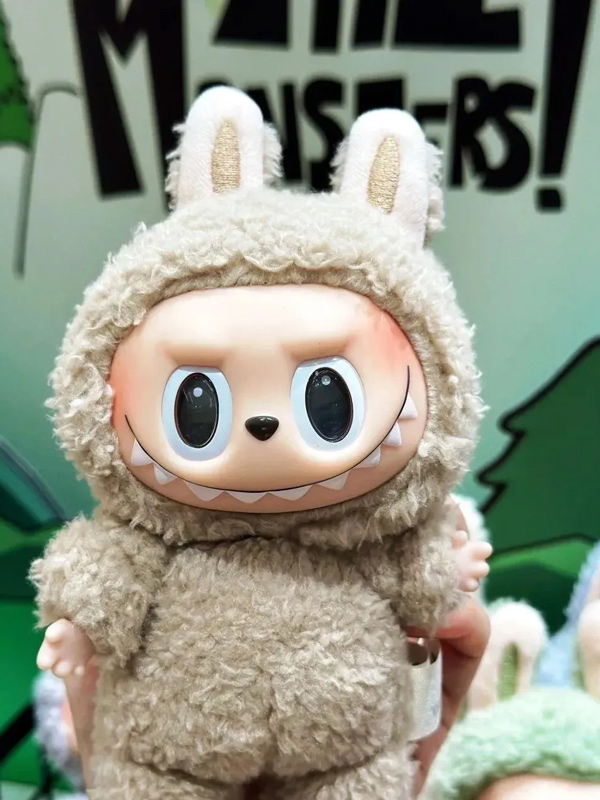
The impact on Pop Mart has been significant, with stock prices experiencing volatility tied to market sentiment. While the company's valuation once surged, relying on emotional buying spells long-term risk, as seen in past dips. This raises questions about whether brands can sustain growth through scarcity tactics alone. Unlike established icons with deep cultural roots, Labubu lacks a rich narrative, making it vulnerable to shifts in consumer taste. Companies must balance innovation with stability to avoid boom-and-bust scenarios.
Ultimately, the core purpose of collectible toys is to bring happiness and foster community, not serve as investment vehicles. The Labubu crash encourages a return to basics, where people collect for passion rather than profit. By learning from this event, enthusiasts can cultivate healthier habits, focusing on the artistry and joy these items provide. As the market recalibrates, it offers a chance to rebuild a more authentic and resilient collecting culture for the future.
