-

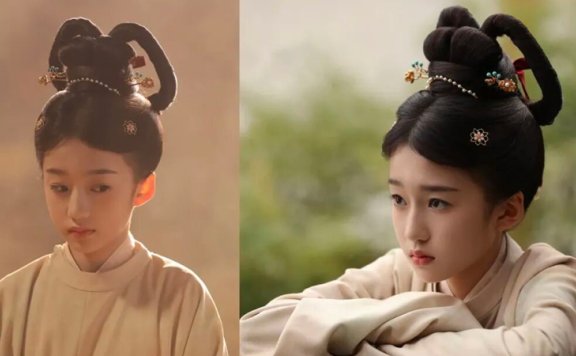
Why Do Ancient Dramas Love Those Twin Hair Loops?
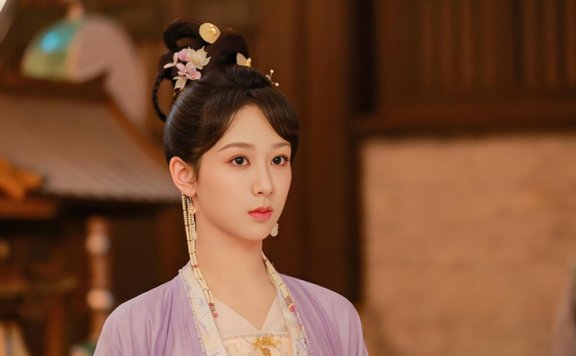
If you watch Chinese historical dramas, you have seen them. Perched on the heads of young heroines, often playful maids or princesses in their youth, are two distinct loops of hair. This signature style, simple yet instantly recognizable, has become a visual shorthand for youthful innocence and charm on screen. From the determined Sun Taizhen (孙太真) in Swords into Plowshares (太平年) to various other characters, this hairstyle transcends individual stories, connecting audiences to a specific, girlish aesthetic rooted deep in history. But what is the story behind these loops? Their persistent presence is no mere costume designer's whim. It is a deliberate echo of an ancient Chinese hairstyle, a tradition repurposed for modern storytelling to visually telegraph a character's age and spirit before she even speaks. Roots in Antiquity The style seen on screen finds its direct ancestor in the Shuang Huan Ji (双鬟髻), or "double-loop bun." Historical records and artifacts trace its popularity back to the early Tang Dynasty, and even earlier to the Northern and Southern Dynasties. The terms "huan" (鬟) and "huan" (环) were often used interchangeably, both referring to a ring or loop shape. Essentially, the hairstyle involved gathering hair into two bundles, twisting them into…- 45
- 0
-
8 Unreleased Epics: Ancient Power & Untold Stories
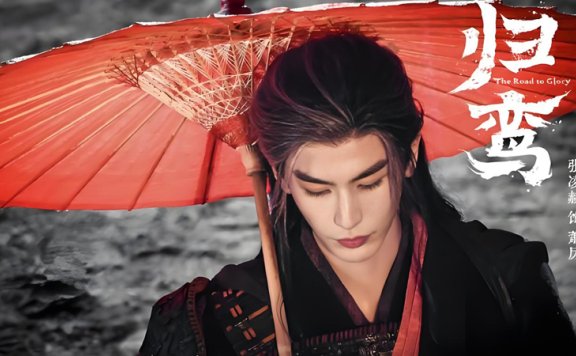
Step beyond the ornate palaces and into the fractured, ambitious heart of ancient realms with this season's most anticipated historical dramas. This collection of eight series offers a masterclass in narrative diversity, reimagining the past through lenses of gritty political ascent, supernatural destiny, and intellectual rivalry. From the war-torn docks where a bandit king forges an empire with a vengeful princess in The Road to Glory, to the mystical courts where a blind hostage's songs unveil terrifying futures in Chasing Dream, these stories are united by complex characters defying their fates. Whether it’s the meticulous craft of ink-making becoming a woman's weapon in Zhen Niang Zhuan, or two modern souls using office politics to survive a deadly palace in How Dare You, each drama promises a unique entry point into richly woven worlds. Prepare for journeys where love is tempered by strategy, legacy is fought for in markets and mansions, and history becomes a playground for suspense, revenge, and revolutionary partnerships. The Road to Glory (归鸾) Period Background: A fictional era of warring states and fractured dynasties Genres: Political Intrigue, Revenge, Warfare, Romance Main Roles: Zhang Linghe (as Xiao Li), Lin Yun (as Wen Yu) Adapted from: Original script The…- 125
- 0
-
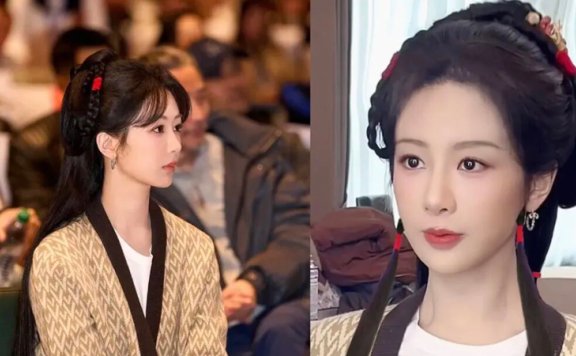
Who Tied the First Red String in Your Hair?
When actress Yang Zi (杨紫) appeared on screen with her hair tied with a simple red string, a wave of nostalgia washed over many viewers. That vibrant Hongtousheng (红头绳, red hair string) is more than a childhood memory or a festive accessory; it is a thread woven through centuries of Chinese social and aesthetic history. This humble object, often just a length of red yarn, connects the practical needs of daily life with deep-seated cultural wishes, evolving from a common hair fastener into a powerful symbol of tradition and belonging. Practicality to Memory Long before elastic bands, securing hair was a daily concern. Traditional methods used hairpins, combs, and cloth bands. The use of red cloth strips for decoration was common, but the narrower, string-like Hongtousheng truly emerged in the late Ming and early Qing dynasties. This shift was linked to specific hairstyles like the Sanliutou (三绺头, three-section hairstyle), which required sections of hair to be bound separately. A thin, strong red string was perfect for neatly dividing and securing these sections at the crown. The industrial revolution made machine-spun yarn cheap and widely available. Red wool or cotton string became an indispensable item in every household. It was durable,…- 30
- 0
-
Yang Zi’s The Mo Earrings: A 600-Year-Old Ming Fashion Icon
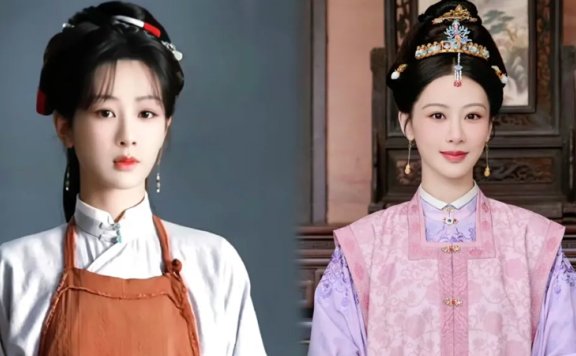
In the historical drama The Mo (家业), the earrings worn by actor Yang Zi (杨紫) in her role as Li Zhen (李祯) are more than just elegant accessories. They are a direct portal to the fashion sensibilities and consummate craftsmanship of the Ming Dynasty, roughly 600 years ago. The specific style, a Hulu (葫芦)-shaped pendant, was a staple in the jewelry boxes of Ming noblewomen. This attention to detail in costume design does more than create a visually authentic scene; it prompts a fascinating question. How did a simple fruit's form become a centuries-long symbol of status and blessing, so meticulously crafted that it still impresses modern audiences? Design and Detail The Hulu earring seen on screen is a refined example of its kind. Typically part of a full ceremonial headdress set, its design is both symbolic and intricate. The version Yang Zi wears appears to be made of white jade or pearl, forming the body of the gourd. A delicate gold leaf caps the top, with two beads suspended beneath to create the distinctive "waist" and lower bulb of the fruit. The most arresting detail is the tiny ring of minuscule gold granules that cinches this waist, a testament… -
Uncovering the History of Chinese Ming and Qing Buttons
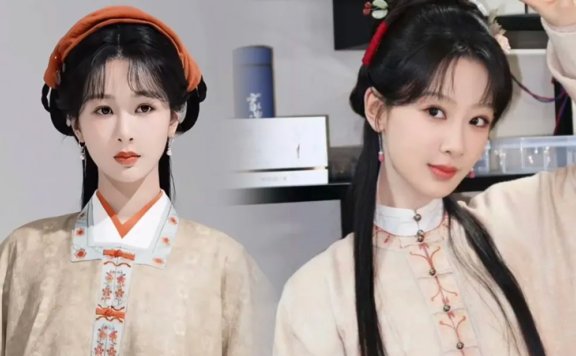
In the historical drama The Mo (家业), the character Li Zhen (李祯), portrayed by Yang Zi, wears garments adorned with a vertical row of buttons. These fasteners shift between cloth and metal variants across different scenes. This subtle costume detail sparks a fascinating question: did traditional Chinese clothing even use buttons? The answer reveals a rich, overlooked history of functional art, distinguishing the elegant Ming-style cloth buttons from the later, densely arranged Qing-era "centipede buttons." Ancient Fasteners Reimagined The common belief is that ancient Chinese attire relied solely on sashes and ties, a system known as "tying tassels and fastening sashes". This method involved intricately woven ribbons to secure garments, allowing adjustment for fit and comfort. Historical texts like the Book of Rites mention the use of such ties. However, this was not the whole story. Archaeological evidence, such as the figurines from the Qin Dynasty, suggests the possible use of simple toggle-like fasteners, though debate continues on whether these were for armor or daily wear. By the Tang and Song dynasties, while ties remained dominant, a quiet evolution began. Elements of cloth buttons appeared on certain robes, like the round-collared Yuanlingpao (圆领袍) and some versions of the Beizi (褙子).…- 79
- 0
-
6 Must-Watch Dramas: Ancient China’s Hidden Worlds
While modern audiences often associate historical Chinese dramas with palace intrigues or fantastical romances, a new wave of storytelling is pushing into grittier, more specialized territories. These series are moving beyond familiar frameworks to examine specific institutions, professions, and social structures of the past, offering a fresh lens on history. They blend meticulous period detail with narrative tension, creating worlds that feel both authentically distant and compellingly immediate. The following six upcoming series exemplify this trend, each carving out a distinct niche within the broader historical and Xianxia landscape. Win or Die (夜不收) Win or Die shifts the focus from the Forbidden City's glittering halls to the wind-swept, perilous frontiers of the Ming Dynasty. This series delves into the world of military intelligence and covert operations during a fragile peace. Period Background: Ming Dynasty, during the Wanli (万历) reign. The setting is the tense border regions between Ming forces and the Oirat Mongols, a landscape of shifting alliances and latent conflict. Genres: Historical, Military, War, Espionage Main Roles: Jing Boran (井柏然) portrays Chen Guang (陈广), the stoic and capable commander of a "Win or Die" unit. Wu Xingjian (吴幸键) plays Qiao Sanyi (乔三一), his protege, tasked with a mission that…- 107
- 0
-
6 Standout Chinese Dramas Preview 2025 Screens
Television platforms are preparing an eclectic mix of series for the upcoming year. Audiences can look forward to Wuxia sagas that blend action with deeper themes, alongside shows highlighting rural renewal. One drama might trace a protagonist's personal growth, while another unravels complex power dynamics. Their concise storytelling and capable casts make them stand out. This breadth ensures diverse viewing experiences, from emotional journeys to suspenseful plots. Have you considered which ones to follow? Chinese television is currently experiencing a vibrant transformation, with storytellers breaking away from conventional templates to deliver series that are as thought-provoking as they are entertaining. This shift is characterized by a move towards nuanced character development, innovative genre blends, and a deeper engagement with cultural elements that resonate with modern viewers. The six dramas discussed here—each distinct in tone and approach—exemplify this new direction, offering fresh perspectives on historical and mythological narratives. They prioritize human connections and personal growth over grandiose plots, making the viewing experience both intimate and expansive. By focusing on relatable struggles and triumphs, these shows are redefining what period and fantasy series can achieve, captivating audiences with their authenticity and creativity. Pursuit of Jade (逐玉) In Pursuit of Jade, the narrative…- 118
- 0
-
Top 10 Must-Watch Chinese Period Dramas of 2025
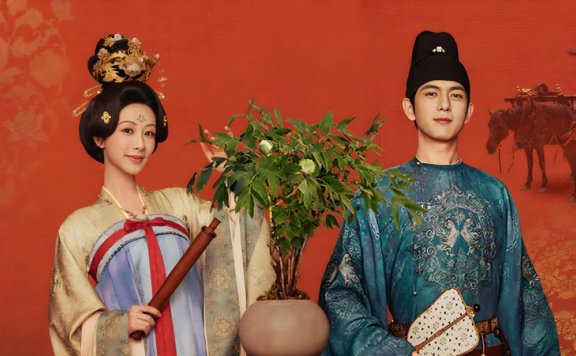
This year, historical series have transformed television with their inventive approaches. The Legend of Zang Hai immediately captivated viewers, setting a precedent for narrative depth. It blends suspense with emotional arcs that keep audiences engaged. Another standout, The Demon Hunter's Romance merges the supernatural into ancient settings, offering a fresh perspective. Meanwhile, Strange Tales of Tang Dynasty Ⅲ: Chang'an delves into Tang dynasty enigmas, where each revelation builds tension. These productions highlight a shift toward complex storytelling, resonating with fans who seek more than mere escapism. Flourished Peony (国色芳华) Aired: 2025 Douban rating: 7.8 Period Background: A fictional ancient dynasty reminiscent of the Tang era, focusing on urban commerce and aristocratic circles. Genres: Historical Drama, Business, Female Empowerment, Political Intrigue Main Roles: Yang Zi (杨紫) portrays He Weifang (何惟芳), a determined merchant's daughter; Li Xian (李现) appears as Jiang Changyang (蒋长扬), a clever official with a hidden agenda; supporting actors include Wei Zheming, Zhang Yaqin, and Tu Songyan. Adapted from: The novel by Yi Qianzhong (意千重), which originally serialized online. Plot Deep Dive: He Weifang enters a marriage of convenience to aid her ailing mother, only to encounter coldness and deceit from her husband's family. After discovering fraudulent medicinal practices,…- 450
- 0
-
10 Actors Dominated 2025 as China’s Top Drama-Carriers
In 2025, the Chinese entertainment industry witnessed a significant shift as performers transcended traditional boundaries, embracing roles that defied expectations and showcased their depth. This year highlighted a move towards authentic storytelling, where actors demonstrated remarkable versatility across television and film. Their journeys from familiar archetypes to complex characters not only captivated audiences but also redefined success metrics, emphasizing artistic growth over mere popularity. 1. Liu Yuning (刘宇宁) - The Prisoner of Beauty, and A Dream Within a Dream Liu Yuning began his career as an online musician, but 2025 marked his emergence as a compelling actor. In the series The Prisoner of Beauty (折腰), he portrayed a leader with a mix of authority and vulnerability. His attention to small details, like subtle facial shifts, brought depth to intense scenes. This performance challenged perceptions about artists transitioning from digital platforms to mainstream media. He further displayed his range in A Dream Within a Dream (书卷一梦), where he took on two distinct roles. Switching between a cunning prince and a carefree swordsman, he used vocal variations and eye movements to differentiate them seamlessly. His dedication to refining each part underscored a self-taught approach that resonated with viewers and critics alike. Beyond…- 132
- 0
-
The History of China's Sheng Hair Ornament
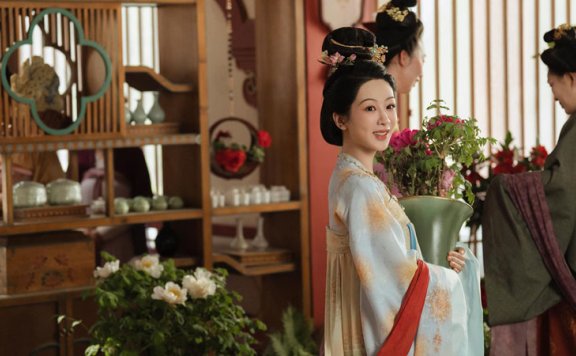
Have you ever been watching a historical Chinese drama and noticed something strange on a character's head? In the series Flourished Peony (国色芳华), the actress Yang Zi, who plays the character He Weifang (何惟芳), is often seen wearing a curious square-shaped hair ornament. It looks so modern and geometric that viewers might mistake it for a pixellated mosaic. This is no costume designer's error, but a revival of an ancient tradition. This distinctive accessory, also spotted on characters of noble birth, is a real historical artifact known as a Sheng (胜). Its journey from a practical tool to a sacred symbol and finally a fashionable hairpin is a fascinating story woven through centuries of Chinese culture. Mythical Origins The story of the Sheng begins not on a dressing table, but in the realm of myth. Its earliest association is with the powerful goddess Xiwangmu (西王母), the Queen Mother of the West. Ancient texts like the Classic of Mountains and Seas (山海经·西山经) describe her appearance: she resembles a human but has a leopard's tail and tiger's teeth, with disheveled hair and a Sheng upon her head. She was a deity who governed celestial punishments and disasters. Later interpretations, however, linked her…- 68
- 0
-
Yang Zi's Earrings in Family Business Questioned for Being too Modern?
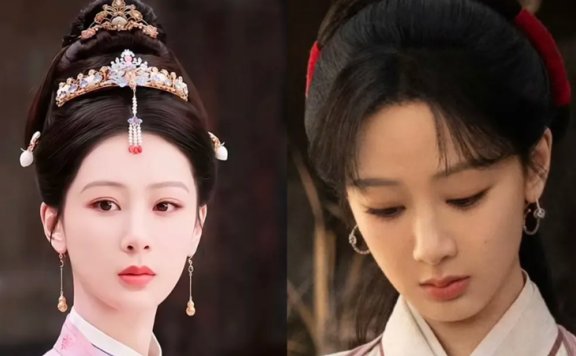
Did a modern pair of earrings just appear in a historical Chinese drama? This was the burning question on social media after viewers spotted the accessories worn by Yang Zi (杨紫) in the new series Family Business (家业). Her character, Li Zhen (李祯), is depicted in a narrative inspired by the Ming Dynasty, yet the intricate hoop earrings she wore seemed strikingly contemporary to the modern eye. This sparked a fascinating debate, leading to a surprising discovery about ancient Chinese fashion. The conversation revealed that our assumptions about historical adornment are often limited, and that the craftsmanship of the past was far more advanced and varied than we typically imagine. Ear Studs The smallest and most common type of ear jewelry in the Ming Dynasty was theDingxiang (丁香). This style closely resembles what we now call an ear stud. Typically crafted from gold or silver, a Dingxiang consisted of a small decorative front piece, often a gem or metalwork, attached to a thin wire that passed through the earlobe. Its design philosophy championed minimalism and subtlety, making it an everyday accessory for women of the time. Its popular nickname, "bean sprout nail," vividly captures its delicate and understated form. Historical…- 70
- 0
-
How Ancient Chinese Clothing Used Buttons for Style and Function
Why Does Yang Zi's The Mo (家业) Costume Feature 'Modern' Buttons? Costume design in historical dramas often walks a fine line between artistic interpretation and historical accuracy. A keen-eyed viewer might notice something peculiar about the attire of Li Zhen (李祯), played by Yang Zi, in the new period drama The Mo. Her garments, while beautifully crafted, are fastened with a row of buttons that alternate between cloth knots and metallic clasps. This seemingly minor detail has ignited a fascinating discussion, prompting many to ask: did ancient Chinese clothing even have buttons? The answer is a resounding yes, and their history is far more intricate and elegant than one might assume. Beyond Strings and Belts For many, the prevailing image of classical attire involves intricate sashes and cleverly tied belts. This method, known as "tying with strings and belts", was indeed a dominant fastening technique for centuries. It was practical, adjustable, and elegantly minimalist. However, it was never the sole method. As early as the Qin Dynasty, archaeological evidence from the Terracotta Army suggests the use of fasteners resembling the one-character button, though some scholars debate they were purely for armor linkage. The evolution continued through the Tang and Song…- 149
- 0
-
Yang Mi's Career Turning Point in 2025
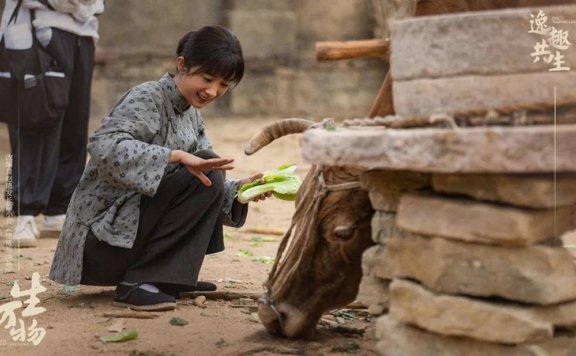
The path of transformation from a traffic-driven star to a serious actress has been a long one for Yang Mi. From the early setback with Baby (宝贝儿) to the controversy around last year's In the Name of the Brother (哈尔滨一九四四), every attempt she made to step closer to the label of "actress of the people" came with scrutiny, heated discussion, and doubt. This year feels like a subtle turning point. She's Got No Name (酱园弄·悬案) and The Lychee Road (长安的荔枝) helped reverse public opinion, while her latest drama This Thriving Land (生万物) is delivering strong results. After three stumbles in a row followed by three consecutive successes, the question is: how close is Yang Mi to achieving a genuine breakthrough? The Success of This Thriving Land This Thriving Land stands as Yang Mi's most important step so far. Earlier this year, both The Murder in the House of Chaos and The Lychee Road were released, and even though Yang Mi only played supporting roles, they earned her positive reviews. In The Murder in the House of Chaos, her portrayal of Wang Xumei was highlighted as one of the rare bright spots in a film that only scored 5.7 on Douban…- 595
- 0
-
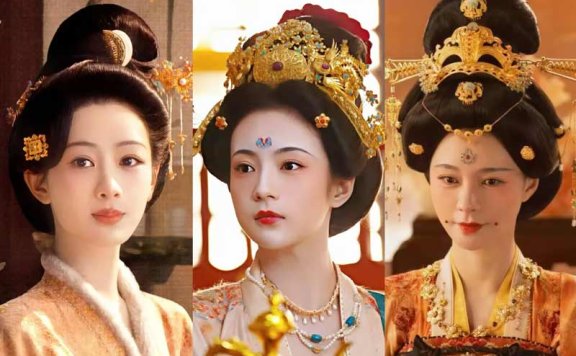
Floral Crowns in Chinese Drama: Who Wears It Best?
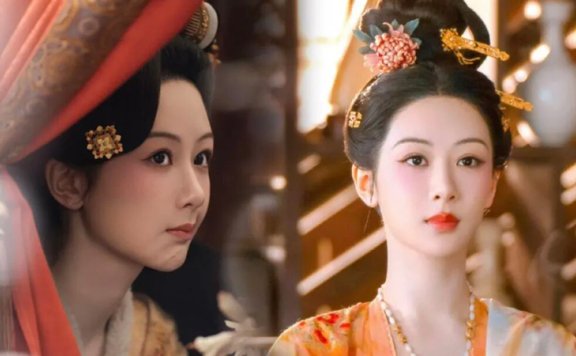
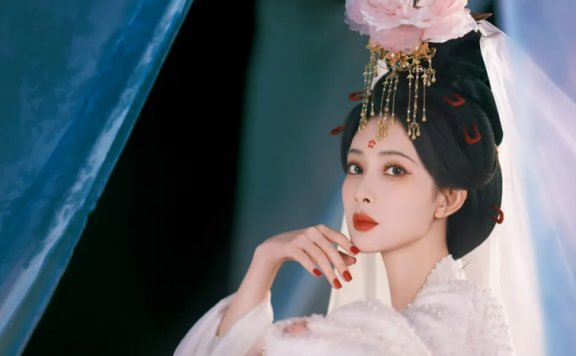
The delicate art of adorning hair with flowers, a signature look in Chinese historical dramas, has recently captivated audiences once more. Meng Ziyi's (孟子义) stunning floral hairpiece in promotional images for the newly announced drama Tigers Sniff the Rose (尚公主) sparked widespread admiration and discussion online. This fascination isn't new; period productions consistently feature elaborate floral hairstyles, showcasing diverse interpretations of classical aesthetics. From the lavish Tang dynasty ideals of voluptuous beauty to more contemporary, slender adaptations, these intricate arrangements are more than mere decoration—they are visual narratives of character, era, and artistic vision. The choice of blooms, their placement, the hairstyle's complexity, and crucially, the actor's physical harmony with the style, all converge to create moments of breathtaking screen elegance. This enduring trend highlights the powerful synergy between costume design, historical homage, and the unique charisma of the performer. Modern Interpretations Recent costume dramas offer a vibrant showcase of floral hair accessories. Meng Ziyi's look in Tigers Sniff the Rose , featuring elegant updos perfectly complementing soft pink peonies, marks a significant improvement, ditching distracting bangs seen in her earlier role in Royal Rumours (花琉璃轶闻). In that production, while Su Mengyun's (苏梦芸) fuller figure and crescent-moon adorned updo exuded…- 150
- 0
-
Ancient Hair Art: How Tang Dynasty Styles Defied Gravity in Dramas
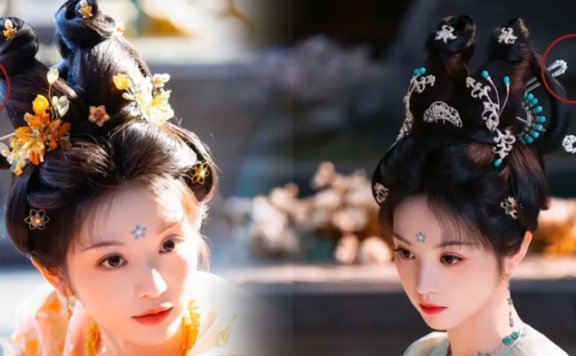
When watching historical dramas, we often marvel at the gravity-defying hairstyles—elaborate loops, towering buns, and intricate coils that seem to float effortlessly. These "zero-gravity aesthetics" leave us wondering: how did ancient women achieve such dramatic looks without modern tools? This article delves into the ingenious methods used in dynasties like the Tang, revealing how hairpins and accessories transformed hair into art while defying physics. Through examples from popular shows and paintings, we uncover the secrets that kept these styles intact, blending functionality with breathtaking beauty. The Role of Hairpins In historical dramas, characters sport stunning coiffures that appear weightless, like those in Moonlit Reunion (子夜归) featuring Tian Xiwei (田曦薇). Her character's ring-shaped styles aren't held by wire or glue; instead, ancient artisans relied on hairpins for both fixation and adornment. These pins, often single-pronged or double-pronged, anchored the hair at key points, creating a sturdy framework that supported even the most complex shapes. Unlike today's temporary solutions, these tools were elegant and durable, proving that ancient craftsmanship was both practical and artistic. Hairpins weren't just functional—they added decorative flair. For instance, in Ladies Wearing Flowers painting, symmetrical pins embellished the hair, their designs varying from simple to ornate based on… -
Who's the New Leading Lady of Cdramas?
The last two years in the drama market have felt like a desert: too many misses, too few real hits. When it comes to the industry's definition of who can "carry a drama" (扛剧, means recognition from producers and platforms, not just fan hype), producers and platforms are becoming much more cautious. Compared to the so-called "traffic stars" whose pulling power is always in a Schrödinger's cat state—sometimes effective, sometimes an illusion—the top actresses who have built their status step by step through solid works are generally seen as the real deal when it comes to carrying a show. But in just one year, even this assumption has been shaken hard by the turbulence of the market. This rundown isn't about crowning or dismissing anyone—it's about looking closely at how these actresses are holding up in the storm: what they still have in hand, and what is slipping through their fingers. Yang Zi and Zhao Liying: Invincible Status? If we're talking about who still has an "unbroken golden body" (metaphor for a stable, almost invincible status), from the '85 generation to the post-2000s, it really feels like only Yang Zi (杨紫) and Zhao Liying (赵丽颖) remain. Zhao Liying's The Legend…- 249
- 0
-
How China's Actresses Are Rewriting History Through Fabric
The camera pans across a tea garden, lingering on Gulnazar as her fingers dance over the Guqin (古琴). It’s not just the melody of Glory (玉茗茶骨) that captivates; it’s the silent narrative woven into her Ming Dynasty attire – a robe embroidered with gold thread against deep, resonant hues. This moment, captured in a single leaked still, ignited more than fan chatter; it sparked a nationwide fascination with Ming aesthetics. Actresses like Yang Zi, and Gulnazar aren't merely wearing costumes; they're embodying an era, proving that historical accuracy can be breathtakingly modern. Beyond the Brocade Gone are the days of generic "ancient" costumes dominated by flimsy silks and anachronistic designs. Song Zuer’s portrayal in Biao Mei Wan Fu (表妹万福) offered a revelation: Ming fashion could be refreshingly delicate. Her sky-blue short jacket, paired with a crisp white horse-face skirt (Mamianqun) edged in indigo, presented an aristocratic elegance far removed from stifling opulence. Audiences noted the quiet confidence it projected, a stark contrast to the exaggerated finery often seen. Then came Yang Zi in Jia Ye (家业). Dressed not as nobility but as an artisan, her practical work clothes – sturdy fabrics, precise cuts – spoke volumes about Ming societal structure and…- 139
- 0
-
Why Are Women's Faces So Red in Cdramas?
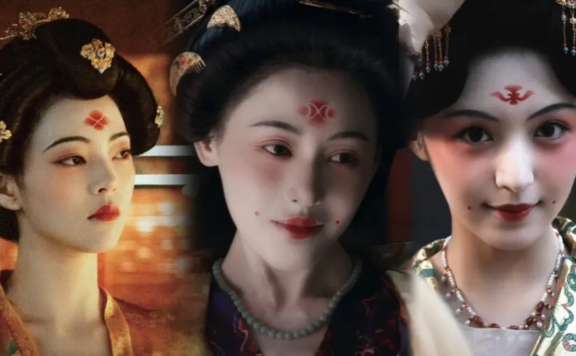
The Tang-style makeup and hairstyles nowadays indeed seem different from before. You may wonder why there are such obvious red patches on their faces, even to an exaggerated degree. Actually, this is a kind of classical makeup called 'Jiuyunzhuang' (酒晕妆). As the name implies, it resembles the blush after getting drunk. The bold 'red makeup' became the mainstream of facial makeup as women became more confident and independent. It was extremely popular, with many noble ladies applying rouge to their entire cheeks, including the upper eyelids, half of their ears, and the lower jaw. This boldness and preference for red was a popular makeup style during the reign of Empress Wu Zetian and the prosperous Tang Dynasty (even until the Five Dynasties), which was rare in other dynasties. 'Zhuangtaiji' (妆台记) clearly states, 'For a beauty's makeup, after applying powder on the face, mix rouge in the palm and apply it to both cheeks. The thick one is called Jiuyunzhuang; the light one is 'Taohuazhuang' (桃花妆); applying a thin layer of red and covering it with powder is 'Feixiazhuang' (飞霞妆).' It's evident that 'Jiuyunzhuang' is the most extreme one, also known as 'Yunhongzhuang' (晕红妆) and 'Zuizhuang' (醉妆). In Tang Dynasty paintings…- 148
- 0
-
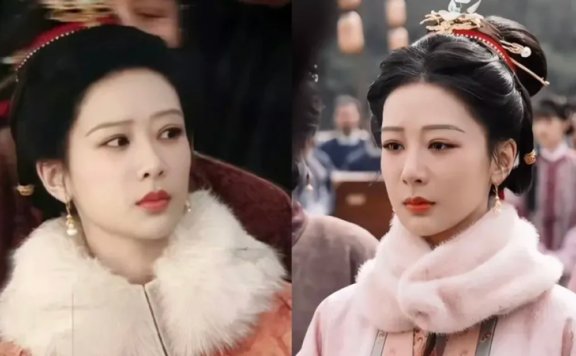
Pink Robes in Ancient Dramas: 8 Actresses' Stunning Styling
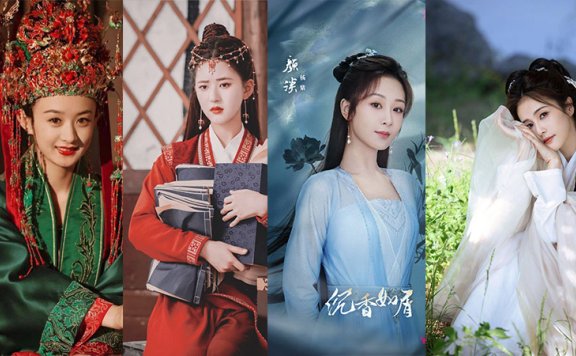
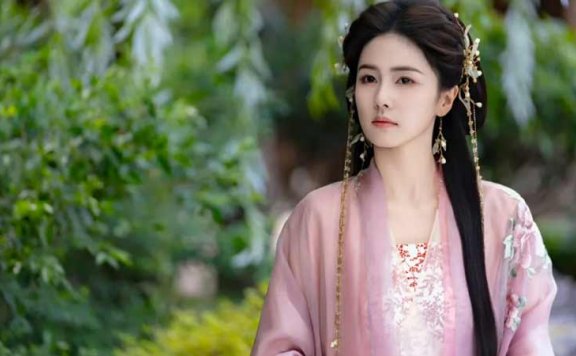
Pink carries a unique magic on historical drama screens. This gentle hue transforms actors into blossoms against intricate sets and rich storytelling. From celestial realms to royal courts, these costumes become visual poetry, each shade revealing character depth and narrative nuance. The recent surge in meticulously crafted pink styling highlights how color shapes our connection to these worlds. 1. Bai Lu (白鹿) Some performers embody pink's inherent softness. Bai Lu in Lin Jiang Xian (临江仙) exemplifies this. Her layered gown, adorned with subtle embroidery, harmonized with delicate hair ornaments. The ensemble created an aura of serene grace, mirroring her character’s gentle spirit. 2. Yang Zi (杨紫) Similarly, Yang Zi brought youthful radiance to Immortal Samsara (沉香如屑.沉香重华). Flowing pink chiffon contrasted with dark palace intrigue, visually anchoring her character’s innocence. Her subtle accessories enhanced rather than overwhelmed, proving elegance thrives in simplicity. 3. Ju Jingyi (鞠婧祎) Ju Jingyi’s unreleased drama Yuelin Qi Ji (月鳞绮纪) offers a glimpse of dynamic grace. Vibrant crimson florals danced across her pink robes, while a bold peony hairpiece commanded attention. This deliberate clash of hues suggested a character balancing delicacy with hidden fire. The intricate forehead adornment completed a look radiating poised energy. Her costume whispered…- 87
- 0
-
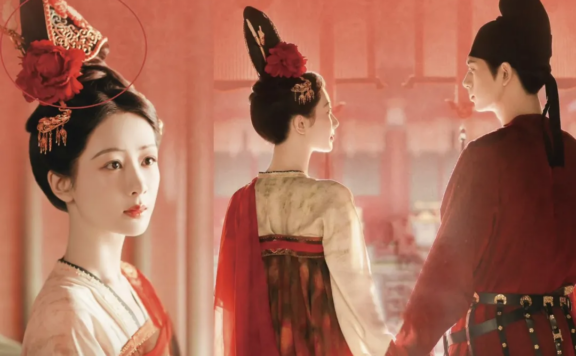
Yang Zi's New Hanfu Look: Like a Cone
The posters of the second part of Flourished Peony called In the Name of Blossom have revealed the new looks of Yang Zi and Li Xian. Yang Zi's hair bun on the top of her head resembled an upright cone. Some netizens joked, "Is this the so - called ‘cone - shaped hair’ in the Tang Dynasty?" First, let me conclude that this hairstyle is the single - blade half - flipped hair bun that was popular in the Tang Dynasty. Although it looks like a cone, its structure is actually much more complex than you might think. Let's break it down. The Chinese meaning is very clear: Single - blade means that when the hair bun is spread out, it looks like a single blade of a knife, and "half - flipped" means that the blade of the knife bends and flips inward halfway, resulting in the shape we see. Now, let's see how to visually identify the single - blade half - flipped hair bun. The two pictures on the left are from the Tang Dynasty, and the rightmost picture is from the Sui Dynasty. We can see that this hair bun, popular during the Sui and Tang… -
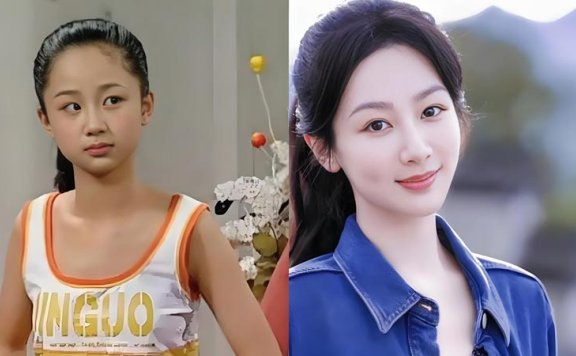
Yang Zi's Unconventional Path: Child Star to Authentic Artist
In the dazzling yet often superficial world of Chinese entertainment, Yang Zi (杨紫) carves a distinct trajectory that defies industry norms. Unlike peers meticulously crafting public personas, Yang embraces an almost defiant authenticity – carrying homemade meals to sets, shunning orchestrated publicity stunts, and prioritizing raw performance over polished perfection. Her journey, marked by early fame in Home With Kids (家有儿女) and weathered through industry turbulence, reveals an artist steadfastly navigating her own course, untethered by expectations of beauty or fleeting trends. This is not a path of rebellion, but a quiet insistence on artistic integrity, proving longevity stems from substance, not spectacle. The Unseen Battles Behind the Smile Child stardom, ignited by Home With Kids, thrust Yang Zi into an unforgiving spotlight. School cafeteria queues became autograph sessions, yet the abrupt loss of her role in the show's third season delivered a harsh lesson in industry impermanence. Recalling a solitary moment in her freezing Central Academy of Drama dorm, snow falling outside, she grappled with rejection: "Was I replaced, or did I not deserve the role?" This vulnerability translated into her breakout performance in Battle of Changsha (战长沙). A pivotal scene demanded tears she initially couldn't conjure, drawing sharp…- 134
- 0
-
Hairpins and Wigs: The Art of Ancient Chinese Hairstyling
Ancient portraits and modern period dramas showcase women with gravity-defying towers of hair. From The Glory's (雁回时) intricate Ming-style coiffures to the Tang Dynasty grandeur in Flourished Peony (锦绣芳华), these elaborate styles spark wonder. How did historical figures achieve such volume? The answer lies not in mythical hair growth, but in ingenious artifice. Long before modern extensions, ancient artisans crafted sophisticated hairpieces known as Ji (髻)—the foundation of historical hairstyling. Materials of Illusion Far from relying solely on precious human hair, craftsmen employed diverse resources. Excavations at Astana Graves in Xinjiang revealed a lacquered wooden Ji shaped like a "single-blade half-upturned bun." This hollow structure, painted black with white floral motifs and clouds, featured small holes for securing hairpins. Wearers concealed their natural hair within this lightweight frame, creating instant volume and a base for ornaments. Another ingenious example used dyed palm fibers. Wrapped around a linen core and shaped into spirals, these pieces offered a ready-to-wear solution. Early classifications in the Zhou Li (周礼) distinguished types: the ornate Fu (副), the simpler Bian (编), and the blended Ci (次). Later terminology simplified to Bi (髲) and Ti (鬄). Materials ranged from affordable palm and horsehair for daily use to… -
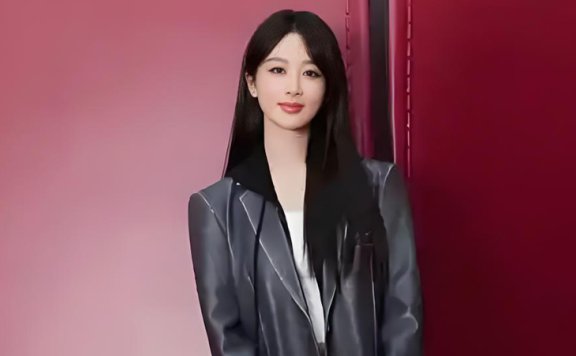
33-Year-Old Yang Zi Stuns in Nude Stockings
A recent series of candid photos featuring Chinese actress Yang Zi has gone viral on the internet. Captured in delicate nude stockings and a soft, retro-inspired ensemble, the 33-year-old star radiates an unexpected blend of youthful vitality and sophisticated allure. These images, rapidly circulating online, have sparked fervent discussions about her seemingly timeless beauty and unique fashion sense, drawing comparisons to an ethereal figure stepping out from a classic 1980s film. Fans and netizens alike marvel at how effortlessly she embodies both girlish charm and mature elegance, a combination rarely seen among her contemporaries. The Viral Photoshoot The unposed pictures showcase Yang Zi with a noticeably slender figure, smooth complexion, and legs accentuated by semi-transparent stockings. This striking visual immediately captivated audiences, prompting exclamations of disbelief regarding her age. "How can someone look this celestial at 33?" questioned one astonished admirer online questioned, echoing a sentiment felt by many. The contrast between her appearance and that of other actresses in their thirties – some navigating motherhood or body changes – highlights the distinctiveness of her presence. Yang Zi herself has previously joked about possessing an "auntie's fashion taste," a self-deprecating remark that now seems prophetic. This photoshoot vividly demonstrates that…- 315
- 0
-
Women's Awakening and National Sentiment In the Name of Blossom
Every summer marks a fierce battleground for the Chinese TV industry. And one quiet rule has become increasingly clear in recent years: if you're going to launch a big historical costume drama, summer is your moment. Since the "xianxia/costume drama restriction order" (a policy aimed at limiting the number of historical and fantasy dramas on air introduced in 2019) was put in place, period dramas have noticeably declined on mainstream channels. Among them, love-centric historical shows have seen a particularly bumpy ride. To stay relevant, creators have been experimenting—pushing for quicker pacing, short-form storytelling, and even adding game-like elements. But the results? Mixed, at best. These tweaks might create short-term hype, but they don't offer a long-term solution. Now that long-format dramas are shrinking across the board, the industry's looking for a win—something high-quality and widely appealing enough to restore confidence. And top-tier costume dramas are under even more pressure: they not only have to look good but also find new ways of storytelling, inject real cultural depth, and raise the production bar to win back their audiences. Enter The Glorious Blossoms, which aired in late June, produced by Huace Media. It's the follow-up to the popular series Flourished Peony…- 244
- 1
Yang Zi

Scan to open current page
-
$CouponsLimitation of use:Expired and UnavailableLimitation of use:
before
Limitation of use:Permanently validCoupon ID:×Available for the following products: Available for the following products categories: Unrestricted use:Available for all products and product types