In the dazzling yet often superficial world of Chinese entertainment, Yang Zi (杨紫) carves a distinct trajectory that defies industry norms. Unlike peers meticulously crafting public personas, Yang embraces an almost defiant authenticity – carrying homemade meals to sets, shunning orchestrated publicity stunts, and prioritizing raw performance over polished perfection. Her journey, marked by early fame in Home With Kids (家有儿女) and weathered through industry turbulence, reveals an artist steadfastly navigating her own course, untethered by expectations of beauty or fleeting trends. This is not a path of rebellion, but a quiet insistence on artistic integrity, proving longevity stems from substance, not spectacle.
The Unseen Battles Behind the Smile
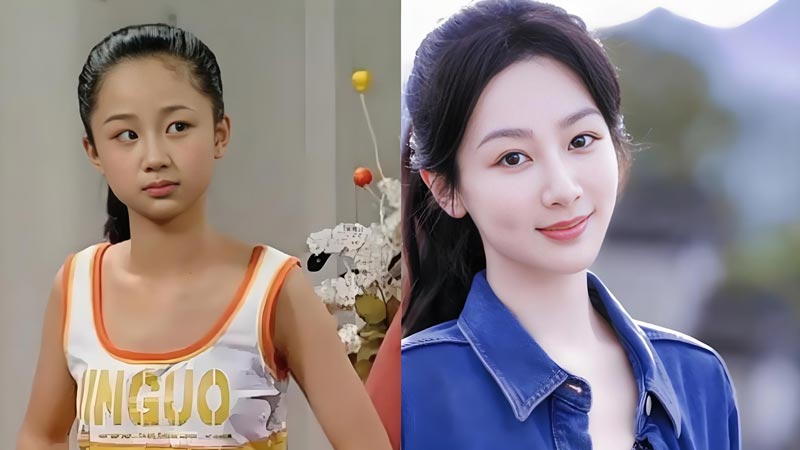
Child stardom, ignited by Home With Kids, thrust Yang Zi into an unforgiving spotlight. School cafeteria queues became autograph sessions, yet the abrupt loss of her role in the show's third season delivered a harsh lesson in industry impermanence. Recalling a solitary moment in her freezing Central Academy of Drama dorm, snow falling outside, she grappled with rejection: "Was I replaced, or did I not deserve the role?" This vulnerability translated into her breakout performance in Battle of Changsha (战长沙). A pivotal scene demanded tears she initially couldn't conjure, drawing sharp criticism from an assistant director. His unexpected gesture later – a simple cup of warm water offered after a late shoot, devoid of further reprimand – resonated more deeply than any acting note. It was a rare, unvarnished moment of human connection amidst professional pressure.
Redefining Beauty on Her Own Terms
The industry's relentless scrutiny of appearance became Yang Zi's silent battleground. Early anxieties about being deemed "not beautiful enough" led to extreme measures; she drastically restricted her diet, resulting in a gaunt appearance during Noble Aspirations (青云志) that felt alien even to herself. While fans celebrated her transformed look, whispers of cosmetic procedures swirled. Yang consistently sidestepped these speculations with a resigned "As long as you're happy." A staff member's probing question – "Is this the version of yourself you truly wanted?" – met with stark honesty: "I don't know. It's simply the version that allows me to keep acting now." This exchange laid bare the complex negotiation between personal identity and professional survival.
The Quiet Resilience in an Artificial World
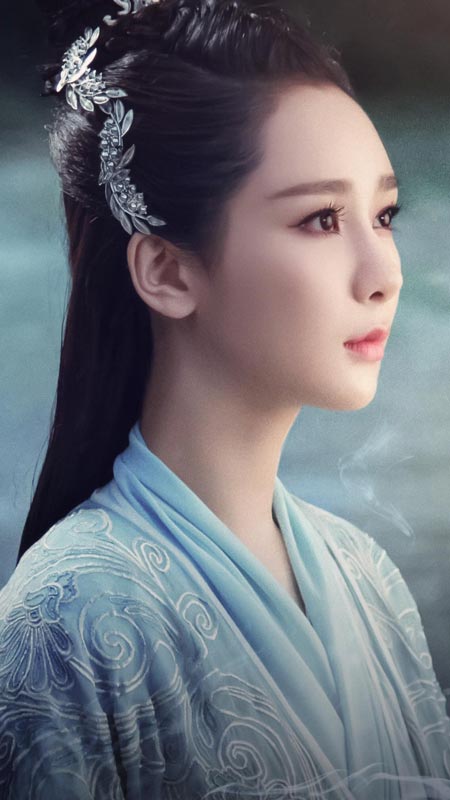
Yang Zi's strength lies not in loud defiance, but in persistent, grounded action. She navigates personal relationships with intense privacy, refusing to weaponize her private life for headlines. Her insight cuts deep: "In our line of work, everyone fears being replaced. Some fear being remembered, others fear being forgotten." Her dedication manifests physically on set. Filming Tree of Life (生命树) in harsh Qinghai conditions, she endured windburn and freezing temperatures, learning Tibetan for linguistic authenticity, unconcerned when unglamorous behind-the-scenes photos – like her bundled in a puffer jacket eating a flatbread – garnered little online buzz. Her acclaimed role in Flourished Peony (锦绣芳华) showcased this maturity, portraying a woman whose quiet tears spoke volumes about internalized pain. When asked about longevity, her response is pragmatic and passionate: "As long as my face can still move, I'll keep acting."
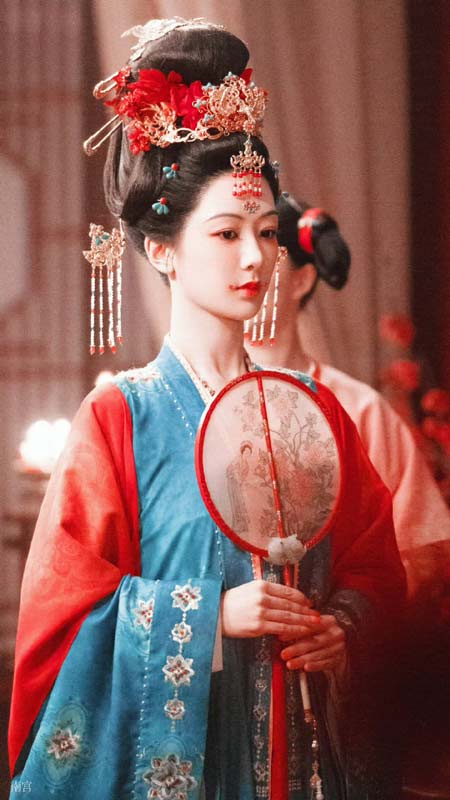
Yang Zi hasn't escaped the industry's pressures, but she refuses to be consumed by them. She carries her script like an anchor, her focus unwavering. She doesn't perform for approval; she acts for the craft itself. This isn't a path of blind stubbornness, but a conscious, hard-won choice to remain real in a world built on illusion. Holding her script tight, eyes still alight with purpose, Yang Zi walks her own road – and its authenticity is her most compelling performance yet.