Television platforms are preparing an eclectic mix of series for the upcoming year. Audiences can look forward to Wuxia sagas that blend action with deeper themes, alongside shows highlighting rural renewal. One drama might trace a protagonist's personal growth, while another unravels complex power dynamics. Their concise storytelling and capable casts make them stand out. This breadth ensures diverse viewing experiences, from emotional journeys to suspenseful plots. Have you considered which ones to follow?
Chinese television is currently experiencing a vibrant transformation, with storytellers breaking away from conventional templates to deliver series that are as thought-provoking as they are entertaining. This shift is characterized by a move towards nuanced character development, innovative genre blends, and a deeper engagement with cultural elements that resonate with modern viewers.
The six dramas discussed here—each distinct in tone and approach—exemplify this new direction, offering fresh perspectives on historical and mythological narratives. They prioritize human connections and personal growth over grandiose plots, making the viewing experience both intimate and expansive. By focusing on relatable struggles and triumphs, these shows are redefining what period and fantasy series can achieve, captivating audiences with their authenticity and creativity.

Pursuit of Jade (逐玉)
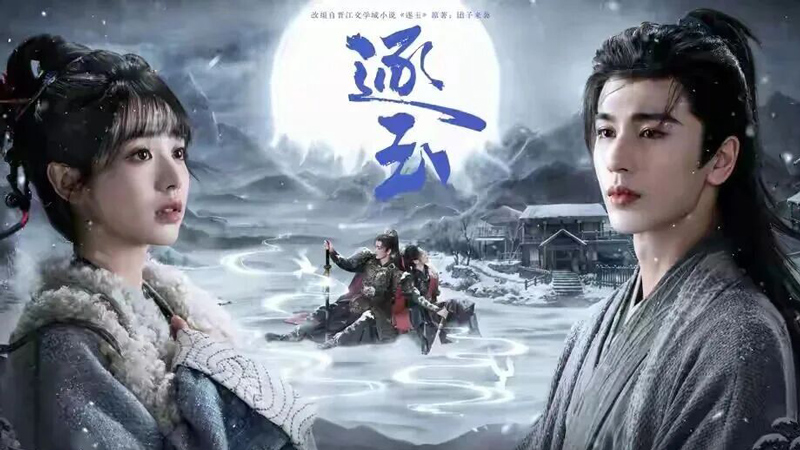
In Pursuit of Jade, the narrative centers on Chang Yu (长玉), a woman whose life revolves around a bustling market and a butcher's knife. She possesses remarkable physical strength and a no-nonsense attitude, far removed from the delicate archetypes often seen in historical settings. Her story begins with a chance encounter that alters her destiny, pulling her into a world of intrigue and danger. This setup immediately challenges expectations, presenting a protagonist who relies on grit and practicality rather than birthright or beauty.
Xie Zheng (谢征), the Marquis of Wu'an (武安), enters her life under strained circumstances. Having survived an assassination attempt and political framing, he assumes a low profile, eventually agreeing to a marriage of convenience with Chang Yu. Their initial partnership is transactional, aimed at protecting her family and his secret. However, as they navigate threats from corrupt officials and unravel a web of deceit, their bond deepens into something genuine and supportive. The dynamic between them evolves from calculated cooperation to heartfelt collaboration.
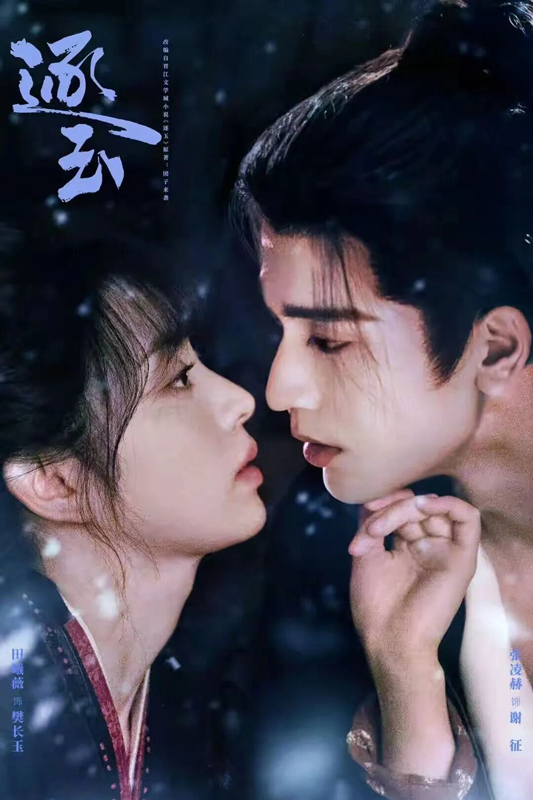
Their journey is punctuated by action sequences and emotional revelations, as they expose a conspiracy linked to a past military campaign. Chang Yu's resilience complements Xie Zheng's strategic mind, allowing both to grow beyond their original roles. She transitions from a local figure to a respected military leader, while he reclaims his position with renewed purpose. This transformation underscores the series' theme that true strength arises from vulnerability and mutual trust.
What makes Pursuit of Jade compelling is its refusal to adhere to stereotypical power dynamics. Instead, it celebrates the idea that heroes can emerge from any background, and that love and ambition are not mutually exclusive. The series has garnered attention for its balanced mix of romance and suspense, proving that character-driven stories can have broad appeal.

Gu Yue Feng Hua Lu (古乐风华录)
Gu Yue Feng Hua Lu introduces a world where traditional instruments are imbued with spirit and consciousness. These entities, known as music spirits, include representations of the Guqin (古琴) and Pipa (琵琶), each with distinct personalities and histories. The concept blends fantasy with cultural heritage, creating a narrative that is both imaginative and educational. Viewers are drawn into a realm where music is not just an art form but a living force that shapes destinies.
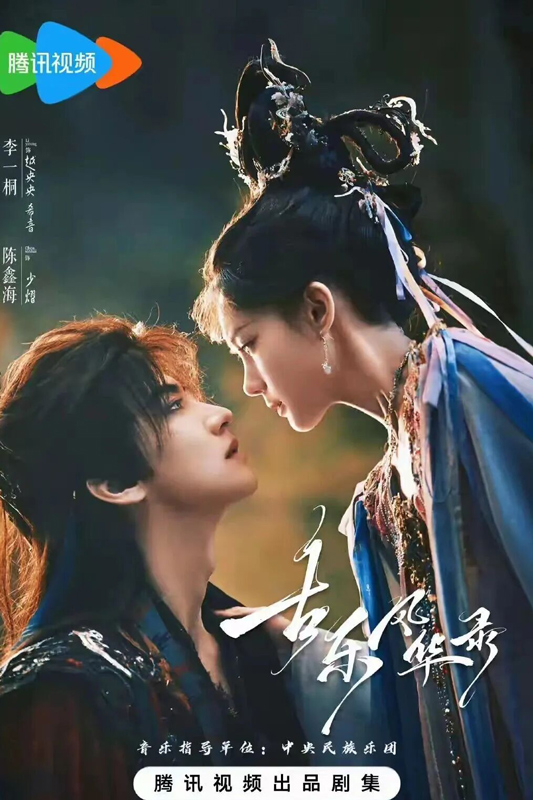
The plot follows Yue Yangyang (越央央), a skilled musician, and Shao Yi (少熠), a music spirit suffering from amnesia. Their initial interactions are marked by conflict, as they come from opposing sides of a mystical divide. Forced to collaborate, they embark on a quest to gather fragments of a sacred composition that can restore harmony to their world. Along the way, they encounter other spirits, such as the Pipa and Dongxiao (洞箫), whose relationships add layers of emotion and complexity.
Visually, the series is a feast, incorporating elements from Dunhuang (敦煌) art, such as flowing costumes and ethereal set designs that mimic ancient murals. Actress Li Yitong (李一桐), often praised for her grace in period roles, embodies the elegance of these aesthetics, while Chen Xinhai (陈鑫海) brings a poised intensity to his character. Their on-screen chemistry helps ground the fantastical elements, making the story accessible and engaging.
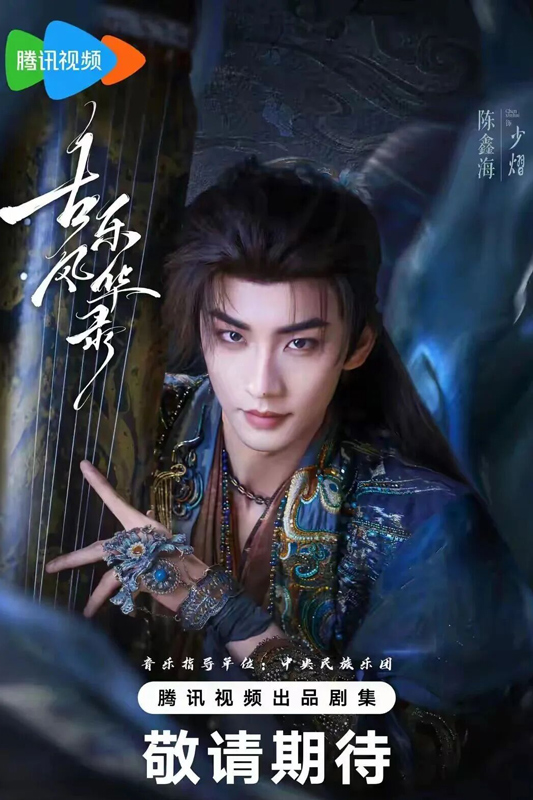
By personifying instruments and weaving in mythological themes, the drama offers a unique lens through which to appreciate Chinese musical traditions. It avoids didacticism, instead allowing the narrative to naturally highlight the beauty and significance of these cultural artifacts. This approach not only entertains but also fosters a deeper appreciation for the arts among contemporary audiences.

Shi Jin (什锦)
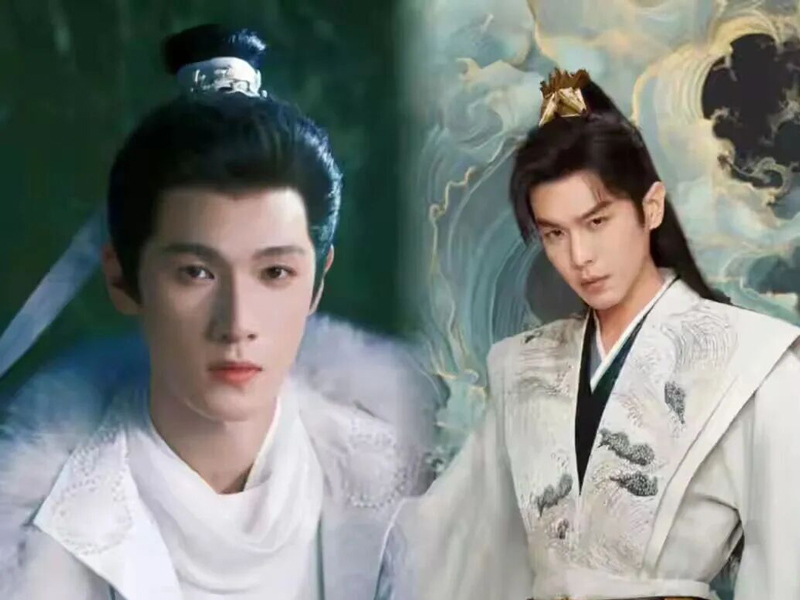
Shi Jin transports viewers to the Ming Dynasty (明朝), where a seemingly minor incident—a mine collapse in Yuyao (余姚)—unearths a mystery involving scattered human remains. The investigation is led by Hu Shixin (胡始信), a former magistrate now living in obscurity, and a group of Jinyiwei (锦衣卫) who are on the fringes of power. This premise sets the stage for a gripping tale of detection and political maneuvering.
What distinguishes this series is its focus on individuals without influence or prestige. Hu and his allies methodically piece together clues, each discovery revealing another layer of a broader conspiracy. The narrative structure mimics peeling an onion, with suspense building as they close in on the truth. This gradual unfolding keeps viewers engaged, as they are invited to solve the puzzle alongside the characters.
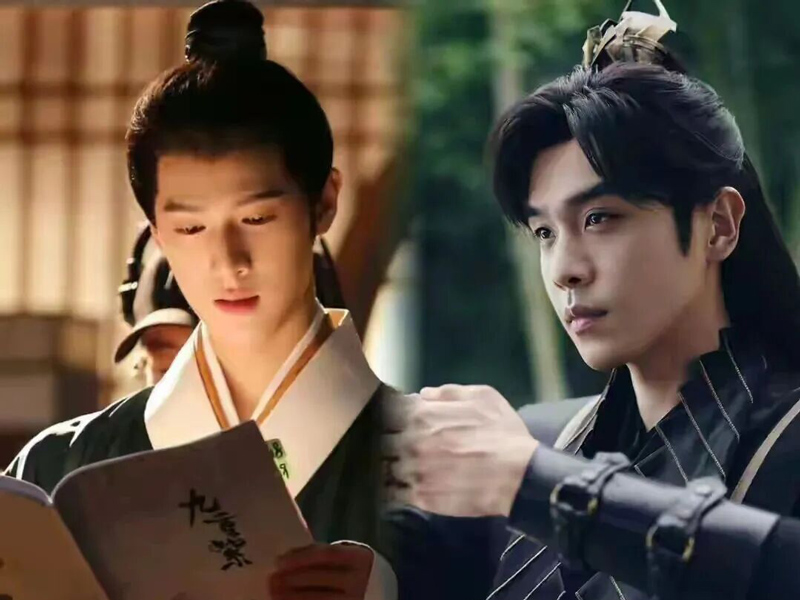
Zhang Ruoyun (张若昀), known for his roles in strategic dramas, delivers a nuanced performance as Hu Shixin, blending intelligence with vulnerability. The supporting cast, including the marginalized guards, adds depth to the story, highlighting themes of camaraderie and resilience. The production benefits from experienced creators like director Fei Zhenxiang (费振翔) and screenwriter Yu Yang (禹扬), whose previous works have set high standards for quality.
The ultimate revelation ties the mine collapse to a larger scheme within the imperial court, emphasizing how ordinary people can effect change against overwhelming odds. This "small people, big impact" approach resonates because it champions intellect and perseverance over privilege. Shi Jin stands out for its intelligent storytelling and moral complexity, offering a refreshing alternative to more conventional hero narratives.

Generation to Generation (江湖夜雨十年灯)
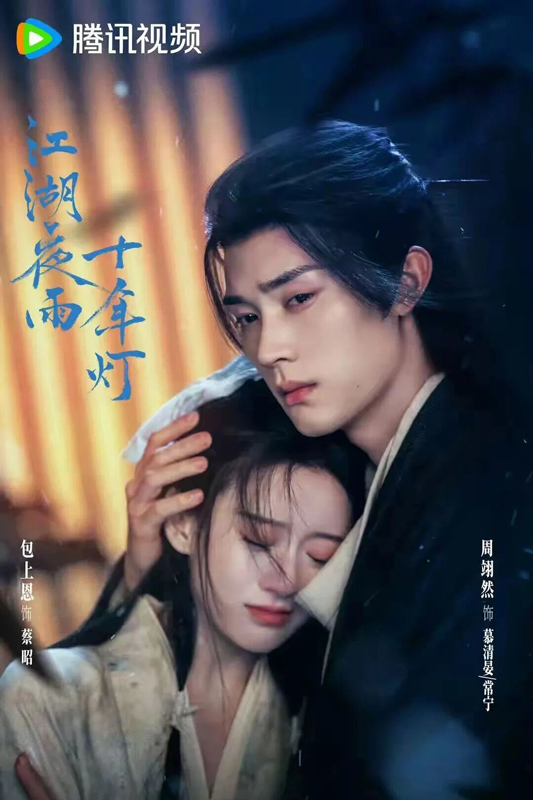
The series Generation to Generation injects new life into the Wuxia genre by focusing on character contradictions rather than sheer martial prowess. Cai Zhao (蔡昭), born into a prestigious family, carries a destiny marked as a demonic force, yet she presents a calm exterior that masks her cunning nature. Her counterpart, Chang Ning (常宁), a survivor of a family massacre, appears cold and sharp-tongued but hides a tender heart. Their dynamic moves away from the traditional pairing where a fragile woman relies on a heroic man, instead showcasing two equally formidable individuals whose interactions drive the plot forward.
This drama weaves together martial arts, fantasy, and romance against a backdrop of sect rivalries and hidden agendas. The plot follows the duo as they navigate a world filled with deception, working to unmask hypocrites while stirring up the martial arts community. The inclusion of mystical elements, like her fated demonic aura, adds a layer of unpredictability to the otherwise grounded conflicts between clans. Their journey from mutual suspicion to trusted partnership forms the emotional core, making their alliance as compelling as the external threats they face.
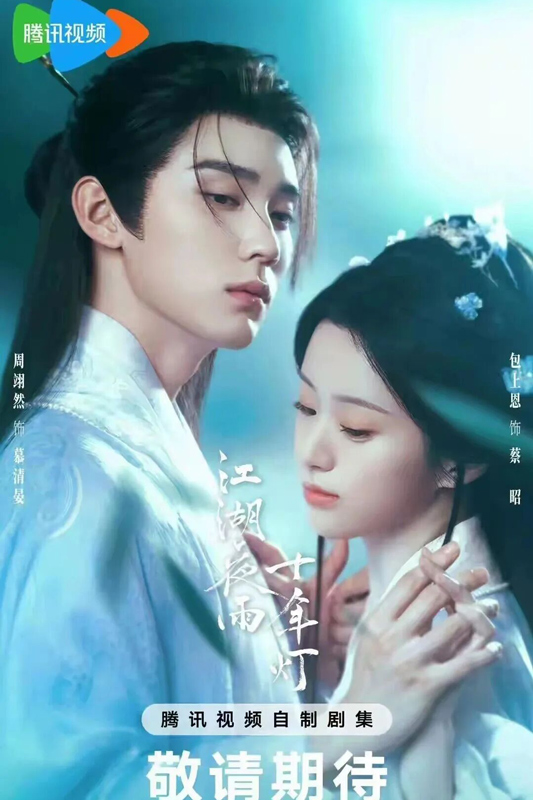
What sets this story apart is its refusal to let genre boundaries constrain character development. She is not a victim of her fate but uses it to her advantage, while he learns to lower his defenses without losing his edge. Their growth is paced alongside the unraveling mysteries, ensuring that personal evolution remains tied to the overarching narrative. This approach results in a rich tapestry where action sequences and emotional beats are equally weighted, offering a satisfying blend for modern audiences.
Ultimately, Generation to Generation succeeds by allowing its leads to be flawed, multifaceted, and genuinely surprising. Their relationship avoids clichés, focusing on how two broken individuals can heal together through shared challenges. It is a testament to how classic genres can evolve when writers dare to redefine heroism and villainy, making room for stories where the lines between good and evil are refreshingly blurred.

Light of Dawn (人之初)
Light of Dawn delves into the psychological toll of uncovering long-buried truths, centered on a car crash that unearths a skeleton linked to past traumas. Gao Feng (高风), portrayed with gripping intensity, is a man torn between his drive for justice and the fear that the truth might harm those he cares about. His performance captures the inner turmoil of someone who cannot ignore the past yet dreads its implications, especially in moments like the visceral shock upon discovering the remains.
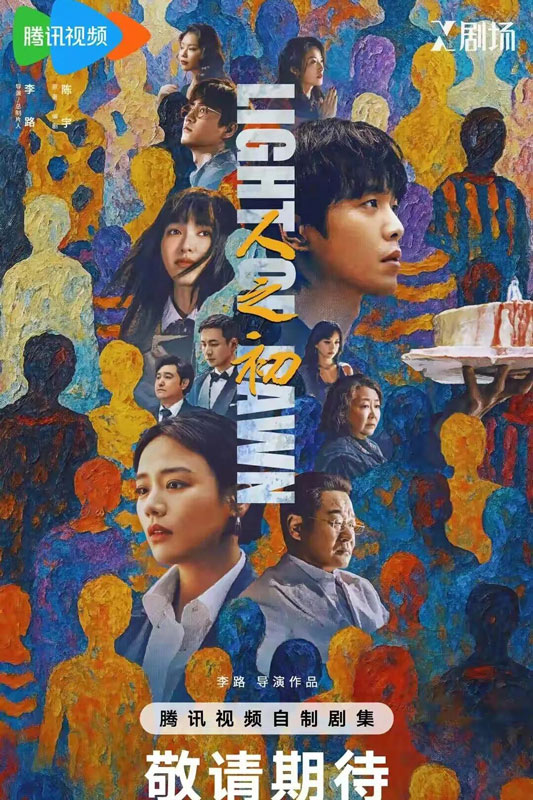
Opposite him, Wu Feifei (吴菲菲) grapples with the weight of concealed secrets, her pain portrayed through subtle expressions that reveal a character on the brink of emotional collapse. Their initial distrust stems from his connection to the case and her family's desperate attempts to keep certain facts hidden. As the investigation progresses, they find common ground, transforming from adversaries into reluctant allies determined to piece together the fragmented puzzle.
The narrative thrives on its slow-burn suspense, peeling back layers of deception with each revelation. Rather than relying on action, the tension builds through dialogue and character interactions, highlighting how personal histories can shape present actions. This method creates a claustrophobic atmosphere where every clue leads to more questions, mirroring the protagonists' own confusion and determination.
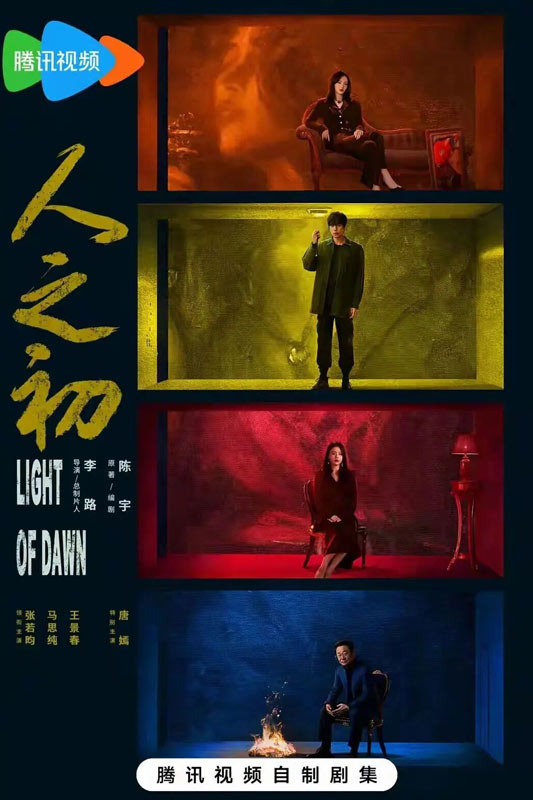
By the end, the series underscores that some mysteries are not just about solving crimes but about understanding human nature. Their partnership becomes a vehicle for exploring themes of redemption and the cost of silence, proving that the most daunting enigmas often lie within the human heart. It is a thoughtful examination of how truth can both liberate and destroy, depending on who seeks it and why.

Tree of Life (生命树)
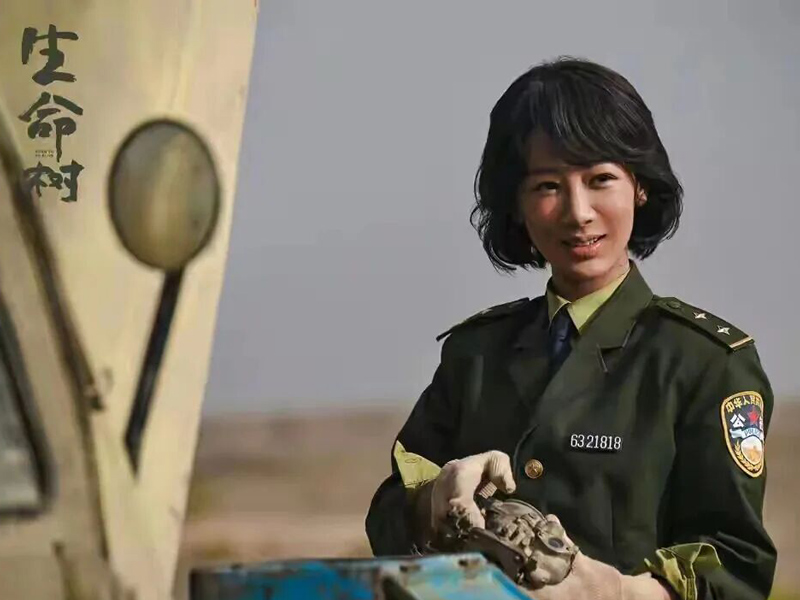
Tree of Life breaks from typical drama fare by immersing viewers in the harsh, beautiful landscapes of Qinghai's Ma Zhi County (玛治县), where environmental conservation takes center stage. Duo Jie (多杰), a local official, shifts the community's focus from mining for economic gain to protecting the fragile ecosystem, a transition that requires profound personal commitment. His dedication is mirrored in the actor's transformation, including learning Tibetan to lend authenticity to the role.
Bai Ju (白菊), a police officer who joins the mountain patrol team, undergoes a similar physical metamorphosis, with weathered skin and sun-bleached hair that strip away any glamour. Her journey from law enforcement to ecological advocate is marked by life-threatening situations that bond the team together. Along the way, she finds an unexpected romance with a journalist, adding a layer of personal stakes to the broader mission.
The story takes a dramatic turn when Duo Jie vanishes under suspicious circumstances just before a nature reserve is established, leading to the team's dissolution. Years later, former members reunite to clear his name and continue the work he started, uncovering conspiracies that threaten both their lives and the environment. This twist elevates the plot from a simple conservation tale to a gripping mystery about loyalty and legacy.
Through its unflinching portrayal of sacrifice and resilience, the series highlights the real-world struggles of those who guard natural resources. It avoids preachiness by grounding its message in character-driven stories, showing how individual actions can inspire collective change. The result is a powerful narrative that resonates beyond entertainment, urging viewers to consider their own relationship with the planet.

Chinese Dramas: Depth, Heritage & Innovation
The diverse lineup of Chinese series for 2025 showcases a remarkable evolution in television storytelling. From the character-driven Wuxia of "Generation to Generation" to the ecological mystery of "Tree of Life," these dramas transcend mere entertainment. They are united by a focus on nuanced character development, innovative genre blends, and a deep engagement with cultural heritage.
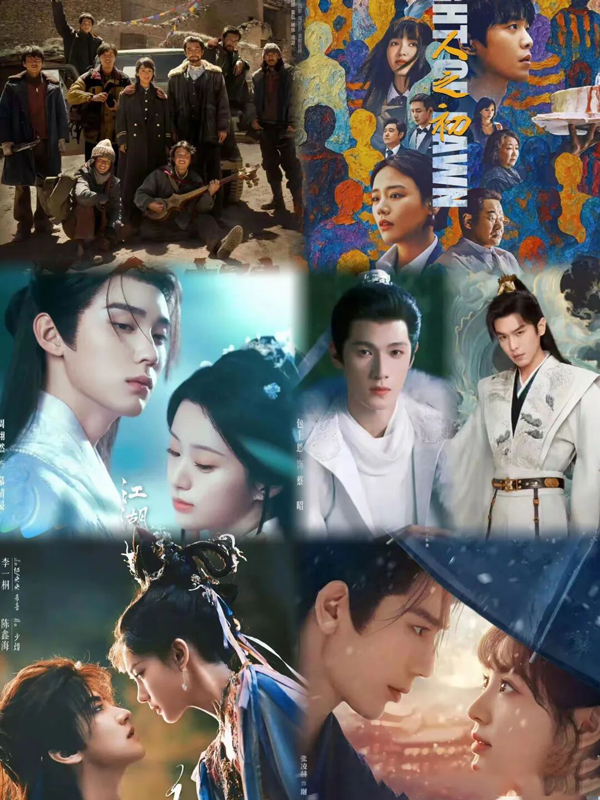
By prioritizing authentic human connections and relatable struggles over grandiose plots, they offer fresh, compelling narratives that resonate with modern audiences. This new wave, marked by emotional depth and creative ambition, not only redefines its respective genres but also signals a vibrant and thoughtful future for Chinese television, promising viewers both profound emotional journeys and captivating entertainment.