I remember the first time I properly wore Hanfu. It wasn’t for a costume party or a photoshoot. It was a simple, linen-lined top and a flowing skirt, worn on a casual afternoon. As I tied the final sash, something clicked. It wasn’t about looking ancient; it was about feeling a profound sense of connection. This, I realized, is the subtle, enduring romance of Hanfu. It’s a wearable language, a quiet conversation between the past and the present, and it’s experiencing a beautiful revival far beyond China's borders.
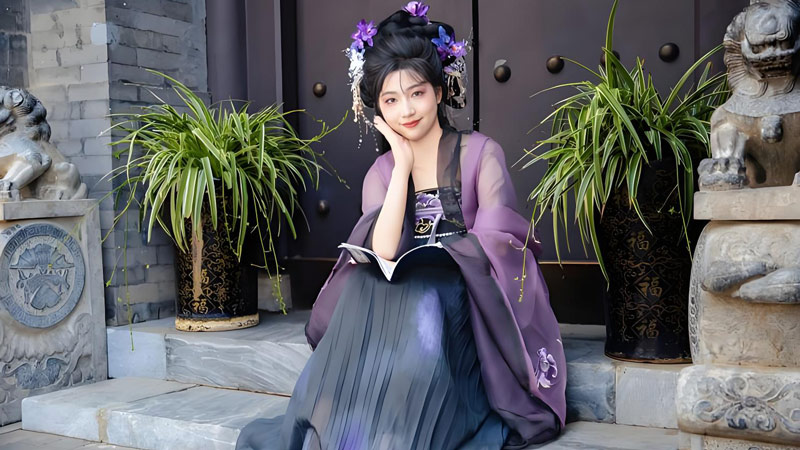
A Silent Language of Pattern and Form
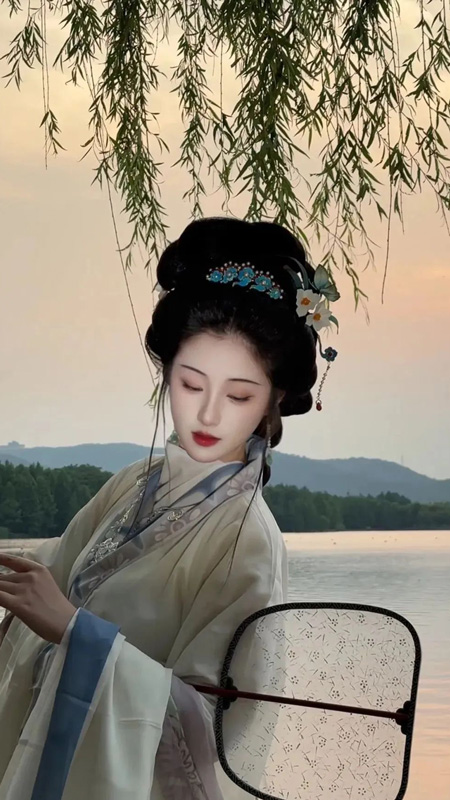
To the untrained eye, Hanfu might just look like beautiful fabric. But every stitch, every fold, speaks a deliberate language. It’s a design philosophy where aesthetics are deeply intertwined with meaning and function.
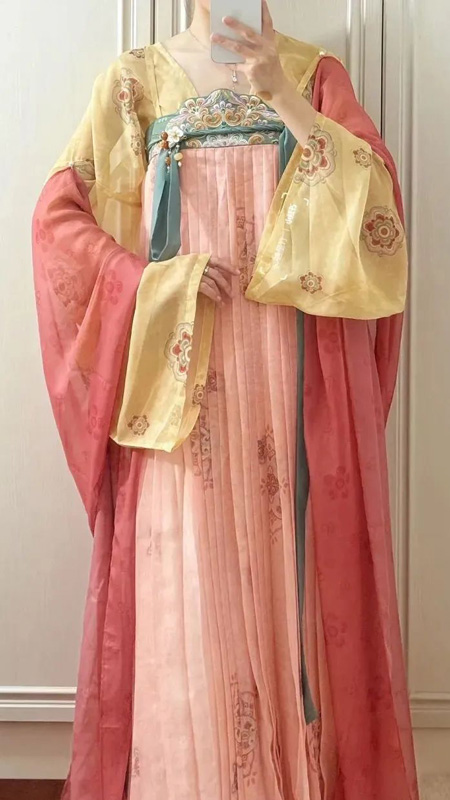
The patterns are a lexicon of positive wishes. A peony embroidered on a collar isn’t just a flower; it’s a silent prayer for prosperity and honor. Swirling cloud patterns trailing down a sleeve aren’t mere decoration; they represent a desire for freedom and a carefree spirit. Even the choice of a solid, unadorned fabric reflects a core tenet of Chinese philosophy: the elegance of simplicity, the idea that true beauty often lies in restraint.
Then there’s the structure—the form. This is where practicality meets ceremony. The lean style, with its shorter jacket and trousers, was designed for mobility and labor. The elegant Quju (曲裾), with its wrapped skirts and crossed collars, was reserved for formal, respectful occasions. The clothing was never arbitrary; it was a guide for living, ensuring one’s attire was always appropriate to the context, reflecting a deep-seated respect for social harmony and order.
And the colors? They are a poet’s palette drawn directly from nature. Moon white is not just white; it’s the pale silver of moonlight. Dai blue (黛蓝) is more than blue; it’s the deep shade of the twilight sky. Ochre echoes the rich, reddish-brown of clay and earth. To wear Hanfu is to literally drape oneself in the colors of the natural world.
More Than a Garment, a Growing Culture
So, what are we really doing when we choose to wear Hanfu today? It goes beyond simply dressing up. It’s an act of cultural rediscovery.
I see it at local festivals here in North America: groups of young people, from all different backgrounds, laughing and sharing stories about their garments. I see parents pointing out the patterns on their children’s Hanfu, explaining the stories they tell. Such activity isn't nostalgia; it's culture breathing, growing, and finding new relevance. It’s a generation consciously choosing to reclaim an aesthetic identity that speaks to them, integrating it into the modern mosaic of global fashion. When Hanfu elements appear on international runways, it’s not mere appropriation; it’s a recognition of its powerful design language.
Weaving Tradition into Daily Life
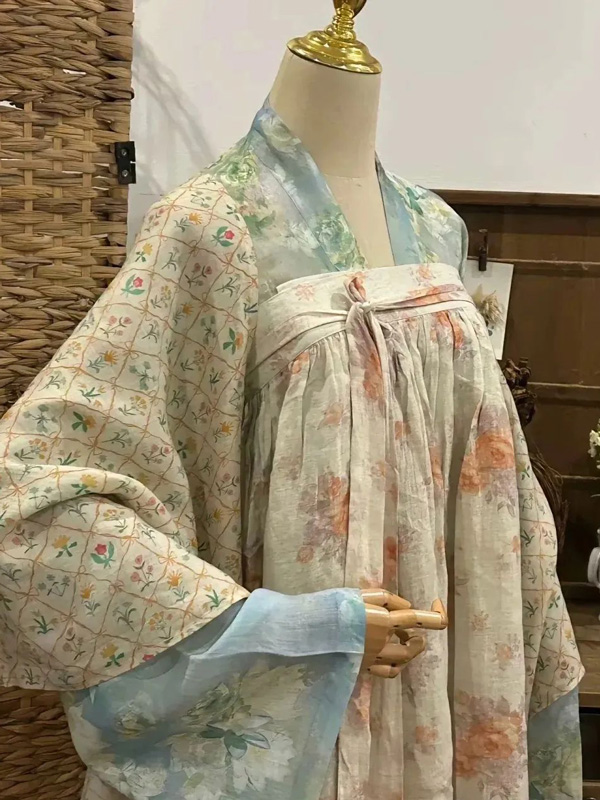
The most exciting evolution is how Hanfu is stepping out of the ceremonial and into the everyday. It’s no longer confined to Chinese New Year or mid-autumn festivals.
Modern Hanfu enthusiasts are seamlessly blending tradition with contemporary life. It’s a student wearing a modernized, simplified Hanfu jacket to a coffee shop. It’s someone choosing a lightweight, linen-based Hanfu set for a peaceful walk through a botanical garden, the wide sleeves catching the breeze. It’s the choice to wear a delicate hairpin alongside a casual jeans-and-tee outfit. This movement is less about retro—“reviving the ancient”—and more about inheritance—“carrying forward.”
The ritual of putting it on—smoothing out the fabric, tying the sashes just so—becomes a moment of mindfulness, a way to connect with the craftsmanship and intention behind the garment. It’s a personal, tangible link to a history of artistry and grace.
The invitation is open. You don’t need a special occasion. Try it on. Feel the fabric move with you. Walk through a park, visit a museum, or simply enjoy a quiet moment of tea. When the wide sleeves flutter in the wind, you’ll understand. This isn’t a history lesson; it’s a living, breathing romance.