
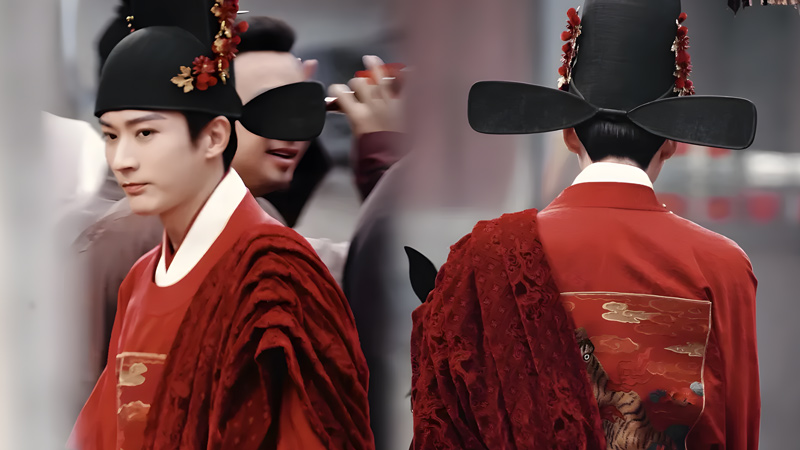
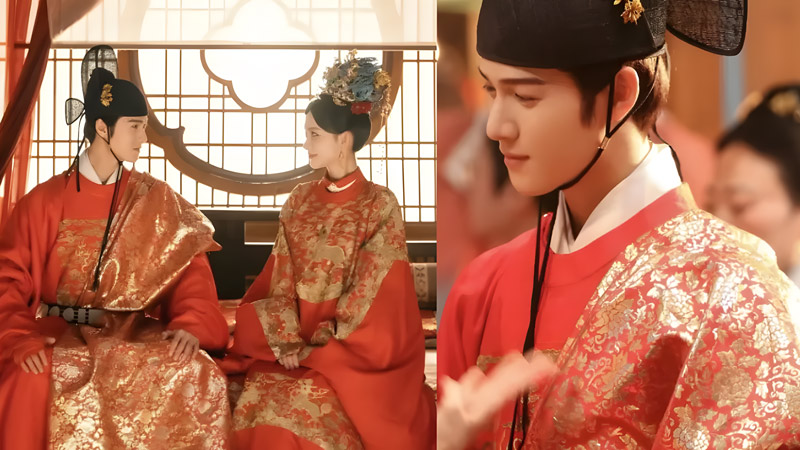
Why is Liu Xueyi (刘学义) wearing a red velvet drape in his wedding scene? This question has sparked curiosity among viewers of the period drama Against the Current (兰香如故), where the actor’s costume features a striking crimson cloth over his left shoulder. Rather than a costume mishap, this detail is deeply rooted in historical tradition—a symbol of celebration known as Pihong (披红), or “draping red.”
Symbol of Achievement
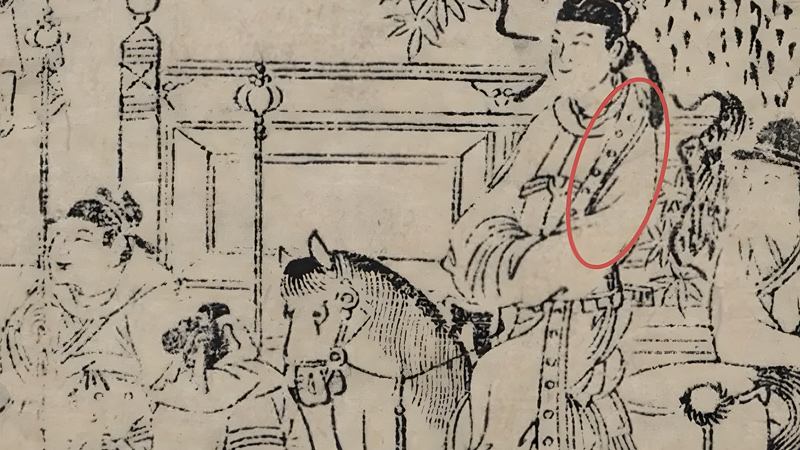
During the Ming and Qing dynasties, Pihong was predominantly worn by scholars who had passed imperial examinations. Achieving the title of Zhuangyuan (状元) or Jinshi (进士) was met with great honor, and the draping of red cloth symbolized joy and intellectual triumph. The phrase “spring breeze” captures this euphoric moment—a scholar riding through the capital, admired by all.
The fabric used for Pihong was typically lightweight silk, brocade, or fine satin, avoiding bulkiness. In Against the Current, the velvet-like material may seem unusual, but it stays true to the concept of ceremonial draping. Originally reserved for academic achievements, the practice gradually extended to other significant life events.
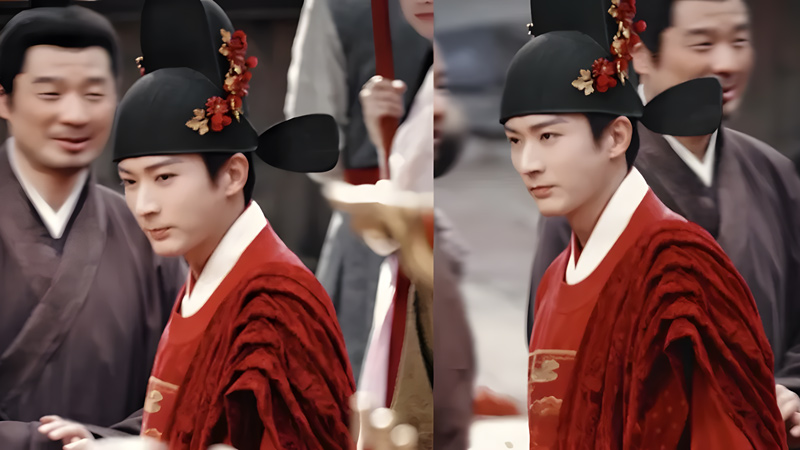
Historical records, such as the Ming novel Joyful Feuds (欢喜冤家·二十三回), describe scholars wearing Pihong with floral headpieces—a duo of honor. This combination highlighted one’s social elevation, often before formal official robes were bestowed. It served as a visual announcement of success and transition.
Wedding Traditions
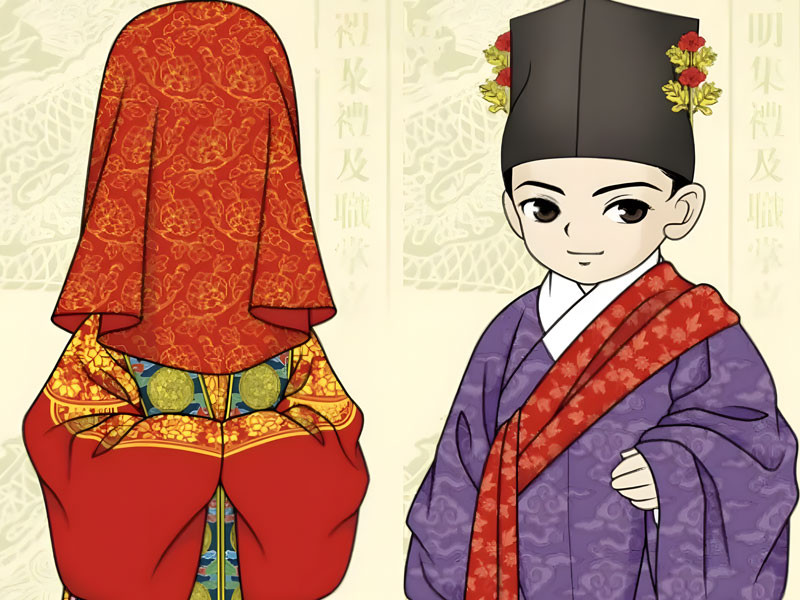
In wedding customs, particularly among commoners during the Ming era, Pihong allowed the groom to incorporate red—the color of luck and happiness—without a full formal outfit. The draping ceremony was rich in ritual: maternal uncles or elder male relatives would place the cloth on the groom’s shoulders before fetching the bride.
The number and arrangement of drapes carried meaning. Typically, three strips were used—two over the left shoulder and one on the right—each representing blessings from the family. After the draping, relatives shared a meal, strengthening familial bonds. This custom paralleled the bridal practice of wearing a red veil, symbolizing transition and new beginnings.
Patterns embroidered on the Pihong reinforced its purpose. For weddings, motifs like pomegranates hinted at fertility; for academic success, treasures and lotus patterns symbolized wealth and continuity. These designs weren’t mere decorations—they amplified the wishes being conferred.
Modern Adaptations
Though no longer common, the spirit of Pihong lives on in modern celebrations. Graduation sashes, award ribbons, and even red corsages at banquets echo this tradition. The color red remains a powerful symbol of joy and honor in Chinese culture, connecting today’s rituals to historical practices.
This evolution shows how traditional elements simplify yet retain core meanings. Whether in a period drama or a real-life ceremony, that splash of red elevates the moment—infusing it with dignity, history, and collective hope. It’s a subtle yet profound thread tying past to present.
So the next time you see a crimson drape in a historical drama or a red ribbon at a celebration, remember—it’s more than fabric. It’s a silent language of blessing, one that has gracefully endured the test of time.
