
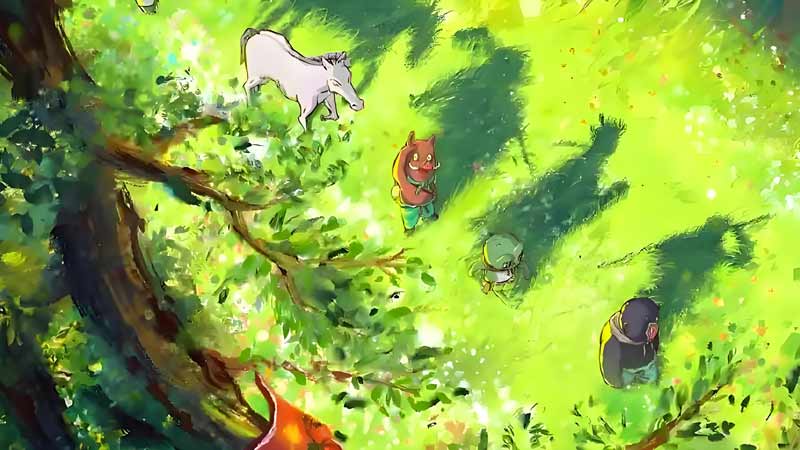
Originally stemming from a standout episode in Yao-Chinese Folktales (中国奇谭), Nobody (浪浪山小妖怪) captivated audiences with its relatable workplace satire before being expanded into a full-length feature by the Shanghai Animation Film Studio. This film retains the studio's signature ink-wash aesthetic, blending ethereal landscapes with meticulous character details, creating a visually stunning experience rare in modern animation. Building on its short-form roots, the story evolves from a simple tale of underdog monsters into a profound exploration of ambition and societal structures, balancing humor with biting social commentary that resonates deeply in today's world.
Comic Characters
At its core, Nobody delivers non-stop laughter through the misadventures of four unlikely heroes. These underlings from Langlang Mountain decide to impersonate the revered pilgrims of Journey to the West (西游记) to reach enlightenment before the real team. This setup generates comedy from stark personality clashes, like the timid Ape Monster struggling to embody the bold Sun Wukong (孙悟空), his social anxiety making even a simple declaration impossible. Weasel Spirit's incessant chatter as Sha Wujing (沙悟净) leads to hilarious scenes, such as Piglet handing him a whetstone to grind whenever he talks too much, turning exhaustion into absurdity.
The film's brilliance lies in how it uses these characters to reflect everyday absurdities. Piglet's earnest attempts to fit in contrast with Ape's paralyzing fear, while Toad's opportunistic nature and Weasel's verbosity create a dynamic ensemble. Their journey begins as a desperate escape from drudgery, yet their bumbling efforts to mimic heroes highlight deeper insecurities. This comedic foundation not only entertains but sets the stage for the story's emotional weight, proving that true humor stems from authentic flaws.
Class Realities
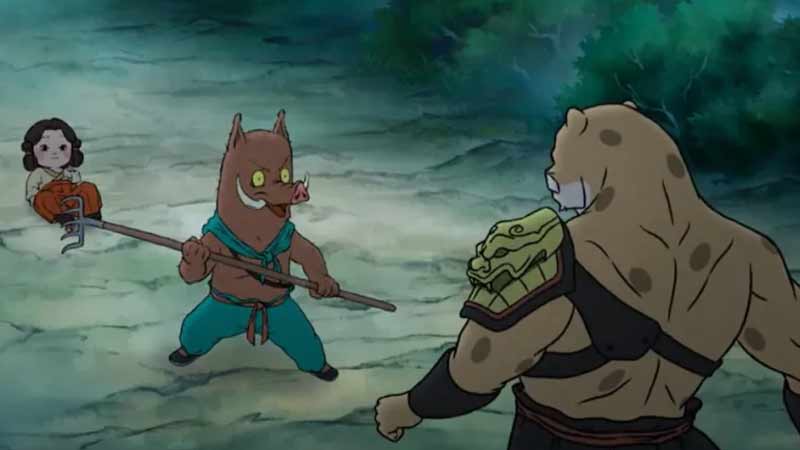
Beyond the laughs, Nobody delves into harsh workplace hierarchies, expanding its short-form critique. Piglet and his friends represent the disposable laborers of King's Cave, where lives hang on the whims of superiors like Bear Commander. In one early scene, Piglet risks death scrubbing a pot clean, only to be condemned for erasing ancestral engravings—symbolizing how minor efforts go unrewarded in rigid systems. This oppression drives their quest to "become buddhas," initially seen as a path to power and immortality, free from abuse.
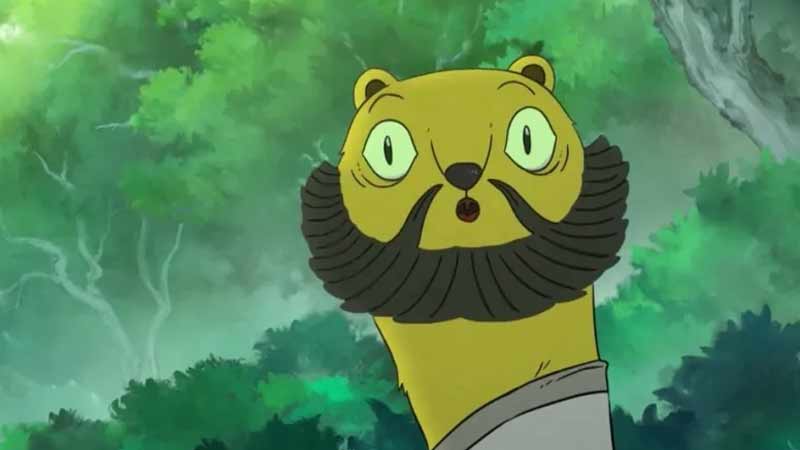
Their impersonation starts shallowly, focusing on superficial traits: Toad dons a human mask, Ape carries a stick as Sun Wukong's staff, and Weasel grows a beard to mimic Sha Wujing. They parrot limited lines, reducing profound roles to hollow performances. This mirrors real-world struggles where marginalized individuals adopt personas for survival, yet lack true understanding of the identities they emulate. As they traverse Langlang Mountain, encounters with villagers begin shifting their perspective, hinting that responsibility might outweigh appearance.
The journey's first layer exposes systemic injustices. Piglet's backstory echoes the short film: punished for innovative arrow designs that challenged authority, he embodies the crushed spirit of low-level workers. Here, the film broadens its scope, showing that even revered figures like Tang Monk and Sun Wukong are part of a "larger workplace"—the pilgrimage itself. This setup critiques how societal ladders trap everyone, from monsters to monks, in cycles of expectation and control. Their initial quest for status reveals a universal truth: climbing one mountain only reveals higher peaks.
Journey's Essence
As the monsters progress, their pilgrimage deepens into a spiritual awakening. Helping a village defeat a rat spirit marks a turning point; for the first time, they experience the joy of aiding others, moving beyond selfish goals. This leads them to Little Thunderclap Monastery, where they confront Yellow Brow Monster, who kidnaps children. Here, they abandon their quest for buddhahood as mere power, embracing self-sacrifice to save innocents. In this act, Piglet, Toad, Weasel, and Ape embody true compassion—Toad discarding his identity tag symbolizing shedding false personas.
This phase reflects the core of Journey to the West: cultivating a buddha-mind through empathy and courage. The film parallels Sun Wukong's growth, showing that enlightenment comes from confronting suffering and choosing kindness. Yet, a tragic twist unfolds when Maitreya Buddha rescues Yellow Brow Monster, revealing the ordeal as a staged test for the real pilgrims.
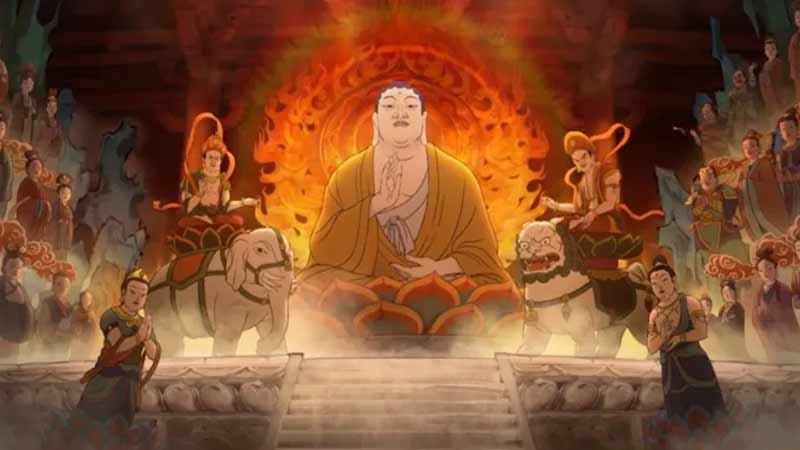
The ending underscores bitter realities. Places like Double Dog Cave highlight this duality: unaffiliated monsters are attacked as mere obstacles, while connected ones like Yellow Brow face no real consequences. Our heroes, having achieved true enlightenment, revert to simple animals, unrecognized by the divine order. Their fake pilgrimage uncovered profound truths—helping the vulnerable defines heroism—but they remain trapped in Langlang Mountain's shadow. This poignant conclusion celebrates their inner growth while lamenting an unyielding system, making the film a powerful ode to resilience in an unequal world.