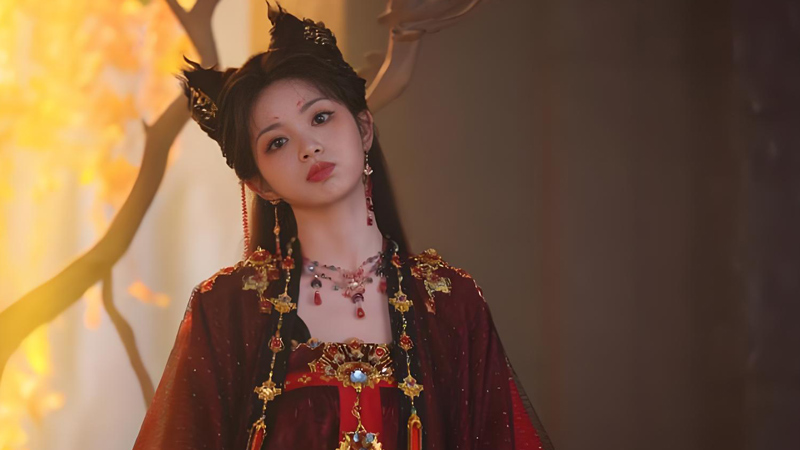
In the fantasy world of Moonlit Reunion (子夜归) , where humans and demons coexist, Wu Zhen’s (武祯) growth isn’t a sudden “power-up” story—it’s a gradual, cat-like transformation: shedding the fragility of a kitten to grow sharp claws and unwavering resolve. From hiding behind a facade of recklessness to facing her identity crisis, from evading responsibility to embracing it, she finally finds balance between her human and banyao (半妖) selves. Once a girl hiding in armor, she becomes a light for herself and others.
Hiding in Dual Lives
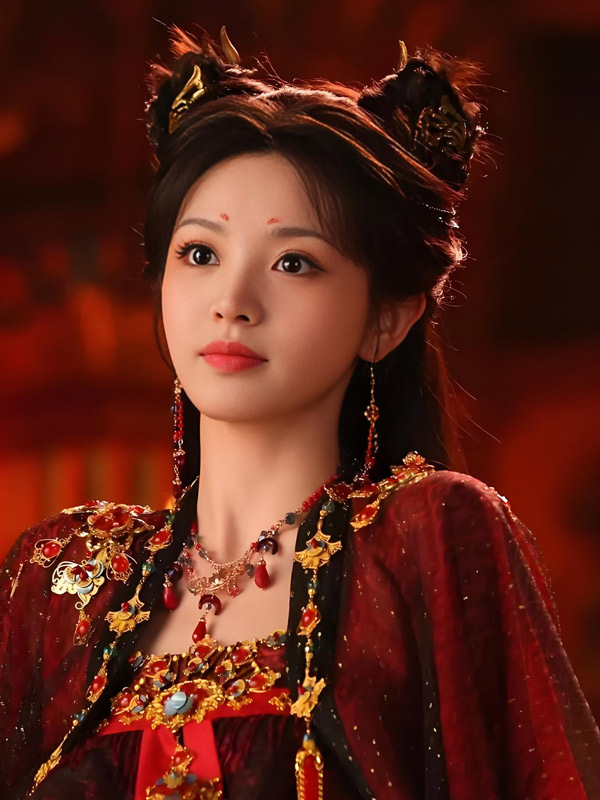
Wu Zhen’s early self was fragmented and vague. As the second young lady of the Yu State Duke’s Mansion, she faced the constraints of being a “proper lady.” As the Mao Gong (猫公), she bore the responsibility of protecting demons. The conflict between these two identities made her use pretense as armor.
By day, she was the famous “reckless county lord” of Chang’an—wearing men’s clothes, visiting music halls, teasing her husband—using irreverence to rebel against the expectation that “women must be dignified.” “Since they think I’m reckless, I’ll play the part so no one forces me to do what I hate,” she thought. This facade protected her from societal pressure but blinded her to her true desires.
By night, she was the unyielding Mao Gong of the Demon Market, using sharp claws and tough tactics to maintain order. Yet she never showed vulnerability to the little demons. “If I’m not tough, the little demons will be bullied, and the Demon Market will fall,” she said. But beneath this toughness was fear—fear of being rejected by humans as a banyao, fear of being doubted by demons as “not demon enough.” She was a cat without a home, afraid to belong to either world.
Breaking Through
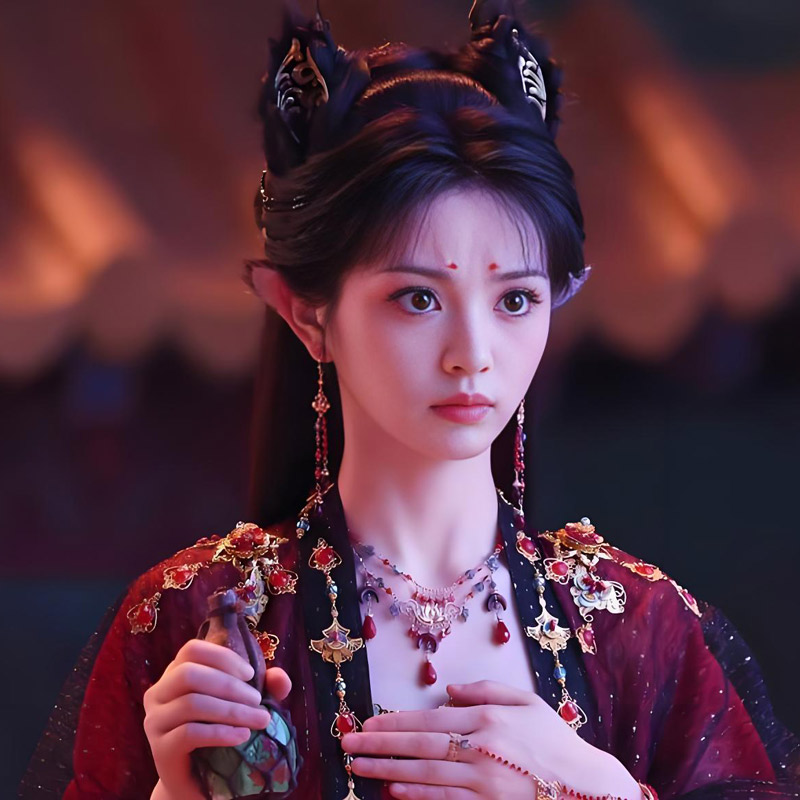
The Chang’an Plague God Crisis shattered Wu Zhen’s facade. When Mei Zhuyu (梅逐雨), a Taoist from Changxi Palace (常羲宫), invaded the Demon Market and exposed her banyao identity, her pretense collapsed. She could no longer hide behind recklessness or toughness—she had to face the “human vs. demon” conflict and redefine herself.
At first, she was broken and confused. Hiding in a corner of the Demon Market, watching destroyed nests and terrified little demons, she reflected: “What am I afraid of? Just because I’m a banyao, do I have to escape?” Mei Zhuyu’s “betrayal” (invading the Demon Market) hurt her but woke her up: escape solved nothing—only responsibility could protect those she loved.
Her first breakthrough was accepting her banyao identity. She stopped hiding her demon powers and told the little demons: “I’m a banyao, but I’ll protect the Demon Market with all my strength.” When Liu Taizhen (柳太真) used power to persecute demons, she didn’t just fight with force, she negotiated with Mei Zhuyu: “There are bad humans and good demons; we can’t kill them all.” She began using her dual identity as a strength, no longer swinging between worlds.
Becoming the Light: Balance and Connection
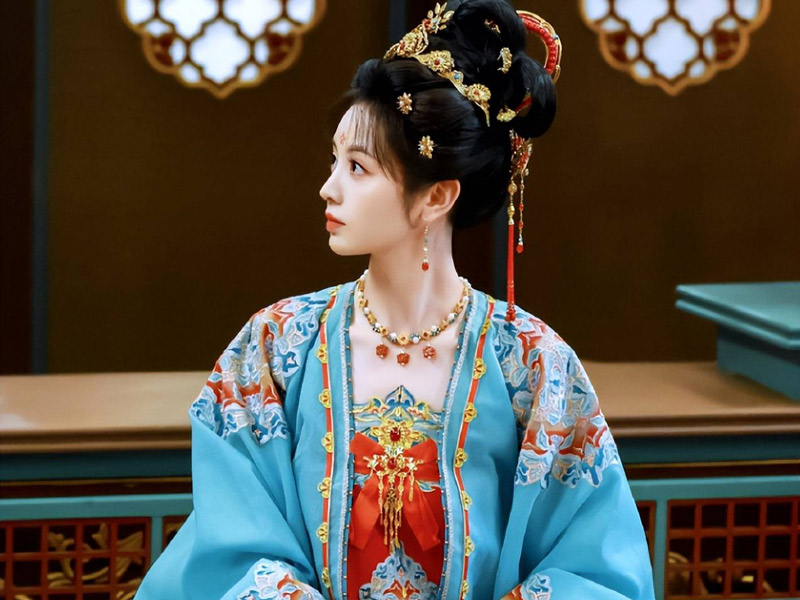
Wu Zhen’s final growth was transcending the “human vs. demon” binary to find her true value. She no longer worried about “being human or demon”. Instead, she used both identities to protect what mattered. As the Duke’s lady, she fought for the little demons’ survival in the human world; as the Mao Gong, she guided demons to follow human rules. When asked, “Are you human or demon?” She smiled: “I’m Wu Zhen. I’m the Cat Lord who protects the Demon Market, and also the lady of the Wu family who wishes for Chang’an to be peaceful.”
Her growth also inspired others. Mei Zhuyu rethought his “demon-slaying” mission, shifting from “killing all” to “distinguishing good from evil.” Even the once obsessive Wordless Book hesitated to harm little demons because of her resolve. Her growth wasn’t just personal—it became a light that led others to change.
Wu Zhen’s story resonates because it mirrors ordinary people’s struggles. We all face conflicts: between family expectations and personal dreams, work responsibilities and personal likes, wanting to rely on others and needing to be independent. She teaches us that growth isn’t about eliminating vulnerability; it’s about moving forward alongside it. Growth isn’t about avoiding conflicts; it’s about facing them to find balance. And growth isn’t about being “perfect” for others; it’s about finding your unique value.
Now, Wu Zhen isn’t the girl hiding behind recklessness anymore. She’s a symbol of courage: accepting oneself, embracing responsibility, and loving the world gently. Her journey reminds us: the bravest growth is not becoming “invincible”—it’s becoming a light that warms both yourself and those around you.