Adapted from Qianshan Chake's novel, Legend of The Female General (锦月如歌) received a Yunhe rating of S+, marking the first big splash for the "female general" subgenre of costume romance.
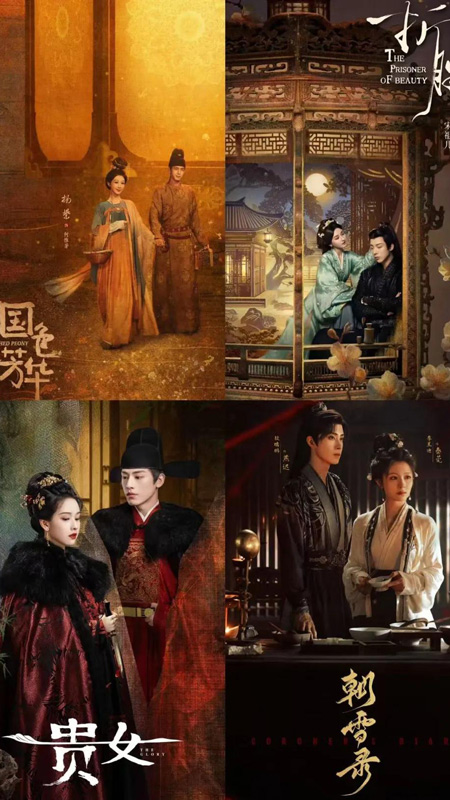
So far this year, grounded costume dramas (落地古偶, meaning historical dramas rooted in reality rather than heavy fantasy) have kept their momentum. Shows like Flourished Peony (国色芳华), The Glory (雁回时), The Prisoner of Beauty (折腰), and Coroner's Diary (朝雪录) all drew strong reactions.
With traditional fantasy xianxia dramas losing steam, these grounded works are holding steady. Why that is deserves a closer look.
If we break it down by subgenres, the picture gets clearer: whether it's palace intrigue, mystery-solving, wuxia-inspired stories, or political power plays, these staples are always reliable. And in recent years, the rise of female-led stories—businesswomen, military commanders—has only added to the mix. For audiences, watching a heroine build her career can be just as satisfying as watching her fall in love.

Popular Genres Shift to Female Generals
Within grounded costume dramas, palace intrigue, mystery, wuxia, and political scheming remain the most enduring topics.
Producer Lin Li explained: "In a platform-driven production system, these themes are safe bets because past data has already proven their appeal."
Looking at dramas that topped a Yunhe average of 3,000 heat index in recent years:
2025: Flourished Peony , The Prisoner of Beauty, The Glory, Coroner's Diary
2024: The Double (墨雨云间), Blossom (九重紫), Blossoms in Adversity (惜花芷), In Blossom (花间令)
2023: Destined (长风渡), Story of Kunning Palace (宁安如梦), A Journey to Love (一念关山), The Ingenious One (云襄传), Unchained Love (浮图缘)
2022: New Life Begins (卿卿日常), Love Like the Galaxy (星汉灿烂), A Dream of Splendor (梦华录)
All of these hits fall into one of the four core categories—palace intrigue, mystery, wuxia, or political struggle—proving just how strong their audience base is. With so many successful cases already on the table, it's natural that more producers keep betting on them.
As Lin Li noted, "From buying IP rights to greenlighting a project, following trends has always been the norm. If an S+ level drama kicks off production, or if a small-budget dark horse breaks through, you can be sure other teams will jump in to make something similar."
But the "genre dividend" isn't endless. Viewers' patience won't last forever.
Take palace intrigue and mystery dramas for example: in the past two years they've been released in clusters, and responses have varied widely.
Palace intrigue stories such as The Double, Blossoms in Adversity,Blossom, and The Glory managed to turn the tide with strong word-of-mouth. But others like Si Jin (似锦), The Rise of Ning (锦绣安宁), and Glorious Youth (韶华若锦) fell flat.
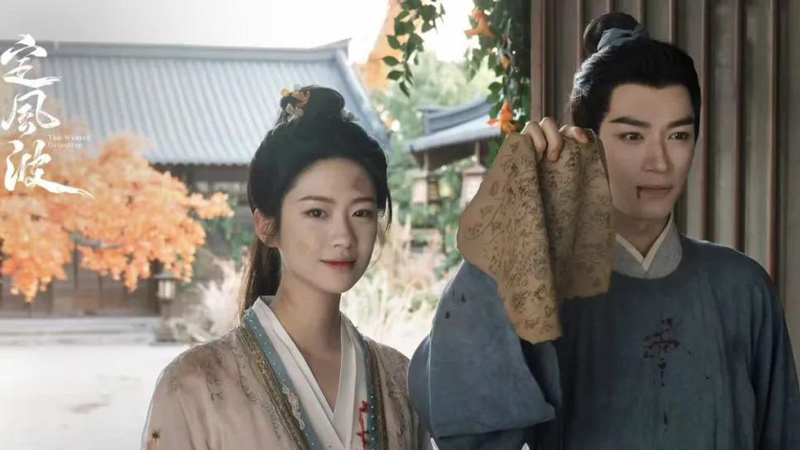
The same goes for mystery-driven dramas: Coroner's Diary and The Wanted Detective (定风波) premiered almost back-to-back on the same platform, yet their reception was miles apart.
"Each subgenre has its own stable audience base. Grounded costume dramas do have room to grow, but how far they can go depends on the execution of each project."
In recent years, dramas featuring female entrepreneurs and female generals have surged, and they've become crucial pillars of the genre.
From The Story of Pearl Girl (珠帘玉幕), Brocade Odyssey (蜀锦人家), to Flourished Peony, viewers are already quite used to seeing stories about business-savvy heroines. And there's more coming down the line: The Mo (家业) starring Yang Zi and Han Dongjun, as well as the rumored Xian Xue (咸雪) with Liu Yifei.
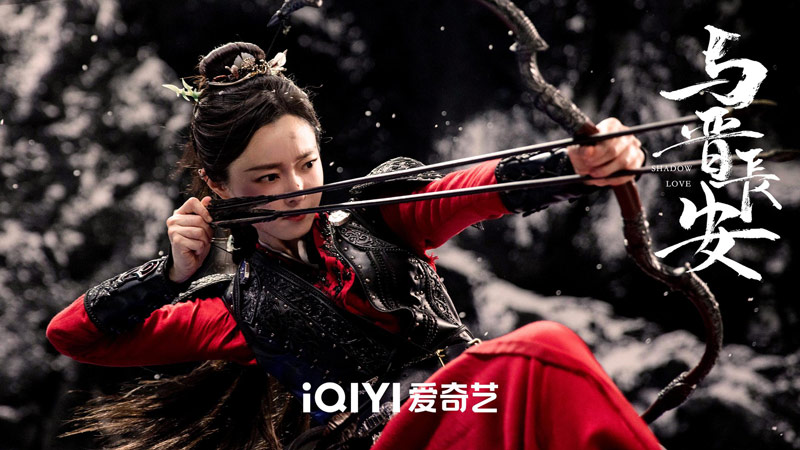
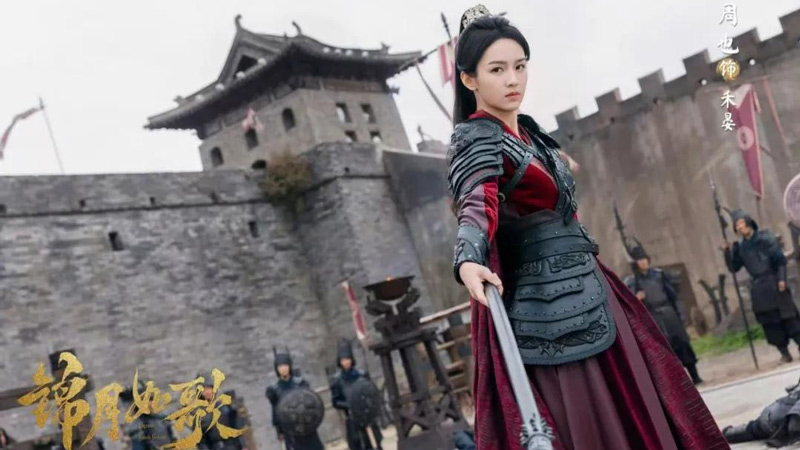
The "female general" trend officially fired its first shot this summer. Zhou Ye and Cheng Lei's Legend of The Female General is airing now, while Song Yi and Cheng Lei's Shadow Love (与晋长安) is about to launch. Upcoming projects also include Unrelated to Wind and Moon (风月不相关) with Deng Wei and Li Wanda, and Chasing Jade (逐玉) with Zhang Linghe and Tian Xiwei.
As producer Lin Li pointed out: "Just look at the casting—it's clear that popular young stars prefer these types of roles. When traffic-heavy actors are willing to join, it gives the project a major boost, from censorship approval to securing sponsors to marketing campaigns. For grounded costume dramas, this is definitely a big plus."

Beyond Love Stories: Heroines with Careers
Whether it's palace intrigue, mystery, wuxia, political scheming, or the newer trends of female entrepreneurs and generals, the real reason these stories resonate may be this: the heroines aren't just falling in love—they're also chasing careers.
As audiences place more value on female characters achieving personal growth, there's an increasing demand for heroines to have storylines that don't revolve entirely around the male lead. The subgenres of grounded costume drama happen to fit this need.
And you can see it clearly: in many of these shows, the male and female leads aren't simply lovers. They're partners in their careers, and in some cases, the romance thread is deliberately downplayed.
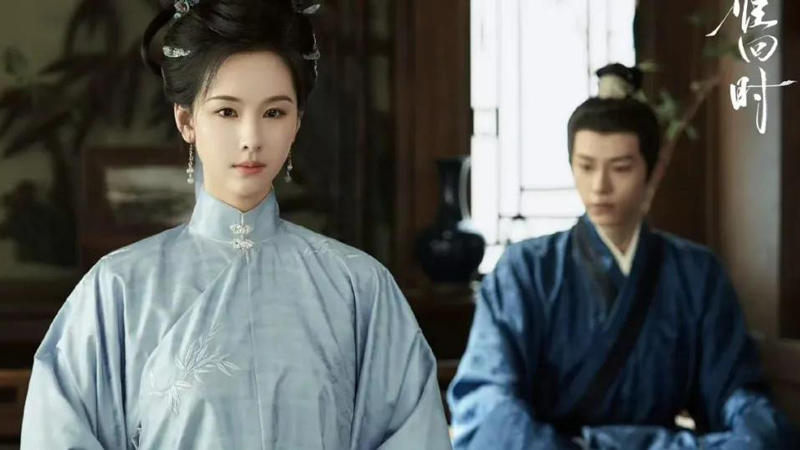
Take The Glory for example. Told from a female-centered perspective, it focuses on the heroine's growth and struggles within a feudal clan system. Her marriage to the male lead begins as a strategic alliance. Love develops later, but the main plot never strays from themes of revenge and salvation—it doesn't waste time forcing sugary, formulaic romance.
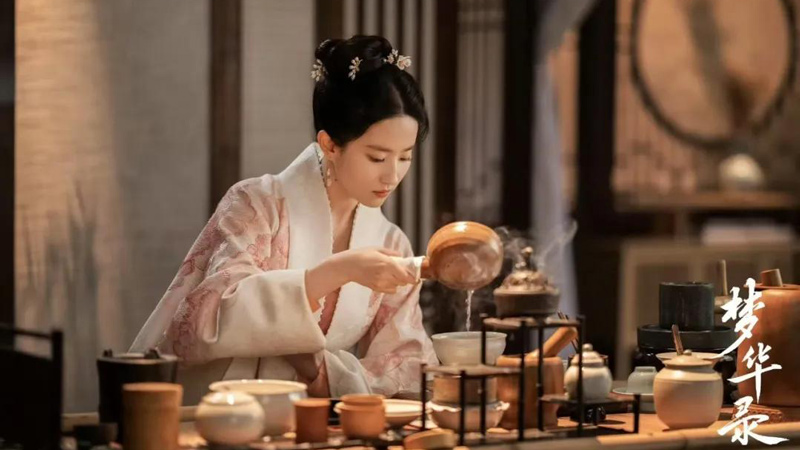
Dramas like Flourished Peony, The Prisoner of Beauty, and Coroner's Diary have carved distinct niches, focusing intently on business, court politics, and criminal investigation, respectively. In all three, the female protagonists are introduced as intrinsically career-driven from the outset, establishing their professional goals as their primary motivation.
Interestingly, this dynamic often leads to a role reversal where the male leads exhibit more of the traditionally feminine "love brain" archetype, passionately devoted to supporting the heroine. Consequently, the central relationship is consistently framed as a professional partnership first, with the romance developing organically as a secondary, yet deeply meaningful, connection.
As audiences increasingly demand more from historical romances than just lavish costumes and grand love declarations, the creative pressure on production teams has intensified exponentially.
Screenwriter and planner Su Su candidly admits that this is a formidable challenge. "Many writers in this genre are already shaky when it comes to writing romance. Expecting them to also deliver a strong, logically sound career arc is a big leap. The same goes for directors and actors who must convincingly portray expertise in specialized fields."
This difficulty often results in a significant disconnect between marketing and execution. If a drama is promoted on the slogan of a career-driven heroine, the actual narrative must not treat her professional journey as a trivial afterthought. Yet, as Su Su notes, many series end up "wanting to but not quite managing it," their ambitions outstripping their execution.
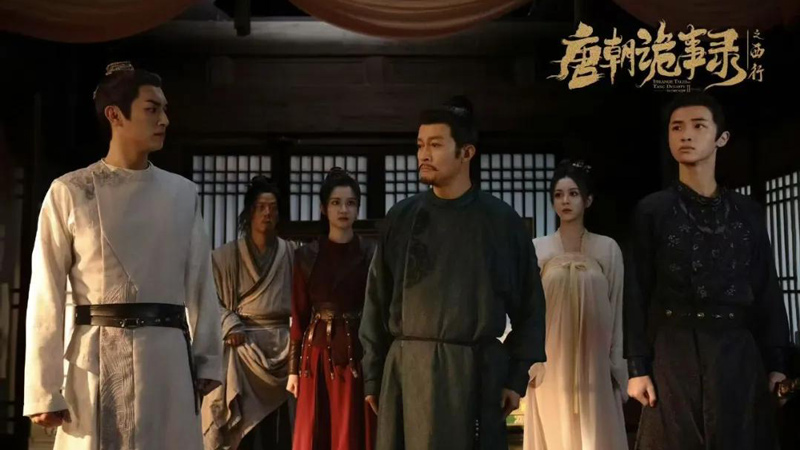
This shortcoming is particularly glaring in investigation-centric dramas, which demand rigorous internal logic and tightly constructed plots. Su Su points out that even specialized suspense writers can struggle with this, making it an even taller order for romance writers. Series like Coroner's Diary, The Wanted Detective, Kill My Sin (掌心), and Melody of Golden Age (长乐曲) all exhibit notable flaws in their case logic; their mysteries and political machinations simply fail to measure up to the narrative precision of dedicated ensemble investigation series like the Strange Tales of Tang Dynasty (唐朝诡事录) or the earlier, critically acclaimed low-budget success The Imperial Coroner (御赐小仵作).
"There are shows that hype up the heroine's career line in their marketing," Su Su observes, "but in the actual drama, her so-called career feels like kids playing house—recycling outdated tricks again and again." This oversaturation of mediocre content is rapidly draining the freshness from the trend, making it increasingly difficult for future projects to avoid repetitive and unconvincing tropes.
This push toward grounded storytelling is also a strategic response to broader market shifts.

Costume Dramas Breaking Away from Empty Fantasy
In recent years, the overall market share of costume dramas has dropped sharply. While traditional xianxia, with its repetitive tales of deities in the three realms saving the world over multiple lifetimes, is clearly in decline, these more earth-bound dramas continue to produce steady hits. Their appeal lies in feeling less hollow and inflated.
By focusing on a heroine's career—a concept that echoes modern ideals of independence and ambition—these narratives seamlessly fold in topics that connect to contemporary real-life concerns.
Even palace intrigue dramas, for instance, often function as critiques of rigid feudal systems, exploring universal themes of human relationships, ethical dilemmas, and loyalty that resonate powerfully with today's audiences, proving that substance will always triumph over empty spectacle.
Of late, a discernible shift has been occurring within the realm of Chinese costume dramas, moving decisively beyond the well-trodden paths of traditional xianxia. As critic Su Su astutely observed, the genre is evolving, recognizing that "Costume romances shouldn't get stuck on empty love stories."
The most successful recent productions have heeded this call, ensuring their plots are vessels for contemporary relevance, meticulously exploring individual struggles with themes of sexuality, identity, and selfhood at the forefront. This conscious effort to build genuine resonance with a modern audience is what separates the innovative from the obsolete.
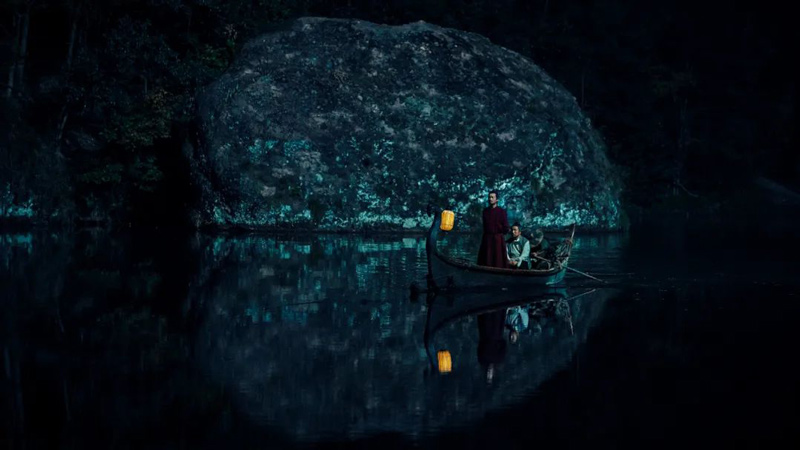
This innovation is particularly vibrant outside the xianxia framework. Fantasy-based narratives with unique premises are thriving by keeping their feet planted in relatable human experiences. Series like the monster-hunting anthology A Journey to The Demon Hunter's Romance and the meta "transmigration into a novel" stories A Dream within A Dream and Love Game in Eastern Fantasy all utilize their supernatural settings as a backdrop for human-centric tales.
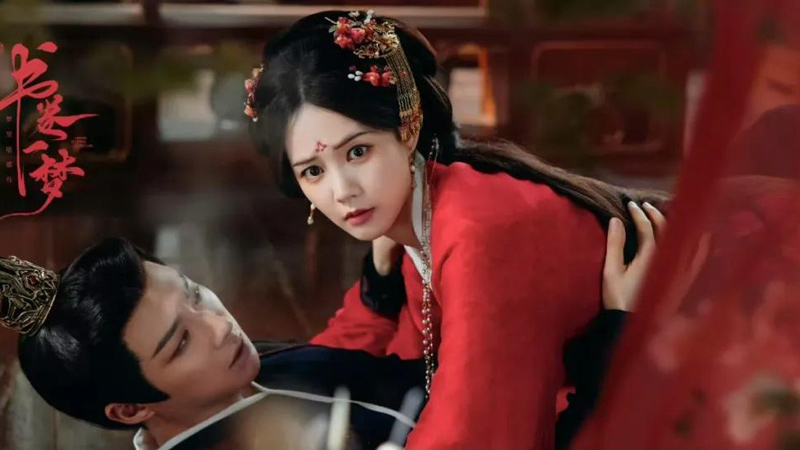
A Journey to The Demon Hunter's Romance (无忧渡) and Love Game in Eastern Fantasy (永夜星河) captivated viewers through rich, episodic storytelling driven by compelling ensemble casts, creating a tapestry of interconnected lives. Meanwhile, A Dream within A Dream (书卷一梦) earned praise for its self-aware wit, cleverly deconstructing and poking fun at the very genre clichés audiences had grown weary of, effectively giving voice to their own critiques.
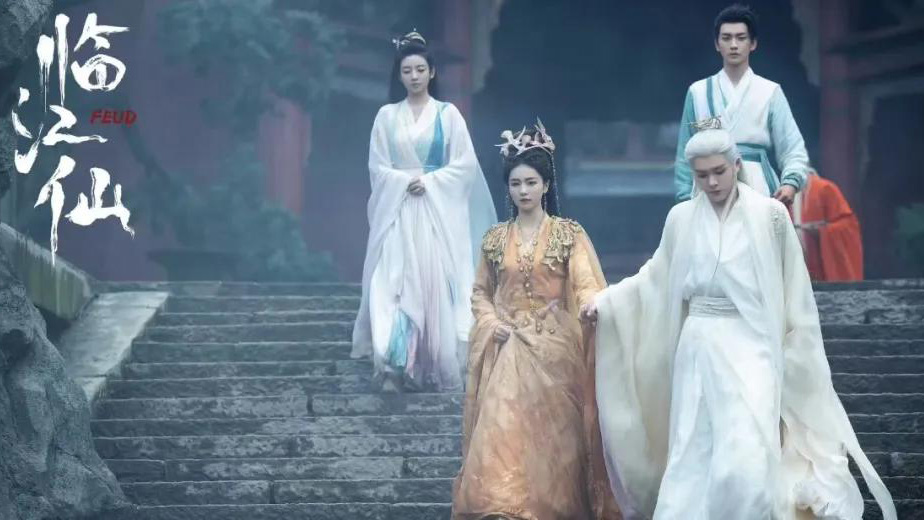
However, this wave of innovation is not exclusive to new sub-genres. Even within traditional xianxia, creators are pushing boundaries. This year's The Feud (临江仙) successfully broke the mold of straightforward linear narratives by infusing its plot with suspenseful mystery elements. It tapped into modern social concepts, dubbed "divorce xianxia," and employed a fast-paced, short-drama style structure to maintain audience engagement.
Similarly, last year's The Legend of Sheng Li (与凤行) was lauded for presenting a refreshingly powerful female protagonist who embodied the story's martial core, juxtaposed with a more reserved and gentle male lead. This "strong woman, gentle man" dynamic offered a compelling reversal of outdated tropes. Crucially, both series excelled by grounding their celestial conflicts in the minutiae of everyday life, fleshing out characters with genuine emotions and personal moral compasses that moved beyond the simplistic, and often hollow, trope of self-sacrifice for a nebulous greater good.
This trend signals a healthy transformation for the industry. As producer Lin Li notes, while the long-form drama market faces challenges, costume dramas are actively seeking—and finding—breakthroughs.
The concerted move away from hollow storytelling, whether through grounded humanism or inventive fantasy, is a direct response to audience demand for substance. The issue was never the genre of costume romance itself, but rather the mass-produced, sloppy content that once saturated it. The new era of costume dramas is proving that by focusing on character-driven narratives with modern sensibilities, the genre remains not only viable but more exciting than ever.