Article
Search results:
-
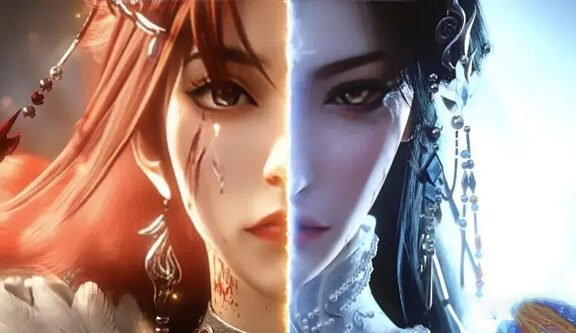
Eclipse of Illusion Finale: Forging a Women Warriors’ Mythos
The final, extended episode of Eclipse of Illusion (云深不知梦) didn't just conclude a season; it ignited a conversation. For thirty-one minutes, viewers were locked into a climactic battle that served as a powerful declaration. Here was a fantasy saga where women weren't just participating—they were commanding the narrative, driving the conflict, and defining the stakes. The journey of Yun Wangshu (云望舒), from a heartless victim to a sword-wielding force of retribution, reached a pivotal milestone, but the true victory lay in how the series framed its entire world. A Symphony of Blades and Belief The confrontation wasn't a simple brawl between good and evil. It was a clash of philosophies, embodied by three distinct and formidable women. Yun Wangshu's fighting style was a dance of agility and precision, every movement fueled by years of calculated rage. Her opponent, Yan Qingfei (燕倾霏), countered with deception and ruthlessness, a mirror to the dark path revenge can forge. Standing apart was Chi Yang Huaming (炽阳华明), whose power blazed with a righteous, solar heat. Their battle transcended physical force; it was a convergence of past trauma, present duty, and diverging futures. This focus is the series' cornerstone. From its first shocking scene, Eclipse of… -
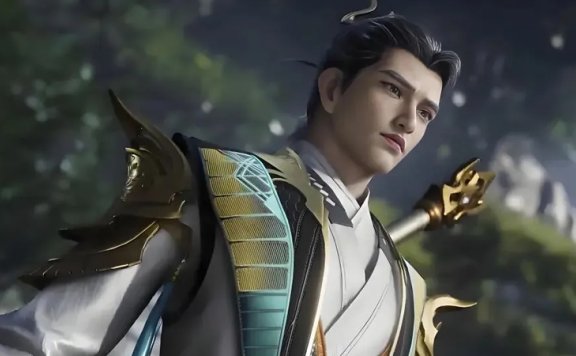
Did Yang Jian Just Redefine Loyalty in Big Brother?
The episode of the popular animated series Big Brother (师兄啊师兄) delivers a masterful blend of celestial politics, romantic tension, and laugh-out-loud moments. It skillfully moves between the grand, authoritative halls of heaven and the perilous, mysterious landscapes where our main duo embarks on a fateful journey. This installment isn't just about advancing the plot; it's a deep dive into the characters' defining traits—Yang Jian's (杨戬) unyielding independence, Li Changshou's (李长寿) meticulous caution. The episode proves that the series excels not only in breathtaking visuals but also in capturing the nuanced hearts of its characters, leaving audiences equally thrilled and emotionally invested. Defiance and Devotion The episode opens with a powerful statement of character. The celestial envoy Taibai Jinxing (太白金星) arrives with an edict from heaven, bestowing upon Yang Jian the prestigious title of True Lord. The scene is set for a traditional display of subservience. Yet, Yang Jian subverts all expectations. His declaration to "listen to commands but not to transfers" is a stunning act of principled defiance. He accepts the honor but outright rejects the control that comes with it. This moment perfectly encapsulates his inherent rebellious spirit and sharp intellect. This rebellious act is immediately followed by one… -
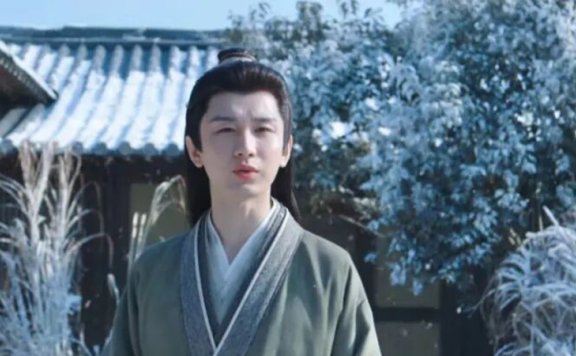
Did Xie Huai'an Ever Stand a Chance in The Vendetta of An?
In the shadowy political landscape of the Tang Dynasty's capital, the web series The Vendetta of An (长安二十四计) presents a masterclass in layered deception. At its heart is the story of Xie Huai'an (谢淮安), a man driven by a singular quest for vengeance, who discovers that every move he makes might be part of someone else's grand design. The pivotal moment, where he eliminates his uncle Liu Ziyan (刘子言), is not a triumphant conclusion but the loudest alarm bell, signaling he has walked blindly into a cage of his enemy's making. This narrative dissects that intricate game, revealing how the hunter became the hunted from the very start. The Bait in Plain Sight Initially, Xie Huai'an's decision to hide the deposed emperor in the old Liu family residence seemed purely logistical, a simple use of a known secret chamber. His later appearance there, casually sweeping the courtyard as Liu Ziyan returned, was the first unsettling clue. His feigned ignorance and innocent questions were a performance. For a man like Liu Ziyan, renowned as the top assassin of the Hu Ben (虎贲) guard but devoid of strategic subtlety, the most straightforward psychological ploy was the most effective. Xie Huai'an wasn't just… -
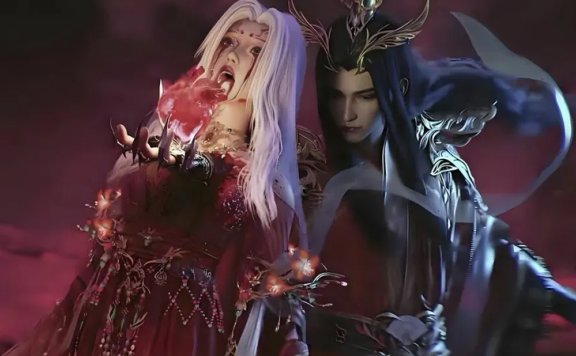
Can a Slain Bride Forgive Her Descendant Killer?
A new Chinese animated series is captivating audiences with a plot so audacious it defies conventional storytelling. Eclipse of Illusion (云深不知梦) presents a tale where a radiant genius is betrayed on her wedding night by the groom, only to discover, decades later, that her assassin is her own direct descendant. This is not a simple story of revenge; it is a convoluted saga of identity, predestined tragedy, and the heavy chains of familial legacy that transcend time itself. The series weaves a dark fantasy across the Muling Continent (沐灵大陆), challenging its characters and viewers with profound moral quandaries. A Wedding Night Turned Bloody Yun Wangshu (云望舒), once the most brilliant talent of the Huihua Clan, faced utter betrayal as she donned her wedding attire. The man she loved, Fengyi Wenxue (封仪问雪), did not come to cherish her but to kill her. In a brutal act, he reached into her chest and crushed her heart, believing it would end her life and fulfill a dark pact. The red of her wedding dress deepened with her blood, marking not a beginning but a shocking, violent end to her life as she knew it. Yet, Yun Wangshu did not die. Her identity was… -
Can Yun Wangshu Truly End Her Revenge in Eclipse of Illusion?
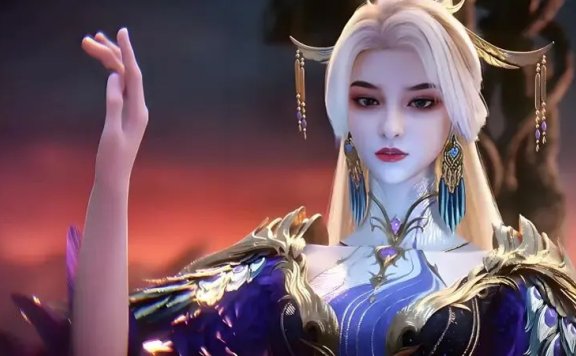
As the penultimate episode of the animated series Eclipse of Illusion (云深不知梦) airs, the long-running story approaches its climax. The core revenge quest of the protagonist, Yun Wangshu (云望舒), stands nearly complete. Only one final act remains: the permanent defeat of her archenemy, Yan Qingfei (燕倾霏). Yet, this latest episode has sparked fervent discussion, particularly regarding the portrayal of the villain. Many fans find Yan Qingfei's actions in the final confrontation "hard to judge," a sentiment echoing through fan communities. The Final Confrontation The episode unveils Yan Qingfei's true identity as a descendant of the Demon尊 Luohou (罗睺) and a pure-blooded member of the Qiongming Devil Tribe (穹冥魔族). After being slain once by Yun Wangshu, she resurrects in her original, powerful demon form. However, for a schemer who plotted for sixty years, her strategy in the ultimate battle appears surprisingly lacking. Despite knowing Yun Wangshu grows stronger in the face of powerful foes and has defeated every enemy on her path, including Ling Feng (凛奉), Yan Ling (燕绫) and Yun Luoxuan (云珞璇), Yan Qingfei seems to underestimate her. This includes overlooking the fact that Yun Wangshu is the reincarnation of the Zhu Zhao Goddess (烛照神女). Relying arrogantly on the supreme… -
Can The Unclouded Soul Become the Next Fantasy Hit on CCTV-8?
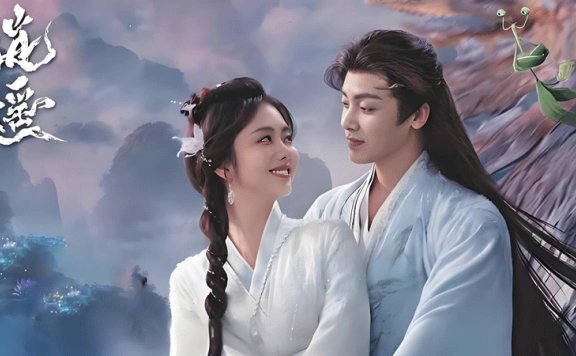
As the year winds down, television networks are rolling out their most anticipated projects. Following announcements for dramas like Shine on Me (骄阳似我), another title is generating significant buzz: The Unclouded Soul (逍遥). Slated for a December 27th premiere on CCTV-8, this fantasy series marks a fresh collaboration between actress Tan Songyun (谭松韵) and actor Hou Minghao (侯明昊). While rumors about its broadcast had circulated for months, confirmation finally arrived after the leads promoted it on the variety show Hello, Saturday. The story follows Xiao Yao (肖瑶), an ordinary woman whose journey leads to a transcendent transformation. Early promos suggest the narrative begins grounded in relatable, mortal life before ascending to grander mythical scales, with costume design praised for its tangible, historical authenticity rather than typical ethereal fantasy flair. Fresh Faces The casting choices have sparked considerable interest. Tan Songyun, portraying the protagonist Xiao Yao, brings her signature vibrant charm to the role. Her spirited appearance and gentle demeanor in behind-the-scenes photos, often featuring soft white robes and distinctive half-up hairstyles, have already captivated fans. She carries the central narrative of growth and awakening. Her counterpart, Hou Minghao, plays a powerful demon sovereign. While his star power may currently be… -
Why the 500-Year-Old Mamianqun Is Today's Ultimate Fashion Statement
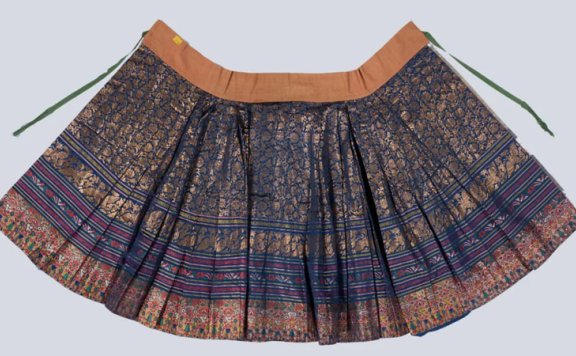
Walk down any modern city street in China, from Shanghai's Bund to The Forbidden City, and you'll likely spot a surprising silhouette: the Mamianqun (马面裙). With its distinctive flat front panels and flowing pleated sides, this Ming Dynasty-era skirt has leaped from museum displays and history books into the heart of contemporary wardrobes. It represents more than a cyclical fashion trend; it is a vibrant, living symbol where deep cultural heritage intersects with personal style. This skirt's journey reveals how a garment can transcend its original era to become a powerful medium for identity and aesthetic expression in the 21st century. A Design Born from Function The name Mamianqun originates from a unique architectural feature. Mamian refers to the rectangular, projecting bastions on ancient Chinese city walls, which the skirt's broad, unadorned front panel visually resembles. This core design principle—structured panels meeting dynamic pleats—emerged during the Ming Dynasty. The skirt is ingeniously constructed from two identical panels of fabric joined at a single waistband. When worn, these panels overlap at the front and back, creating four "gates" or openings: two prominent, flat rectangular sections at the front and back, flanked by pleated sides. This architecture served a profoundly practical purpose.… -
Why Does Xu Lu's Cloak in The Vendetta of An Look So Odd?
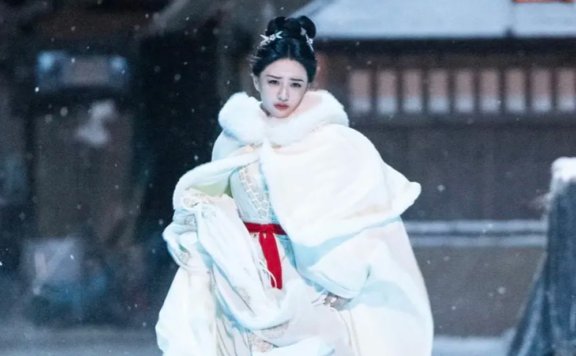
A curious detail in the new historical drama The Vendetta of An (长安二十四计) has captured the audience's attention. In it, actress Xu Lu (徐璐), who portrays the character Bai Wan (白莞), wears a cloak with an unusual feature: a separate panel of fabric draped over its back. This double-layered design strikes many modern viewers as anachronistic or simply strange, prompting questions about its historical accuracy. Could a cloak really be constructed this way in ancient times, or is this a fanciful creation of the costume department? The answer lies not in creative license, but in a forgotten practicality shaped by climate and necessity. A Functional Design The additional back panel is not mere decoration. It functions as a rain guard or wind flap. Its primary purpose was to create a protected air space between itself and the wearer's back. When rain or sleet fell, it would hit this outer layer first. Following gravity, the moisture would then slide down the panel's surface and away from the body, keeping the inner cloak—and the crucial lower back and waist area—dry and insulated. This logic is enhanced when the cloak material itself is water-resistant. Historical garments often used oils, waxed fabrics, or inherently… -
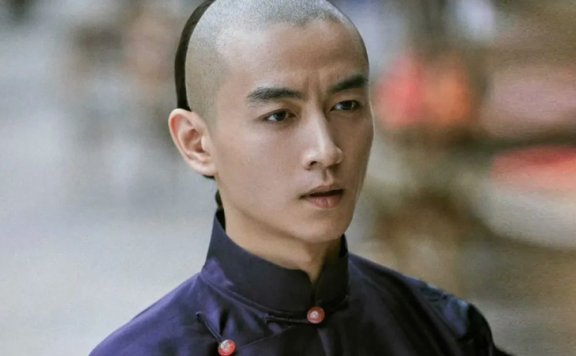
Why Are We So Wrong About Qing Dynasty Hair?
Open any television show or film set during the Qing dynasty, and you’ll see a familiar sight: men with shaved foreheads and long, thick braids of hair down their backs. This style, often called a "queue," has become the universal visual shorthand for the era. From the scheming courtiers in Empresses in the Palace (甄嬛传) to the romanticized princes of Scarlet Heart (步步惊心), the hairstyle is a constant. But this ubiquitous image is a historical fiction, a modern compromise for audience appeal that whitewashes a brutal and symbolic reality. The iconic "half-shaved" look is actually a late-Qing invention, a far cry from the humiliating and severe hairstyles mandated when the dynasty first seized power. The "Money Rat Tail" The true hairstyle of the early Qing was starkly different. Following the Manchu invasion and the establishment of the Qing court, the infamous "Queue Order" was decreed: "Keep your hair and lose your head, or keep your head and lose your hair." The mandated style was the Jinqian Shuwei (金钱鼠尾, "Money Rat Tail"). This involved shaving almost the entire head, leaving only a small patch of hair on the crown, roughly the size of a copper coin. This tiny patch was then… -
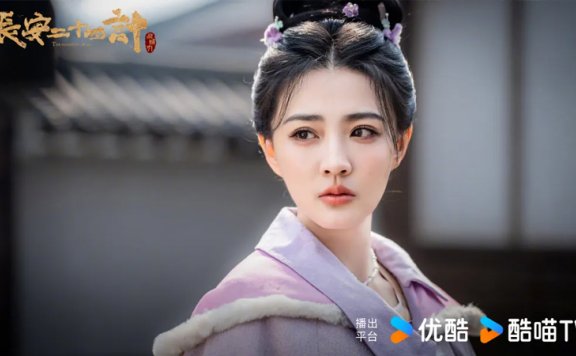
Unpacking the Intricate World of The Vendetta of An
How does a new historical drama completely rewire what we expect from television? As the year winds down, a series has emerged not just as entertainment, but as a masterclass in narrative construction. The Vendetta of An (长安二十四计) begins not with a slow burn, but with a calculated explosion. Its opening episode is a tightly wound mechanism of deception and revelation, centered on a man named Xie Huai'an (谢淮安). Once a minor official living in obscurity, he is summoned to the capital by a new emperor. What appears to be a simple tale of a man seeking justice for his family's massacre quickly unravels into a complex web where every confession is a trap and every ally a potential enemy. This is not just a story about revenge; it's a demonstration of tactical storytelling, where the viewer's assumptions are the first target. The Opening Gambit The brilliance of the premiere lies in its layered execution. Xie Huai'an’s mournful soliloquy about his past is our initial touchpoint for his character. Yet this moment of vulnerability is instantly reframed. The friend who heard his confession returns in the night as an assassin, a hidden agent of the Huben (虎贲), the very organization… -
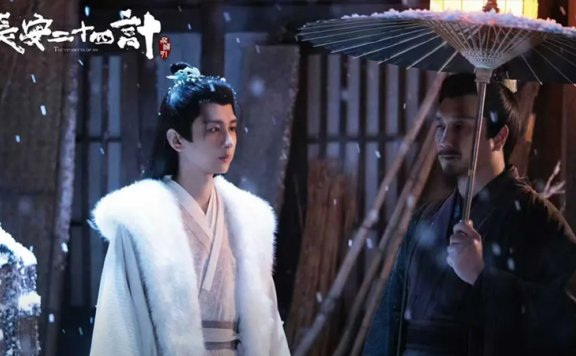
The Vendetta of An Leads the New Wave of Original Male-Oriented Dramas
The landscape of Chinese male-oriented content is shifting. For years, adaptations of sprawling web novels dominated this space. Now, a different model is gaining ground, one that favors original, tightly-plotted narratives over pre-existing fantasy worlds. This move represents a significant gamble for streaming platforms, trading the built-in audience of a popular novel for the unpredictable appeal of a fresh story. Exemplifying this trend is the new series The Vendetta of An (长安二十四计). It follows Xie Huai'an (谢淮安), portrayed by Cheng Yi (成毅), a man returning to the capital after years of planning revenge for his family's destruction. The plot revolves around his intricate schemes and dangerous alliances with figures like the new Emperor and a military commander. Without source material to guide them, viewers are plunged directly into a complex game of strategy and payback, making the viewing experience both challenging and engaging. The commercial confidence in this approach is evident. The series secured over forty brand partnerships before its premiere. Its rapid release on Netflix also marks it as an early international contender in the costume suspense genre this year. This year has seen a concerted push into this territory by platforms like Youku, with series such as The… -
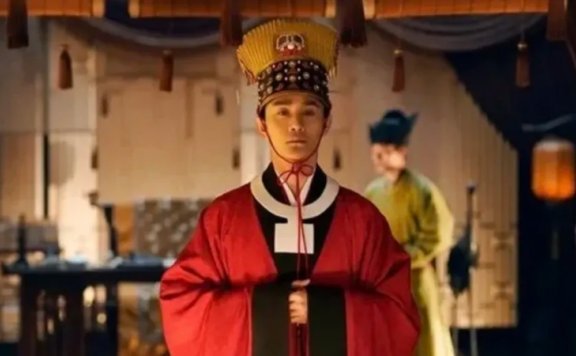
The Royal Collar: How a Song Dynasty Neckpiece Ruled the Court
In the historical drama Serenade of Peaceful Joy (清平乐), a peculiar white neckpiece adorns the robes of officials, instantly capturing the modern viewer's eye. To contemporary audiences, it might resemble an odd fashion accessory or even a pet's collar. But this item, far from mere decoration, was a powerful instrument of state authority. Its correct name is the Fangxin Quling (方心曲领), and its story is one of rigid hierarchy, cosmic symbolism, and physical discipline within the imperial system. A Mark of Rank Not every official in the Song Dynasty could wear the Fangxin Quling. Its privilege was reserved by law for those of the seventh rank and above, specifically those entitled to wear a certain type of ceremonial undergarment. This regulation, documented in texts like the Book of Sui (隋书·礼仪志七), made it a clear, visual demarcation between high-ranking central bureaucrats and lower-level local magistrates. It was a badge of inclusion within the empire's most powerful administrative circle. This was not a Song invention. The collar's institutional origins can be traced back to the Sui and Tang dynasties, evolving from more complex ceremonial attire. The Song court fully standardized and codified its use, embedding it firmly within the formal court robe… -
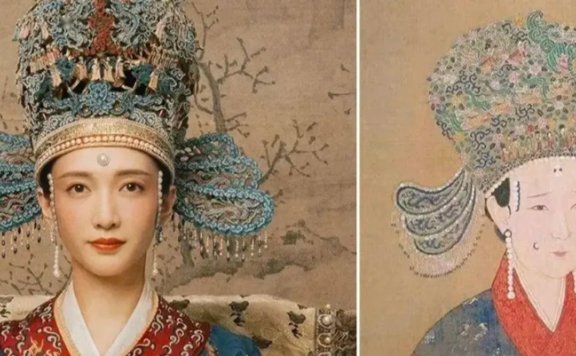
The Forbidden City's Pearls: Why Are They So Irregular and Unique?
Visitors to the Forbidden City often pause before display cases, puzzled by the pearls adorning ancient artifacts. These pearls are rarely perfectly round; many are oval, lumpy, or asymmetrical. This immediately conflicts with modern expectations, where flawless, spherical pearls symbolize luxury. The immediate assumption might be that historical artisans used inferior materials, but the truth is far more compelling. These irregular pearls are not evidence of poor quality but are artifacts of a different world—a time when pearls were gifts of nature, not products of controlled cultivation. Their shapes tell a story of rarity, historical technology, and aesthetic values that prized natural form over engineered perfection. This exploration seeks to answer the central question and redefine what we consider "valuable" in historical context. Wild Pearl Formation Every irregular pearl in the imperial collection began its life in the wild. Unlike today's farmed gems, historical pearls formed entirely by chance within mollusks like oysters and mussels. When a minute irritant, such as a sand grain, entered the shellfish, the creature's mantle tissue responded by secreting layers of nacre around it. This process, called biomineralization, had no guiding template or fixed nucleus. The nacre deposited unevenly over years, resulting in organic, baroque… -
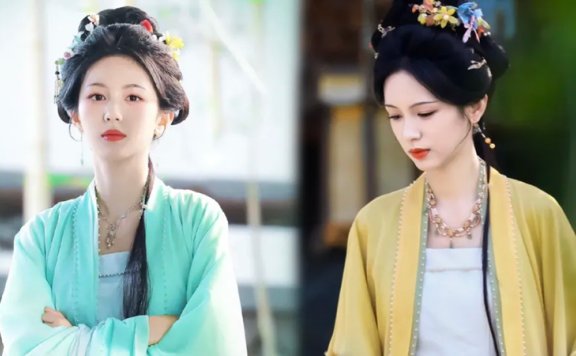
Pearls on Screen and Silk: Did a Song Dynasty Trend Just Go Viral?
A recent period drama photo has set the internet abuzz. In stills from the upcoming series Yi Ou Chun (一瓯春), actress Zhou Ye’s (周也) costumes feature a striking detail: hems and seams meticulously edged with pearls. Online commentators were quick to praise the exquisite craftsmanship, with many marveling at the advanced aesthetic sensibilities of ancient China. This isn't just a random design choice; it’s a direct homage to a specific and lavish fashion trend from the Song Dynasty (960–1279 AD). The shimmering trim is a recreation of Zhu Luo (珠络, pearl edging), a practice that saw pearls adorn everything from the collars and cuffs of formal robes to the seams of luxurious garments. This rediscovery highlights a timeless fascination with pearls and reveals how a royal decree, sumptuary laws, and sheer love for beauty shaped fashion a millennium ago. Courtly Sparkle The use of Zhu Luo was a definitive marker of elite status during the Song era. Its application was widespread and extraordinarily detailed. Portraits of empresses from the period show them in wide-sleeved ceremonial robes where pearls trace every edge, from the crown and face ornaments down to the hems of their shoes. Historical records describe specific garments, like… -

How Han Became a Cultural Marker
Have you ever wondered why we are called the Han people? What is the story behind this name that defines a civilization? A Name Forged in History The term "Han" finds its anchor in one of China's foundational dynasties. Following the brief but brutal Qin Dynasty, a power struggle erupted. Liu Bang (刘邦), a rebel leader, was granted the title "King of Han" after the region of Hanzhong (汉中). His advisor, Xiao He (萧何), saw profound meaning in this name. He connected it to "Tianhan (天汉)," a poetic ancient name for the Milky Way, arguing it signified majestic grandeur and celestial favor. When Liu Bang emerged victorious, founding a new era of stability and expansion, he adopted Han as the dynasty's name. This was no ordinary dynasty. Lasting over four centuries, the Han Dynasty solidified a centralized state, expanded its territory significantly, and established the Silk Road. Its administrative reforms, cultural achievements, and military strength created a powerful, enduring legacy. To people beyond its borders and to generations within, "Han" became synonymous with this powerful, sophisticated civilization. It was an identity marker long before modern ethnic concepts existed. Other powerful dynasties came and went, like the celebrated Tang. Yet while… -
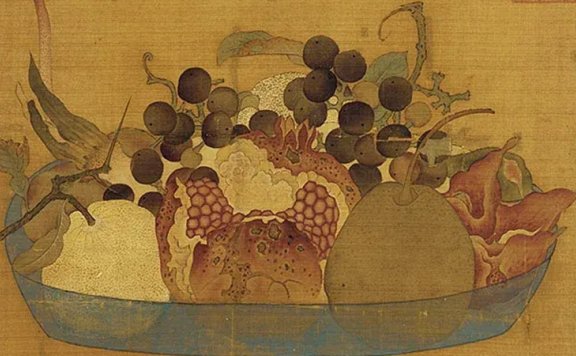
Did Ancient Chinese Emperors Crave Summer Fruits Like We Do?
Today, our globalized world delivers tropical delights to distant continents, making seasonal or geographic limitations seem like a quaint concept. But for most of human history, the contents of a fruit bowl were strictly governed by what the local land offered each season. The journey of fruit in ancient China is not merely a tale of agriculture, but a captivating story of imperial desire, technological ingenuity, and the slow, patient weaving of trade routes that connected empires. It reveals a world where a single peach was a token of friendship, a grapevine was a treasured import, and the taste of a fresh lychee was a luxury worth extraordinary cost. Peaches and Plums In the primal forests and along the riverbanks of ancient China, the first fruits were those provided by nature untamed. Early peoples were careful foragers, observing which berries and nuts animals ate before deeming them safe. The foundational fruits of Chinese civilization emerged from this period: the peach, the plum, the jujube (or Chinese date), and the apricot. These are the fruits immortalized in the Book of Songs (诗经), their flavors often tart or astringent compared to modern varieties. These native species held deep cultural significance. The phrase… -
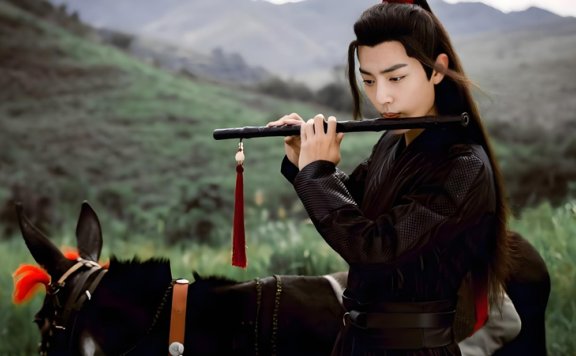
10 Actors Elevating Historical Drama Performances with Looks and Skills
Television screens glow with a particular kind of magic when a performer truly belongs in the past. The Gu Zhuang Ju (古装剧) hinges not just on ornate costumes, but on actors who wear history with innate grace. They move with a learned poise, their presence feeling both authentic and elevated, turning each scene into a living portrait. From the restrained intensity of one star in The Promise of Chang'an (长安诺) to the gentle resilience another brings to One and Only (周生如故), these artists do more than recite lines. They build worlds. Their performances bridge centuries, making ancient struggles and joys feel immediate, reminding viewers why these stories endure. Luo Yunxi (罗云熙) For actor Luo Yunxi, the historical role is an exercise in physical poetry. His presence is often described as possessing an otherworldly grace, a quality that turns costume into second skin and movement into narrative. This is not mere posture, but a complete fusion of actor and archetype, where every gesture carries intention. His performance in the series Whispers of Fate (水龙吟) marked a shift. Here, the elegant immortal was replaced by the grounded resolve of a Wuxia hero. He performed demanding fight sequences under arduous conditions, believing physical… -
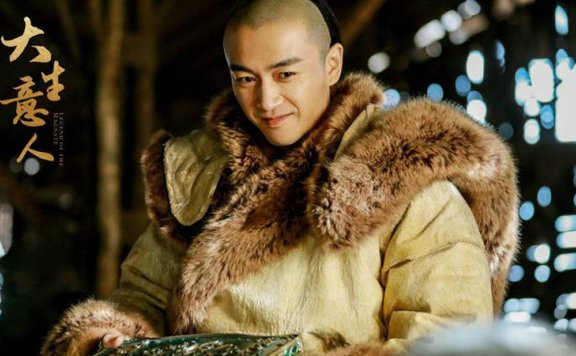
Standout Chinese Historical & Fantasy Dramas of 2025
The year 2025 promises a rich harvest for Chinese period and fantasy drama, offering audiences not just escape into the past, but deep immersion into meticulously constructed worlds. This season’s standout series move beyond generic palace intrigues or simplistic romances, instead grounding their narratives in the specific textures of commerce, magic, and forensic science. From the clink of silver in merchant guilds to the whisper of ancient spells and the silent testimony of a corpse, each story finds its power in granular detail and specialized domains. Legend of the Magnate (大生意人) Aired: 2025 Period Background: Late Qing Dynasty, Xianfeng (咸丰) reign onwards Genres: Historical, Business Saga, Drama Main Roles: Chen Xiao (as Gu Pingyuan), Sun Qian (as Chang Yu'er) Adapted from: Original script The late Qing Dynasty was a cauldron of upheaval. Gu Pingyuan (古平原), a scholar falsely accused in the imperial examinations, finds himself exiled to Ningguta (宁古塔), a remote penal colony. His journey, however, becomes a detour into a different kind of arena. A chance encounter with an old merchant, Chang Si (常四), ignites his latent acumen. Starting from the precarious margins of the salt and tea trades, he navigates a world governed not by Confucian classics but… -
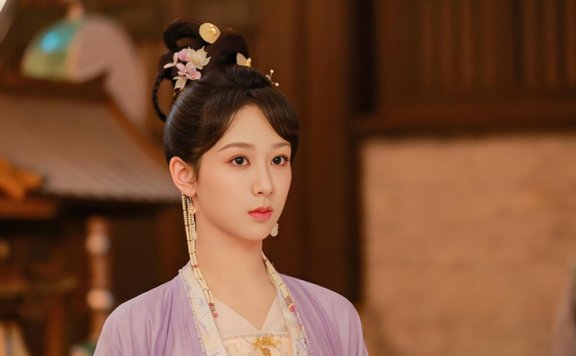
6 Must-Watch Dramas: Ancient China’s Hidden Worlds
While modern audiences often associate historical Chinese dramas with palace intrigues or fantastical romances, a new wave of storytelling is pushing into grittier, more specialized territories. These series are moving beyond familiar frameworks to examine specific institutions, professions, and social structures of the past, offering a fresh lens on history. They blend meticulous period detail with narrative tension, creating worlds that feel both authentically distant and compellingly immediate. The following six upcoming series exemplify this trend, each carving out a distinct niche within the broader historical and Xianxia landscape. Win or Die (夜不收) Win or Die shifts the focus from the Forbidden City's glittering halls to the wind-swept, perilous frontiers of the Ming Dynasty. This series delves into the world of military intelligence and covert operations during a fragile peace. Period Background: Ming Dynasty, during the Wanli (万历) reign. The setting is the tense border regions between Ming forces and the Oirat Mongols, a landscape of shifting alliances and latent conflict. Genres: Historical, Military, War, Espionage Main Roles: Jing Boran (井柏然) portrays Chen Guang (陈广), the stoic and capable commander of a "Win or Die" unit. Wu Xingjian (吴幸键) plays Qiao Sanyi (乔三一), his protege, tasked with a mission that… -
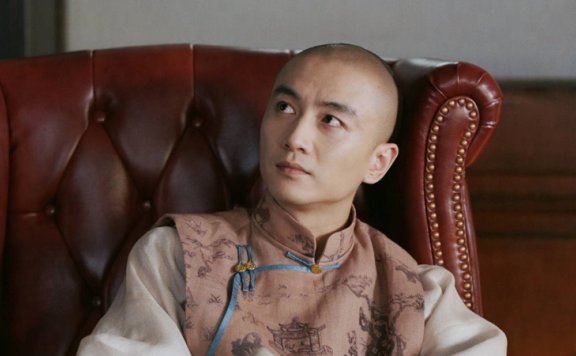
Legend of the Magnate: Lessons in Human Nature and Commercial Strategy
Set against the turbulent backdrop of late Qing Dynasty China, the television drama Legend of the Magnate (大生意人) has captured national attention. It follows the extraordinary journey of Gu Pingyuan (古平原), a man who rises from exiled convict to commercial titan. His ventures span banking, tea, and the lucrative salt trade, bringing him into complex dealings with officials, gentry, fellow merchants, and foreign interests. At its core, the drama is a masterclass in human psychology, demonstrating that success in commerce is inextricably linked to understanding people. The strategies Gu employs to navigate a world of greed, wisdom, and power are not relics of the past; they are timeless insights into human motivation. Mastering these principles of human interaction can provide a decisive advantage in any endeavor. Leveraging Greed The character of Wang Tiangui (王天贵) embodies insatiable greed. As a wealthy Shanxi (山西) banker, his vaults are full, yet his desire for more is endless. His ultimate goal is to seize the legendary Chuang Wang (闯王) treasure. Gu Pingyuan understands this driving force perfectly. Instead of confronting Wang directly, he dangles the ultimate bait: access to the treasure. Lured by the promise of unimaginable wealth, Wang follows Gu into a vault…