
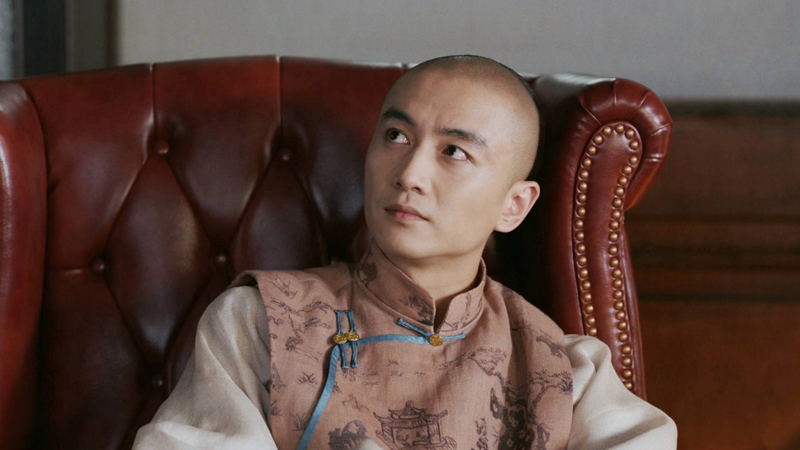
Set against the turbulent backdrop of late Qing Dynasty China, the television drama Legend of the Magnate (大生意人) has captured national attention. It follows the extraordinary journey of Gu Pingyuan (古平原), a man who rises from exiled convict to commercial titan. His ventures span banking, tea, and the lucrative salt trade, bringing him into complex dealings with officials, gentry, fellow merchants, and foreign interests.
At its core, the drama is a masterclass in human psychology, demonstrating that success in commerce is inextricably linked to understanding people. The strategies Gu employs to navigate a world of greed, wisdom, and power are not relics of the past; they are timeless insights into human motivation. Mastering these principles of human interaction can provide a decisive advantage in any endeavor.
Leveraging Greed
The character of Wang Tiangui (王天贵) embodies insatiable greed. As a wealthy Shanxi (山西) banker, his vaults are full, yet his desire for more is endless. His ultimate goal is to seize the legendary Chuang Wang (闯王) treasure. Gu Pingyuan understands this driving force perfectly. Instead of confronting Wang directly, he dangles the ultimate bait: access to the treasure.
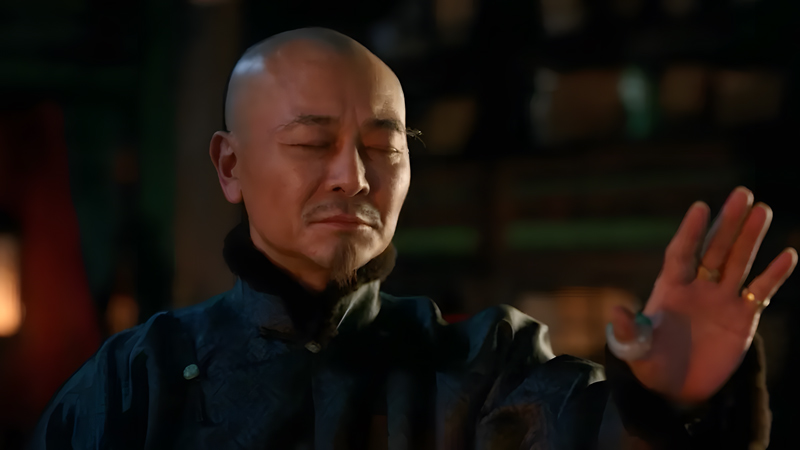
Lured by the promise of unimaginable wealth, Wang follows Gu into a vault filled with gold and jewels. Overwhelmed by avarice, he is trapped when Gu seals the exit. The scene concludes with a symbolic shot of a golden Buddha statue, its expression seeming to mock the mortal folly beneath it. This outcome illustrates a harsh truth: for those who value profit above all else, principles and relationships are meaningless.
When dealing with such individuals, abstract arguments hold no power. The only effective currency is tangible benefit. By presenting an offer that aligns directly with their deepest desires, you gain immediate leverage. This is not about condoning greed, but about recognizing its potency as a motivator and using that understanding to steer the situation.
Engaging Wisdom
In contrast to Wang Tiangui stands Li Zhongdeng (李仲登), the shrewd patriarch of the powerful Lao Ba Jia (老八家) merchant consortium. He is a keen observer of politics and human nature, able to see through deception and anticipate threats. When a corrupt prince schemes to extort his family, Li employs a brilliant counter-strategy, publicly offering to sell all assets to fund the military, thereby exposing the prince's plot.
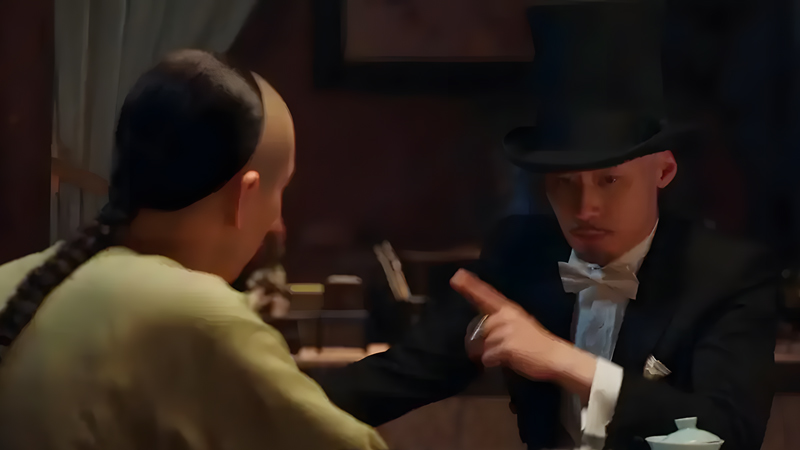
Gu Pingyuan recognizes that a mind as sharp as Li's cannot be fooled. When invited to work with the Lao Ba Jia, Gu chooses radical honesty. He confesses his status as an exile and reveals that a rival sent him as a spy. This upfront vulnerability is his greatest asset.
For true intellectuals and strategists, transparency is the highest form of respect. They despise obfuscation and flattery. Attempting to outsmart them is an insult. The most direct path to their trust is through unvarnished truth. By laying all cards on the table, you demonstrate respect for their intellect and create a foundation for genuine collaboration.
Honoring Potential
A particularly insightful moment involves the character Jin Da Nainai (晋大奶奶), the matriarch of the Lao Ba Jia family. She travels a great distance to offer financial aid to Gu Pingyuan when he is still relatively unknown and penniless. Her visit is marked by profound respect; she even bows to his mother. This act, which some might see as excessive, is a masterstroke in recognizing value.
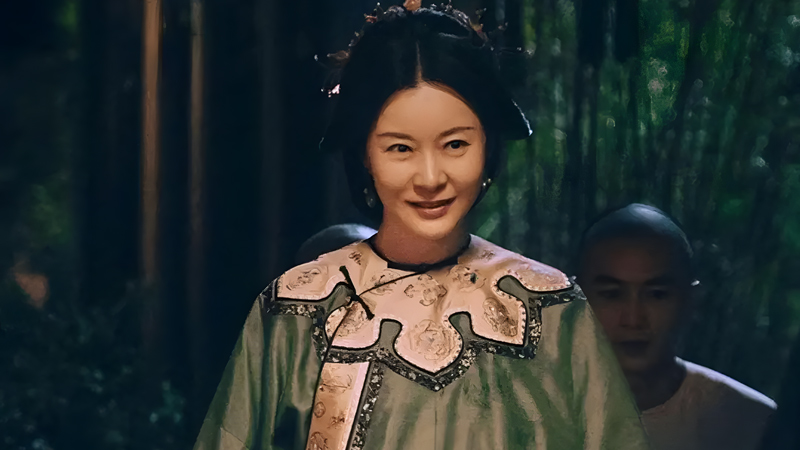
Gu had repeatedly proven his exceptional ability and integrity, qualities not easily bought with money or status. Jin Da Nainai understood that such a person is won not by offers of wealth, but by demonstrations of sincere respect and recognition of his worth.
History is filled with examples, like the story of Liu Bei (刘备) visiting Zhuge Liang's (诸葛亮) cottage three times to secure his service. True talent is often not compelled by authority, but is inspired by feeling truly seen and valued. Acknowledging someone's potential before their fame is secured is a powerful form of investment that builds unwavering loyalty.
Respecting Experience
Elder members of a community, especially those who have achieved stature, place high value on dignity and social recognition. For them, respect is an acknowledgment of a lifetime of accumulated experience. The tea merchant Hu Laotaive (胡老太爷), leader of the Anhui Tea Guild, is such a figure. When Gu Pingyuan's tea wins a prestigious competition, he has a choice: humiliate the older merchant or elevate him.
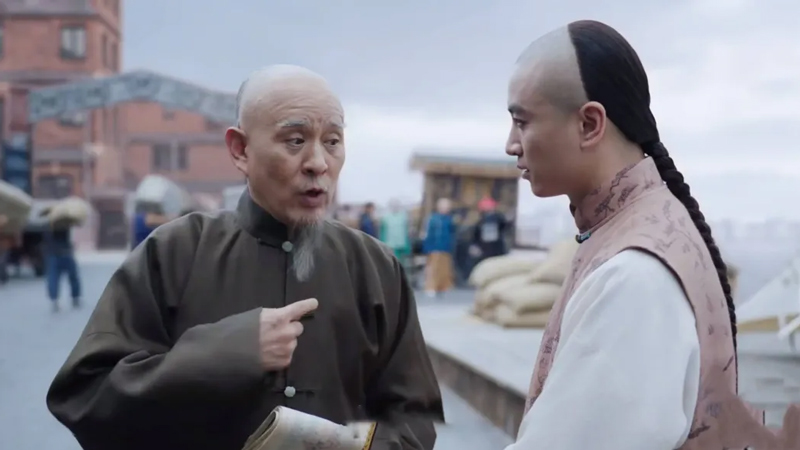
Gu chooses the latter. He not only shows Hu Laotaive deference but also gifts him the winning tea recipe, asking him to oversee its promotion. This act validates the elder's expertise and grants him honor. Conversely, another merchant, Li Wantang (李万堂), attempts to strong-arm Hu Laotaive through threats and disrespect, a tactic that backfires spectacularly.
This "face" or social capital is not mere vanity for seasoned individuals; it is the tangible result of their life's work. They expect to be consulted, not sidelined. Courteous and formal treatment is not subservience; it is an intelligent acknowledgment of their journey and status, often turning potential adversaries into powerful allies.
Partnering with Strength
Finally, the drama shows how to engage with powerful, decisive figures. These individuals have little patience for flattery or emotional appeals. They are focused solely on outcomes and capability. In a critical scene, Gu needs to rescue someone held by the military commander Li Cheng (李成). He does not beg or appeal to morality.
He instead presents a transaction: the release of the prisoner in exchange for vital military supplies—oil and hemp rope—that Gu can provide and Li Cheng desperately needs but cannot obtain elsewhere. Gu positions himself not as a supplicant, but as the sole solution to a practical problem.
To gain the attention of the strong, you must first demonstrate your utility. Abstract promises are worthless; concrete solutions are everything. You must make yourself an indispensable part of the "deal" or project. Approach them with competence, speak the language of value, and let the results you can deliver be your introduction. This is the only form of communication they truly respect.
The enduring lesson from Legend of the Magnate is that human desires—for gain, for truth, for dignity, for respect, for results—are universal levers. The art lies in discerning which lever to pull and when. True strategic advantage comes not from fighting human nature, but from understanding its contours. By observing these principles, one learns to navigate complex social landscapes with foresight, build alliances based on mutual understanding, and ultimately shape outcomes by first understanding the people involved.