
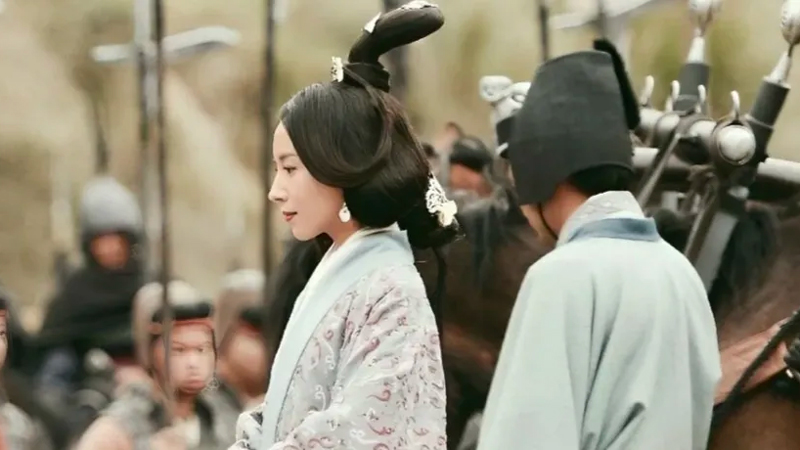
Have you ever wondered why we are called the Han people? What is the story behind this name that defines a civilization?
A Name Forged in History
The term "Han" finds its anchor in one of China's foundational dynasties. Following the brief but brutal Qin Dynasty, a power struggle erupted. Liu Bang (刘邦), a rebel leader, was granted the title "King of Han" after the region of Hanzhong (汉中). His advisor, Xiao He (萧何), saw profound meaning in this name. He connected it to "Tianhan (天汉)," a poetic ancient name for the Milky Way, arguing it signified majestic grandeur and celestial favor. When Liu Bang emerged victorious, founding a new era of stability and expansion, he adopted Han as the dynasty's name.
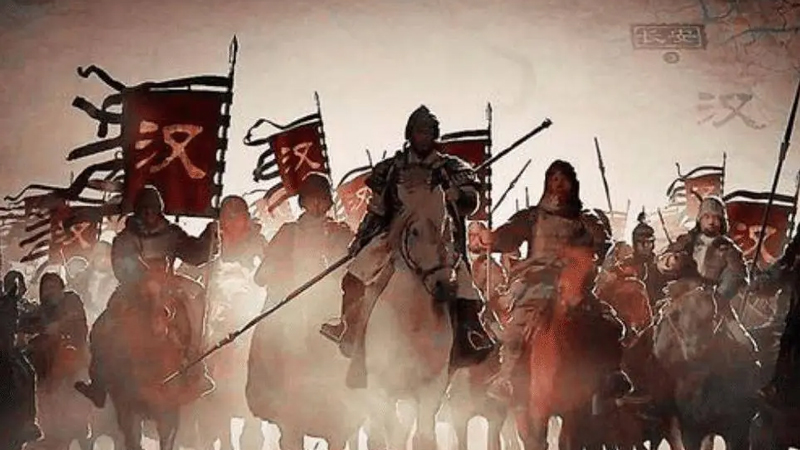
This was no ordinary dynasty. Lasting over four centuries, the Han Dynasty solidified a centralized state, expanded its territory significantly, and established the Silk Road. Its administrative reforms, cultural achievements, and military strength created a powerful, enduring legacy. To people beyond its borders and to generations within, "Han" became synonymous with this powerful, sophisticated civilization. It was an identity marker long before modern ethnic concepts existed.
Other powerful dynasties came and went, like the celebrated Tang. Yet while "Tang" remained largely a historical period label, "Han" transcended its origins. It evolved from a royal title and a dynasty's name into a core cultural identifier for its people. This unique transition underscores its deep-rooted significance in the Chinese historical consciousness.

River to Galaxy
The name's journey is a tapestry weaving geography and astronomy. The region of Hanzhong derives its name from the Han River, a major tributary of the Yangtze. Ancient observers noted the river's shimmering, meandering path resembled the luminous band of stars arching across the night sky—the Milky Way, which they reverently called Tianhan or Hehan (河汉).
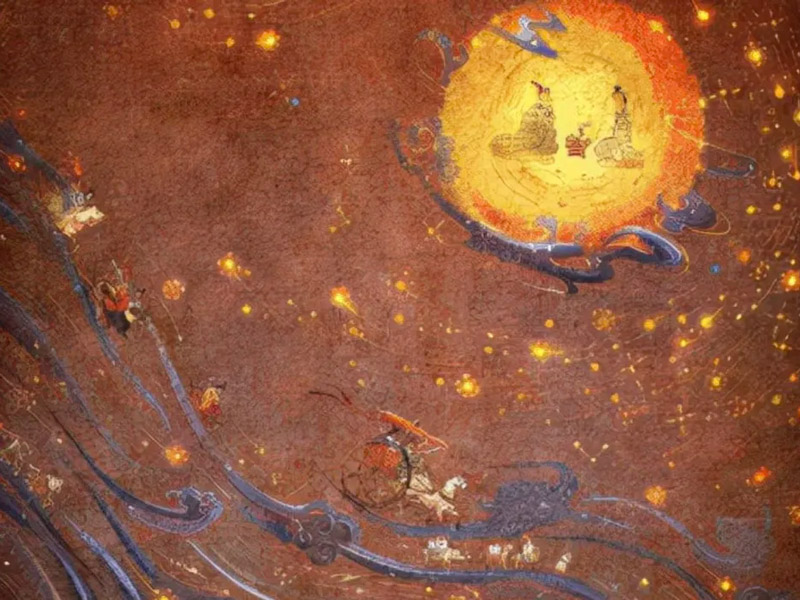
This celestial connection was deeply embedded in early Chinese thought. References appear in the classic Book of Songs and the poetry of figures like Cao Cao (曹操). The sky-river was seen as something vast, orderly, and beautiful. By linking the terrestrial Han River to the celestial Tianhan, the name acquired layers of meaning: it was both of the earth and of the heavens, rooted and boundless.
Thus, "Han" completed an extraordinary ascent. It moved from describing a physical river, to naming a region, to becoming a royal title and a dynastic banner, all while carrying that luminous celestial metaphor. This fusion of the tangible and the cosmic gave the term a unique resonance that mere political designations lacked. It embodied a worldview.
The Legacy of Han Today
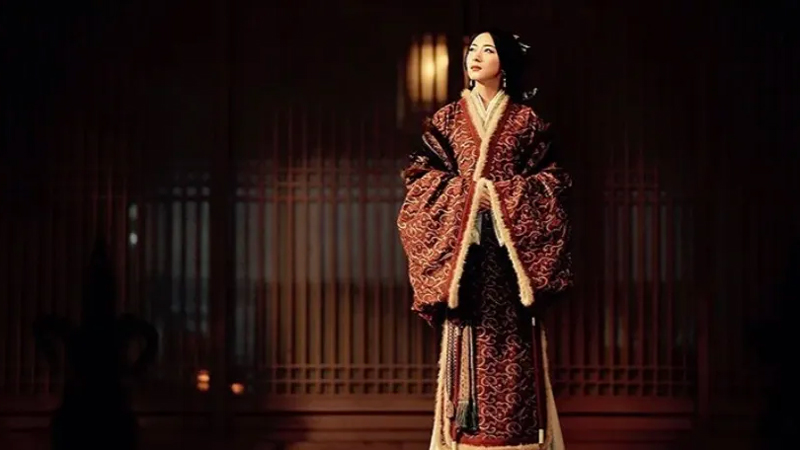
Two millennia later, the legacy of "Han" is everywhere in cultural life. It prefixes the written language, the spoken tongue, and traditional clothin. It shapes language in terms like "Hanzi (汉子)" for a stout-hearted man or "Haohan (好汉)" for a true hero. These are not historical relics but living parts of the cultural vocabulary.
This enduring identity speaks to the dynasty's unparalleled role in consolidating a lasting cultural framework. The Han period established norms in governance, philosophy, art, and social structure that became benchmarks. To identify as Han was, and is, to connect with that foundational synthesis of ideas and practices that proved remarkably persistent and adaptable through time.
Today, looking up at a night sky often dimmed by city lights, we might not see the brilliant Milky Way as clearly as ancient astronomers did. Yet the concept of Tianhan remains, now etched into history and identity. The story of "Han" reminds us how names carry deep stories—of landscapes, of stars, of human ambition and connection. It is a story still being written by hundreds of millions who bear its name.
