
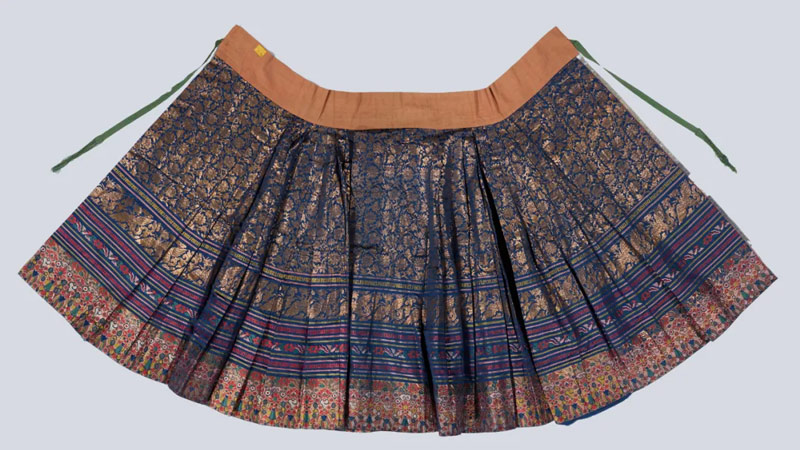
Walk down any modern city street in China, from Shanghai's Bund to The Forbidden City, and you'll likely spot a surprising silhouette: the Mamianqun (马面裙). With its distinctive flat front panels and flowing pleated sides, this Ming Dynasty-era skirt has leaped from museum displays and history books into the heart of contemporary wardrobes.
It represents more than a cyclical fashion trend; it is a vibrant, living symbol where deep cultural heritage intersects with personal style. This skirt's journey reveals how a garment can transcend its original era to become a powerful medium for identity and aesthetic expression in the 21st century.
A Design Born from Function
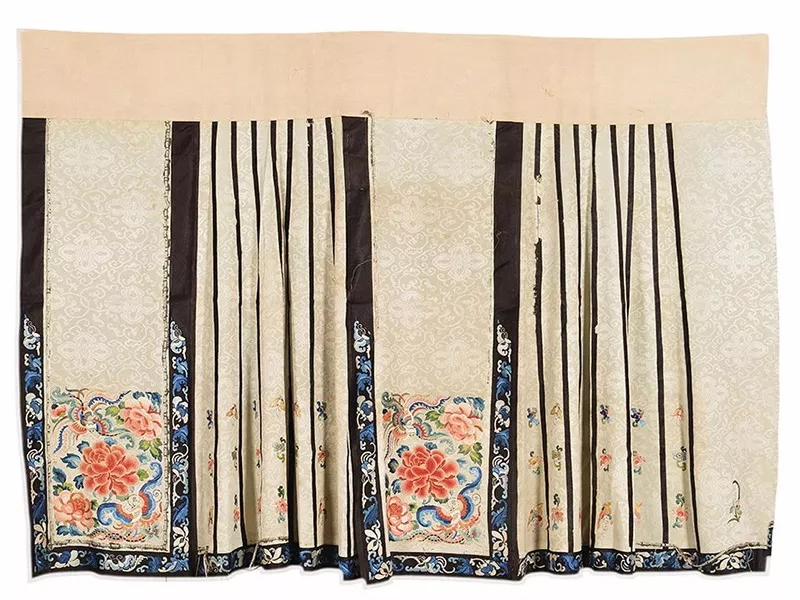
The name Mamianqun originates from a unique architectural feature. Mamian refers to the rectangular, projecting bastions on ancient Chinese city walls, which the skirt's broad, unadorned front panel visually resembles. This core design principle—structured panels meeting dynamic pleats—emerged during the Ming Dynasty. The skirt is ingeniously constructed from two identical panels of fabric joined at a single waistband. When worn, these panels overlap at the front and back, creating four "gates" or openings: two prominent, flat rectangular sections at the front and back, flanked by pleated sides.
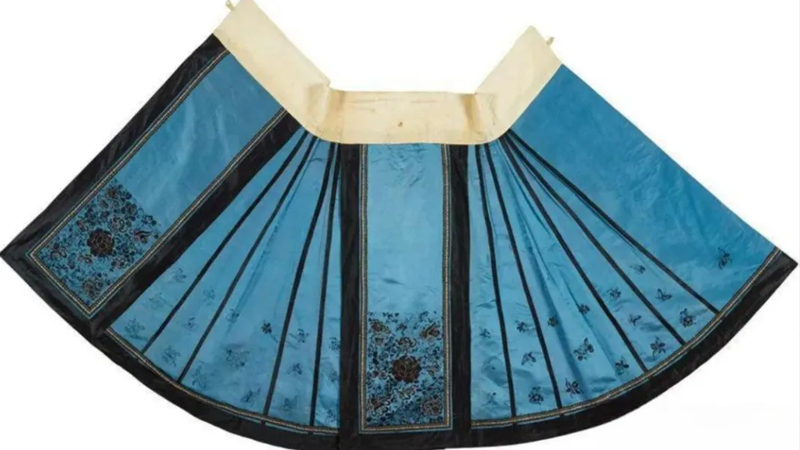
This architecture served a profoundly practical purpose. The smooth front Mian, often richly embroidered, presented a dignified and modest appearance when the wearer stood still. The secret to its functionality lay in the pleats. During movement, these pleats would fan open, providing remarkable freedom for walking or even horseback riding. This perfect marriage of formal elegance and everyday utility made it a staple for women across social strata for centuries.
Variations evolved with time. The Ming version typically featured many parallel pleats and decorative horizontal borders called Lan. The Qing Dynasty saw influences from Manchu attire, with pleats often aligning in one direction and the front panel widening. Styles diversified into forms like the delicate "fish-scale" pleated style, the severe sectional Lan Gan (襕干) style, and the decorative Fengwei (凤尾) or "phoenix tail" style.
Modern Reinvention
The skirt's 21st-century revival is a masterclass in adaptive design. Designers have re-engineered it for modern life while preserving its soul. Traditional complex tie closures have been supplemented or replaced with zippers, snaps, and elasticated waistbands, making it accessible and easy to wear. Fabrics have shifted from heavy historic silks to lighter, breathable materials suitable for daily commutes and office life.
Its true genius lies in its versatility. The Mamianqun effortlessly bridges fashion eras. It is just as compelling paired with a simple modern t-shirt or crisp blazer as it is with a traditional Ao (袄) jacket. This chameleon-like quality allows wearers to integrate a piece of history into their personal style lexicon seamlessly. It is no longer costume, but clothing.
This accessibility has fueled its popularity. Social media platforms are filled with tutorials on styling it for different occasions, from casual coffee runs to formal weddings. Its presence in contemporary Chinese television dramas, like the series Love's Freedom (许我耀眼) , further cements its status as a relevant and desirable fashion item, introducing its elegance to new generations.

A Symbol of Cultural Confidence
The skirt's return is deeply intertwined with a broader cultural movement. For many young Chinese, choosing to wear a Mamianqun is a conscious act of cultural connection. It is a tactile, beautiful way to engage with and reclaim a part of their heritage that was once fading from everyday view. It moves beyond nostalgia into a space of proud, contemporary assertion.
This represents a significant shift from cultural silence to active expression. The garment carries centuries of artisan skill and aesthetic philosophy—seen in its traditional motifs of peonies for wealth or peaches for longevity—but now speaks a modern language. Wearing it is both an appreciation of ancestral artistry and a statement of individual and collective identity in a globalized world.
Ultimately, the enduring power of the Mamianqun lies in its foundational intelligence. Its design is a pinnacle of Chinese planar cutting, a system that uses flat fabric to create three-dimensional, graceful form. It solved problems of aesthetics, posture, and motion over five centuries ago with a solution so elegant it remains compelling today. As it sways on city streets, it is no longer a relic but a dynamic cultural script, continuously rewritten by each new person who fastens its waistband and makes it their own.
