Article
Search results:
-

The Baffling Mystery of Luo Feng's Greatest Limitation
In the vast, unforgiving cosmos of Swallowed Star (吞噬星空), survival hinges not just on raw power, but on the secrets one keeps. The latest saga within the Ice Hell has fans gripping their seats, as the human prodigy Luo Feng (罗峰) faces foes of unimaginable strength. He battles, he outmaneuvers, yet he consistently refuses to employ a tactic considered fundamental for any top-tier warrior in a death match: burning his divine body. This conspicuous absence has become the central mystery, leaving both his enemies and the audience to wonder: is this a calculated bluff, or does it reveal a far more startling truth about his current capabilities? The Relentless Pursuit After mapping the brutal hierarchy of the Ice Hell, Luo Feng understood the rule: only the absolute strongest earn freedom. He retreated, focusing on honing his skills away from the prying eyes of the prison's elite. His reappearance was anything but quiet. With a new self-created technique, the Myriad Stars Sermon, he issued an open challenge, a brazen act that immediately drew fire. The first to answer was Ben Lei Wang (奔雷王), the Thunderbolt King, a being whose mastery of lightning laws and devastating original moves placed him among the… -
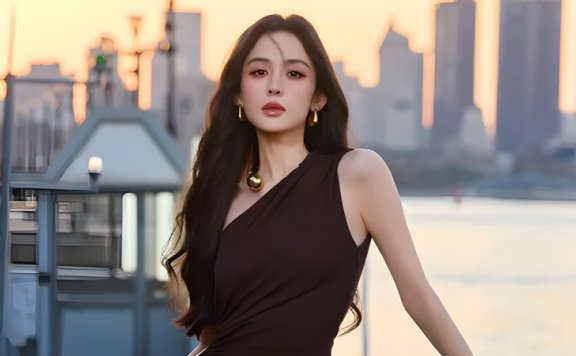
Nazha’s Chocolate Gown Against the Twilight Riverside Canvas
What happens when fashion becomes a language of its own, speaking through silhouette, light, and landscape? A recent series of photographs featuring actress Nazha (娜扎) offers a compelling answer. Captured against the backdrop of a dusk riverside, she is dressed in a deep chocolate brown, one-shoulder gown. The images transcend mere celebrity photography, resembling carefully composed painterly frames where human form and environment engage in a silent, elegant dialogue. This is not just a display of attire but a statement on modern elegance, where subtlety and precision create an impact far greater than overt spectacle. A Dusk Canvas The location is as crucial as the attire. The fading golden hour light by the river provides a soft, diffuse glow that naturally enhances the rich, chocolate hue of the gown. This warm, natural spotlight illuminates Nazha's complexion and adds a layer of cinematic depth to the scene. The water's surface, reflecting the twilight sky, creates a serene and expansive canvas, making the figure appear both grounded and ethereal. The choice of this setting demonstrates a sophisticated understanding of how environment frames fashion, transforming a photoshoot into a narrative moment suspended in time. The gown itself is a masterpiece of understated design.… -
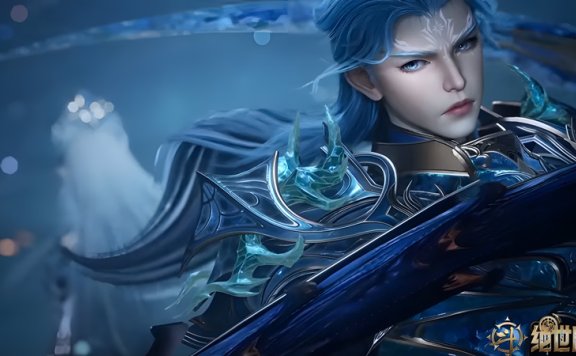
Huo Yuhao’s Beast Horde vs. Ju Zi’s Steel Tide in the Far North
The frozen expanse of the Far North is a realm of ancient power and unforgiving silence. Here, the delicate balance between the primordial and the progressive is sacred. When the imperial ambition of the Sun Moon Empire sends its greatest military force to plunder this land's riches, that balance shatters. The latest arc of The Peerless Tang Clan (绝世唐门) stages a monumental conflict, pitting the raw, savage might of legendary soul beasts (魂兽) against the cold, calculated power of a mechanized army. At the center are two brilliant young commanders, Huo Yuhao (霍雨浩) and Ju Zi (橘子), whose personal history adds a sharp edge to this brutal war of ideologies. Their first direct confrontation is not just a battle of strength, but a masterclass in tactics, environment, and sheer will. A Frozen Kingdom Awakens The Far North has a new guardian. With the former Snow Empress (雪帝) stepping back, authority now rests with the Titan Snow Demon King A'Tai (泰坦雪魔王阿泰) and the Ice Bear King Xiao Bai (冰熊王小白). Their allegiance, however, is given to a human: Huo Yuhao. Having deepened his comprehension of Ultimate Ice with guidance from the Snow Empress and empowered by the Ice Empress’s martial soul, Huo… -
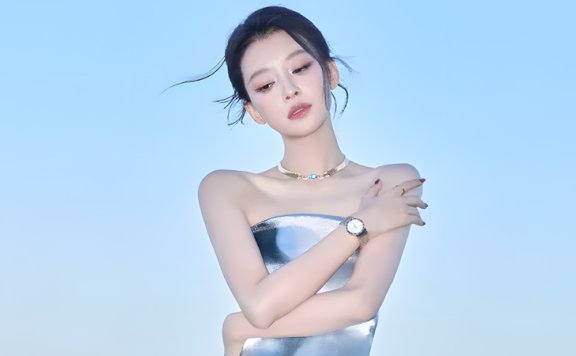
How a Silver-Blue Gown by the Sea Reshape a Star's Image
The shoreline is a photographer's favorite canvas, but it is rare for an actress to become one with its nocturnal poetry so completely. In a recent photoshoot, Sun Yi (孙怡) achieved this, wearing a gown that seemed spun from moonlight and sea foam. The images captured more than a beautiful woman in a beautiful dress; they framed a moment of stylistic alchemy. This was not merely a fashion choice, but a deliberate step in a public evolution, where fabric, light, and persona fused to create an iconography far removed from her earlier public identity. The Dress as Character The centerpiece was a metallic silver-blue gown, a garment that acted as both armor and allure. Its cold, sleek satin reflected light like shifting water, changing hue with every subtle movement. The strapless neckline presented a sculptural quality, framing Sun Yi's shoulders and collarbone with elegant severity. This was not a dress meant for frivolity; it carried a narrative weight, reminiscent of a celestial being or a noble figure from a Wuxia epic, dignified and untouchable. Its architecture was masterful. A fitted bodice and high waist accentuated her slender frame, while the skirt flared into a soft A-line silhouette. This classic shape… -

Dilraba’s All-Black Outfit Reshape Fashion Mastery
When Dilraba stepped out recently, she didn't just wear an outfit; she made a statement. The actress, a dominant figure in Chinese entertainment, has long been celebrated for her ethereal beauty and versatile acting in hit dramas like The Long Ballad (长歌行). Yet, her latest public appearance shifted the narrative entirely. Gone was the sweet, approachable charm often associated with her. In its place stood a vision of powerful, modern sophistication. Captured in unedited candid shots—the kind that test a star's true appeal—she demonstrated a magnetic confidence that transcends mere styling. This was more than a fashion moment; it was a deliberate unveiling of a new chapter, proving that for a true artist, evolution is the only constant. Fashion Evolution Dilraba's journey in the public eye has been a masterclass in graceful transformation. She first captured hearts with a fresh, girl-next-door vitality, her roles and red-carpet looks radiating youthful innocence. This persona, while beloved, was just one facet of her identity. Over recent years, a deliberate shift has taken shape. The soft hues and flowing silhouettes have been strategically interspersed with sharper, more structured choices. This evolution mirrors her career trajectory, moving from ingenue parts to complex characters who command the… -
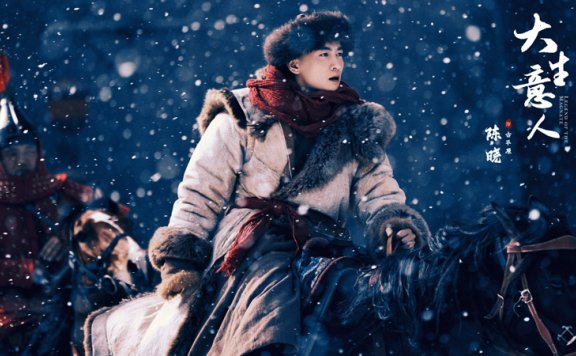
Why Legend of the Magnate Leads Ratings but Lags Digitally
In today's fragmented media landscape, a television drama can dominate traditional ratings while barely causing a ripple in the digital stream. This split personality challenges the very idea of a unified hit. Since its debut, the series Legend of the Magnate (大生意人) has delivered staggering numbers for CCTV-8. It shattered multiple records, claiming the top spot for a premiere's real-time rating on the channel in three years and holding an average near 3.5% per episode. By these measures, it is poised to become the channel's ratings champion for the latter half of the year. Yet, on major online video platforms, its performance tells a different story. The show's "heat index," a key metric for web popularity, has struggled to breach the significant 9000-point threshold. This disconnect is not new; many series have faced this same divide, leaving the industry still searching for a reliable bridge. https://youtu.be/CJP1FjYcGSs What makes this case particularly notable is the contrast with other shows. Unlike some previous high-rated series that sparked online debate over their quality, social media discussions largely acknowledge Legend of the Magnate as well-made and engaging, with particular praise for its production design. This consensus, however, has not ignited the broader online fervor… -
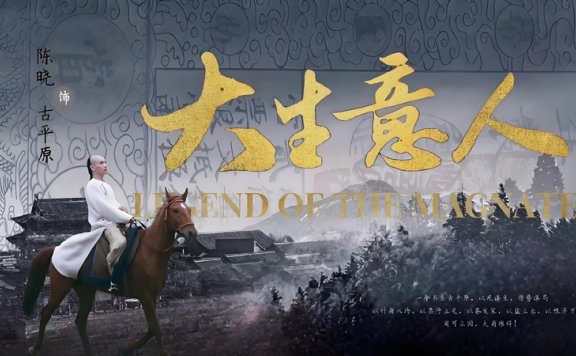
The Paternal Guides and Heartfelt Bonds in Legend of the Magnate
Historical dramas often weave ambition and fate into grand tapestries, but few threads are as startling as the one followed by Gu Pingyuan (古平原). His story begins not in a mansion but in despair, a scholar whose path to imperial examination glory was shattered in an instant. A single act of spilled ink rerouted his destiny from scholar to exile, casting him into the remote harshness of Ninggu Pagoda (宁古塔). What defines Gu is not the fall, but the arduous climb back. Survival in exile required a different kind of cunning. The classical texts in his mind gradually made room for the calculus of the marketplace. His journey from the frozen frontier to the pinnacle of the Qing dynasty's commercial world is a relentless pursuit of both justice and prosperity, a quest to unravel the conspiracy that upended his life. The television adaptation, Legend of the Magnate (大生意人), has rapidly captivated audiences. While praised for its scale and emotional pull, viewers note a familiar echo. Gu Pingyuan's remarkable blend of scholarly wit, martial prowess, and disruptive commercial savvy feels less like a historical figure and more like a direct descendant of a modern archetype. The comparison is inevitable: here stands… -

Why On the Love & Crown’s Heartbreaking Finale Resonates
Why does a drama's heartbreaking finale linger so powerfully in our minds long after the screen fades to black? The recent conclusion of the historical costume drama Love & Crown has ignited fierce debate and left audiences in a collective state of sorrow. The series, starring Ren Jialun (任嘉伦) and set in a fictional dynastic court, culminates in a near-total tragedy: the male lead, Emperor Xiao Huan (萧焕), sacrifices himself to save the realm; his beloved, Ling Cangcang (凌苍苍), dies years later from heartbreak and illness; and even supporting characters meet grim fates. This deliberate departure from conventional happy endings challenges viewers and raises questions about narrative choices in historical romances. Is this profound tragedy a meaningful exploration of duty versus desire, or merely manipulative storytelling? The answer lies not just in the ending, but in the journey of the characters who embody these irreconcilable conflicts. The Weight of the Crown At the heart of Love & Crown is a brutal exploration of identity. Xiao Huan is fractured. As emperor, he is a symbol of state power, a puppet maneuvering through political intrigue, forced to suppress personal sentiment to balance treacherous ministers. His life is one of calculated isolation. Yet,… -
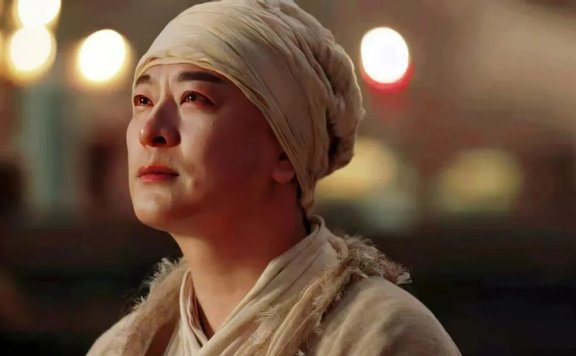
The Unfinished Finale of Strange Tales of Tang Dynasty Ⅲ: Chang'an
The grand finale of Strange Tales of Tang Dynasty Ⅲ: Chang'an (唐朝诡事录之长安) has left its audience with more questions than closure. While the third season of this popular historical mystery series delivered the expected courtly intrigue and atmospheric detective work in the bustling capital of Chang'an, its conclusion felt curiously unfinished. The central power struggle between the young Emperor and his formidable aunt, the Princess Zhenguo (镇国), reached a simmering new tension, setting the stage for a future confrontation. Yet, several narrative threads introduced throughout the season were left dangling, and one character's entire purpose remains bafflingly unclear. For dedicated viewers, the finale was less a resolution and more an intermission, prompting intense speculation about what the creators have in store for the next chapter. The Monk Who Meant Nothing In the season's second case, "The Weeping of Chengfo Temple," investigators Su Wuming (苏无名) and Fei Ji encounter a monk named Kong Le (空了). His introduction is charged with deliberate mystery. He bears an uncanny resemblance to Qin Xiaobai (秦孝白), the legendary, blind court painter from a previous season's "Subduing the Demons" case. While the connection is visually teased, it is never explained. Kong Le speaks of a grueling pilgrimage… -
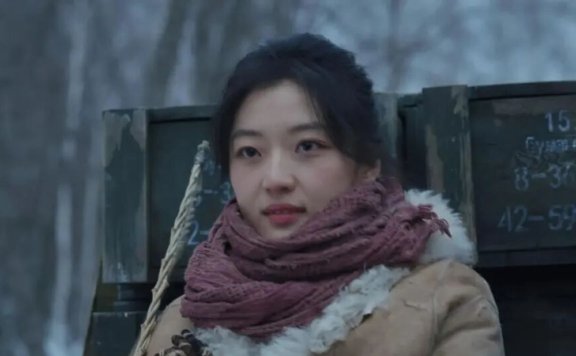
The Twisted Web of Vengeance in Legend of the Magnate
In the cutthroat world of Qing Dynasty commerce, a single victory can plant the seeds for a far greater defeat. This is the harsh lesson learned by tea merchant Gu Pingyuan (古平原), the protagonist of the period drama Legend of the Magnate (大生意人). After achieving the prestigious title of "Finest Tea Under Heaven," he finds himself not celebrating in the capital, but delivered in chains back to his personal hell: the remote, freezing penal colony of Ningguta (宁古塔). His tormentor? The very man he once ruined, the former garrison commander, Xu Feng (徐丰). Yet, as Gu soon discovers, the hand that delivered him to this fate was not Xu's, but that of a far more calculating and dangerous foe: the enigmatic Su Zixuan (苏紫轩). Anatomy of a Revenge Xu Feng's demise is a spectacle of self-engineered spite. Luring Gu Pingyuan back to Ningguta under false pretenses, he never intended to travel to the capital. His goal was a twisted, mutual destruction. By creating a scenario that would attract a wolf pack, he sought to make Gu experience his own fall from grace—a plummet from the clouds of hope back into the mud of despair. His final act was to burn… -
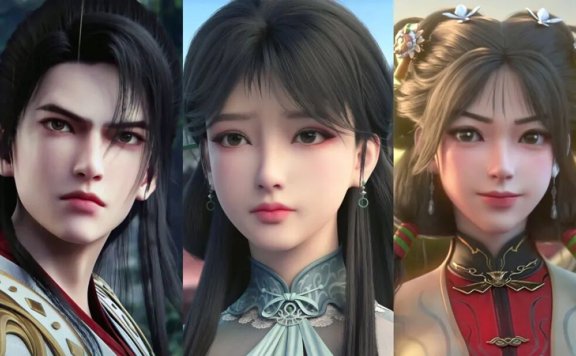
The Gate of Mystical Realm in The Gate of Mystical Realm?
The animated adaptation of Wang Yu’s (忘语) popular Xianxia novel, The Gate of Mystical Realm (玄界之门), has premiered on Bilibili with a compelling three-episode launch. Introducing protagonists burdened by profound loss, the series immediately dives into a world of cultivation, vengeance, and hidden legacies. For fans of the author's previous work, A Mortal's Journey (凡人修仙传), this new story offers both fresh faces and tantalizing threads that suggest a shared, expansive universe where destinies are intricately woven. A Bleak Beginning The story opens not with grandeur, but with grief. We meet a young Shi Mu (石牧) in the coastal Shiquan Village (石泉村). His life shatters when his father, Shi Ting (石亭), is murdered. The tragedy deepens as assassins arrive, claiming the lives of his adoptive family. Only a mystical pearl, a gift from a celestial being he once rescued, preserves his life. This artifact becomes his silent guardian, a crucial tool for survival in a world that has shown him only cruelty. Orphaned, Shi Mu is taken to Feng City (丰城) by Jin Zhen (金珍), becoming a ward of the Jin family and gaining a gentle stepsister, Jin Yuhuan (金玉环). His path crosses another soul marked by sorrow when he encounters Zhong… -
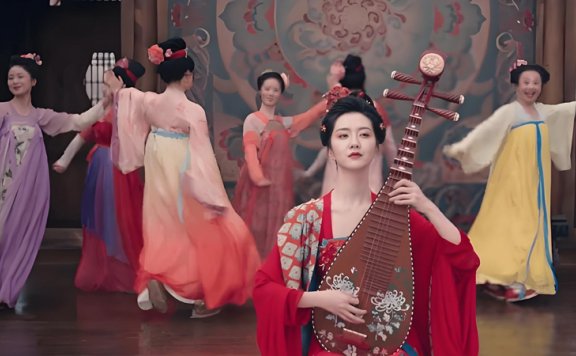
The Fourth Case of Tang Gui Ⅲ: Ruan Daxiong, Hero of Qi Ting's Painted Wall
The dust has settled on the painted wall of the Qi Ting (旗亭) wine shop. Detectives Su Wuming (苏无名) and Lu Lingfeng (卢凌风) have apprehended the phantom fire manipulator, Mo Ying Youyan (墨影幽焰). Yet, the most remarkable victory of this case remains unrecorded in any official ledger. It belongs not to the magistrates with their badges of authority, but to a man everyone underestimated. The final feast in Chang’an celebrates more than a solved mystery; it honors a quiet, profound act of integrity that redefines what it means to be a hero in a world of glittering poetry and lurking shadows. The Banquet's True Purpose As the fourth celebratory feast of this long case is laid out, the atmosphere is one of weary relief. The master of illusions, Mo Ying Youyan, who used pyrotechnic sleight-of-hand to terrorize others, is securely bound. His accomplices, the performers of the Xuanhuo Troupe (玄火班), were coerced into service and have surrendered. The ingenious pharmacist, Fei Jishi (费鸡师), reveals he had been working behind the scenes for days, neutralizing poisons in the dessert and providing the crucial clue that linked the troupe to the wanted fugitive. It appears all threads are neatly tied. However, Su… -
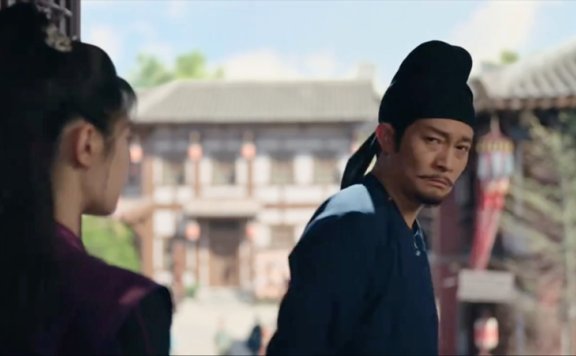
The Fifth Case of Tang Gui Ⅲ: How Did Elite Families Become Killers?
The fifth case in Strange Tales of Tang Dynasty Ⅲ: Chang'an (唐朝诡事录之长安), titled "A Foot Away from Heaven," closes with a somber revelation. The mastermind behind the merchant killings is finally unmasked, representing the last person Detective Lu Lingfeng (卢凌风) wished to confront. This resolution is not a triumphant capture but a poignant exposure of deep-seated societal decay festering beneath the glitter of the Tang capital. The investigation, beginning with a missing merchant's servant, peels back layers of charity, ambition, and ancestral pride to reveal a bitter core of class hatred and violent desperation. Charity and Suspicion Lu Lingfeng's inquiry into a missing servant leads him to the Jinguang Hui (金光会), an exclusive guild for immensely wealthy merchants. Simultaneously, he observes the activities of Anshe (安社), an organization distributing relief supplies. This charity, however, comes with a pointed condition: it is offered only to commoner families, deliberately excluding the established aristocratic Shizu (士族). This calculated slight ignites visible social friction. Du Yu (杜玉), an official from a prestigious family, can only issue weak reprimands to impoverished scholars who renounce their high-born clans for an extra bag of grain. The relief's organizer, He Bi, coolly states that districts dominated by aristocrats… -
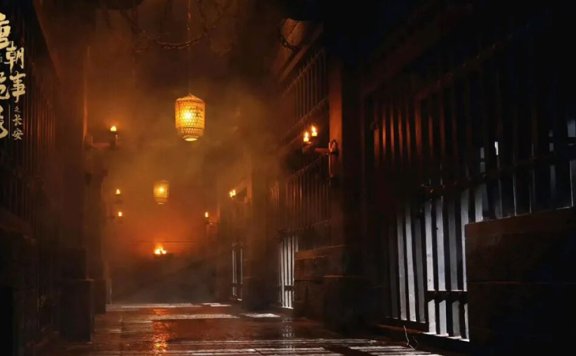
Tang Gui Ⅲ: What Makes Chinese Horror So Unnervingly Unique?
In the depths of the Tang Dynasty’s nocturnal capital, a different kind of fear takes shape. It does not leap from shadows with claws bared, but seeps from the cracks of history itself. The drama Strange Tales of Tang Dynasty Ⅲ: Chang'an (唐朝诡事录之长安) masterfully unveils this distinctive school of terror, one that scores high not with graphic violence but with a profound, culturally-rooted dread. Its power lies in the unsettling space where documented history bleeds into folkloric nightmare, where the grandeur of a golden age casts the longest, most distorted shadows. This is horror that resonates in the silent moments, making audiences feel a chill that is ancient, familiar, and deeply psychological. History’s Heavy Shadow The series is meticulously built upon the solid ground of historical reality. The painstakingly recreated 108 wards of Chang'an are not just a backdrop but an active participant. The stark contrast between the bustling daytime markets and the eerie, lantern-lit silence after curfew creates a perfect habitat for fear. Cases are cleverly woven from historical threads. An incident involving a tribute golden peach from the Western Regions merges official records with a legend of a monstrous avian creature. Another mystery, set in a ghost market, grafts… -
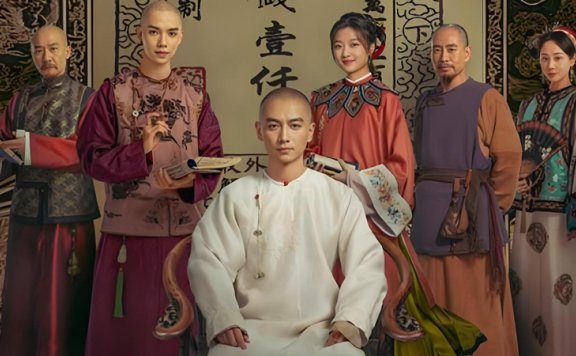
Legend of the Magnate: The Lethal Game Between Gu Pingyuan and Su Zixuan
In the frozen wastes of the Northeast, a business war turns lethally personal. The recent episodes of the historical drama Legend of the Magnate (大生意人) have left audiences breathless, not with boardroom deals, but with a literal fight for survival in the snow. The shocking death of a key character has peeled back the layers of a vendetta, revealing a plot far more sinister than a simple rivalry. It turns a tale of commerce into a chilling story of revenge, exposing how deep one woman's hatred truly runs. A Frozen Trap The remote penal colony of Ningguta (宁古塔) is more than a setting; it is a character of brutal indifference. It is here that the accomplished merchant Gu Pingyuan (古平原) finds himself imprisoned once more, delivered into the vengeful hands of Xu Guandai (徐管带). Their history is bitter. Xu, a former warden disgraced and exiled himself, sees Gu not as a prisoner, but as the living embodiment of his own downfall. His "interrogation" methods are designed for prolonged torment, alternating between freezing exposure and fleeting warmth. Gu, ever the strategist, attempts to negotiate his way out. He offers Xu a path to regain wealth and status through an arms deal,… -
Can Su Xiaotong Reclaim Her Crown in Historical Mystery Dramas?
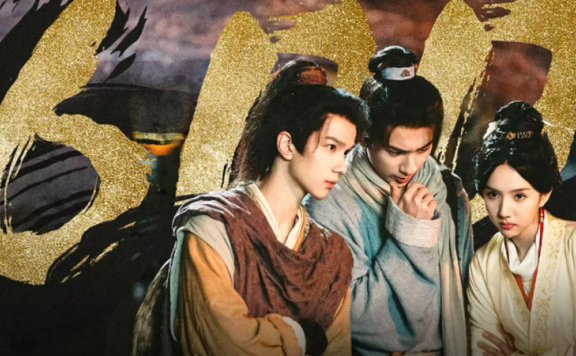
When historical mystery drama Treasure at Dawn (天书黎明) quietly began streaming, few noticed its arrival. Yet for viewers who stumbled upon it, the series offered a refreshing authenticity often missing from bigger productions. Its lush green forests and bustling marketplace sets were real locations, not digital creations. The actors wore simple, slightly pilled linen garments—small details that built a convincing world. At the center of this world is Su Xiaotong (苏晓彤), an actress whose name became synonymous with a different historical mystery hit four years ago. Her return to the genre feels like meeting an old friend in a familiar neighborhood, but the neighborhood itself has changed dramatically. A Familiar Lane Su Xiaotong’s path to recognition was paved with period costumes. However, it was her role as the clever and endearing coroner Chu Chu (楚楚) in The Imperial Coroner (御赐小仵作) that made her a standout among a new generation of actresses. Her fresh, sweet appearance and natural acting won her the Best Actress award at the Huading Awards that year. Many saw her as a rising star among post-95-born actresses, poised for greater success. The character of Chu Chu left a deep imprint on audiences, becoming a role she is… -
Bold Investment in Legend of the Magnate: Partnerships & Empire Growth
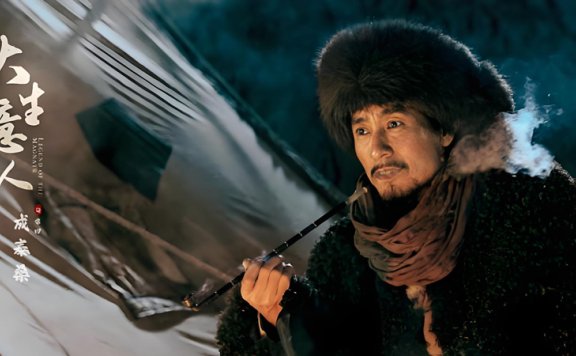
In the television drama Legend of the Magnate (大生意人), a seemingly straightforward transaction leaves audiences baffled. When the tea harvest is abundant, the merchant Hou Er (侯二) suppresses prices. The protagonist, Gu Pingyuan (古平原), defiantly offers farmers a ten percent higher price, pledging to buy the tea himself. However, he lacks the capital. He sends a note to Jin Da Nainai (晋大奶奶), matriarch of the Lao Ba family's banking empire, requesting a loan of 50,000 taels of silver. Her response is astonishing. She arrives in person, not with 50,000, but with 200,000 taels—a fortune equivalent to millions today. This move defies simple logic. It wasn't merely about repaying a past favor; it was a masterclass in long-term investment and strategic positioning. A Tested Partnership Jin Da Nainai's decision stemmed from profound trust in Gu Pingyuan's abilities. Their history was one of mutual salvation. When the Lao Ba family faced ruin, imprisoned by the scheming Li Wantang (李万堂), it was Gu's idea of issuing "fictitious checks" that secured their release. The crisis didn't end there. Li later attempted to withdraw a massive deposit, threatening the bank's liquidity while luring customers with higher interest. Gu devised another clever plan, turning Li's own… -
Why Are Period Drama Costumes So Thin?
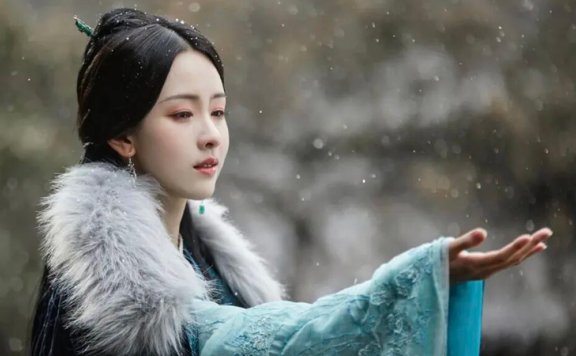
Viewers of historical Chinese dramas often share a common thought during winter scenes: those actors must be freezing. The diaphanous gowns, often little more than a single layer of silk, seem utterly inadequate against painted backdrops of snow and ice. While a flowing cloak might be added for effect, the costumes underneath remain stubbornly, beautifully thin. This consistent aesthetic choice prompts the question: is this what people really wore, or is it purely for the camera? Historical Layering The reality of historical winter wear was fundamentally about layers, not just fabric weight. A Tang Dynasty woman, for instance, would have employed a sophisticated system of overlapping garments. This would start with close-fitting undergarments, followed by a lined jacket and skirt, and then a padded outer robe or coat. A final, large shawl or cape provided additional protection. This multi-layered approach trapped air and created insulation far superior to any single garment. For the elite, winter wear was both warm and luxurious. Mianpao (绵袍), or silk-wadded robes, were common. Here, "mian" refers to silk floss, a lightweight and highly effective insulating material akin to a natural down filling. More extravagant outfits incorporated furs from sable, fox, or rabbit for collars, cuffs,… -
Who Truly Embodies the Splendor of Luoyang in Tang Gui Ⅲ
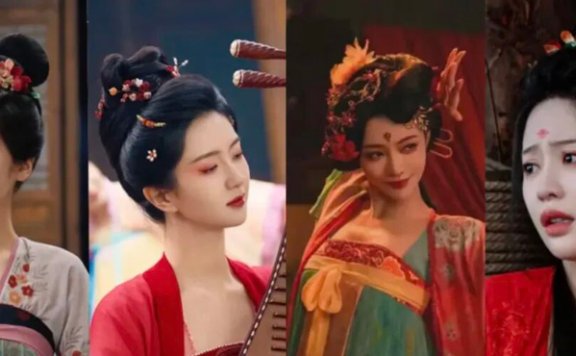
The finale of Strange Tales of Tang Dynasty Ⅲ: Chang'an (唐诡3) has sparked vibrant discussions, particularly around its female characters. Many viewers argue that the supporting roles outshine the lead, creating a rich tapestry where each woman possesses a distinct and compelling beauty defined by her unique styling and narrative purpose. Vitality and Ingenuity Pei Xijun (裴喜君), portrayed by Gao Siwen (郜思雯), captivates with her signature "bunny" hairstyle. This look, featuring twin buns resembling rabbit ears, falls under the broader category of Shuangji (双髻). It perfectly mirrors her clever and lively personality. Her wardrobe, dominated by Qixiong shanqun (齐胸衫裙) robes in soft yellows and pinks, enhances a youthful, delicate charm. The costume design employs a clever color strategy. While the base palette is gentle, stylists introduced subtle contrasts with muted reds and blues or yellows and greens. These accents add visual pop without overwhelming the character's sweet essence, making her outfits both period-appropriate and strikingly modern to the eye. This thoughtful styling extends to Chu Yingtao (褚樱桃), played by Sun Xuening (孙雪宁). Her character's martial prowess is reflected in modified Yuanling (圆领) robes with detachable sleeves and turned-down collars, offering a practical yet elegant silhouette. The dominant deep hues of… -
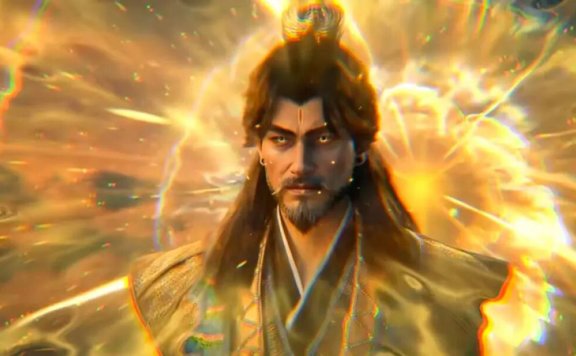
The Tragic Downfall of Heaven-South's Mad Cultivator
What happens when a lone wolf defies an entire world order? In the stratified universe of cultivation, where powerful sects hoard knowledge and resources, the story of a solitary practitioner reaching the pinnacle is almost mythical. The tale of Cang Kun Shangren (苍坤上人) is one such legend—a story not just of spectacular ascension but of a catastrophic, self-engineered downfall. From a resource-less rogue to a late-stage Yuanying (元婴) expert who made the heavens tremble, his journey rewrote the rules. Yet, his name is now a cautionary whisper, a mystery wrapped in ancient malice and personal ambition. This is the unraveling of the so-called Heaven-South's Mad Cultivator, a man who challenged empires only to become a puppet in a far older game. The Rise of a Renegade Cang Kun's path was one of relentless, violent self-reliance. Without the backing of a great sect, he turned the most forbidden ruins and perilous secret realms into his personal treasury. He fought for every scrap of spirit herb, every fragment of ancient jade slip containing lost techniques. His methods were brutal and transactional, recognizing no authority but his own growing power. This philosophy forged a terrifyingly strong cultivator but also painted a target on…
