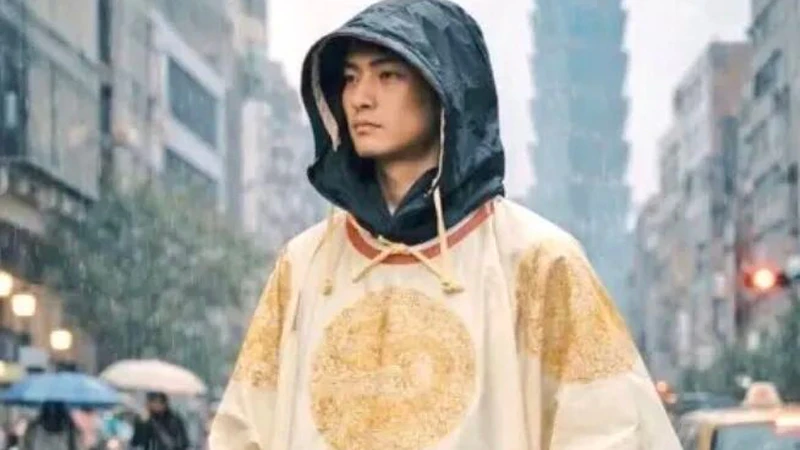
Could a raincoat inspired by Ming Dynasty emperors actually sell out at $50 a piece? Taipei’s Palace Museum just proved it’s possible, leaving shoppers wondering: buy it or frame it?
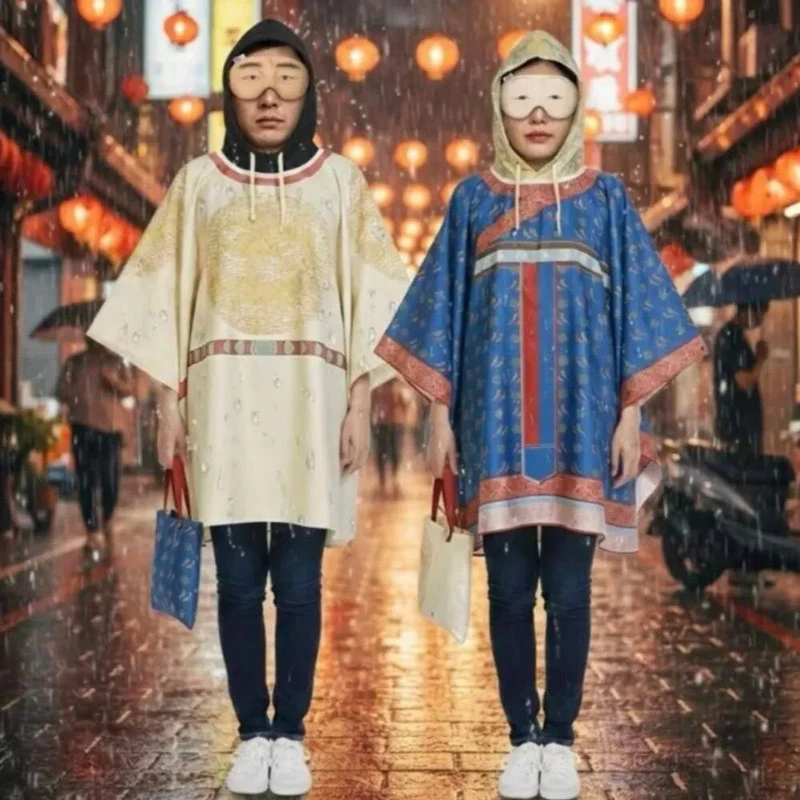
In a surprising twist of cultural commerce, the Taipei Palace Museum (台北故宫博物院) recently dropped two raincoat designs that have since become the talk of the town. Priced at 1,890 Taiwan dollars (approximately 430 RMB), these aren’t your average plastic ponchos. They vanished from shelves almost immediately, leaving many to question whether people are actually buying them for rainy days or simply as collector’s items.
The products cleverly blend daily utility with deep cultural resonance, tapping into a trend that sees consumers craving more meaningful connections with the items they use every day. This phenomenon isn’t just about staying dry; it’s about wearing a piece of history, however ironic that might sound. The museum has effectively turned a mundane object into a statement piece, proving once again that creativity, when applied to heritage, can yield surprisingly modern results. It raises an interesting question for the rest of us: would we don an emperor’s robe just to walk the dog on a drizzly morning?
Wearable Wit
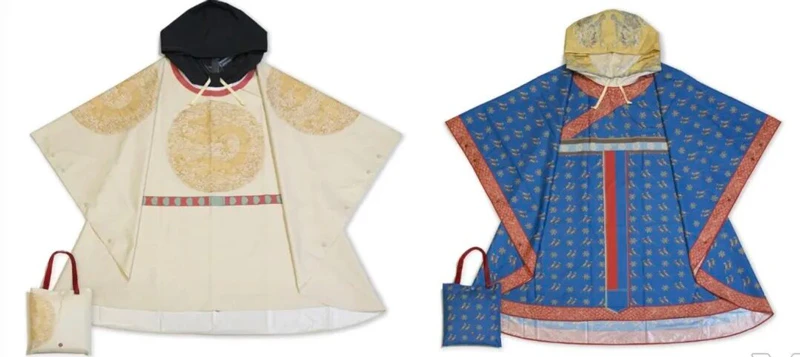
The genius lies not in the fabric, but in the concept. These are not mere replicas; they are witty adaptations. The men’s version carries the inscription “I Worry Not About Rain” while the women’s declares “The Empress Worries Not About Rain.” It’s a playful twist on imperial authority, suggesting that if an emperor’s robe could ward off court intrigue, surely a modern version can handle a little precipitation. This linguistic creativity instantly connects the product to the authority and symbolism of the museum’s collection, making it a conversation starter before it even leaves the box.
Consumers aren’t just buying waterproofing; they’re buying into a joke that spans centuries. It transforms a simple act—putting on a raincoat—into a moment of historical cosplay, adding a layer of fun to the daily commute. This approach proves that cultural products don’t have to be solemn artifacts gathering dust on a shelf; they can be vibrant, humorous parts of our everyday lives, inviting us to interact with history in a lighthearted way.
What truly sets these apart is their choice of template: the raincoat itself. Unlike the saturation of fridge magnets, notebooks, and postcards that fill museum gift shops, this is a high-frequency, utilitarian object. Everyone needs protection from the rain at some point, making it a product with inherent, practical value. By overlaying this daily necessity with a high-impact cultural image, the museum struck gold. It’s a masterclass in product development: identify something people already use, then elevate it through association with iconic art.
This strategy moves the museum beyond its walls and into the unpredictable weather of everyday life. It forces a connection between the ancient halls displaying imperial portraits and the modern streets where people battle the elements. The success here signals a market hungry for innovation in cultural merchandise. It suggests that the public is tired of predictable trinkets and yearns for items that integrate seamlessly, yet meaningfully, into their routines.
Draped in Dynasty
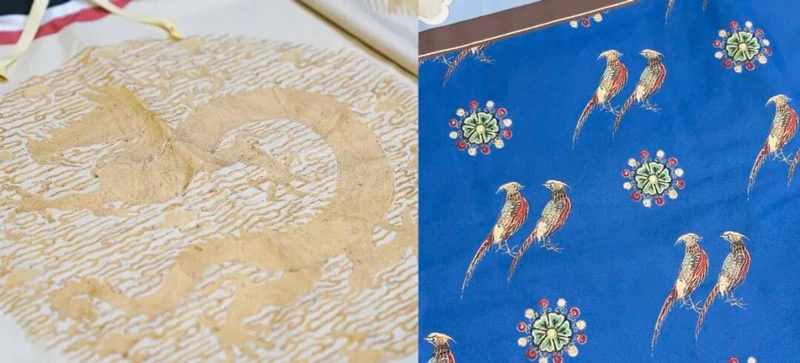
The design specifics are where history truly comes alive. The “emperor’s” rainwear is a hooded cloak modeled after the round-collar robes seen in the portrait of Emperor Taizu of Ming (明太祖坐像). Its bright yellow hue and replicated dragon robe patterns aim to evoke the solemnity and power of the first Ming emperor. Wearers can almost imagine the weight of the crown, even if the actual hood only features a printed version of the winged good-luck cap. It’s an ambitious attempt to translate the formality of court attire into the casual drape of waterproof fabric.
The design captures the essence of the portrait’s authority, offering a glimpse into the visual language of imperial power. This connection transforms the raincoat from a simple garment into a mobile art exhibition, allowing the wearer to carry a piece of the museum’s collection out into the world, sparking curiosity and conversation wherever they go.
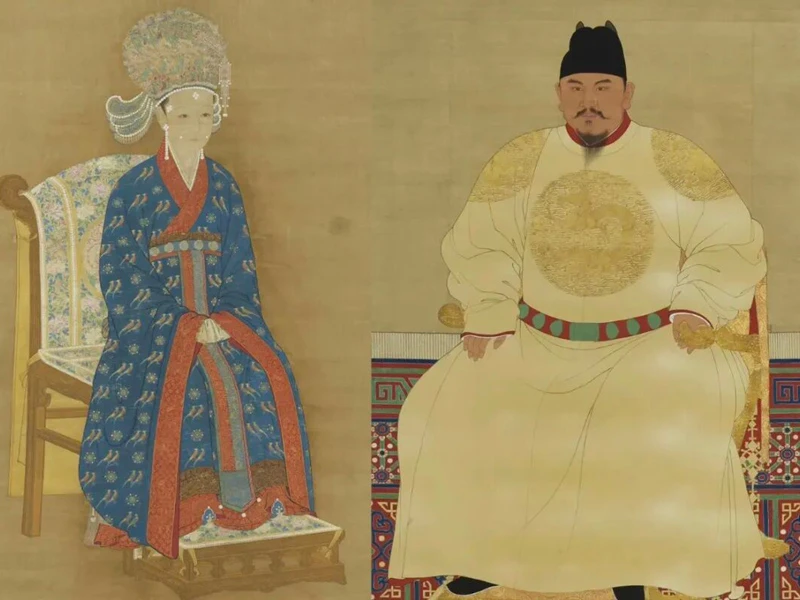
On the other side, the “empress” version draws from the classic image of Empress Wu of the Song Dynasty (宋高宗吴皇后像). It features a cross-collar design inspired by her ceremonial Diyi (翟衣) robe, decorated with patterns representing pheasants. The original painting is celebrated for its intricate detail, particularly the delicate immortal figures adorning her nine-dragon floral crown and the distinctive pearl makeup, or “Zhenzhu Zhuang” (珍珠妆), on her face.
Translating such exquisite detail onto a raincoat was always going to be a challenge, and the result focuses more on the overall silhouette and pattern placement than on replicating the fine jewelry. The designers made a conscious choice to prioritize the iconic look of the robe over the minutiae of the accessories. This decision makes the garment more wearable and less costume-like, striking a balance between historical accuracy and modern fashion sensibility. It invites wearers to imagine the grace of a Song Dynasty empress, even as they navigate a puddle.
Fit for a… Commuter?
Of course, the leap from portrait to product comes with its own set of practical compromises, and early reviews point to some fitting issues. The most common critique revolves around proportion. While the top half might successfully mimic the broad-shouldered grandeur of imperial attire, the bottom half tells a different story. The sleeves are notably short for many adults, often failing to reach the wrist, and the overall length falls awkwardly at the upper thigh for taller individuals. This creates a disjointed look that can appear more comical than commanding when viewed as a whole.
The children’s version, understandably, measures only about one meter in length, while the largest adult size barely grazes the calf, though rumors suggest extended sizes are in development. This sizing quirk means that the full visual effect, so carefully planned, is often lost on anyone above average height, turning a potential statement piece into a slightly ill-fitting souvenir.
Furthermore, the hood, despite bearing printed motifs, lacks the structural grandeur of the actual winged crown or phoenix headpiece it’s meant to echo. It functions perfectly well as a rain hood but fails to sell the imperial fantasy from every angle. The magic of the design is strongest when viewed from the front or in product photos, but the side profile and full-body perspective can break the spell. The color palette also plays a role, with the men’s bright yellow proving more universally wearable than the women’s deeper, more specific tones. Ultimately, the appeal of these raincoats seems less about their practicality as rain gear and more about their value as a cultural statement. They represent a bold, humorous, and ultimately successful experiment in making history both accessible and functional, even if the fit isn’t quite fit for a king. It makes one wonder: are we buying these to wear, or simply to own a piece of this clever cultural conversation?