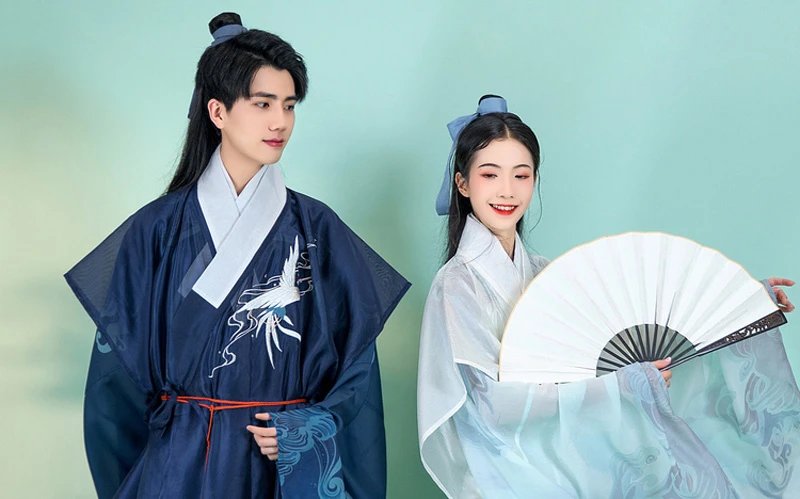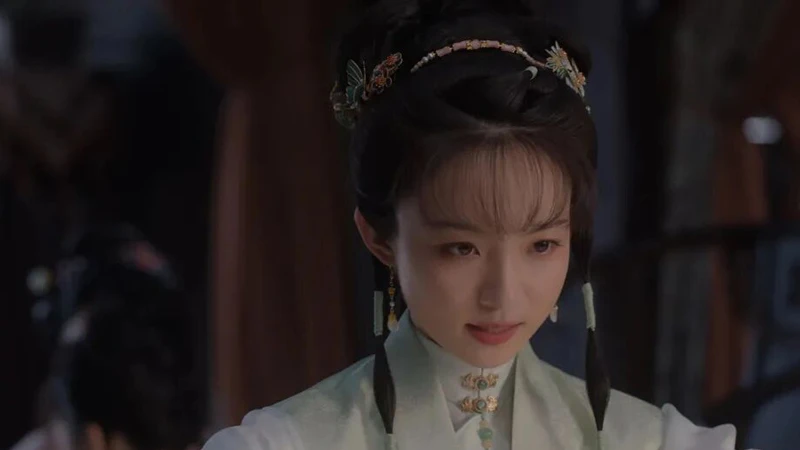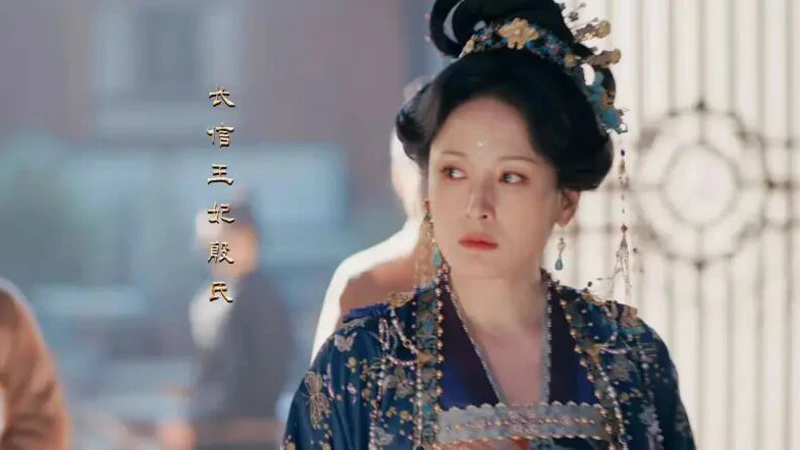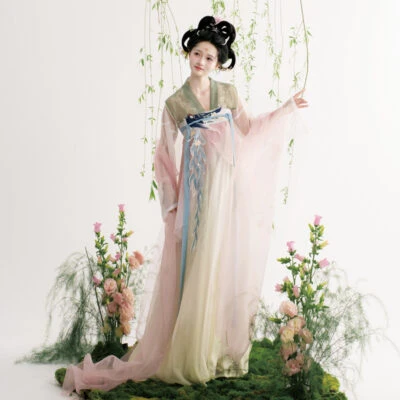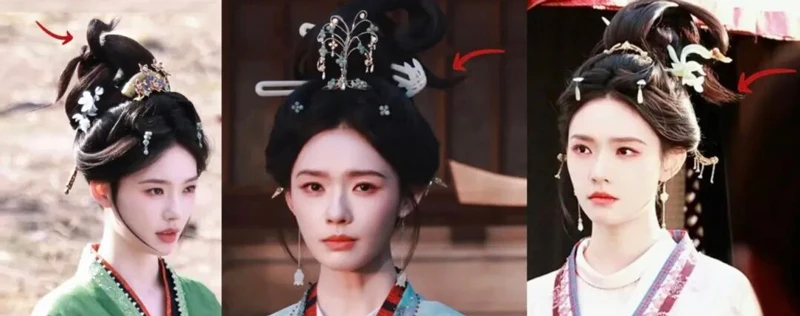
Lin Yun’s (林允) new drama, The Road to Glory (归鸾), has sparked a lively discussion online, but it is not just her acting that has people talking. Sharp-eyed viewers have noticed something peculiar about her hairstyles in the period piece. Across several different looks, a few strands of hair seem to have a mind of their own, escaping from otherwise elaborate updos. These rebellious strands curl, flutter, or simply hang loose in ways that feel delightfully unpredictable. The reaction online has been one of amused curiosity.
Some netizens jokingly question if this is a styling error, wondering if the hair designer simply could not tuck away all the loose ends. Others have gone a step further, playfully doubting the very aesthetics of the Wei-Jin period, suggesting that perhaps people back then just loved a bit of “messy” hair. This initial observation, however, opens the door to a fascinating exploration of ancient Chinese beauty standards and the hidden meanings behind a seemingly simple strand of hair. Why did the women of this era choose to let those few locks fly free?
The Rebellious Strands: Meet “Fenshao (发髾)”
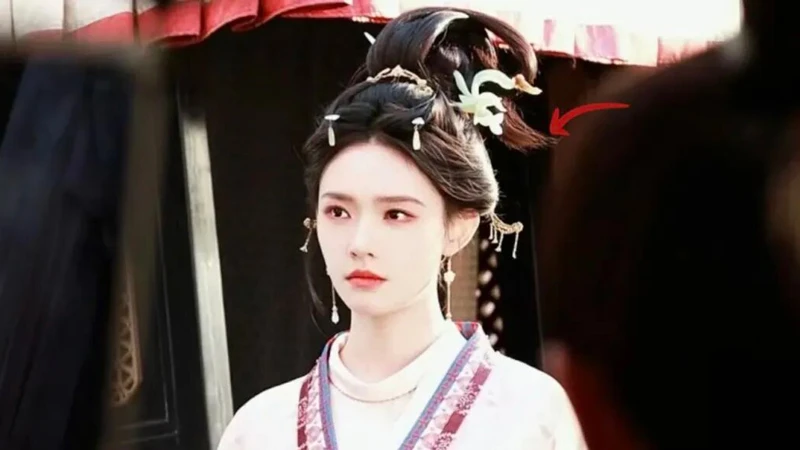
This playful feature actually has a name. In the context of ancient Chinese hairstyling, these intentionally loose or stray hairs are referred to as Fenshao. The character “shao” specifically refers to the tail or tip of the hair. It can describe the natural, shorter pieces that fall loosely when the rest is tied up, or it can be a deliberate stylistic choice, where a single, distinct lock of hair is left to hang freely. In the imagery from the Wei-Jin period, this Fenshao appears in various forms. It might be a soft wisp resting against the ear, a single strand emerging playfully from the top of a high bun, or a more sculpted, almost twisted lock that seems to defy gravity.
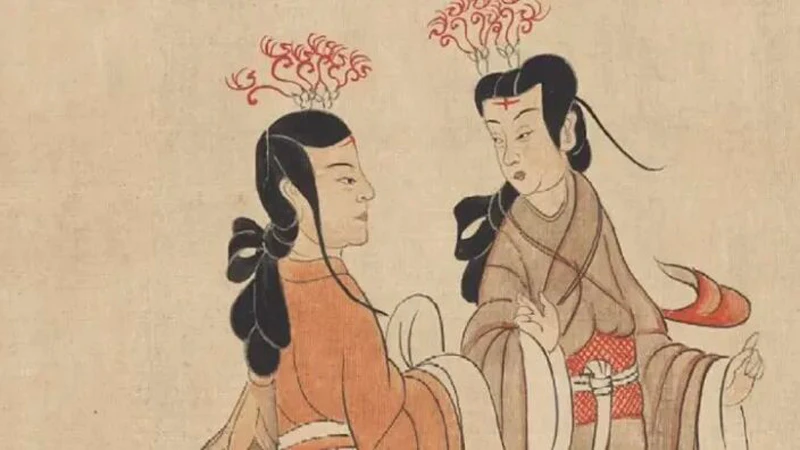
Far from being a mistake, these details were carefully rendered by artists of the time. In paintings, where other ornamental details might be simplified, the Fenshao is often depicted with a lively, dynamic touch. It gives the figure a sense of movement and airiness, a subtle rebellion against the formality of a fully bound hairstyle.
A Sign of the Times: The Wei-Jin Vibe
The prominence of the Fenshao during this era is not just a matter of random fashion. It coincides with a major transitional period in Chinese clothing and hairstyle history. The Wei-Jin period marked a shift from the low, draped buns of the Han dynasty to the towering, elaborate high buns that would become more common later. As hairstyles grew taller and more complex, the opportunities for these “stray” ends to appear also increased. In earlier, lower buns, the Fenshao was often just the natural end of the hair coil. But in the new, high-bun styles, it became a more noticeable and intentional feature. This was also an era of increased cultural exchange and a certain philosophical freedom, especially among the literati who valued naturalness and unrestrained expression.
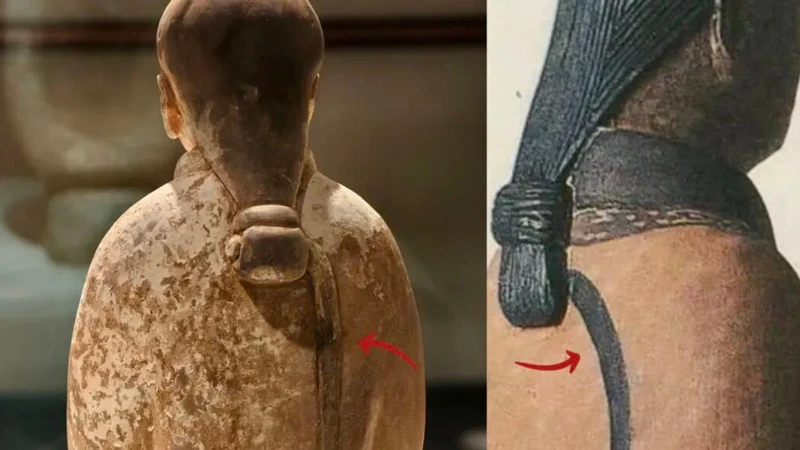
So, while a perfectly tidy bun symbolized a woman’s discipline and virtue, a carefully placed Fenshao could hint at a more spirited, natural, or even untamed beauty. It was a small but powerful detail that resonated with the era’s appreciation for individuality and a break from rigid convention.
The Fleeting Charm of “Messy” Beauty
This fashion for the “rebellious strand” was not permanent. As hairstyles continued to evolve into the dynasties that followed, they became more structured and elaborate, and the standard for feminine beauty shifted back towards perfect neatness. The playful, free-spirited Fenshao gradually disappeared, smoothed back into the strict lines of the bun. Its brief moment in the spotlight, however, left behind a legacy in art, reminding us that beauty standards are never static. They are a reflection of their time, capturing the spirit, philosophy, and even the small rebellions of an age.
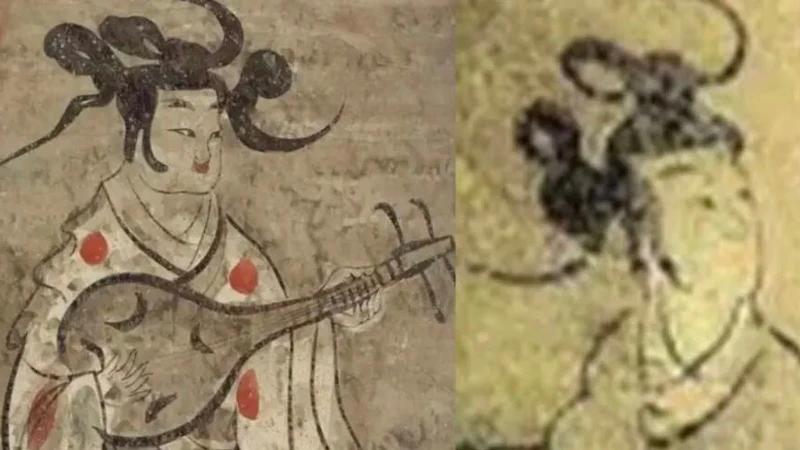
Looking at Lin Yun’s modern interpretation of these styles in The Road to Glory, we are not just seeing a costume drama’s attempt at historical accuracy. We are catching a glimpse of a moment when even a single, wayward strand of hair could tell a story about freedom, change, and the charming unpredictability of human expression. So, the next time you see those few “messy” hairs, you will know they are not a mistake, but a historical whisper from a time that dared to be a little different. Do you find this quirky detail charming, or do you prefer your period dramas perfectly coiffed?