Article
Search results:
-
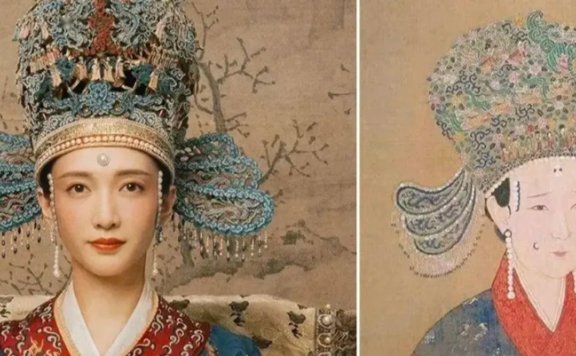
The Forbidden City's Pearls: Why Are They So Irregular and Unique?
Visitors to the Forbidden City often pause before display cases, puzzled by the pearls adorning ancient artifacts. These pearls are rarely perfectly round; many are oval, lumpy, or asymmetrical. This immediately conflicts with modern expectations, where flawless, spherical pearls symbolize luxury. The immediate assumption might be that historical artisans used inferior materials, but the truth is far more compelling. These irregular pearls are not evidence of poor quality but are artifacts of a different world—a time when pearls were gifts of nature, not products of controlled cultivation. Their shapes tell a story of rarity, historical technology, and aesthetic values that prized natural form over engineered perfection. This exploration seeks to answer the central question and redefine what we consider "valuable" in historical context. Wild Pearl Formation Every irregular pearl in the imperial collection began its life in the wild. Unlike today's farmed gems, historical pearls formed entirely by chance within mollusks like oysters and mussels. When a minute irritant, such as a sand grain, entered the shellfish, the creature's mantle tissue responded by secreting layers of nacre around it. This process, called biomineralization, had no guiding template or fixed nucleus. The nacre deposited unevenly over years, resulting in organic, baroque… -
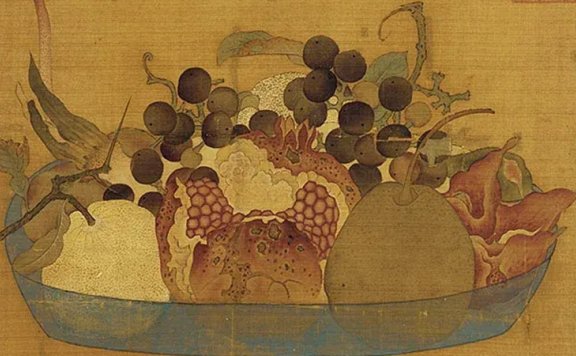
Did Ancient Chinese Emperors Crave Summer Fruits Like We Do?
Today, our globalized world delivers tropical delights to distant continents, making seasonal or geographic limitations seem like a quaint concept. But for most of human history, the contents of a fruit bowl were strictly governed by what the local land offered each season. The journey of fruit in ancient China is not merely a tale of agriculture, but a captivating story of imperial desire, technological ingenuity, and the slow, patient weaving of trade routes that connected empires. It reveals a world where a single peach was a token of friendship, a grapevine was a treasured import, and the taste of a fresh lychee was a luxury worth extraordinary cost. Peaches and Plums In the primal forests and along the riverbanks of ancient China, the first fruits were those provided by nature untamed. Early peoples were careful foragers, observing which berries and nuts animals ate before deeming them safe. The foundational fruits of Chinese civilization emerged from this period: the peach, the plum, the jujube (or Chinese date), and the apricot. These are the fruits immortalized in the Book of Songs (诗经), their flavors often tart or astringent compared to modern varieties. These native species held deep cultural significance. The phrase… -
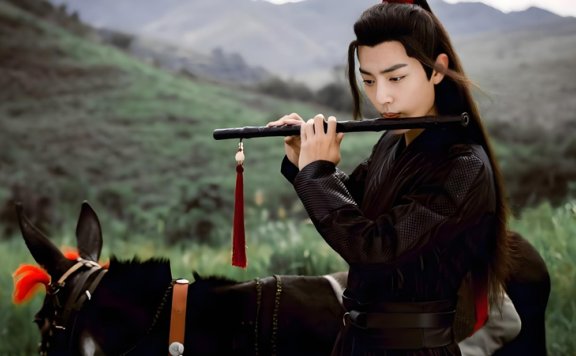
10 Actors Elevating Historical Drama Performances with Looks and Skills
Television screens glow with a particular kind of magic when a performer truly belongs in the past. The Gu Zhuang Ju (古装剧) hinges not just on ornate costumes, but on actors who wear history with innate grace. They move with a learned poise, their presence feeling both authentic and elevated, turning each scene into a living portrait. From the restrained intensity of one star in The Promise of Chang'an (长安诺) to the gentle resilience another brings to One and Only (周生如故), these artists do more than recite lines. They build worlds. Their performances bridge centuries, making ancient struggles and joys feel immediate, reminding viewers why these stories endure. Luo Yunxi (罗云熙) For actor Luo Yunxi, the historical role is an exercise in physical poetry. His presence is often described as possessing an otherworldly grace, a quality that turns costume into second skin and movement into narrative. This is not mere posture, but a complete fusion of actor and archetype, where every gesture carries intention. His performance in the series Whispers of Fate (水龙吟) marked a shift. Here, the elegant immortal was replaced by the grounded resolve of a Wuxia hero. He performed demanding fight sequences under arduous conditions, believing physical… -
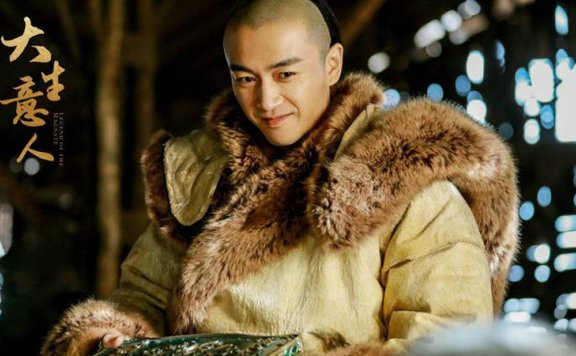
Standout Chinese Historical & Fantasy Dramas of 2025
The year 2025 promises a rich harvest for Chinese period and fantasy drama, offering audiences not just escape into the past, but deep immersion into meticulously constructed worlds. This season’s standout series move beyond generic palace intrigues or simplistic romances, instead grounding their narratives in the specific textures of commerce, magic, and forensic science. From the clink of silver in merchant guilds to the whisper of ancient spells and the silent testimony of a corpse, each story finds its power in granular detail and specialized domains. Legend of the Magnate (大生意人) Aired: 2025 Period Background: Late Qing Dynasty, Xianfeng (咸丰) reign onwards Genres: Historical, Business Saga, Drama Main Roles: Chen Xiao (as Gu Pingyuan), Sun Qian (as Chang Yu'er) Adapted from: Original script The late Qing Dynasty was a cauldron of upheaval. Gu Pingyuan (古平原), a scholar falsely accused in the imperial examinations, finds himself exiled to Ningguta (宁古塔), a remote penal colony. His journey, however, becomes a detour into a different kind of arena. A chance encounter with an old merchant, Chang Si (常四), ignites his latent acumen. Starting from the precarious margins of the salt and tea trades, he navigates a world governed not by Confucian classics but… -
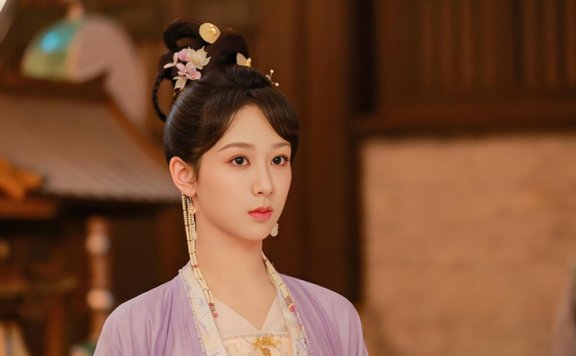
6 Must-Watch Dramas: Ancient China’s Hidden Worlds
While modern audiences often associate historical Chinese dramas with palace intrigues or fantastical romances, a new wave of storytelling is pushing into grittier, more specialized territories. These series are moving beyond familiar frameworks to examine specific institutions, professions, and social structures of the past, offering a fresh lens on history. They blend meticulous period detail with narrative tension, creating worlds that feel both authentically distant and compellingly immediate. The following six upcoming series exemplify this trend, each carving out a distinct niche within the broader historical and Xianxia landscape. Win or Die (夜不收) Win or Die shifts the focus from the Forbidden City's glittering halls to the wind-swept, perilous frontiers of the Ming Dynasty. This series delves into the world of military intelligence and covert operations during a fragile peace. Period Background: Ming Dynasty, during the Wanli (万历) reign. The setting is the tense border regions between Ming forces and the Oirat Mongols, a landscape of shifting alliances and latent conflict. Genres: Historical, Military, War, Espionage Main Roles: Jing Boran (井柏然) portrays Chen Guang (陈广), the stoic and capable commander of a "Win or Die" unit. Wu Xingjian (吴幸键) plays Qiao Sanyi (乔三一), his protege, tasked with a mission that… -
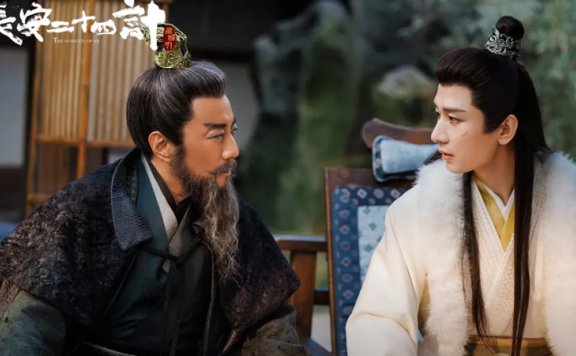
The Masterful Plot and Cast of The Vendetta of An
Can a historical drama thrive on cunning strategy and raw vengeance alone? The new series The Vendetta of An (长安二十四计) argues a resounding yes. Diverging from the romantic fantasies flooding the market, this show plants its flag firmly in the territory of high-stakes political intrigue and personal retribution. Its premiere has ignited fervent discussion, positioning it as a potential dark horse in the year-end lineup. The appeal lies not in lavish costumes or fantastical elements, but in a grounded, relentless narrative driven by complex characters portrayed by a formidable ensemble cast. It is a stark, compelling reminder of the power of a well-told story of revenge. A Cast of Calculated Performances The series' greatest strength is its collective acting prowess. Cheng Yi (成毅) shatters his previous youthful image to portray Xie Huai'an (谢淮安), a man transformed from a brilliant prodigy into a patient schemer burning with a ten-year-old grievance. His performance is a masterclass in restraint, where simmering rage and profound hurt are conveyed through a subdued gaze and measured delivery rather than overt outbursts. A line like "I cannot bear to see any of my enemies meet a good end" lands with chilling precision because of the quiet intensity… -
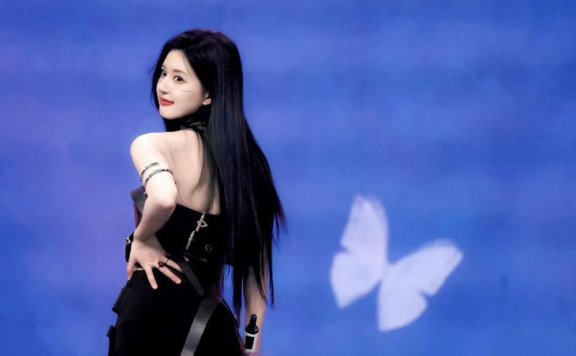
Zhao Lusi’s Move Signals Platform Strategy Shift
Major streaming platforms now act as primary patrons, directly shaping careers. Rumors swirl regarding actress Zhao Lusi (赵露思) aligning with Tiger Whale Entertainment, a move emblematic of a larger shift. These companies are no longer mere distributors; they are portfolio managers, treating artistic talent as strategic assets to be acquired and optimized. The relationship between creator and platform is being fundamentally rewritten, focusing on long-term value extraction over single projects. 1. Cost Efficiency Drives Star Contracts When a popular actress announced her new studio during a birthday celebration, thanking her new company, the camera panned to the founder of a prominent entertainment firm in the audience. This moment, swiftly amplified on social media, confirmed a significant shift within China's entertainment landscape. It symbolizes a growing trend where major streaming platforms are moving beyond mere content distribution to directly manage and contract top-performing talent. This strategic alignment between star and platform is redefining traditional artist-agency relationships, creating a new ecosystem built on integrated production, talent management, and financial efficiency. The implications extend far beyond a single celebrity's career move, pointing to a fundamental restructuring of how entertainment business is conducted. The Controlled Star The collaboration between actress Zhao Lusi and Alibaba's… -
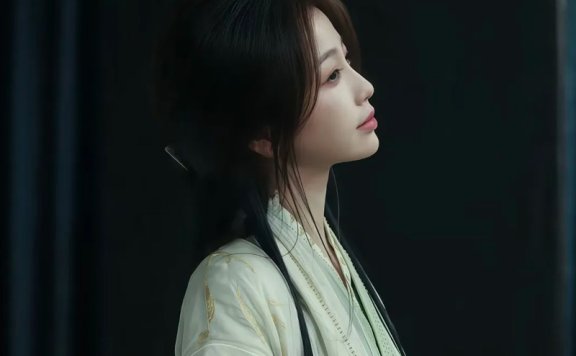
Yun Chu Ling: The Epic Revenge of Yun Chu in Imperial China
In the vibrant landscape of contemporary Chinese television, a new historical drama is capturing widespread attention. Yun Chu Ling (云初令), an adaptation of the novel by Chao Yunzi (朝云紫), weaves a captivating story of second chances and relentless vengeance. Helmed by director Zhu Ruibin (朱锐斌), the series features Yu Shuxin (虞书欣) in the lead role of Yun Chu, while speculation points to Zhang Yunlong (张云龙) as a potential co-star. Set in the intricate courts of imperial China, the plot revolves around a high-born woman who, after suffering a profound betrayal, is miraculously reborn to alter her fate. This narrative taps into the enduring appeal of redemption arcs, presenting a protagonist who evolves from a victim of circumstance to an architect of her own destiny. The anticipation surrounding this production stems not only from its promising cast but also from its engagement with themes of intelligence, strategy, and personal agency, offering a fresh take within the period drama genre. The Awakening Yun Chu's initial life was defined by misplaced trust and societal expectations. As the cherished daughter of a renowned military family, she entered a marriage that seemed ideal but concealed a dark reality. Her husband and his relatives systematically used… -

Why Zhang Yaqin’s Era-blending Outfit Divided the Internet
When actress Zhang Yaqin (张雅钦) recently appeared in a Hanfu ensemble, the internet divided. For some, it was an immediate callback to her role as Lu Yuan (陆鸢) in the time-travel drama An Ancient Love Song (古相思曲). For many others, the look missed the mark, feeling disjointed and overly busy. Why did this particular outfit, rich in historical references, fail to resonate? The answer lies not in a lack of beauty, but in a collision of eras. Her styling became a textbook case of how mixing distinct historical aesthetics without a unifying vision can create visual confusion, pulling the observer out of the immersive fantasy such clothing aims to build. Historical Harmony Lost The most striking issue is the temporal dissonance. Her hairstyle is a Shuang Huan Wang Xian Ji (双鬟望仙髻), a high, twin-loop style popular during the Wei, Jin, and Northern and Southern Dynasties, often seen in deity and court lady paintings. This ethereal look was complemented by dangling side locks, or Chui Shao (垂髾), enhancing the otherworldly vibe. However, the hairpins tell a different story. She wore two styles of Buyao (步摇), or step-shakers. One was a Western Han design, its dangling beads meant to sway gently with… -
The High-Stakes Conspiracy of The Vendetta of An
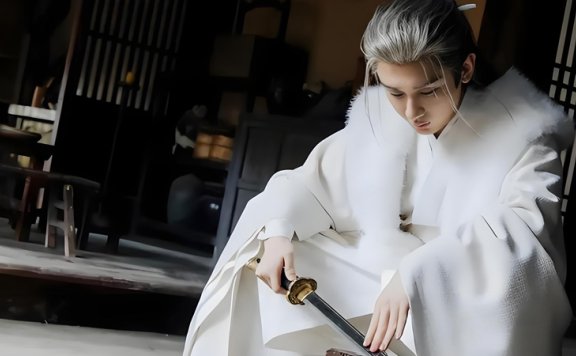
Forget everything you think you know about historical revenge tales. A new series has captivated audiences not with flashy special effects or simplistic heroes, but with a labyrinth of intellect where every character is playing a high-stakes game. If you've ever felt your intelligence was insulted by predictable plots, The Vendetta of An (长安二十四计) offers a different promise: a narrative that respects your ability to think. This isn't just a story about settling a score; it's a masterclass in psychological maneuvering set against the breathtaking backdrop of the Tang Dynasty capital. The Chessboard of Revenge The premise seems familiar at first glance. A scholar, Xie Huaian (谢淮安, played by Cheng Yi), returns to the capital a decade after his family's massacre, his hair turned white and his body frail. He seeks answers. Yet, to label this a simple revenge narrative is to mistake the pawn for the king. Within episodes, the scope explodes. The personal tragedy is merely the first thread pulled in a tapestry of political conspiracy that envelops the entire court. Emperor Xiao Wuyang (萧武阳) sees Xie Huaian as a potential weapon against a powerful general, Yan Fengshan (言凤山), whose military success has made him a threat. The… -
How a 7,000-Year-Old Lacquer Craft Defines Chinese Art and Identity
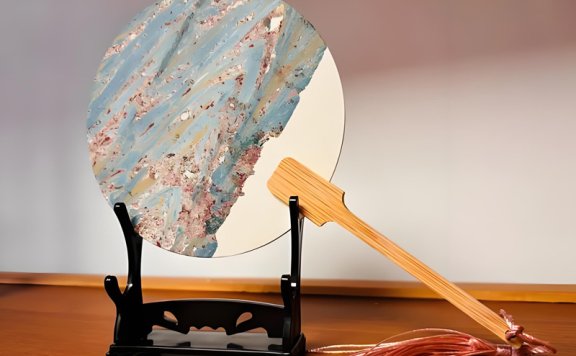
The story begins with a single tree, the Toxicodendron vernicifluum, and the precious sap it weeps. For millennia, this substance, known as Daqi (大漆), has been far more than a simple material; it is a flowing chronicle of Chinese civilization itself. Its deep, luminous sheen has reflected the faces of emperors and artisans, captured the ethos of philosophical schools, and preserved the artistic ambitions of countless dynasties. From the tombs of ancient kings to modern studios, the journey of lacquer is a testament to enduring beauty and resilience, a slow art in a fast world that continues to whisper secrets from the distant past. A Material History Archaeology provides the first chapter. At the Kuahuqiao (跨湖桥) site, a lacquered bow, silent for roughly 8,000 years, speaks of a Neolithic discovery. This artifact stands as the earliest known evidence of humanity's relationship with this transformative sap. Not long after, at Hemudu (河姆渡), a wooden bowl coated with a startling vermillion hue confirms that early communities had already mastered basic color application. These were not mere utilitarian objects; they were the first experiments in a medium that would come to define luxury and spiritual expression. By the Shang and Zhou dynasties, lacquer… -
How Did a Humble Riding Jacket Become the Runway Star of the Ming Dynasty?
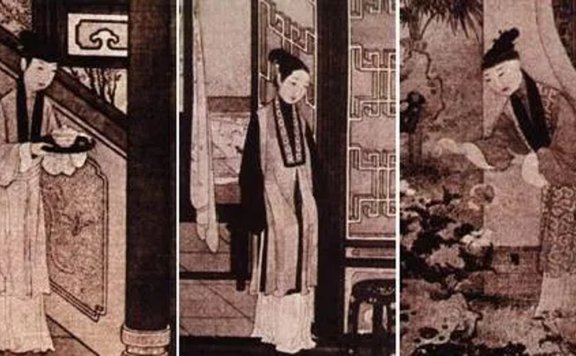
Imagine a garment so versatile it bridged the gap between the dusty plains and the gilded halls of imperial palaces. This was the journey of the Bijia (比甲), a sleeveless jacket that evolved from a Mongol practical essential into a defining icon of Ming Dynasty fashion. Its story is not merely one of changing hemlines and fabrics, but a fascinating reflection of cultural exchange, social mobility, and aesthetic innovation. By tracing its path, we uncover how clothing can transcend its original purpose to become a canvas for identity and artistry. Saddle to Street The Bijia's origin is rooted in utility. Designed during the Yuan Dynasty under Empress Chabi (察必) of the Khongirad tribe, its primary function was to facilitate riding and archery. The classic design featured a front opening secured by ties, no sleeves or collar, and a back panel longer than the front. This ingenious cut protected the rider's core from wind while allowing complete freedom of movement for the arms. Initially, it was apparel for the steppe and the aristocracy, a common sight in the Yuan court but rare among the general populace. Following the Yuan-Ming transition, one might have expected this distinctly Mongol garment to fade. Instead,… -
Zhang Yuxi’s Ocean-Inspired Gown Reshapes Bridal Fashion
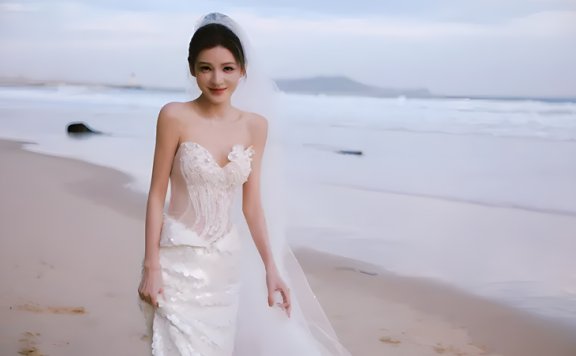
A recent photoshoot featuring actress Zhang Yuxi (张予曦) has captivated social media, not for a new drama role, but for a breathtaking interpretation of bridal wear. Set against the backdrop of a windswept beach, the images present her not merely as a bride, but as a mythical figure emerging from the sea itself. The series transcends conventional wedding photography, framing a narrative where fashion, nature, and personal expression converge into a single, powerful visual statement. This isn't just a dress photographed near the ocean; it is a gown conceptually born from it, challenging traditional notions of bridal sanctity with a wave of liquid romance and effortless grace. The Gown as Art At the heart of this spectacle is the dress itself, a masterclass in thematic design. The sweetheart neckline bodice, embroidered with pearls and delicate feather-like motifs, catches the light with a subtle, shimmering effect. This careful embellishment creates the illusion of sunlight dancing on water, a direct translation of the ocean's sparkle into wearable art. The fabric appears alive, its texture and details meticulously crafted to echo the natural environment surrounding her. The silhouette is a defining feature. A fitted mermaid cut flares into a cascading train of layered… -
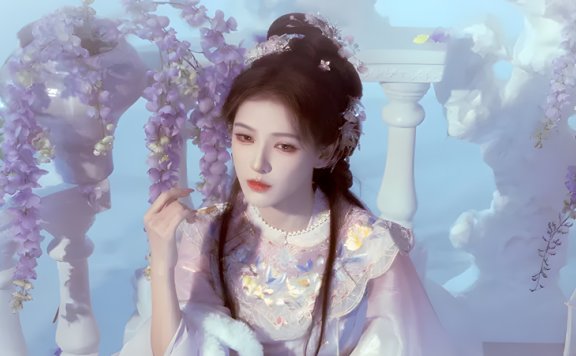
Zhang Yuxi’s Fusion of East and West Aesthetics
The image stopped countless scrolling fingers mid-motion. There, bathed in the ethereal lavender haze of blooming wisteria, stood actress Zhang Yuxi (张予曦), transformed. At 34, she was not merely wearing a costume but embodying a vision, a seamless blend of person, place, and tradition. Her photoshoot, set against the unexpected backdrop of European-style architecture draped with cascading purple flowers, became an overnight sensation. It was more than a celebrity fashion spread; it was a statement. This moment captured a powerful contemporary dialogue between a modern Chinese woman and an ancient sartorial art form, suggesting that true elegance is not bound by era or age, but is a living, breathing continuum. A Portrait in Violet The genius of the look lies in its meticulous harmony. Zhang Yuxi's Hanfu is a soft symphony in powdered lavender and plum, its delicate embroidery tracing floral patterns that seem to echo the living wisteria around her. The ensemble avoids ostentatious grandeur, opting instead for a refined, almost poetic grace. A pivotal detail is the outer robe, trimmed with a subtle, downy fringe. This touch adds a tangible texture and depth, preventing the flowing silks from appearing flat, and introduces a whisper of delicate luxury. Every… -
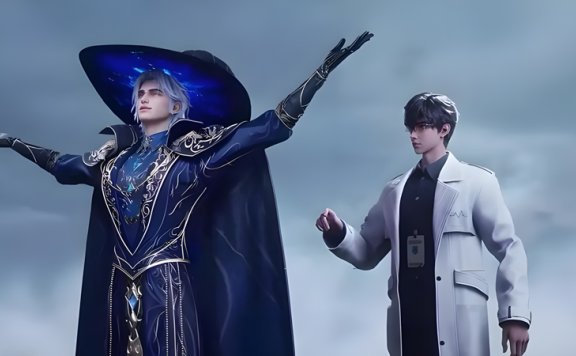
Who Has the Most Powerful Backup in Chinese Animation?
In the sprawling worlds of Chinese animation, a hero's own strength is only part of the story. Often, the true measure of power lies not in the protagonist's fist, but in the formidable allies standing behind him. These connections form an invisible shield and an unstoppable spear, turning seemingly ordinary youths into figures who can defy heavens and rewrite destinies. From ancient deities to peerless mentors, these backers are the ultimate cheat code, ensuring that when the hero calls, even gods must step aside. This exploration dives into the stories of five characters whose support systems are nothing short of legendary. 1. Lin Qiye's Divine Network Lin Qiye (林七夜), the protagonist of Slay the Gods (斩神之凡尘神域), operates with a safety net woven from the fabric of multiple mythologies. His connections read like a cosmic who's who. His younger brother is the formidable Erlang Shen (二郎神), Yang Jian (杨戬). His mother is the primordial Nyx, the Greek Goddess of Night. The legendary wizard Merlin acts as both his teacher and friend. His closest comrade-in-arms is revealed to be the Lingbao Tianzun (灵宝天尊), a supreme Daoist deity. His network extends further. He shares deep bonds with the Victorious Fighting Buddha, Sun Wukong… -
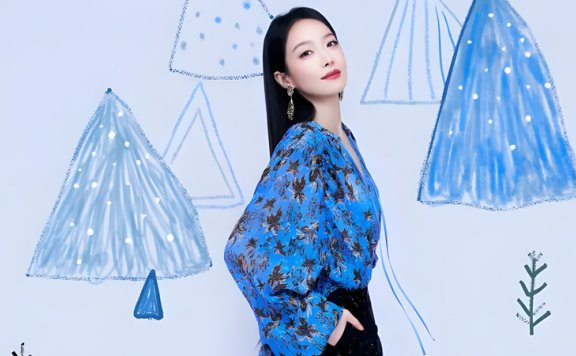
What Makes Song Qian's Bold Blue-and-Black Look So Electrifying?
A recent public appearance by singer and actress Song Qian (宋茜) has set fashion forums ablaze. Her outfit, a masterclass in confident color blocking, immediately commands attention. It’s a look that doesn’t just walk into a room—it announces its arrival. By pairing a vibrant, patterned blouse with a sleek, minimalist skirt, she achieves a balance that feels both daring and perfectly controlled. This ensemble transcends a simple style choice; it represents a deliberate fashion statement from an artist known for her sartorial intelligence. Deconstructing the Top The foundation of the look is the sapphire-blue floral blouse. This isn't a shy pastel, but a rich, jewel-toned piece that makes a powerful first impression. The print adds a layer of complexity, preventing the solid color from feeling overwhelming. A deep V-neckline introduces a hint of allure, skillfully balanced by the shirt's overall structure. This detail draws the eye while maintaining an air of sophistication. Further elevating the top are its thoughtful design elements. Gently gathered sleeves create a soft, blousoned effect that contrasts with the sharpness of the short skirt. This subtle volume adds movement and a touch of romance to the silhouette. A delicate drawstring at the neck or waist allows… -
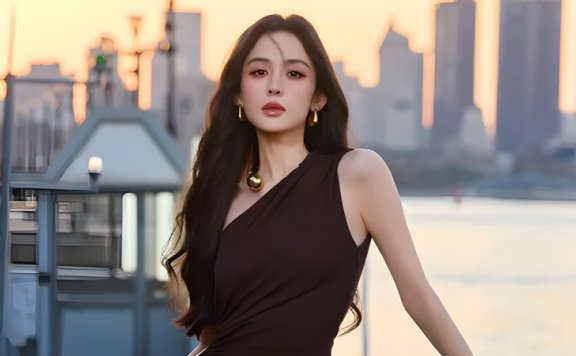
Nazha’s Chocolate Gown Against the Twilight Riverside Canvas
What happens when fashion becomes a language of its own, speaking through silhouette, light, and landscape? A recent series of photographs featuring actress Nazha (娜扎) offers a compelling answer. Captured against the backdrop of a dusk riverside, she is dressed in a deep chocolate brown, one-shoulder gown. The images transcend mere celebrity photography, resembling carefully composed painterly frames where human form and environment engage in a silent, elegant dialogue. This is not just a display of attire but a statement on modern elegance, where subtlety and precision create an impact far greater than overt spectacle. A Dusk Canvas The location is as crucial as the attire. The fading golden hour light by the river provides a soft, diffuse glow that naturally enhances the rich, chocolate hue of the gown. This warm, natural spotlight illuminates Nazha's complexion and adds a layer of cinematic depth to the scene. The water's surface, reflecting the twilight sky, creates a serene and expansive canvas, making the figure appear both grounded and ethereal. The choice of this setting demonstrates a sophisticated understanding of how environment frames fashion, transforming a photoshoot into a narrative moment suspended in time. The gown itself is a masterpiece of understated design.… -
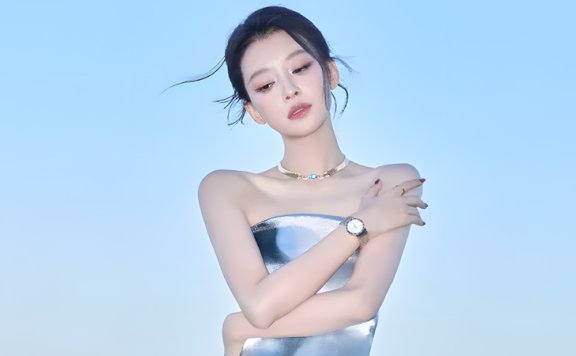
How a Silver-Blue Gown by the Sea Reshape a Star's Image
The shoreline is a photographer's favorite canvas, but it is rare for an actress to become one with its nocturnal poetry so completely. In a recent photoshoot, Sun Yi (孙怡) achieved this, wearing a gown that seemed spun from moonlight and sea foam. The images captured more than a beautiful woman in a beautiful dress; they framed a moment of stylistic alchemy. This was not merely a fashion choice, but a deliberate step in a public evolution, where fabric, light, and persona fused to create an iconography far removed from her earlier public identity. The Dress as Character The centerpiece was a metallic silver-blue gown, a garment that acted as both armor and allure. Its cold, sleek satin reflected light like shifting water, changing hue with every subtle movement. The strapless neckline presented a sculptural quality, framing Sun Yi's shoulders and collarbone with elegant severity. This was not a dress meant for frivolity; it carried a narrative weight, reminiscent of a celestial being or a noble figure from a Wuxia epic, dignified and untouchable. Its architecture was masterful. A fitted bodice and high waist accentuated her slender frame, while the skirt flared into a soft A-line silhouette. This classic shape… -
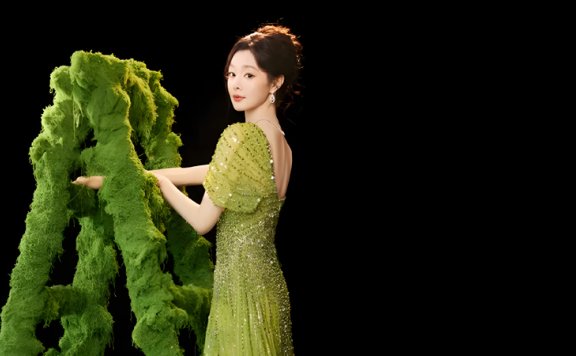
Has Song Yi Become Our Generation's Ethereal Style Muse?
The recent appearance of actress Song Yi (宋轶) has once again set the internet ablaze, not merely for its beauty but for its conceptual depth. Stepping out in a gown that seemed spun from twilight itself, she transformed a red carpet into an enchanted glade. This was not just fashion; it was a narrative of metamorphosis, a visual poem that resonated deeply with an audience yearning for elegance intertwined with a touch of wild, natural mystery. Her journey from a recognizable face to a bona fide style icon speaks to a deliberate and fascinating evolution, making her current "forest spirit" moment a pivotal chapter worth examining. The Gown The dress itself was a masterclass in subtle artistry. A gradient flowed from the palest leaf-green to a deep, mossy yellow-green, mimicking the dappled light of a dense forest. Thousands of minute sequins were scattered across the fabric like dewdrops catching the first morning sun or fireflies at dusk. The design's brilliance lay in its controlled revelation: a single shoulder strap and an open back highlighted her delicate frame, while a high slit introduced a dynamic, graceful movement with every step. Critically, the styling embraced restraint. Her hair was swept into a… -
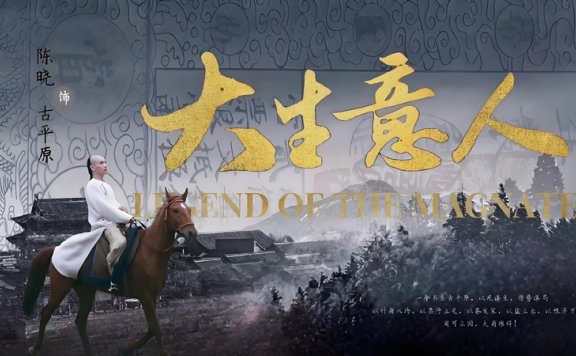
The Paternal Guides and Heartfelt Bonds in Legend of the Magnate
Historical dramas often weave ambition and fate into grand tapestries, but few threads are as startling as the one followed by Gu Pingyuan (古平原). His story begins not in a mansion but in despair, a scholar whose path to imperial examination glory was shattered in an instant. A single act of spilled ink rerouted his destiny from scholar to exile, casting him into the remote harshness of Ninggu Pagoda (宁古塔). What defines Gu is not the fall, but the arduous climb back. Survival in exile required a different kind of cunning. The classical texts in his mind gradually made room for the calculus of the marketplace. His journey from the frozen frontier to the pinnacle of the Qing dynasty's commercial world is a relentless pursuit of both justice and prosperity, a quest to unravel the conspiracy that upended his life. The television adaptation, Legend of the Magnate (大生意人), has rapidly captivated audiences. While praised for its scale and emotional pull, viewers note a familiar echo. Gu Pingyuan's remarkable blend of scholarly wit, martial prowess, and disruptive commercial savvy feels less like a historical figure and more like a direct descendant of a modern archetype. The comparison is inevitable: here stands…