
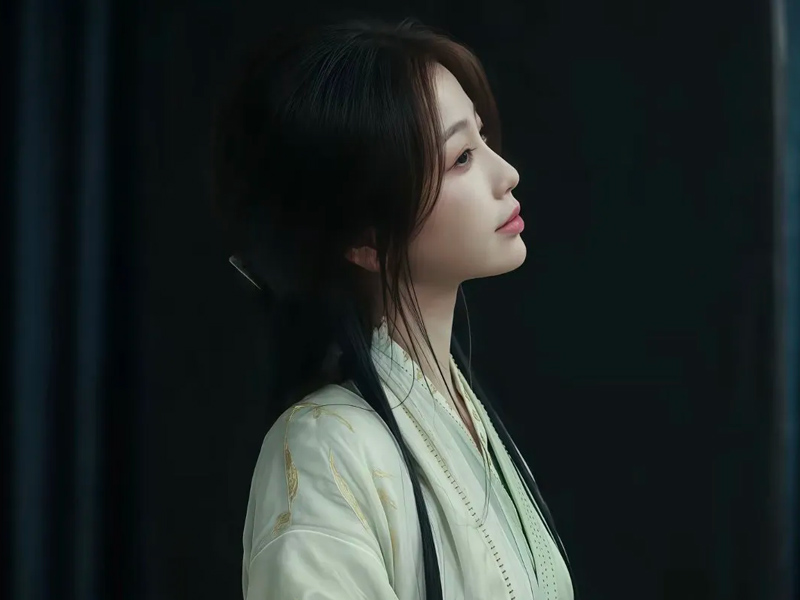
In the vibrant landscape of contemporary Chinese television, a new historical drama is capturing widespread attention. Yun Chu Ling (云初令), an adaptation of the novel by Chao Yunzi (朝云紫), weaves a captivating story of second chances and relentless vengeance. Helmed by director Zhu Ruibin (朱锐斌), the series features Yu Shuxin (虞书欣) in the lead role of Yun Chu, while speculation points to Zhang Yunlong (张云龙) as a potential co-star. Set in the intricate courts of imperial China, the plot revolves around a high-born woman who, after suffering a profound betrayal, is miraculously reborn to alter her fate.
This narrative taps into the enduring appeal of redemption arcs, presenting a protagonist who evolves from a victim of circumstance to an architect of her own destiny. The anticipation surrounding this production stems not only from its promising cast but also from its engagement with themes of intelligence, strategy, and personal agency, offering a fresh take within the period drama genre.
The Awakening
Yun Chu's initial life was defined by misplaced trust and societal expectations. As the cherished daughter of a renowned military family, she entered a marriage that seemed ideal but concealed a dark reality. Her husband and his relatives systematically used her social standing and wealth for their advancement, all while planning her demise to replace her with another. Her death, orchestrated by those closest to her, left a legacy of bitterness. Lingering as a spirit, she observed the consequences: her husband's swift remarriage, the mistreatment of her child, and the gradual ruin of her once-proud family.

Returning to a critical juncture in her youth, Yun Chu experiences a radical shift in perspective. The gentle, compliant woman of the past vanishes, replaced by a determined strategist armed with foreknowledge. Her mission is singular and clear: to make every perpetrator face the repercussions of their actions. This new resolve guides her every move, transforming her from a passive figure into an active force within her world.
Utilizing her awareness of future events, she methodically reclaims control. The first step involves securing her financial independence by taking back her dowry, properties, and commercial assets that were unlawfully taken. This strategic move destabilizes the economic foundation of her adversaries, stripping them of their ill-gotten gains and reducing their influence. Her actions are precise, targeting the vulnerabilities she remembers from her previous life.
Beyond economic maneuvers, she engages in a campaign of social dismantling. She carefully orchestrates situations that reveal her husband's infidelity and the malicious nature of his mistress. By exposing their hypocrisy and deceit, she turns society's judgment against them, ensuring their reputations are shattered. This public downfall is a key part of her retribution, serving as poetic justice for the private suffering she endured.
Concurrently, she focuses on shielding her birth family from the calamities that befell them before. Her interventions prevent the chain of events that led to their decline, demonstrating her growth from a liability to a protector. This protective stance reinforces her role as a pillar of her clan, challenging the narrative that women are merely pawns in familial politics. Her journey is as much about safeguarding loved ones as it is about punishing enemies.
The Partnership
Yun Chu's solitary path of vengeance eventually converges with the ambitions of Chu Yi (楚翊), a prince who deliberately remains in the shadows. Their meeting is fortuitous yet logical, as each possesses what the other needs: her insider knowledge and his political positioning. Chu Yi, a character rumored to be portrayed by Zhang Yunlong, offers a counterbalance to Yun Chu's directness with his calculated and observant demeanor.
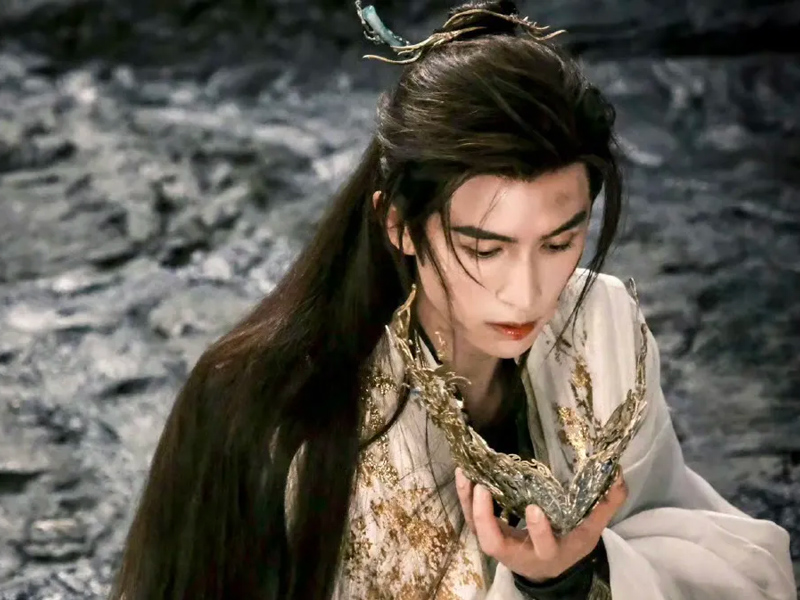
This alliance quickly proves its worth as they confront larger threats to the empire's stability. Yun Chu's unique insights, drawn from her past-life experiences, allow them to anticipate and neutralize plots that others cannot see. Together, they address rebellions and court intrigues, expanding the scope of the story from personal vendetta to national significance. Their cooperation signifies a blend of individual goals with collective security.
The dynamic between them gradually deepens, moving from a tactical agreement to a bond of mutual respect and affection. This emotional layer provides a contrast to the prevailing themes of cunning and retaliation, introducing elements of trust and vulnerability. Their relationship becomes a sanctuary from the relentless scheming, highlighting the human need for connection even amidst turmoil.

As they navigate shared challenges, their combined strengths lead to significant achievements. Yun Chu gains not only the satisfaction of seeing her oppressors fall but also earns a respected position in her own right. The narrative thus completes her arc from powerlessness to authority, illustrating how personal transformation can influence broader circles. Their partnership stands as a testament to the power of collaborative resilience.
The imperial court, with its factions and power struggles, mirrors Yun Chu's internal battles. Chu Yi's involvement anchors the story in these political realities, making their personal victories part of a larger historical tapestry. This integration ensures that the drama remains multifaceted, appealing to viewers interested in both character-driven stories and grand historical narratives. The culmination of their efforts promises a resolution that honors both justice and emotional fulfillment.