Article
Search results:
-
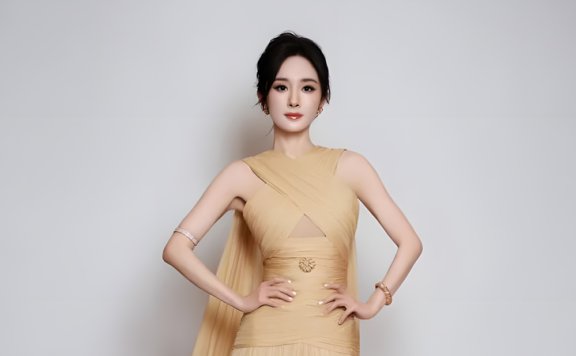
Is This Yang Mi's Most Powerful Red Carpet Look Yet?
The recent appearance of actress Yang Mi (杨幂) in a champagne gold gown did more than turn heads; it set a new standard for red carpet elegance. At an event in Beijing, the star’s choice of attire became an instant internet sensation, dissected by fashion critics and fans alike. This wasn't merely a dress; it was a masterclass in sartorial power and refined grace. The gown’s ingenious single-shoulder crossover design framed her collarbone and shoulders, creating a silhouette that was both strong and feminine. A subtle cut-out at the waist offered a hint of allure without overshadowing the outfit's dignified core. The true showstopper was the flowing, translucent train. With every step, it moved like liquid metal, catching the light and creating a mesmerizing trail of soft brilliance. Attention to detail elevated the look from beautiful to iconic. The fabric’s delicate pleats resembled crushed gold leaf, shimmering under the event lights. A single, sculptural metal clasp at the waist served as a perfect focal point, adding structural interest. Her styling choices—a sleek updo and minimalist jewelry in the same metallic hue—demonstrated a mature understanding of balance. The result was a powerful synergy: the dress amplified her presence, and her poised… -
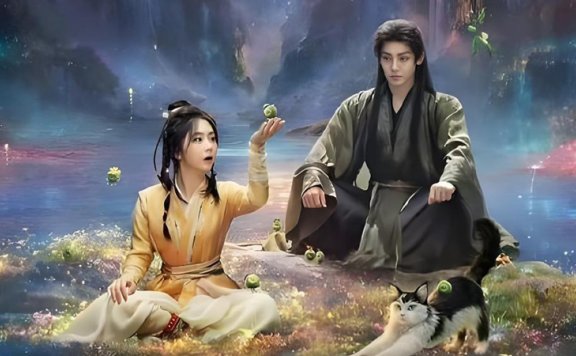
The Dark Journey of Bing Zhu in The Unclouded Soul
Why does a demon slayer who lost his sister to human betrayal only hunt monsters? The hit drama The Unclouded Soul (逍遥) follows the relentless demon exterminator Bing Zhu (秉烛), whose bloodthirsty blade is bound to the soul of his dead sister. When villagers sacrificed her to a tree demon, his world shattered. Yet he directs all his fury toward demons, not the humans who enabled the tragedy. This paradox lies at the heart of his character, a burning fuse leading back to a past he cannot escape. The Shattered Dream Once, Bing Zhu and his sister Tan'er (昙儿) shared a simple dream. He trained diligently to clear their family name and rejoin the military. She scrimped and saved to buy him a proper weapon, their hopes pinned on a future where he would become a general and give her a good life. Their poverty made them vulnerable. After finally saving enough for his sword, cruel village elders seized their coins for a tribute to the local Huai Shu Yao (槐树妖, tree demon). Without a weapon, he could not enlist. Desperate to help him, Tan'er made the ultimate sacrifice. She offered herself as a bride to the tree demon in… -
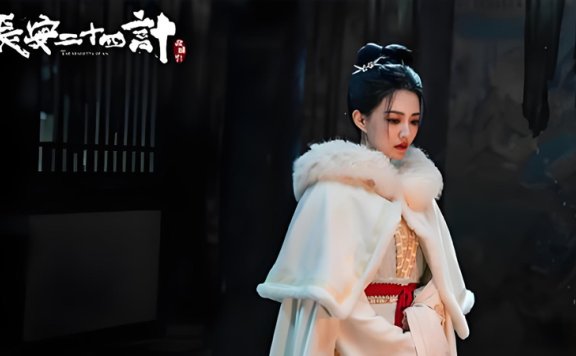
The Vendetta of An: Bai Wan Dies in Yan Fengshan's Trap
In a haunting climax beneath a rainy sky, a blade meant for a traitor pierces instead the heart of an innocent. This is the devastating moment Xie Huai'an’s (谢淮安) fifteen-year quest for vengeance collapses, revealing itself as the ultimate trap. His sister, Bai Wan (白莞), falls before him, a victim of his own hand and a design more cunning than he ever imagined. The man he sought to destroy, Yan Fengshan (言凤山), watches from the shadows—not as the architect of this tragedy, but as another piece on a larger, darker board. This pivotal scene from the drama The Vendetta of An (长安二十四计) shatters the simple narrative of revenge, pulling viewers into a complex labyrinth where every motive is suspect and every ally a potential enemy. The Puppet Master Xie Huai'an believed his path was clear: find Yan Fengshan and make him pay for the annihilation of his family. Each step, from gathering allies to eliminating Yan’s associates like Pu Nichuan (蒲逆川) and the figure known only as Qingyi (青衣), felt like righteous progress. He moved with the certainty of a man wronged, dismantling his enemy’s power piece by piece. His white hair, a symbol of the years consumed by this… -
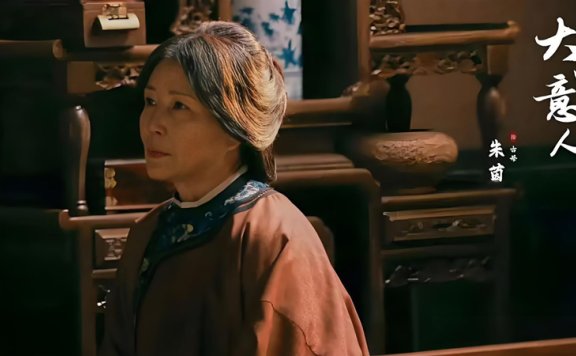
Legend of the Magnate Finale: Li Wantang Falls and Allies Emerge
A truth long buried finally surges to the surface. In the mercantile world of late Qing dynasty, a hidden patriarch sees his meticulously crafted empire begin to fracture. The schemes designed to control destinies, even those of his own blood, unravel under an unexpected light. Li Wantang (李万堂), a titan of commerce, secretly orchestrated the official rehabilitation of Gu Pingyuan (古平原). His aim was twofold: to remove a formidable rival from his son Li Qin's (李钦) path in the salt trade and to publicly absolve himself of past familial neglect. He believed this act of patronage, following a recommendation by Viceroy Ruilin (瑞麟), was a masterstroke. His plan hinged on anonymity. However, in a dramatic confrontation, Gu Pingyuan's mother publicly identified Li Wantang. The viceroy's recommendation was revealed as part of a larger trap. The patriarch stood exposed, his machinations laid bare before all. With Li Wantang's influence broken, the landscape shifts. Recognizing Gu Pingyuan's superior acumen, Li Qin concedes defeat and proposes an alliance. Meanwhile, Su Zixuan (苏紫轩), a key figure caught in the crosscurrents, departs, leaving the future of these entangled fates uncertain. 1. The Web of Silk and Ledgers In the bustling port cities of the late… -
Wang Junkai’s Backlash: The Cost of Artistic Credibility
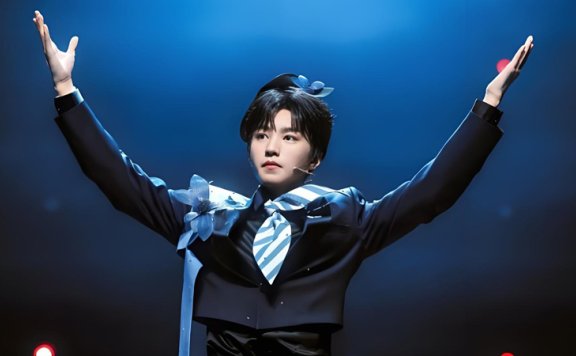
The recent online discussion surrounding Wang Junkai (王俊凯) points to a deeper change within China's entertainment landscape. It highlights the unspoken contract in the idol economy. Fans invest emotion and support, expecting a certain kind of engagement in return. When a public figure begins prioritizing long-term craft over immediate fan service, this contract is tested. What some call a backlash is perhaps a natural recalibration. The path from a popular star to a dedicated professional involves a mutual, often silent, selection process between the artist and their audience. 1. The Fractured Contract Between Wang Junkai and His Fans The digital sphere hums with a peculiar energy when two stars from seemingly distant constellations briefly align. A short video, a playful exchange, a moment of unguarded camaraderie—such fragments are often consumed as light entertainment. Yet beneath the surface of these curated glimpses, complex currents of expectation, investment, and identity silently churn. For the dedicated observer, these moments are rarely just fun; they are data points, signals to be decoded, reflecting the evolving contract between public figures and those who support them. When Wang Junkai, an artist navigating the precarious path from idol to actor, engages with Olympic champion Quan Hongchan (全红婵)… -
Throne of Seal: Xingmo Shen’s Fall and Fateful Reckoning
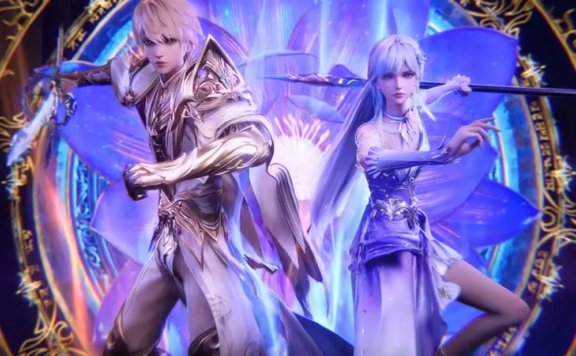
The cosmic dust had barely settled. Within the shattered remnants of the Xingyu (星域, Star Domain), the once-invincible Star Demon God Xingmo Shen (星魔神) lay vanquished. For protagonists Long Haochen (龙皓晨) and Sheng Cai'er (圣采儿), this victory was forged at a tremendous cost, a testament to their unbreakable bond and the last-minute intervention of a legendary hero. Yet, there is no time for respite. The echo of the fallen god's final act—a desperate sacrifice to his master—has already triggered a more immediate and personal catastrophe. Even as the couple stands amidst fading starlight, a new and brutal battle for survival erupts elsewhere, drawing Long Haochen toward a long-awaited, hate-fueled reckoning with his greatest nemesis. The Fall of a God Vashak, the Star Demon God, orchestrated a devastating trap. Using the Celestial Fate Disc Xingchen Mingpan (星辰命盘), he manipulated the fates of countless human warriors, drawing them into a lethal arena. His alliance with A Bao (阿宝), son of the Demon Emperor, was meant to be a final solution. Long Haochen and Sheng Cai'er fought through this nightmare, breaking the disc's power through sacrifice and a soul-deep connection. But Vashak, cornered and desperate, made an ultimate gamble. He allowed A Bao… -
Song of the Blade Episode 14: Choice of Self and Homeland
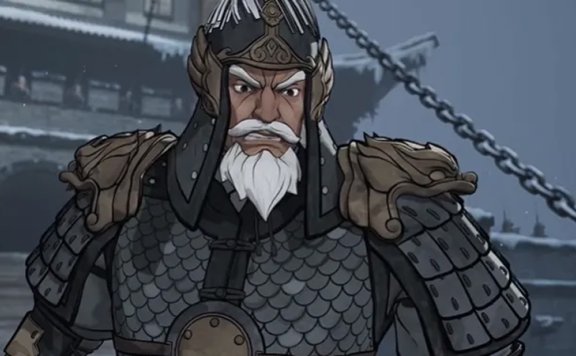
What happens when the blade meant for revenge must be turned against a foreign invader? The acclaimed animated series Song of the Blade (枕刀歌) confronts this question in its latest season, reaching a narrative crescendo in its fourteenth episode. This installment masterfully pivots from a tale of personal vengeance into a grand saga of national defense, forcing its characters to define loyalty in the face of war. The Traitor's Logic The episode unveils Zhao Xi (赵喜) as the mastermind, a man whose actions present a chilling case study in betrayal. His crimes are manifold: orchestrating the massacre of the Jiang family, later selling military secrets of Baguacheng (八卦城) to the foreign Yugu (玉骨) tribe, and manipulating General Wang Lang's grief. His justification is a twisted form of pragmatism, claiming to have "seen reality" and chosen the winning side. To him, personal survival and gain outweigh the sovereignty of his homeland and the lives of his countrymen. Zhao Xi represents a corrosive ideology where self-interest is disguised as wisdom. His "generous speeches" are attempts to reframe treachery as a logical choice, arguing that resistance against a powerful enemy is futile. This rationalization exposes the core of his betrayal: a complete divorce… -
Inside the Brutal World of The Vendetta of An
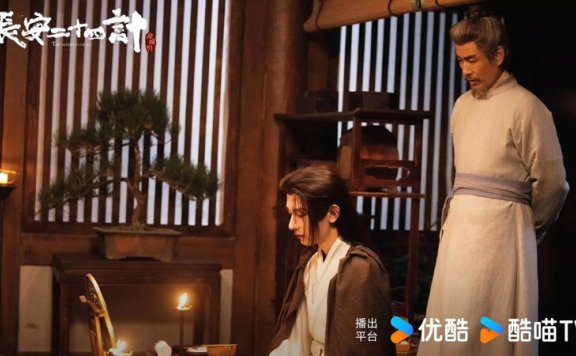
In the shadowy, politically fractured world of The Vendetta of An (长安二十四计), revenge is not a destination but a corrosive journey. It begins with a simple, brutal equation: a life for a life. The series follows Xie Huai'an (谢淮安), a man whose entire existence was forged in the ashes of his family's massacre. For fifteen years, he has nurtured a single, all-consuming purpose: to make the perpetrators pay in exact measure. The initial thrill is visceral—watching him outmaneuver powerful enemies delivers a sharp, satisfying jolt. Yet, as the plot deepens, a profound unease settles in. Each calculated move toward vengeance seems to strip away another piece of his humanity, leaving viewers to wonder if the cost of the hunt will ultimately eclipse the crime itself. The Calculated Strike Xie Huai'an’s campaign is a masterclass in psychological warfare. His target is not just the man who wielded the sword, Yan Fengshan (言凤山), but the very foundation of his power and peace. The plan is meticulous, turning every minor interaction into a potential trap. In one early gambit, he uses the seemingly mundane task of sorting garbage within the military district to plant false clues. His opponent, the shrewd strategist Wang Pu… -
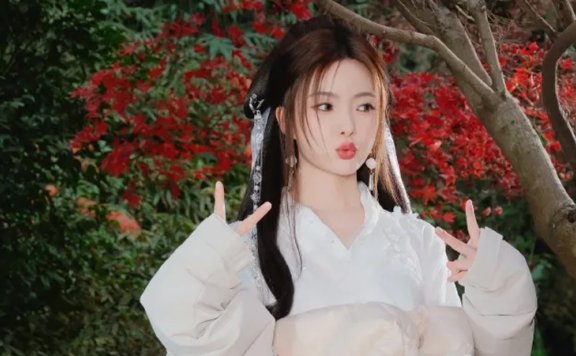
Chen Zhuoxuan’s Viral Classical Aesthetic Shoot
A recent photoshoot featuring singer and actress Chen Zhuoxuan (陈卓璇) has ignited social media, presenting a breathtaking interpretation of traditional Chinese aesthetics. Against a backdrop of crimson maple leaves, she stands as a vision from an ancient painting, embodying a contemporary ideal of classical grace. The images transcend a mere fashion statement, capturing a specific and resonant mood—a delicate, almost melancholic beauty that feels both timeless and strikingly immediate. The Art of the Ensemble Chen’s power lies in the precise harmony of every element. Her Hanfu is a study in ethereal simplicity: a robe of plain white sheer silk. The wide sleeves and crossed collar design speak to historical silhouettes, while the lightweight fabric of the skirt moves with a whisper. This stark, luminous white creates a vivid contrast with the warm, fiery background, making her figure appear both present and detached, as if illuminated by moonlight. Accessories are minimal yet potent. A silver hairpin and pearl earrings provide subtle gleam without ostentation. The true focal point is the round fan, or Tuan Shan (团扇), she holds. Painted with delicate floral patterns, it becomes an extension of her expression. Combined with her composed, subtly distant gaze, the fan completes a… -
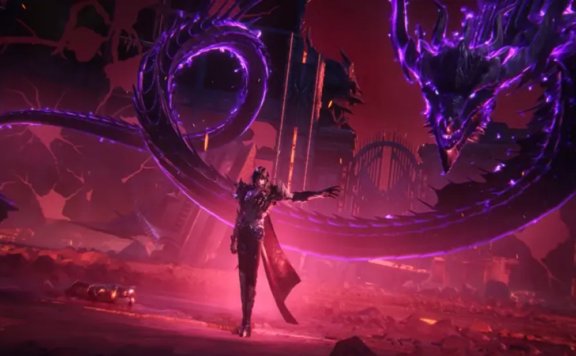
Throne of Seal: The Fateful Duel Between Long Haochen and A Bao
A desperate arena where survival is a cursed prize, a fallen prince consumed by vengeance, and a hero’s return that could change everything. In the world of Xuanhuan (玄幻) fantasy, the drama Throne of Seal (神印王座) builds toward a shattering climax. At its heart is a conflict that transcends a simple battle between good and evil. It is a personal crusade for Long Haochen (龙皓晨), the Child of Light, and a final, mad gambit for A Bao (阿宝), the Demon Emperor's heir. Their upcoming confrontation is not just about strength; it is a judgment on cruelty and a last stand for countless innocent lives caught in a scheme they never chose. A Twisted Arena: The Slaughter Purgatory A Bao's descent is now complete. Once the proud crown prince of the demon race, his defeat at Long Haochen's hands in the Paradise of Dreams festered into an obsession. This fixation has warped his sense of duty, driving him to orchestrate ever more brutal schemes. His latest creation is the Slaughter Purgatory, a nightmarish upgrade of the previous Star Domain Death Arena. Fueled by the sacrificial power of the deceased Star Demon God, Wasack, this space operates on one monstrous rule: only… -
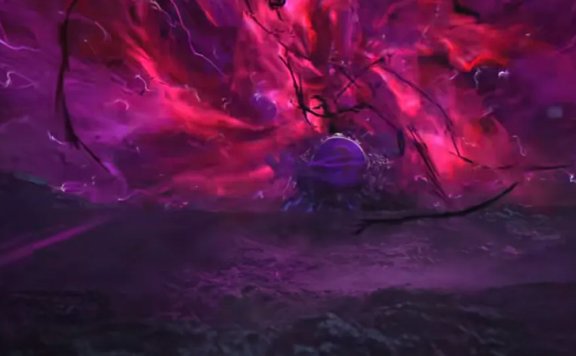
The Defining Drum Trial in Renegade Immortal
In the vast sea of Xianxia tales, where protagonists often shed their humanity to grasp immortality, one story stands out for making a profound emotion its cornerstone. The novel Renegade Immortal (仙逆) follows the journey of Wang Lin, a cultivator whose path is defined by defiance. While many stories celebrate the concept of "going against the heavens," his true rebellion is not against a vague cosmic force, but against its most fundamental decree: to sever love and achieve apathy. The pivotal moment that crystallizes this theme occurs not in a grand final battle, but during a drum trial in the strange and formidable Tianyao City (天妖郡). It is here that Wang Lin's journey shifts from a personal quest for revenge to a universal declaration that love, not its abandonment, can be the ultimate source of power. Path of Vengeance Wang Lin's entry into cultivation was born from tragedy and necessity. A humble youth from a small village, his life was shattered when his entire family was slaughtered as revenge for a conflict he inadvertently caused. This cataclysm forged his initial purpose: survival fueled by vengeance. For centuries, his existence was a grim struggle. He endured unimaginable torments, became a soul-devouring… -
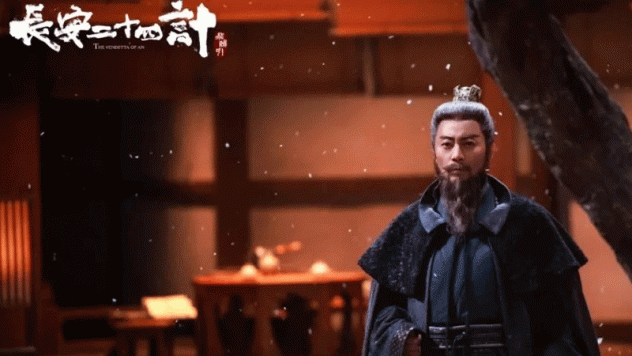
Who Really Killed Wang Pu in The Vendetta of An?
The intricate web of betrayal and power within the Tang Dynasty capital provides the backdrop for the gripping historical drama, The Vendetta of An (长安二十四计). A central point of intense debate among its audience revolves around the demise of the complex character, Wang Pu (王朴). While the narrative initially points to figures like Xie Huai'an ( 谢淮安) or an Fengshan (言凤山), a closer examination of the events suggests a far more tragic and self-directed conclusion. His death serves not as a simple act of vengeance, but as the final, inevitable move in a game where he was ultimately a disposable piece. The Poison That Wasn't Following Xie Huai'an's fourth strategic elimination, many viewers were convinced he had finally claimed Wang Pu. A prevalent theory suggests that poison was hidden within the dumplings offered during their tense meeting at the Daoguan (道观). This assumption, however, dissolves under scrutiny. The bowl set before him remained untouched throughout the entire confrontation. This detail is profoundly telling. Wang Pu, a man consistently depicted with an appetite, refusing food speaks volumes. His refusal was a silent admission of deep-seated fear and mistrust. He understood the potential danger sitting across from him, and his instinct for… -
What Drove a Qing Princess to Become a Master Merchant?
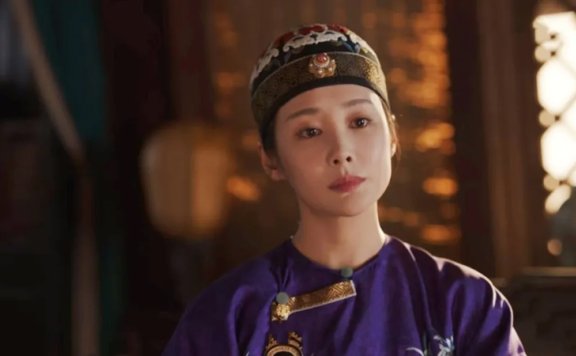
In the sweeping drama Legend of the Magnate (大生意人), amidst the cunning deals and political machinations of the late Qing dynasty, one figure stands apart. Su Zixuan (苏紫轩), a former princess of the imperial clan, moves through the world of commerce and rebellion not for wealth, but for a singular, all-consuming purpose. Her journey reveals a profound truth: the most formidable business strategies are often born not from greed, but from profound personal loss and an unwavering desire for justice. This is not merely a story of profit and loss; it is a portrait of a woman navigating a man’s world, her every calculation shadowed by the ruins of her past. A Princess's Vendetta Stripped of her title and family after a political downfall, Su Zixuan was raised with one directive: revenge. This mission shaped her into a formidable strategist. Her introduction is iconic, establishing her fearless nature. In the remote, frozen trading post of Ningguta (宁古塔), she confronts a cheating gambler not with words, but with a pistol to his forehead. It is here she first encounters the shrewd merchant Gu Pingyuan (古平原). While others see a barren outpost, she sees opportunity, arriving to procure 300 warhorses for the… -
The Untold Reason Behind a Mother's Choice in Legend of the Magnate
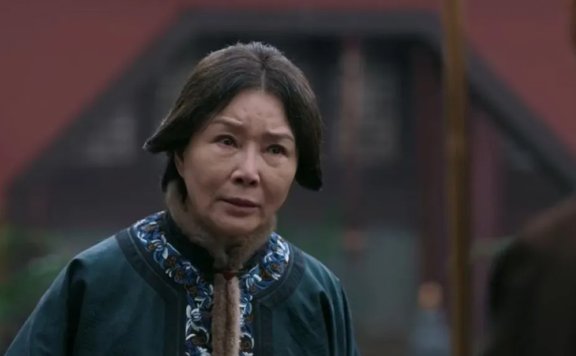
The final scenes of the Chinese drama Legend of the Magnate (大生意人) left many viewers perplexed. In a powerful climax at Jinshan Temple (金山寺), the elderly Gu Mother finally confronts Li Baiwan (李百万), the husband who abandoned their family decades ago. She reveals his true identity to their son, Gu Pingyuan (古平原), and details the cruel betrayal that led to her son's exile and shattered future. Yet, after this emotional reckoning, she chooses forgiveness. This decision puzzled audiences: how could she forgive a man who caused so much pain? The answer lies not in lingering affection or a sense of duty, but in a profound, personal liberation. The Son's Stance Gu Pingyuan's reaction is pivotal. After the shocking revelation at the temple, his initial grief turns to cold rejection. He declares the father he knew died long ago on the road to the imperial examinations. This man, Li Baiwan, is merely a stranger. Gu Mother, who has carried the weight of betrayal for twenty years, closely watches her son. His fierce protection and shared stance become her permission to let go. His unwavering support shifts the burden she has carried alone. By standing united with her son against the ghost… -

How Zhu Xudan Crafted a Fairy-Tale Red Carpet Look
What transforms a red carpet moment into pure magic? At a recent Scream Night event, actress Zhu Xudan (祝绪丹) provided a definitive answer, arriving not just as a celebrity, but as a vision seemingly conjured from an enchanted woodland. Her appearance sparked immediate and widespread admiration, with fans and fashion critics alike captivated by a look that masterfully balanced elegance, fantasy, and a distinct, powerful aura. This was not merely a fashion choice; it was a character brought to life on the crimson pathway, a statement of style that resonated deeply and lingered long after the event's lights dimmed. The Gown: A Forest Dream The centerpiece was an olive green satin gown that immediately commanded attention. The color itself was a daring and brilliant selection, a rich, earthy hue reminiscent of sun-dappled leaves in a deep forest. Unlike safer blacks or reds, this shade required precise coordination with skin tone and personal bearing, a challenge she met with remarkable grace. The satin fabric possessed a subtle, liquid sheen, catching the light with each movement to create the illusion of gentle, flowing water or polished stone. Design details elevated the dress from beautiful to extraordinary. A sweetheart neckline elegantly framed her… -
How The Unclouded Soul Unfolds a Tale of Vengeance and Healing
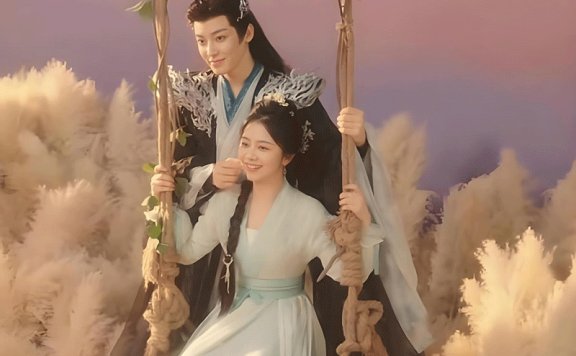
The upcoming fantasy drama The Unclouded Soul (逍遥) promises more than just breathtaking visuals and intricate costumes. At its heart, it presents a poignant question: can the deepest wound from a past life be mended by a connection in the present? Scheduled for release and already generating significant buzz, the series stars Tan Songyun (谭松韵) and Hou Minghao (侯明昊) in a complex tale that intertwines fate, vengeance, and a most unlikely redemption. The story begins not with a meet-cute, but with a centuries-old grudge. Hong Ye (红烨), the powerful demon lord played by Hou Minghao, once dreamed of peace between his demon tribe and the fearful humans. His hope took the form of a marriage alliance with the human princess, Ning'an (宁安). But on their wedding day, he was betrayed and murdered, a trauma that festered for over a hundred years as his spirit lay sealed away. The Unlikely Key Human dynasties changed, but their hatred for demons remained constant. The cycle is disrupted by Xiao Yao (肖瑶), a carefree young woman traveling the Jianghu with her father. By sheer accident, she stumbles into the cave imprisoning Hong Ye's spirit and awakens him. To his shock, she bears the exact… -
Did Xie Huai'an Ever Stand a Chance in The Vendetta of An?
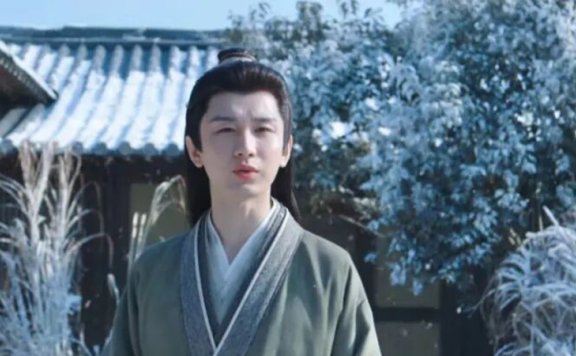
In the shadowy political landscape of the Tang Dynasty's capital, the web series The Vendetta of An (长安二十四计) presents a masterclass in layered deception. At its heart is the story of Xie Huai'an (谢淮安), a man driven by a singular quest for vengeance, who discovers that every move he makes might be part of someone else's grand design. The pivotal moment, where he eliminates his uncle Liu Ziyan (刘子言), is not a triumphant conclusion but the loudest alarm bell, signaling he has walked blindly into a cage of his enemy's making. This narrative dissects that intricate game, revealing how the hunter became the hunted from the very start. The Bait in Plain Sight Initially, Xie Huai'an's decision to hide the deposed emperor in the old Liu family residence seemed purely logistical, a simple use of a known secret chamber. His later appearance there, casually sweeping the courtyard as Liu Ziyan returned, was the first unsettling clue. His feigned ignorance and innocent questions were a performance. For a man like Liu Ziyan, renowned as the top assassin of the Hu Ben (虎贲) guard but devoid of strategic subtlety, the most straightforward psychological ploy was the most effective. Xie Huai'an wasn't just… -
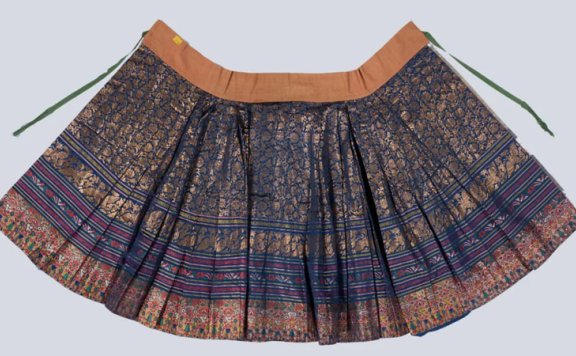
Why the 500-Year-Old Mamianqun Is Today's Ultimate Fashion Statement
Walk down any modern city street in China, from Shanghai's Bund to The Forbidden City, and you'll likely spot a surprising silhouette: the Mamianqun (马面裙). With its distinctive flat front panels and flowing pleated sides, this Ming Dynasty-era skirt has leaped from museum displays and history books into the heart of contemporary wardrobes. It represents more than a cyclical fashion trend; it is a vibrant, living symbol where deep cultural heritage intersects with personal style. This skirt's journey reveals how a garment can transcend its original era to become a powerful medium for identity and aesthetic expression in the 21st century. A Design Born from Function The name Mamianqun originates from a unique architectural feature. Mamian refers to the rectangular, projecting bastions on ancient Chinese city walls, which the skirt's broad, unadorned front panel visually resembles. This core design principle—structured panels meeting dynamic pleats—emerged during the Ming Dynasty. The skirt is ingeniously constructed from two identical panels of fabric joined at a single waistband. When worn, these panels overlap at the front and back, creating four "gates" or openings: two prominent, flat rectangular sections at the front and back, flanked by pleated sides. This architecture served a profoundly practical purpose.… -
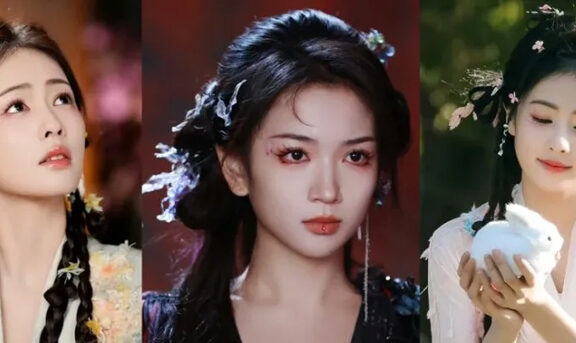
Why Does Every Face in Chinese Period Dramas Look the Same Now?
Watch any current Chinese historical television series, and a familiar visual echo emerges. From princesses of the Tang Dynasty to wandering swords-women of the Wuxia genre, a single, standardized face seems to dominate the screen. This uniform look features sharply defined eyebrows, porcelain-white foundation, dramatic eyelashes, and vivid red lips, all smoothed under heavy digital filters. The result is a procession of performers who appear molded from the same template. This phenomenon transcends mere casting trends; it reflects a profound shift in aesthetic principles, where personalized character design has been sacrificed for a replicable, instantly recognizable "instagrammable" beauty. The question isn't just about makeup—it's about what we have collectively decided to value in visual storytelling. The Disappearing Face The craft of screen makeup was once a tool for transformation and revelation. Its purpose was to serve the narrative and illuminate character. An actor's face was a canvas where time, status, and personality could be painted. Today, that priority has often inverted. The primary goal appears to be making the actor conform to a trending, socially-mediated ideal of beauty, regardless of historical context or role. Makeup artists, sometimes less experienced than popular beauty bloggers, apply the same techniques to every performer.… -
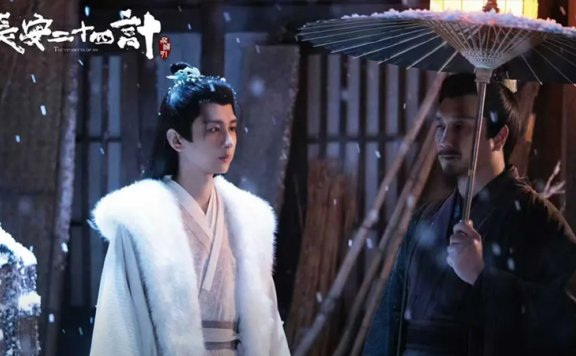
The Vendetta of An Leads the New Wave of Original Male-Oriented Dramas
The landscape of Chinese male-oriented content is shifting. For years, adaptations of sprawling web novels dominated this space. Now, a different model is gaining ground, one that favors original, tightly-plotted narratives over pre-existing fantasy worlds. This move represents a significant gamble for streaming platforms, trading the built-in audience of a popular novel for the unpredictable appeal of a fresh story. Exemplifying this trend is the new series The Vendetta of An (长安二十四计). It follows Xie Huai'an (谢淮安), portrayed by Cheng Yi (成毅), a man returning to the capital after years of planning revenge for his family's destruction. The plot revolves around his intricate schemes and dangerous alliances with figures like the new Emperor and a military commander. Without source material to guide them, viewers are plunged directly into a complex game of strategy and payback, making the viewing experience both challenging and engaging. The commercial confidence in this approach is evident. The series secured over forty brand partnerships before its premiere. Its rapid release on Netflix also marks it as an early international contender in the costume suspense genre this year. This year has seen a concerted push into this territory by platforms like Youku, with series such as The…