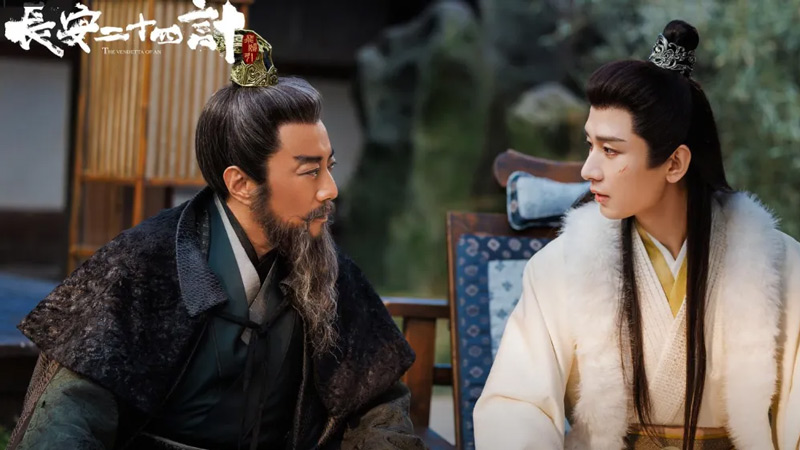
Can a historical drama thrive on cunning strategy and raw vengeance alone? The new series The Vendetta of An (长安二十四计) argues a resounding yes. Diverging from the romantic fantasies flooding the market, this show plants its flag firmly in the territory of high-stakes political intrigue and personal retribution. Its premiere has ignited fervent discussion, positioning it as a potential dark horse in the year-end lineup. The appeal lies not in lavish costumes or fantastical elements, but in a grounded, relentless narrative driven by complex characters portrayed by a formidable ensemble cast. It is a stark, compelling reminder of the power of a well-told story of revenge.
A Cast of Calculated Performances
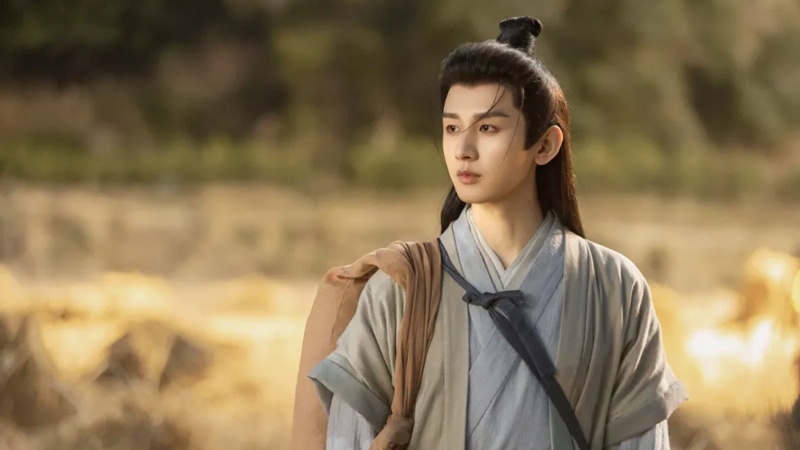
The series' greatest strength is its collective acting prowess. Cheng Yi (成毅) shatters his previous youthful image to portray Xie Huai'an (谢淮安), a man transformed from a brilliant prodigy into a patient schemer burning with a ten-year-old grievance. His performance is a masterclass in restraint, where simmering rage and profound hurt are conveyed through a subdued gaze and measured delivery rather than overt outbursts. A line like "I cannot bear to see any of my enemies meet a good end" lands with chilling precision because of the quiet intensity behind it.
He is matched scene for scene by veteran actors who elevate every moment. Liu Yijun (刘奕君) brings imperial authority and weary gravitas to his role, while Wang Jinsong (王劲松) embodies enigmatic silence, speaking volumes without words. Their confrontations with Xie Huai'an are electrifying, charged with unspoken history and tactical maneuvering. Every glance and pause is loaded with meaning, turning dialogue scenes into psychological battlegrounds. This is not merely acting; it is a high-level exchange of dramatic skill that fully immerses the viewer.
This focus on character depth ensures that no one is merely a plot device. Each figure operates from a distinct logic and moral compass, making the political landscape richly layered. The antagonists are not cartoonish villains but formidable opponents with their own justifications, which makes Xie Huai'an's mission perilously complex. The audience is invited to understand every move, even as they root for the protagonist's dangerous quest.
The Mechanics of a Tight Plot
From its opening moments, the plot dispenses with preamble. The brutal betrayal that destroys Xie Huai'an's family is established efficiently, propelling him into a decade of planning. His return to Chang'an (长安), the vibrant Tang dynasty capital, sets a dual narrative in motion: aiding a new emperor consolidate power while meticulously executing a personal vendetta. These two threads are expertly woven, with developments in the court affecting his private plans and vice versa.
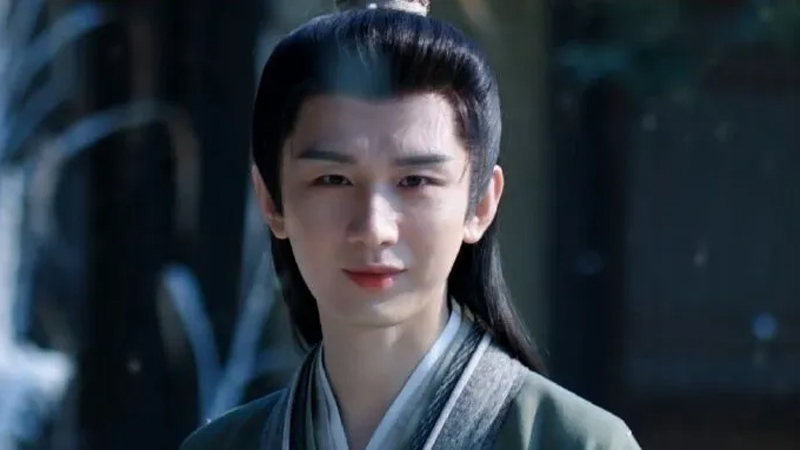
The "stratagems" promised in the title are delivered through intricate, detail-oriented plotting. Xie Huai'an's schemes are clever, ruthless, and often rely on misdirection. The show respects the audience's intelligence, presenting clues and allowing viewers to piece together the puzzle alongside the characters. Reversals of fortune and revealed loyalties arrive at a brisk pace, creating a consistently engaging and satisfying rhythm that has been described as addictive.
This narrative efficiency leaves no room for filler. Each episode advances the central goals, deepens character relationships, or unveils a new layer of conspiracy. The focus remains tightly on the cause-and-effect of the revenge plot, ensuring the promised "thrill" is not diluted. The result is a drama that feels both classic in its themes and refreshingly modern in its execution.
Substance Over Spectacle
The production philosophy champions "quiet luxury" over opulent display. The costume design is a narrative tool in itself. Xie Huai'an's attire evolves from the bright robes of his youth to the worn, practical garments of his exile, and finally to the elegant but subdued clothing of his returned identity, visually charting his internal journey. The world feels lived-in and authentic.
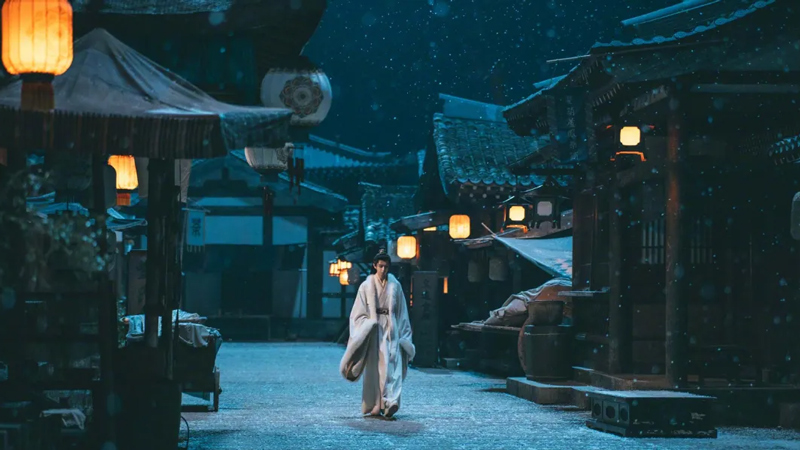
Chang'an is rendered with atmospheric depth. Bustling market streets, quiet alleyways, and imposing palaces are reconstructed with an eye for historical texture rather than sheer grandeur. The cinematography is equally deliberate, using shadow and composition to enhance the mood of secrecy and danger. This restrained aesthetic builds a believable world that pulls viewers into its tense, conspiratorial atmosphere without relying on digital excess.
This fusion of classical sensibility and contemporary narrative pacing is a key to its broad appeal. It satisfies purists looking for historical texture while keeping the story dynamic enough for viewers accustomed to faster-paced television. The show proves that immersion comes not from the biggest budget, but from coherent world-building and visual storytelling that serves the plot.
Ultimately, The Vendetta of An succeeds by marrying visceral gratification with thoughtful substance. It explores the corrosive weight of hatred and the moral compromises of vengeance through the lens of a superbly crafted thriller. With its stellar cast, razor-sharp plot, and dignified production, it sets a new standard for what a historical drama can be when it prioritizes compelling storytelling above all else.