Remember Ne Zha? That monster hit smashed records, raking in a whopping 15.9 billion yuan globally (approx. $2.2 billion USD). It became the highest-grossing animated film ever worldwide, seriously highlighting the massive potential of Chinese animation.
Fast forward, and the summer movie season has become the key battleground for animated flicks.
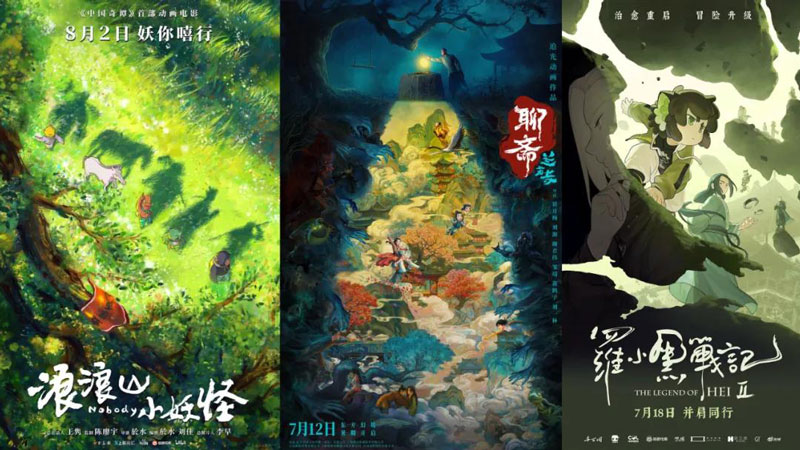
Bilibili is stirring things up with The Little Monster of Langlang Mountain, hitting right at the heart of youth culture. Then you've got Light Chaser Animation continuing its streak of giving classic stories a modern twist with Curious Tales of a Temple. And don't forget The Legend of Hei 2 (罗小黑战记2), built from the ground up with global audiences in mind. Why all the buzz? And what do these films tell us about where Chinese animation is headed?
What we're seeing is a shift. Chinese animation isn't just leaning on one big name anymore. It's building a much richer, more varied scene. Think back ten years–Chinese cartoons barely made up 15% of summer box office. When Monkey King: Hero is Back exploded onto the scene, it felt like a lone warrior breaking through.
Then came Ne Zha, rewriting the rules again during summer with over 5 billion yuan. It proved animation could be a powerhouse. This whole "Chinese animation taking over summer" thing isn't just about who wins the weekend; it shows the whole system–from creative ideas to business models–is getting stronger.
Even with big Hollywood guns like Jurassic World: Rebirth and F1: Speed Unleashed, plus major Chinese live-action films like Malice (恶意) crowding the schedule, a bunch of animated films are still gearing up for release. But looking at the lineup, it's a mixed bag–some look like real contenders, others might struggle to find an audience.
The Big Summer Players: Langlang Mountain & Lanruo Temple
Let's zoom in on the two most talked-about animated films this summer: The Little Monster of Langlang Mountain and Curious Tales of a Temple.
NOBODY 浪浪山小妖怪
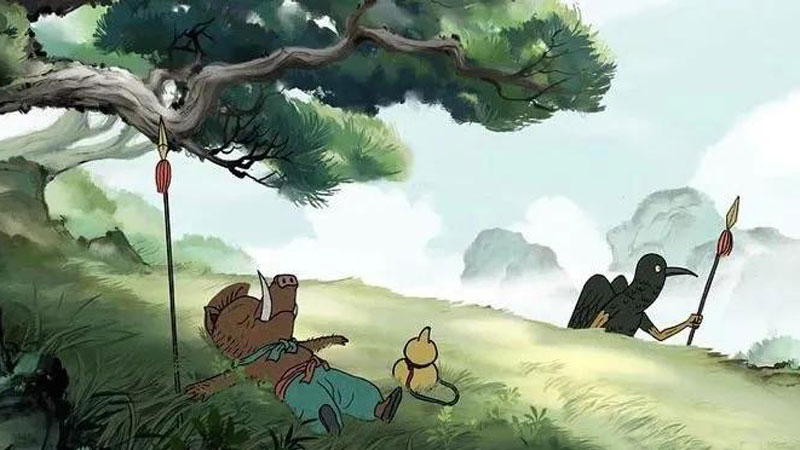
As the first movie spin-off from the hit anthology Yao-Chinese Folktales (中国奇谭), The Little Monster of Langlang Mountain keeps the original's vibe: stunning Eastern visuals mixed with sharp, modern storytelling. It's also Bilibili's only big-screen movie push this summer. They didn't waste time–marketing kicked off offline three months ago, hitting spots like coffee festivals and art districts popular with young folks. Over 82,000 users flagged it as "Want to See" on Maoyan (a major Chinese ticketing platform), showing serious fan interest.
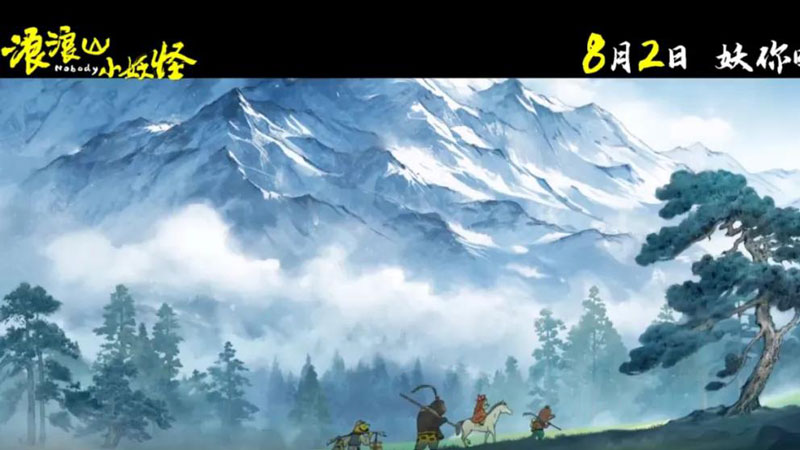
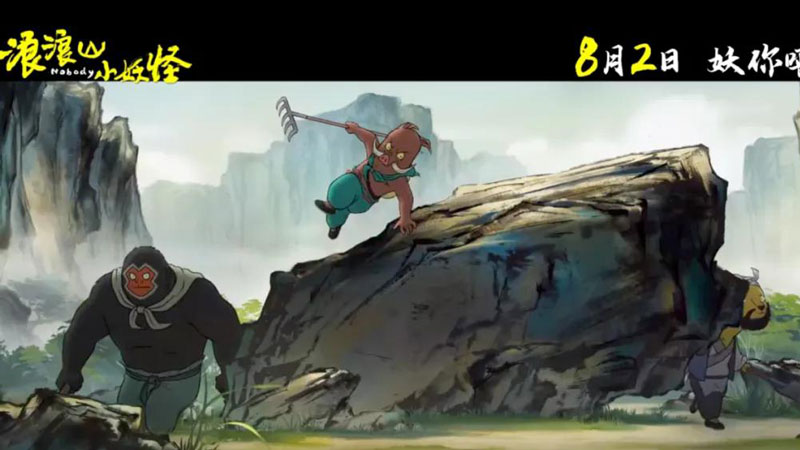
The story? It uses the little pig monster's journey through "Langlang Mountain" as a metaphor for the working class grind. The trailer gives us the pig's heartfelt line: "I want to leave Langlang Mountain, go out and see the world." That sets up a whole new adventure, showing us a different kind of "monster life."
This time, the piggy monster teams up with a toad spirit, a weasel spirit, and an ape demon–forming a ragtag "grassroots pilgrimage squad." Their adventure? Packed with laughs and close calls. Can this unlikely crew handle the unpredictable "pilgrimage road"? The film takes the classic Journey to the West and totally remixes it in a fresh way, which has definitely piqued everyone's curiosity.
Unlike the shorter, episodic format of Yao-Chinese Folktales, this big-screen version dives deep into Langlang Mountain's ecosystem. We'll see the strict hierarchy among the mountain's lesser monsters (think: the fox drill instructor's iron fist, the wolf boss's absolute power). It also zooms in on the piggy monster's internal struggle: play it safe to survive, or break the rules to find itself.

The original series scored a sky-high 8.7 on Douban (China's major review site) and racked up over 230 million streams online. That built a huge fanbase dying to see how the piggy monster's mountain adventure continues. That built-in connection could definitely translate into box office bucks.
You can already catch glimpses of the comedy in the trailer.
One shot shows the classic, heroic silhouettes of the Journey to the West monk and his disciples... cut immediately to a doodle-like scribble of our four little monster misfits. That sharp contrast is pure comedic gold. Plus, the trailer features the toad spirit cracking jokes, hinting at the film's comedic energy.
Mixing comedy with animation really lets the characters and story shine, giving the whole IP a bigger boost and enhancing the viewing experience.
After Nezha: Chaos in the Sea of Devils, this year's summer season domestic animated films
Nezha: Chaos in the Sea of Devils grossed a global total of 15.9 billion yuan (approximately 2.2 billion USD), setting a new record as the highest-grossing animated film in global box office history. This achievement really shows the huge potential of Chinese animated movies.
Curious Tales of a Temple 聊斋:兰若寺
Last Saturday, Lanruo Temple, the animated adaptation of Strange Tales from a Chinese Studio (Liao Zhai, 聊斋), hit theaters. Classic tales like Nie Xiaoqian and Painted Skin returned to the big screen, this time using animation to unveil the eerie world of Liao Zhai.
In TV, the anthology series Unchained Love—steeped in Liao Zhai's supernatural vibe—recently sparked a viewing frenzy. Tencent Video also has its own Liao Zhai series in production. Gaming isn't left out: the breakout Chinese horror title Paper Bride draws heavy inspiration from these classic ghost stories.
From the nightmare fuel of the '87 Liao Zhai TV series and the same era's A Chinese Ghost Story films, to the 2008 movie Painted Skin, and now increasingly diverse modern adaptations—Liao Zhai keeps fueling creativity across generations. Its uniquely bizarre universe of Chinese folklore holds timeless appeal for the entertainment world.
Lanruo Temple (the film's shorthand title) frames Pu Songling—author of the original tales—as both listener and storyteller. Young Pu explores the mysterious Lanruo Temple at night, tumbles into a well, and meets two spirit creatures: the Toad Sage and the Turtle Sage. After hearing their competing tales, he can't pick a winner—so he spins one of his own.
The film stitches five iconic Liao Zhai stories—The Taoist Priest of Laoshan, Princess Lotus, Nie Xiaoqian, Painted Skin, and Scholar Lu—into a framing narrative titled Tales from the Well.
These five segments play it safe. They largely stick to the original plots, with updates focused on presentation:
Setting: All tales unfold at Lanruo Temple, now pinned to specific dynasties (Tang, Song, Ming). Nie Xiaoqian even jumps to the Republican era—a time Pu Songling never witnessed.
Style: Visual experimentation shines, like The Taoist Priest's full segment rendered in felt-puppet stop-motion—animation's unique edge.
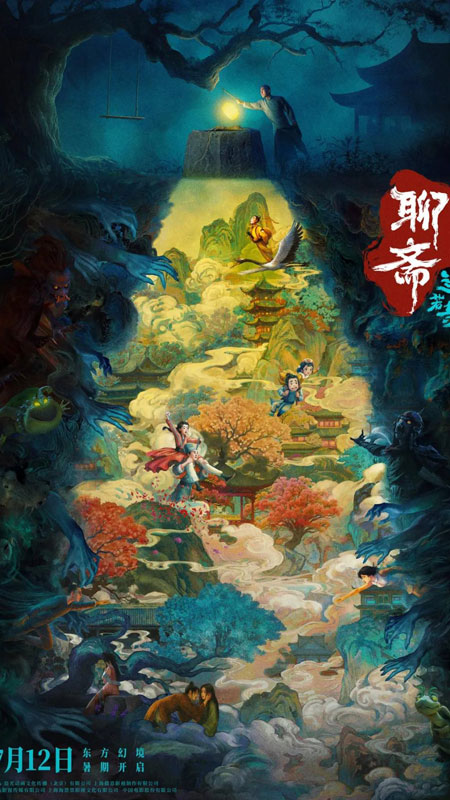
Painted Skin stands out for reimagining its core. Here, the wife Chen feels a pang of sympathy for the skin-stealing demoness. After saving her unfaithful husband, Chen mutters "Disgusting"—sharpening the female perspective. The horror shifts from gory visuals to something modern: fear of marriage itself.
The framing story, Tales from the Well, is the boldest original thread. It mirrors how Pu Songling created Strange Tales: some stories were gathered from tea-house rumors and polished; others sprang purely from his mind.
Most Liao Zhai adaptations ignore Pu Songling—or give him a token role. Here, he's not just a story listener; he's a hardcore shipper, loudly demanding couples get together. The film pokes fun at his overzealous matchmaking, fleshing out the usually invisible author with playful irreverence. Yet since his main job is linking tales, his character stays lightly sketched.
Overall, Lanruo Temple plays it safe with the Liao Zhai IP. Three of its five segments retell ultra-familiar classics, largely repackaging old stories with new visuals. Yet surprisingly, the segments generating the most buzz are the least known: Scholar Lu and Princess Lotus. Meanwhile, Painted Skin earned the strongest critical praise—proving audiences crave fresh, modern takes.
Since the first adaptation Dream of the Void in 1922, Liao Zhai has spawned over 150 film/TV adaptations—a century-long legacy of reinvention. As production tech advances and entertainment diversifies, this IP now thrives in animation, gaming, and beyond.
China's supernatural storytelling tradition runs unbroken—from Wei-Jin dynasty tales (志怪笔记) to Tang legends (唐传奇), culminating in Pu Songling's masterwork.
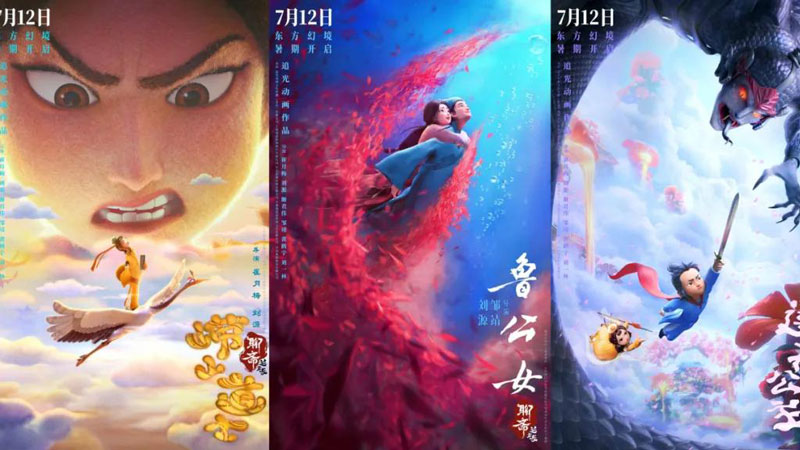
Its 500 stories build a rich ecosystem of ghosts, immortals, and fox spirits. They mirror human nature—exposing tyranny, celebrating love—with themes that transcend eras. The short-story format and iconic characters lend themselves to endless reinterpretation. Classic adaptations (like Tsui Hark's films) also feed back into the IP's vitality.
But even timeless classics need updates. Truly great adaptations—like A Chinese Ghost Story—succeed by reimagining Liao Zhai with contemporary relevance, not just recycling plots. The more classic it is, the more it demands innovation.
Notably, Lanruo Temple openly features actual ghosts in its final three segments: Nie Xiaoqian, the skin-stealer, and Ms. Lu are unambiguously spirits. Last year's animated film Xiao Qian also portrayed her as a true ghost.
This signals a wider shift: supernatural storytelling is shedding its restraints. Real ghosts vanished from screens for years—even "Nie Xiaoqian" adaptations often turned her into a demon. Many recent "monster" tales secretly skirted censorship rules, using demons as ghost stand-ins.
Think of those "Chinese horror" clips hyped in fantasy dramas—they'd hit harder with actual ghosts. Scarcity breeds impact: ghosts, immortals, demons, and fox spirits once shared equal footing in folklore tales. But after years of sanitized myths and monster romances, audiences now crave the sharper thrill of true ghost stories.
Even before ghosts fully returned, hits like Strange Tales of Tang Dynasty (mystery + supernatural), Unchained Love (demon romance), and the exorcism short drama Boundless Clouds proved the market's hunger for authentic Chinese folklore.
Upcoming releases will ride this wave:
Zi Ye Gui (子夜归)
Gong Yu (攻玉)
Adaptations of Wei Yu's novels: Xiao Qi Qing Rang (枭起青壤, lit. Owl Rises from Dark Soil) and San Xian Mi Hui (三线谜回, lit. Triple Threads: Labyrinth)
Here's hoping these stories inject fresh energy into the screen—and finally let ghosts out of the closet.
The Legend of Hei 2 罗小黑战记 2
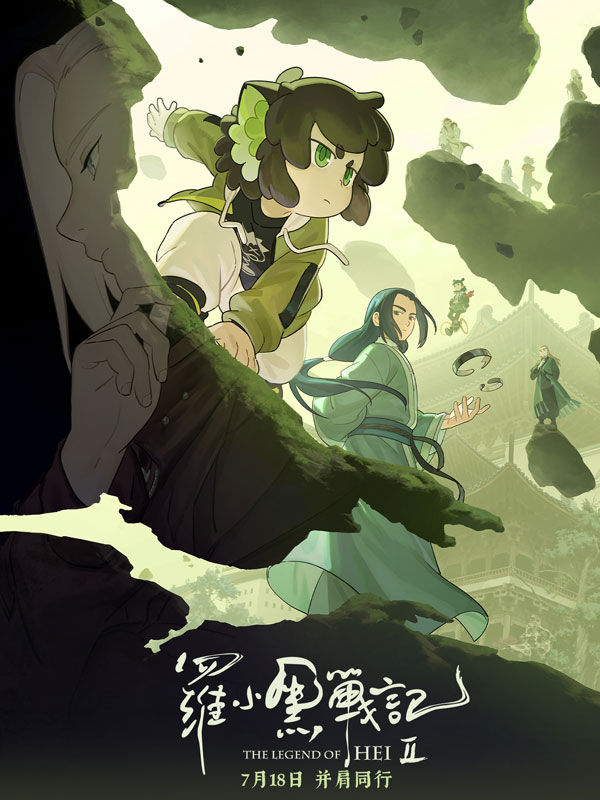
Beyond the two major headliners, another well-loved IP is dropping a sequel this summer: The Legend of Hei 2. The first film made waves internationally, especially in Japan where its gentle art style and heartfelt story earned over ¥560 million (approx. $5 million USD), setting a benchmark for Chinese animation going global.
The sequel brings back familiar faces alongside new characters, tapping right into that audience connection.
Picking up where the last film left off, it follows Luo Xiao Hei (Blacky)–a cat spirit now adjusting to life among humans–and his master, Wu Xian (Infinity). They hear the Spirit Guild is under attack and rush to help, only to get tangled in something much bigger. Facing sudden, harsh trials and unexpected enemies, what choices will Xiao Hei make? That's the big question for fans.
From the trailers, the movie keeps the original's core theme of spirits and humans coexisting. It adds new layers like the deepening bond between master and apprentice, and power struggles within the spirit world. While Langlang Mountain leans into young adult themes, Black & White Warriors 2 aims for broader family appeal. Its charming 2D hand-drawn style and lighthearted storytelling should pull in family audiences.
Its July 18th release dodges the early July crush of Hollywood blockbusters and offers something different from Lanruo Temple. However, the film faces headwinds. Key creative team members were embroiled in a damaging controversy involving pet abandonment, which hurt public trust. This could negatively impact the film's final box office numbers.
How Chinese Animation Weaves in Chinese Aesthetics
Whether it's The Little Monster of Langlang Mountain, Curious Tales of a Temple, or The Legend of Hei 2, each film breathes Chinese aesthetics.
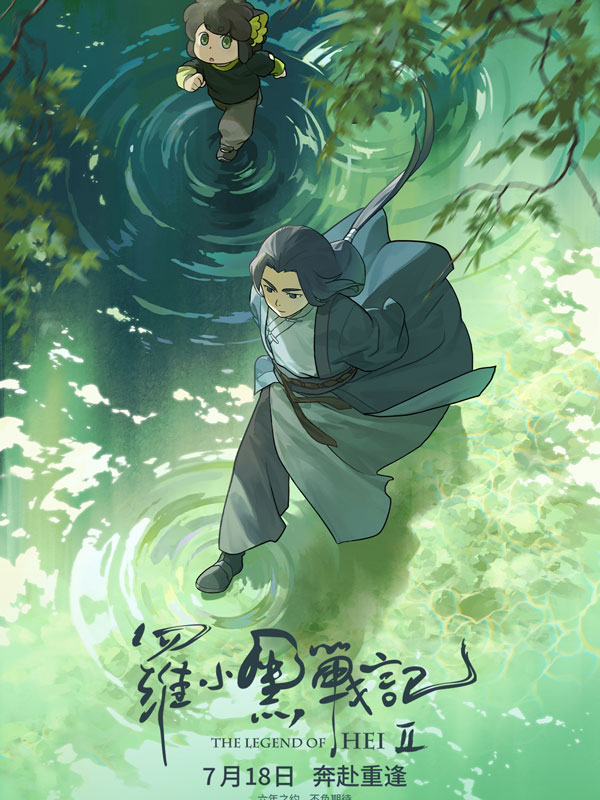
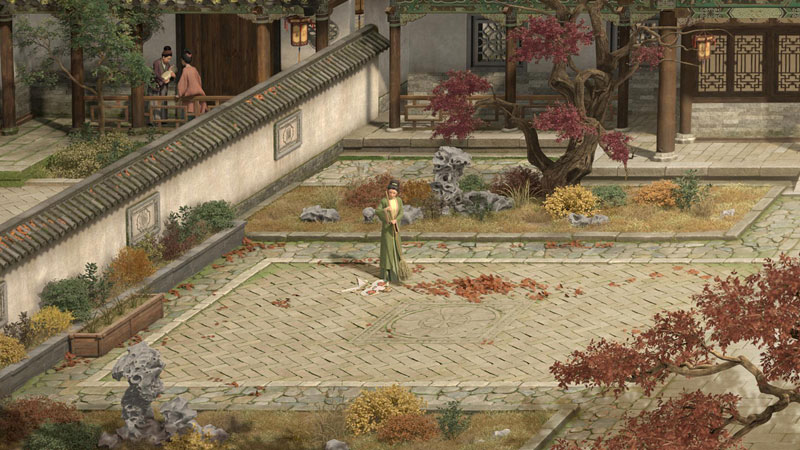
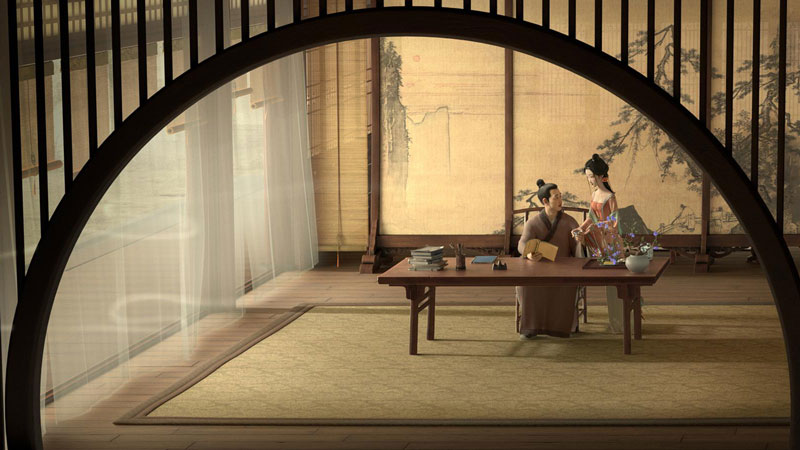
Trailers reveal distinct visual styles steeped in Chinese artistic traditions. These films skillfully blend classic Chinese elements with modern animation techniques, creating richly textured visuals that feel authentic yet fresh–unmistakably Chinese in spirit.
Lanruo Temple benefits from the involvement of Shanghai Animation Film Studio. With deep artistic heritage and production expertise, the studio provided overall artistic direction, merging classic craftsmanship with contemporary innovation–a solid quality guarantee.
In Lanruo Temple, each story segment unfolds like a unique artistic scroll:
The Taoist Priest of Laoshan features felt-textured visuals
Painted Skin echoes the elegance of Song Dynasty paintings
Princess Lotus washes the screen in ink-wash atmosphere
This didn't happen by accident. The creative team spent three months researching in Shanxi province, studying 27 surviving ancient temple structures for inspiration. The art department extracted traditional color palettes from Dunhuang murals, using digital rendering to recreate the play of light on weathered walls.
Notably, The Taoist Priest of Laoshan marks the first use of felt art style in a major Chinese animated feature. Its unique, delicate texture offers a fresh take on tradition, building a "never-before-seen" felt world that transitions from the mortal realm to celestial spheres.
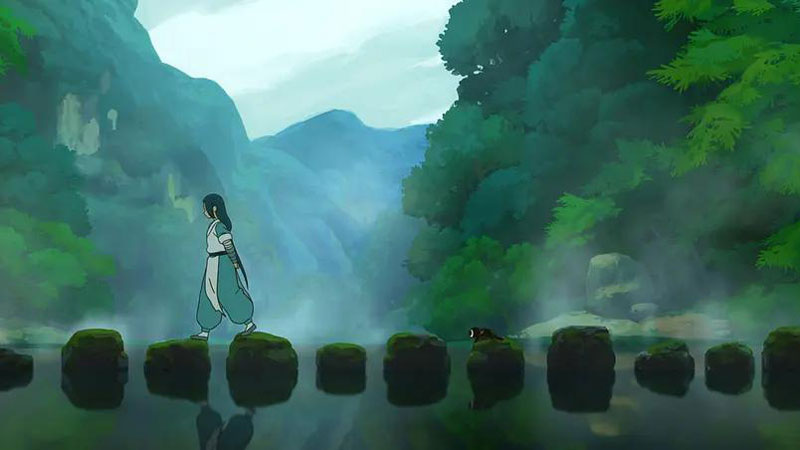
The Legend of Hei 2 employs Chinese freehand brushwork techniques–muted colors, expressive lines, and strategic blank spaces–crafting ethereal, tranquil scenes. Settings reference classic Chinese architecture (upturned eaves, pavilions) while weaving in natural elements like misty mountains and drifting clouds, building a fantasy world rooted in Chinese sensibilities.
Ultimately, the "Chinese style" appeal isn't just about using paper-cutting, ink-wash, or other techniques. It's deeper–the storytelling logic, narrative rhythms, and cultural foundations are intrinsically Chinese. As Professor Yuan Li (Vice Chairman of China Folk Artists Association) notes:
"Chinese style follows specific patterns in colors, music, and storytelling. Harnessing these creates a sense of familiarity that can rekindle love for tradition."
From Supporting Players to Headliners
While more Chinese animated films are hitting summer screens, a clear divide emerges: promising contenders leverage strong IP, fresh ideas, and smart targeting, while others fade due to weak concepts or poor release timing. This split reflects growing pains as Chinese animation expands its summer footprint.
Consider the journey:
Monkey King: Hero is Back (2015) broke through solo with ¥956 million
Ne Zha (2019) exploded with ¥5.035 billion, claiming 28.58% of that summer's total box office (¥17.644 billion)
Ne Zha: The Devil's Child Comes to Sea (2025) dominated H1, contributing 52.8% of the period's animation revenue, with merchandise sales exceeding ¥10 billion–signaling a shift from pure box office reliance to ecosystem competition.
The road hasn't been smooth. The 2022-2024 period was a reset. Several animated films (Heavy Rain, Umbrella Girl) struggled, failing to clear ¥20 million. This contrast–between potential hits and forgettable titles–highlights the industry's ongoing evolution.
The less successful films often stumble in fundamental ways. Some drag their narratives with sluggish pacing, trying to build grand fantasy worlds but losing audiences with unclear plots that feel confusing and distant. Others mishandle promising concepts–like one film's intriguing "object spirits" premise, which collapsed under weak worldbuilding. Characters' powers and growth made little sense, and scattered subplots disconnected from the main story broke narrative flow. Even strong visuals couldn't hide these flaws, leading to box office disappointment.
Even Child of Time, which earned ¥186 million recently, faced heavy criticism. Audiences pointed out plot holes, jarring emotional shifts, clashing visual styles, and awkward cultural borrowing. One glaring logic gap: the protagonist could manipulate time, yet chose the clumsiest solution during a crisis, contradicting their established abilities.
Over the past four years, while a few gems emerged, most Chinese animations revealed consistent weaknesses: unfocused storytelling, exhausted IPs, and a perceived lack of genuine effort. This eroded audience trust, shifting attitudes from "patient trial-and-error" to "harsh scrutiny."
This change is crucial. Moviegoers no longer support films just for being "homegrown." Box office numbers and ratings now send a clear message: "Weak content won't be saved by nostalgia." This tough love is actually a sign of market maturity.
The Path Forward
Only when audiences stop blindly paying for the "Made in China" label will creators be pushed beyond their comfort zones. Trust must be rebuilt through quality.
This summer, the real battle is about storytelling strength. Ne Zha: The Devil's Child Comes to Sea's staggering ¥15+ billion haul proves audiences will pay more for truly great content. To move from the sidelines to center stage, studios must ditch the "cash-in quick" mindset. They need to focus on craft. This summer's fierce competition will push the industry toward a healthier, more balanced ecosystem.
As Zhang Jinfeng, Deputy Editor-in-Chief of China Film News, observes:
"This summer's Chinese animations show strong freshness, with potential dark horses emerging. Recent progress ties directly to telling Chinese stories well, modern production techniques, and building IP-centered operations."
He points to hits like Chang An and White Snake, plus the Ne Zha franchise:
"Infusing Chinese aesthetics and innovating on traditional tales sparks audience excitement. But stories must be understandable and engaging to truly 'tell China's stories well' and share its voice."
Behind-the-scenes craftsmanship is also key. Modern animation is tech-heavy. The leap from hand-drawn to digital, 2D to 3D, has dramatically upgraded China's visual impact. Advances in rendering, character modeling, and environments now rival top global animation.
Over the next month, we won't just see box office winners and losers. We'll witness an industry maturing in real time. In this era of discerning viewers, only films that truly respect storytelling–and their audience–will stand firm in the summer showdown.