The mid-year rankings for average V30 streaming views (V30: 30-day cumulative views per episode) from Yunhe (China's streaming data aggregator) are out.
Top 10 Titles:
- DRIFTING AWAY
- Legend of Zang Hai
- Flourished Peony
- The First Frost
- The Prisoner of Beauty
- Six Sisters
- The Glory
- The Demon Hunter's Romance
- Moonlight Mystique
- A Better Life
DRIFTING AWAY leads with the highest average V30 views at 54.9 million, making it the only show in the top 10 to surpass 50 million. Three titles in the top 10 fell below the 30 million V30 mark: The Demon Hunter's Romance, Moonlight Mystique, and A Better Life.
The Chess Master, with 25.83 million views, just missed the top 10, landing right after the tenth spot.
Genre Breakdown:
Contemporary dramas: 3
Period dramas: 1
Costume dramas: 6
Themes explored: Detective/crime, supernatural suspense, urban romance, family sagas, historical fantasy, workplace stories... covering a wide range of topics and styles.
So why did these ten dramas break into the top 10? Let's break it down.
1. DRIFTING AWAY 漂白
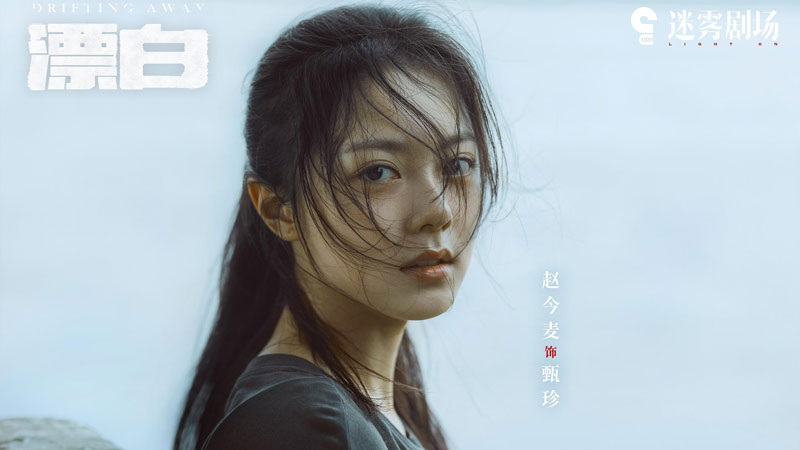
Chinese New Year came early this year. You'd think the short gap between New Year's Day and the Spring Festival would be all festive cheer. But iQiyi's "Misty Theater" dropped DRIFTING AWAY with almost no warning, forcing a chilling mood shift right during the holiday season.
DRIFTING AWAY exploded at the start of the year because its first episodes hit viewers with shocking intensity. The depiction of crime scenes and criminal acts was visually jarring.
Viewers drawn in by its rawness stuck around for its suffocating tension. It strips down the suspense/crime genre–making the storytelling, character development, and exploration of human darkness simpler, sharper, more direct.
Almost every episode had scenes viewers felt they "couldn't watch." This visceral reaction comes from a natural human response to violence.
True monsters exist. Their cruelty towards the kidnapped girls, using everyday objects like woks, spatulas, bathtubs, and pliers, scarred viewers.
Art isn't just about warmth and healing. Coldness and brutality have their place too. As long as it fosters a realistic understanding of the world, and as long as justice prevails in the end, there's no need for excessive worry. In an era where nitpicking and manufactured outrage are common, playing it safe creatively is slow suicide.
2. Legend of Zang Hai 藏海传
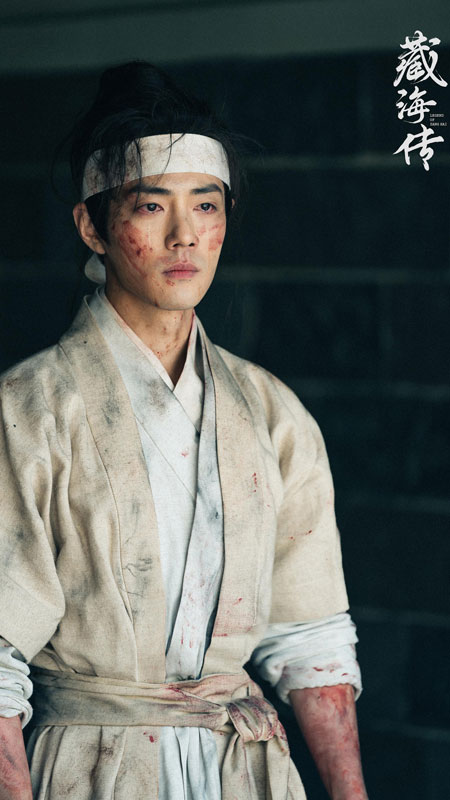
The "rubber band monkey" group debuts, sparking a frantic online search for the "third member." By every metric–data indices, online buzz, sheer audience excitement–Legend of Zang Hai was a phenomenon.
Revenge is a universal story engine. It's the ultimate emotional release for audiences. Think Ne Zha 2's line: "I don't care if I live, I just want YOU dead!"–pure rage fuel. Legend of Zang Hai taps into this primal force, framing its revenge within a classical, meticulously plotted tale of a youth's relentless quest.
Despite the industry trend towards shorter series, Legend of Zang Hai kept its 40-episode run consistently gripping. Its success boils down to three hooks: Pain, Payback, and Puzzles.
Pain is the driving force behind the revenge. Canghai witnessed the annihilation of his entire family as a youth. He mastered architectural engineering and political strategy, throwing himself into the dangerous game of power to orchestrate chaos. His childhood ended abruptly, leaving him on a narrow path above an abyss. Many allies also lost their lives along his vengeful journey.
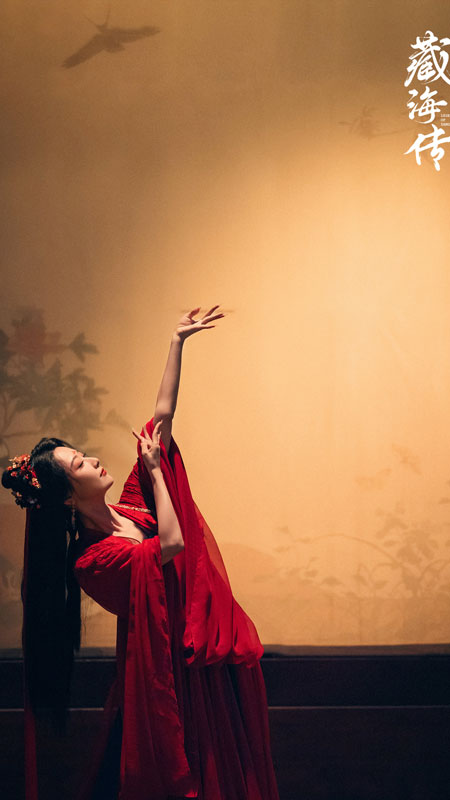
Audiences genuinely ached for the protagonist's tragic fate and mourned the still-warm blood spilled. Legend of Zang Hai undoubtedly struck a nerve–it hit that raw spot of shared pain.
Payback is the visceral thrill. Systematically eliminating enemies, from minor henchmen to the ultimate masterminds–how could this process not deliver that satisfying rush?
While the show claims it's not purely a revenge fantasy, it absolutely delivered that cathartic satisfaction to viewers on multiple levels.
Puzzles are the engine of engagement and discussion. How would Canghai overcome each obstacle on his path? Who exactly is the mysterious "third person" who suddenly appeared? What was the true reason behind his family's massacre? What ultimate secret does the "Guixi" artifact hold? What path lies beyond revenge?
Constant suspense fuels relentless viewing momentum. The endless speculation fuels discussion, birthing trends like "wild fan theories". This is why audiences willingly invested so many days following Canghai's journey.
Legend of Zang Hai had Xiao Zhan's dedicated fanbase as its core audience, but it steadily pulled in many casual viewers too. While the era of grand, intricate, chess-like political schemes in dramas might be fading, this show proved that competent plotting, combined with high production value and sharp marketing, can still create a major hit.
3. Flourished Peony 国色芳华
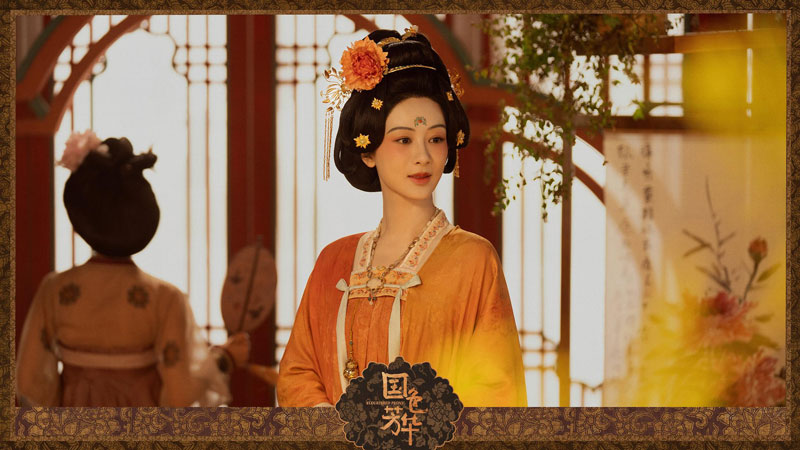
Understanding Flourished Peony's popularity requires looking at multiple angles.
The drama received widespread praise during its run, reflected in its solid 7.8 Douban rating. However, some critics found the characters a bit too perfect, making them slightly harder for viewers to connect with, which arguably limited its buzz and virality to some extent.
Look beyond the screen. The newly opened Leling Film and Television City, where the show was filmed, exploded in popularity upon opening. Visitor numbers during the drama's broadcast far exceeded expectations. Yang Zi's line, "Welcome everyone to visit Leling's thousand-year-old jujube grove!" became the best tourism ad, driving fans to visit Leling in person, chasing the drama's vibrant atmosphere.
The peony is the soul of the show. It doesn't just feature the flower; it meticulously details the female lead He Weifang's techniques for cultivating rare peonies. This includes specifics like soil selection, irrigation methods, temperature control, and pest management. It also explores how peonies were integrated into daily life during the Tang Dynasty. Beyond botany, it uses the peony symbolically, weaving legendary tales to embody its spirit of "blooming through adversity."
600,000 potted peonies worth 100 million RMB from Heze (a major peony cultivation center) sold out completely during its run. This tangibly demonstrates the show's dedicated fanbase and cultural pull.
The strong identification and willingness to pay among young people for "Guochao" (China Chic / national trend) culture might seem abstract to outsiders. Yet, this fervor translated directly into fervent support for this drama.
Empowering the Target Audience: The show's portrayal of women's struggles, its shaping of female characters, and its celebration of independent female spirit resonated powerfully with its core audience. Their emotional needs were deeply satisfied.
With a massive potential audience, even niche interest groups can represent huge markets. Flourished Peony successfully penetrated:
The fanbase of its lead actors,
Devotees of Guochao culture,
And countless viewers drawn to its feminist themes.
This convergence of major audience segments provided robust support for its streaming numbers and overall impact.
4. The First Frost 难哄
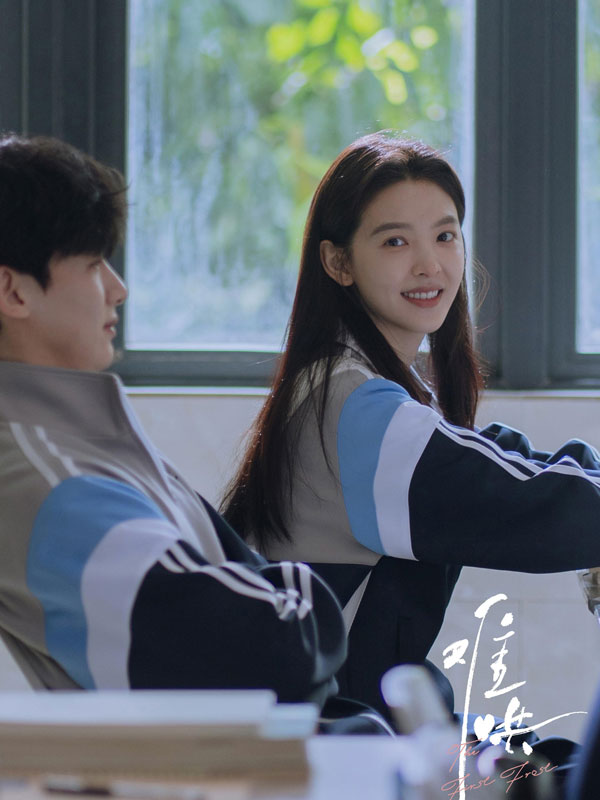
The First Frost is the only modern romance in the Top 10.
As a widely beloved "world classic" in modern romance fiction, its audience was primed long before the drama aired. The adaptation nailed two core elements: the heart-wrenching experiences of the female lead, Wen Yifan (played by Zhang Ruonan), and the theme of pure redemption.
Wen Yifan's situation mirrors the real inner struggles of many women: lacking love or material support from her birth family, enduring malice including sexual harassment during her formative years, feeling wronged, broken, and helpless with no one to rely on. This inner void creates an intense feeling of being undeserving.
Sang Yan (played by Bai Jingting), her high school classmate who secretly liked her, tried to fill that void. But adolescent poverty, low self-esteem, and a lack of love meant he couldn't properly express his feelings.
Years later, they reunite. She's still struggling, yet his love for her remains fresh, seemingly never expiring. This creates the push-and-pull tension of their romance. They reconcile through a series of mishaps leading to cohabitation. The love Wen Yifan receives–a potent blend of fatherly care, motherly nurturing, deep friendship, and romantic partnership–holds immense power, finally healing her scarred heart.
This love represents pure redemption, the exact lifeline she needed. For a modern romance drama, clearly articulating what this specific female audience lacks and needs is paramount. The First Frost absolutely delivered on that.
5. The Prisoner of Beauty 折腰
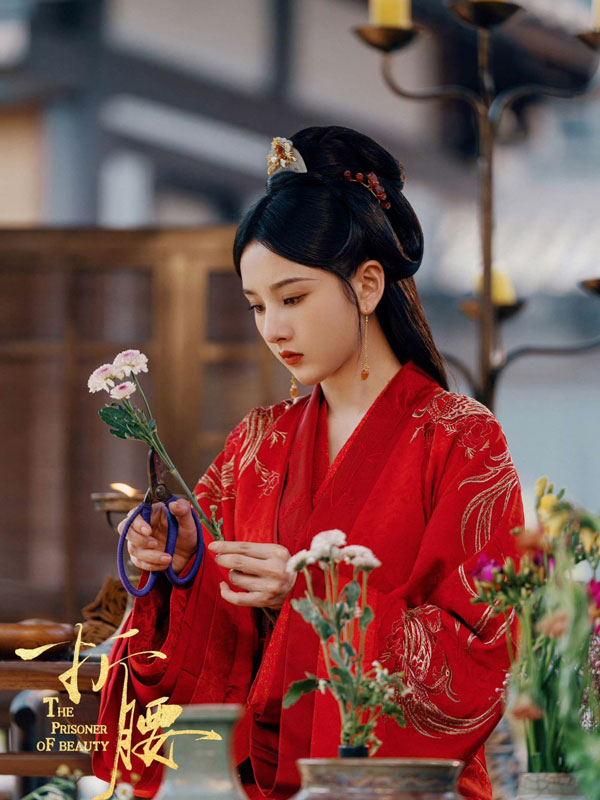
We knew The Prisoner of Beauty performed well, but seeing its V30 ranking truly shows how well. After all, as a costume romance delayed for nearly two years, even if it finally aired, there was a strong risk its core premise or visual style might feel outdated, causing it to fall flat.
But The Prisoner of Beauty defied expectations. While the somewhat cartoonish portrayal of its political scheming drew some criticism, audiences ultimately voted with their remotes–the viewers who wanted to watch, did.
Its overall lighthearted, comedic adaptation suited mainstream tastes. The approach of "if the sky falls, the female lead's beauty will hold it up" was straightforward but effective. Transforming the original "tragic love" heroine into a woman of intelligence who cares deeply about the realm also aligned well with current audience sensibilities.
This drama proved:
Director Deng Ke's consistent aesthetic vision.
Screenwriter Nan Zhen's forward-thinking adaptation skills.
Song Zuer's pure star power and ability to carry a show.
Liu Yuning's solid market base and dedicated fan support.
The Prisoner of Beauty truly embodied the saying "good things come to those who wait". In our impatient fast-forward era, this "little bit of luck" qualifies as a "little miracle."
6. Six Sisters 六姊妹
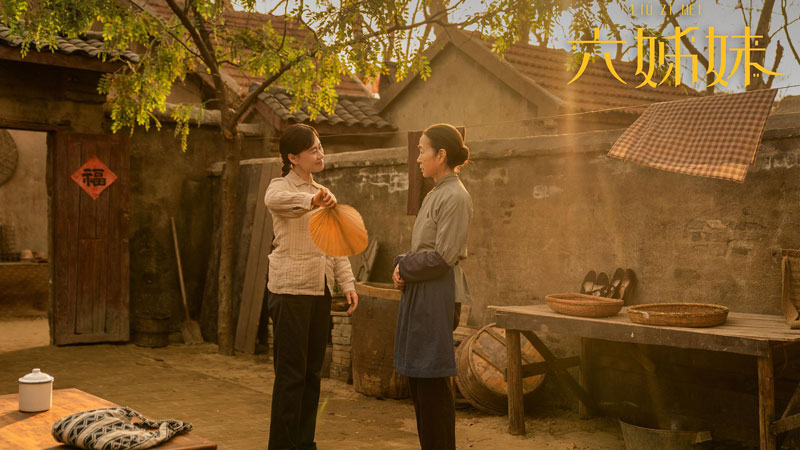
Conventional wisdom says period family dramas like Six Sisters usually score high on traditional TV ratings, but achieving such high online V30 views is genuinely uncommon.
Consider this: even a massive, universally popular period drama like A Lifelong Journey only managed 47.11 million V30.
Plus, Six Sisters had to contend with the overall decline in total drama streaming views this year.
So why did its online performance excel?
Platform Power: Tencent Video's strong market share certainly played a role.
Creative Choices: Young audiences positively responded to the drama's willingness to show the limitations of the parental generation, its glimpses into the tears and grime of the era (though sparingly), and its ambitious ensemble family structure.
But regarding the online success of a period family drama, let's venture a bold guess:
Is it possible that the core subscriber base of long-video platforms–those willing to pay (mainly because they can't find pirated versions)–is itself aging, even reaching the "silver-haired" demographic?
7. The Glory 雁回时
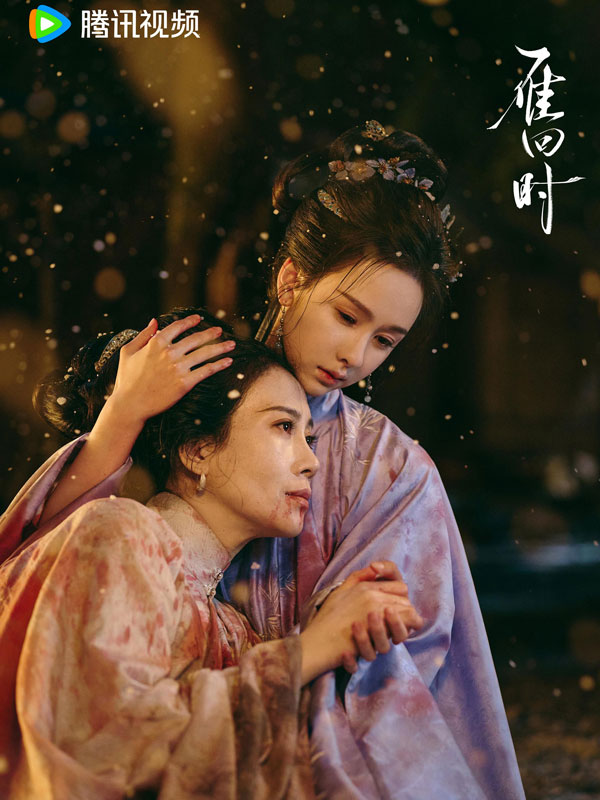
The Glory is the only female-centric underdog-to-top drama in the Top 10. Its extreme, short-drama-like setup won over the underlying market instantly:
Female lead Zhuang Hanyan (played by Chen Duling) was born into nobility but raised in harsh rural adversity. She killed an abusive relative to survive. After returning to the Zhuang mansion, she faced relentless bullying, overcoming each obstacle to rewrite her destiny.
Zhuang Hanyan perfectly fits what many female viewers want in a "perfect heroine": a strategic mind, knowledge of all the tricks (implying cunning/survival tactics), well-educated and proper, yet fiercely strong-willed and decisive.
It knew exactly what its female audience wanted to see.
The male lead, Fu Yunxi (played by Xin Yunlai), is Zhuang Hanyan's former brother-in-law. Their romance carries an inherent layer of forbidden tension due to this past connection.
Furthermore, the male lead's view on a partner was refreshingly unconventional: he didn't seek thriftiness, domestic skills, or meek obedience. Instead, he valued someone who was "clear on gratitude and grudges, courageous and resourceful."
The hidden satisfaction here? A woman being valued and loved by the man not for her beauty or homemaking skills, but for her intellect and strength.
It knew exactly where its female audience felt the pinch.
Zhuang Hanyan teaming up with her mother, Ruan Xiwen (played by Wen Zhengrong), to take down her father, Zhuang Shiyang (played by Yu Entai), subtly revealed a core truth: the root cause of both Zhuang Hanyan's misery and her mother's suffering was the father. The "fate" Zhuang Hanyan needed to defy was, fundamentally, patriarchal oppression.
Layering these satisfying elements atop solid pacing ensured The Glory's steady success.
8. The Demon Hunter's Romance 无忧渡
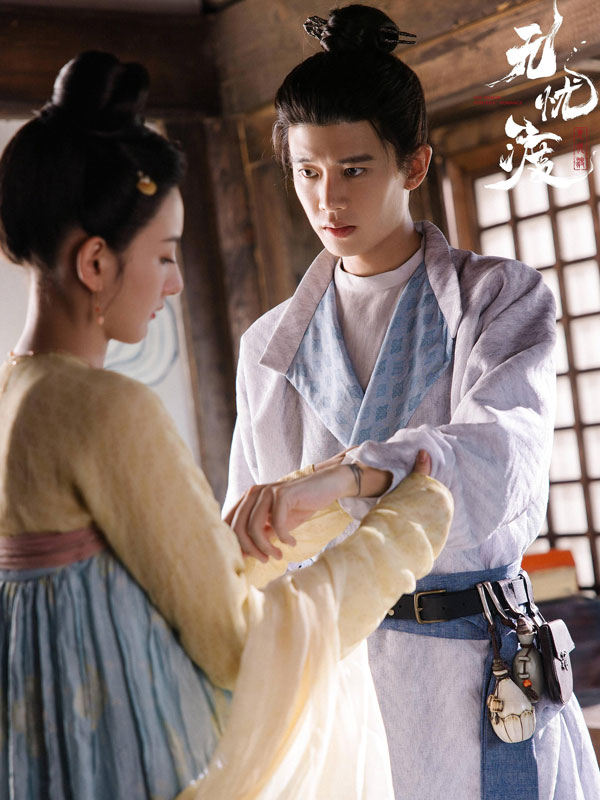
The Demon Hunter's Romance's strength lies in its distinctly vintage feel.
In the recent costume romance market, many productions chased grand narratives and intense emotions, leading to formulaic, samey content that left audiences somewhat fatigued. The Demon Hunter's Romance, however, was smaller in scale, lighter in tone, and focused on revealing human nature through supernatural tales. Its balanced cinematography evoked the feel of classic costume dramas.
This Strange Tales from a Chinese Studio (聊斋)-style supernatural anthology, presented in episodic stories with Chinese-style horror atmosphere, held strong appeal within its niche.
It carried forward the traditional Chinese zhiguai literature's function as a moral fable, while integrating a modern perspective for a well-blended narrative approach.
The main characters–the young girl Duan Banxia (played by Song Zuer) and the demon hunter Jiu Xuanye (played by Ren Jialun)–had solid foundations. Their subtle yet meaningful emotional interactions created strong chemistry.
The supporting character arcs were equally rich. Stories like the "Jasper Pear Mystery" and "Puppet's Heartbeat" left a lasting impression. Each episode, with its cautionary fable-like core, offered valuable reflection.
In short: Eastern aesthetics, traditional values, modern lens.
Lead actress Song Zuer's strong audience rapport, coupled with her long absence from screens, also helped boost The Demon Hunter's Romance's buzz.
9. Moonlight Mystique 白月梵星
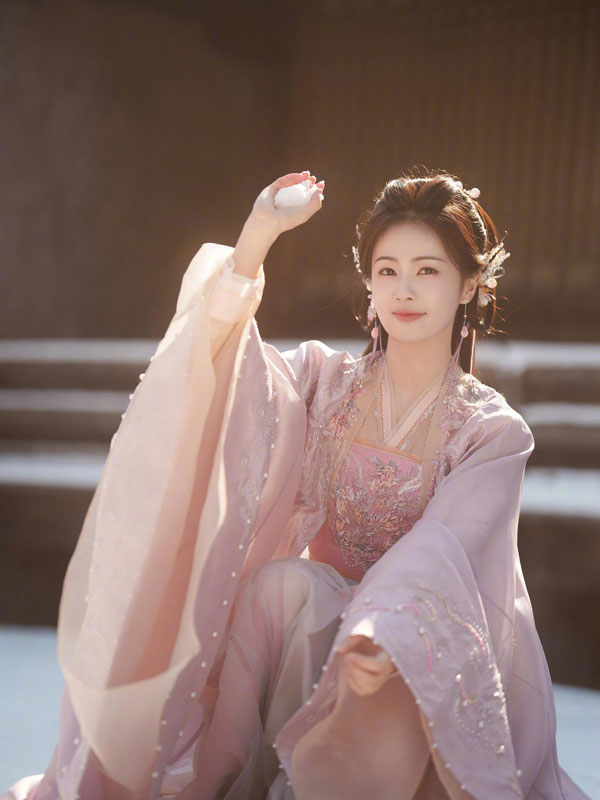
A DeepSeek analysis could list many reasons for Moonlight Mystique's strong performance.
It could cite:
"Reversed Immortal Realm" world-building
"De-sacralization" of the immortal clans
Unit-story structure + fast pacing
"Female-centric" path to mortal cultivation
Career-first approach to relationships
Innovations in VFX, costumes, and sets
Blend of choreography and live-action filming
But here's the thing: other fantasy romance dramas are competing fiercely on these exact same points.
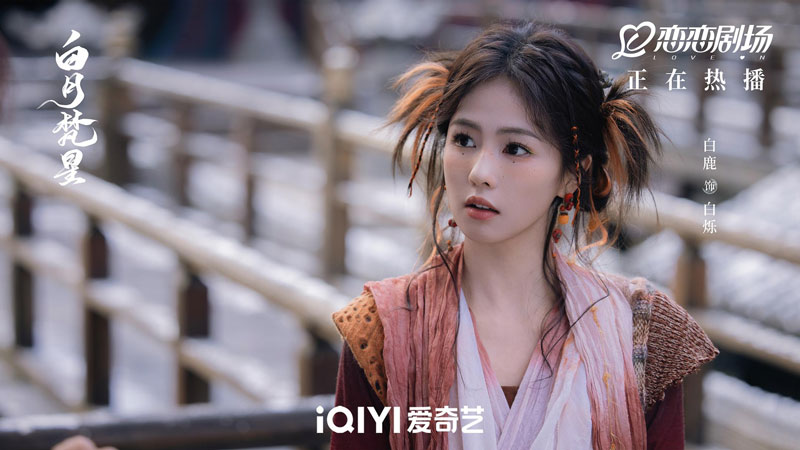
So why did Moonlight Mystique, without a massive creative edge, still land in the Top 10? Its biggest advantage came from outside the script: lead actress Bai Lu.
Bai Lu isn't classically trained. Though Yu Zheng's backing gave her a strong debut, she still needed to earn industry recognition.
2023 was her breakthrough year. Her leading roles in Till the End of the Moon and Story of Kunning Palace met high viewership expectations. She also won awards like Weibo Night's "Actor of the Year - Breakthrough" and iQiyi Scream Night's "Scream Actress."
Following the trajectory of top actresses, 2023 marked her industry acceptance. Crucially, she had no new dramas airing throughout all of 2024.
This pent-up anticipation poured into Moonlight Mystique–the first of her 2025 dramas to premiere. The drama's own strengths effectively met the high expectations surrounding Bai Lu, fueling its subsequent strong performance.
10. A Better Life 蛮好的人生
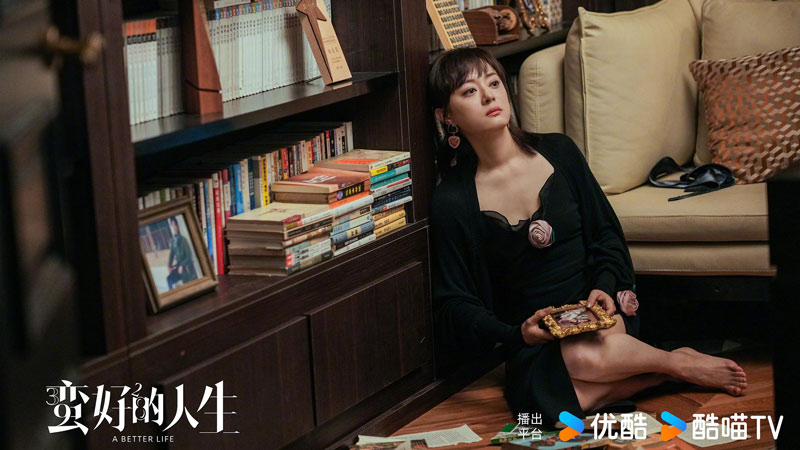
A Better Life stood out in the first half of the year for three key reasons:
It ditches slow setup. Dense conflicts are compressed. Within just three episodes, it covers the setbacks female lead Hu Manli (played by Sun Li) faces in marriage and family life. Then, she dives headfirst into her career, progressing at lightning speed.
While moving fast, every episode packs high-impact moments. The emotional rollercoaster delivers a "satisfying rush" more typical of short dramas, even within a full-length series.
With both family and career crashing down, Hu Manli faces a rock-bottom starting point. She smashes her past and starts over, achieving a dramatic reversal by thriving in the insurance industry.
Her partner, Xue Xiaozhou (played by Dong Zijian), evolves from a greenhorn into a steadier professional, showing clear growth.
Crucially, both Hu Manli and Xue Xiaozhou have flaws–vanity, impulsiveness. This authentic imperfection lends the story a relatable, lived-in texture.
As an insurance agent, Hu Manli's work naturally intersects with vital social issues: healthcare, marriage, eldercare. The show provides a cross-section of contemporary urban life.
Through individual insurance policies, viewers see not just rich stories, but the complexity of city living, sparking widespread resonance. This inherent topicality strongly aided the drama's breakout appeal.
 Conclusion
 Conclusion
These results weren't easily won. Many of these dramas deserve rewatching, and their successes offer valuable lessons.
However, a stark comparison highlights this year's challenge for long-form dramas:
May 2023 saw Joy of Life Season 2 achieve a staggering 98.09 million average V30 views.
The best performer of H1 2025, DRIFTING AWAY , managed only 54.9 million.
This near-halving of the top score underscores the difficulties long dramas faced this half-year.
Beyond shifting audience attention, this year's dramas often lacked creative substance. Fewer shows offered deep reflections on history or the human condition. More were slick but shallow, offering easy platitudes. Fewer found poetry in everyday life or treated real-world subjects with true realism. More resorted to short-drama tactics, focused solely on fulfilling basic cravings.
Drama creation cannot drift indefinitely towards lightweight, slogan-driven content. Especially not now, with short dramas aggressively grabbing attention and viewer loyalty wavering.
A diverse landscape is essential. But for long-form dramas to endure, they must forge their own unique, powerful weapons. That's the only path to lasting relevance.