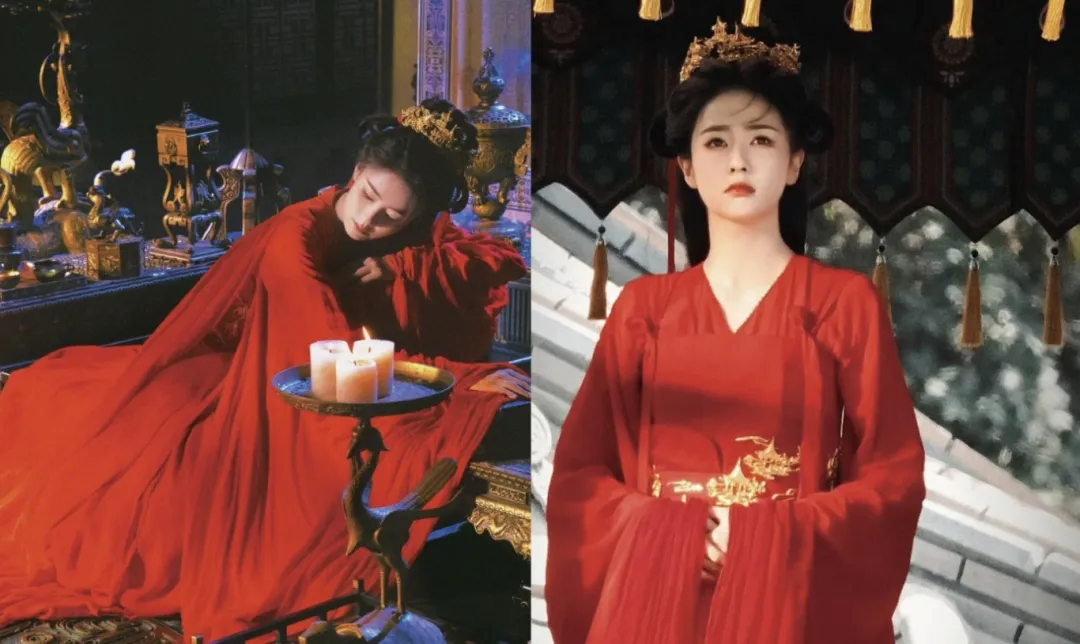
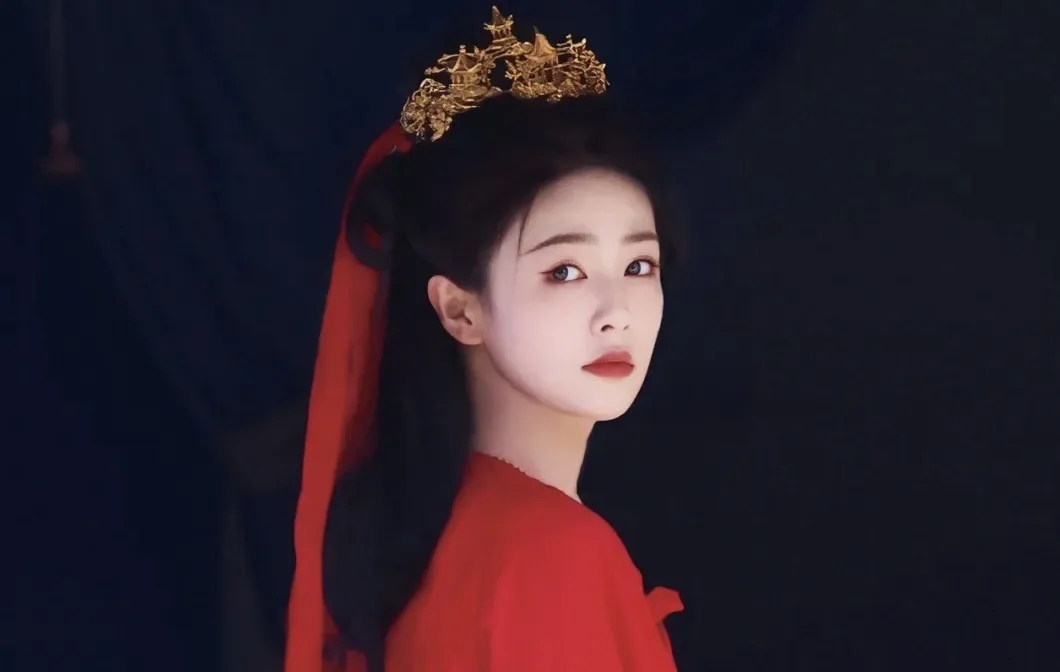
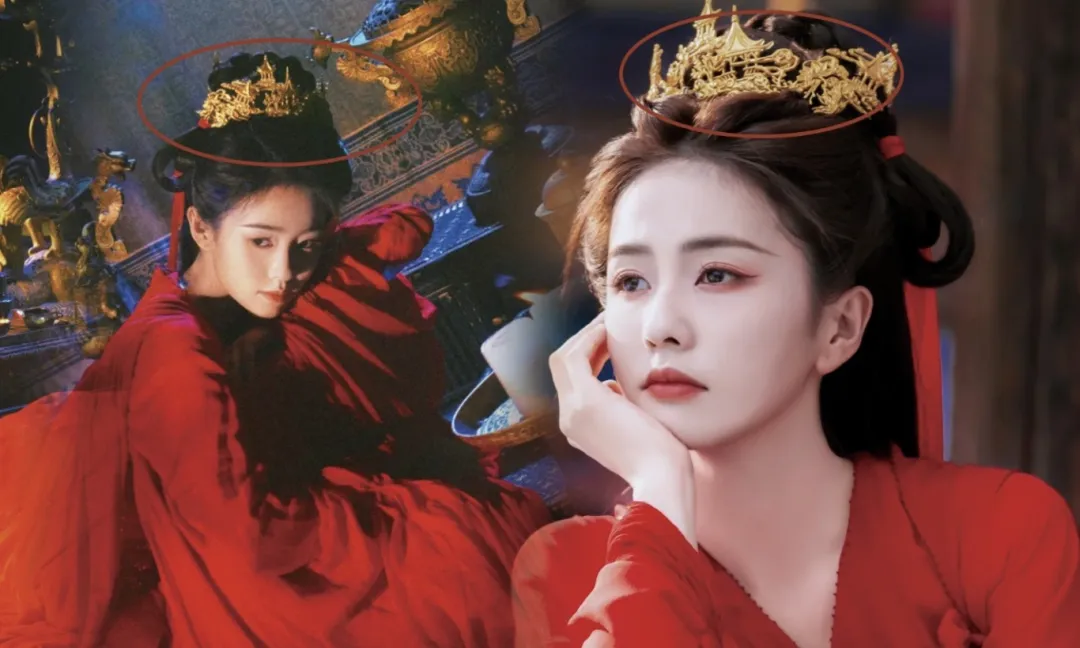
What exactly is the hair accessory worn on the head of Li Qingyue, played by Bai Lu in Feud (临江仙)? When did pavilions and towers start being used as direct head ornaments? What does this hairpin symbolize? Does it have any special origin? First, let's get to the conclusion. This kind of hairpin with the design of celestial mountains and pavilions on the sea was quite popular among noblewomen in the Ming Dynasty. It symbolized the family's status and supreme glory and represented the ancient people's beautiful vision of ascending to immortality. It's said that "immortals prefer to live in buildings". The Book of Han mentions that immortals live in palaces made of gold and silver. So, does wearing this hairpin with pavilions bring one closer to ascending to immortality?
If we talk about it, this kind of hairpin actually has a cultural relic prototype. Although it's not as large and exaggerated as the current props in TV dramas, it's even more delicate. The gold hairpin of Concubine Wan, the wife of Prince Yizhuang (Zhu Houye) of the Ming Dynasty, not only features pavilions and towers in a tiny space above the hairpin. There are also statues and attendants in the rooms, even cranes and sika deer, with auspicious clouds and pine trees on the periphery. It can be said that it vividly interprets this beautiful vision of ascending to immortality.
One morning in the autumn of the 18th year of the Wanli reign, an old woman finally closed her eyes and passed away in the Yifuwang Mansion in Nancheng, Jiangxi. She was Concubine Wan, who was once highly favored. Her husband, Prince Yizhuang, the seventh - generation descendant of Zhu Yuanzhang, had passed away 34 years ago. After that, she ate a vegetarian diet and lived in seclusion, paying no attention to worldly affairs. She married him at the age of 16 and was only 25 when her husband died. She remained a widow for 34 years without any children by her side. She was tired, didn't seek medical help when she was ill, and then she left. Only this hairpin with pavilions accompanied her through the once - glorious years, becoming both the companion and the shackle in her life. It was buried underground with her and reappeared in the world more than 400 years later.
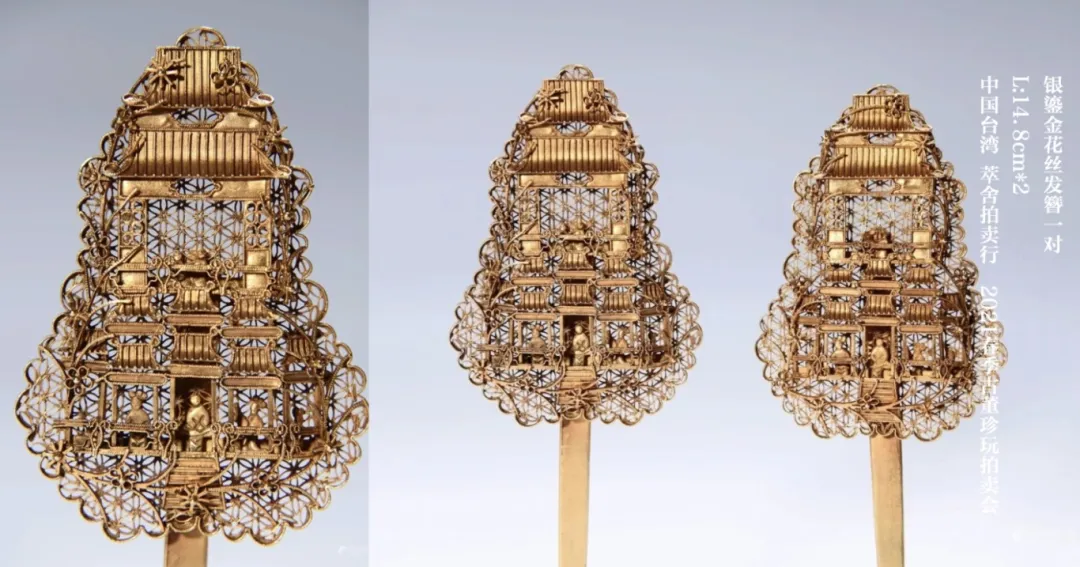
How intricate is this hairpin? For example, the hairpin used to cover the temples in the picture above involves four types of craftsmanship. It's in the style of a two - story miniature pavilion with overhanging eaves and corner rafters, as well as railings and window lattices, looking very realistic. The eight figures in the pavilion have different postures and are lifelike. Using the superb filigree - work technique, the gold material is drawn into extremely thin gold wires, and then the craftsmen weave them into various patterns and weld them onto the hairpin. There are a total of nine such hairpins, which can truly be said to have pavilions and towers adorning the head.
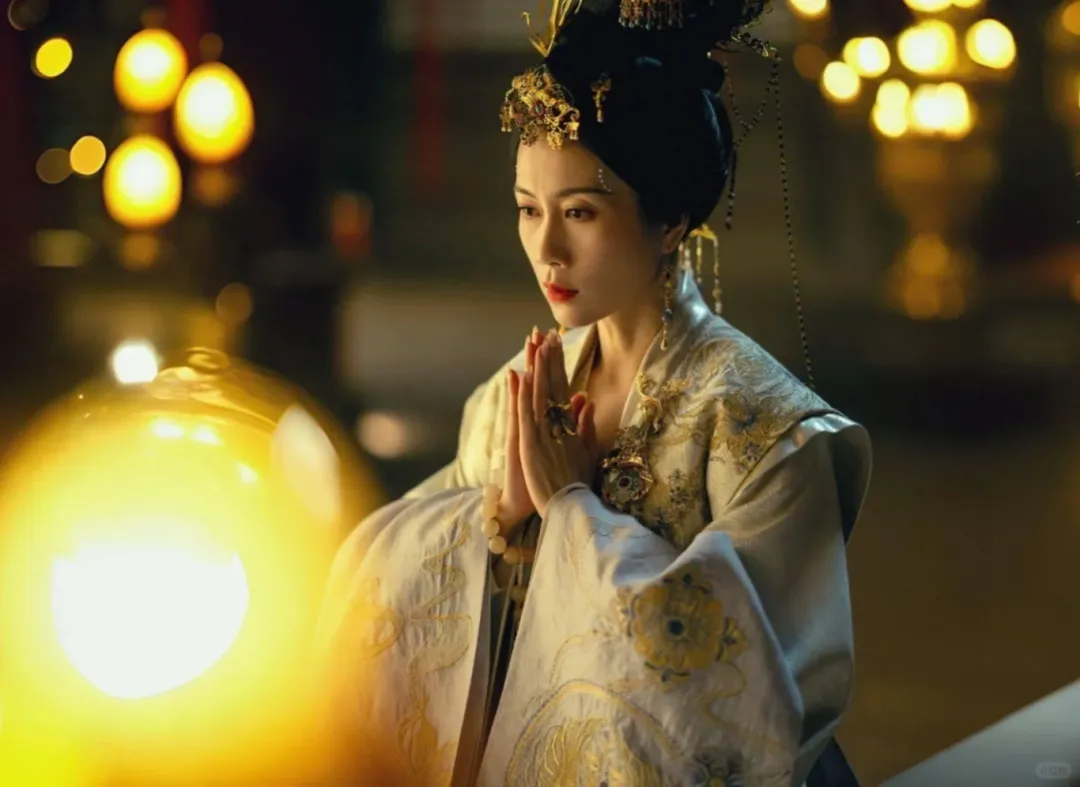
"The higher you are, the colder it gets." When the dream is shattered, the pavilions and towers that each person builds for themselves also collapse. Whether it's Concubine Wan in history or Li Qingyue in the TV drama, what awaits this character is either self - atonement in the passage of time or the search for a new beginning. So, the pavilions were once a beautiful vision and at the same time a prison that locked oneself in. The more people in the world desire something, the more they may face loss. What these small hairpins leave in the dust of time may be remembrance or a regretful yearning.
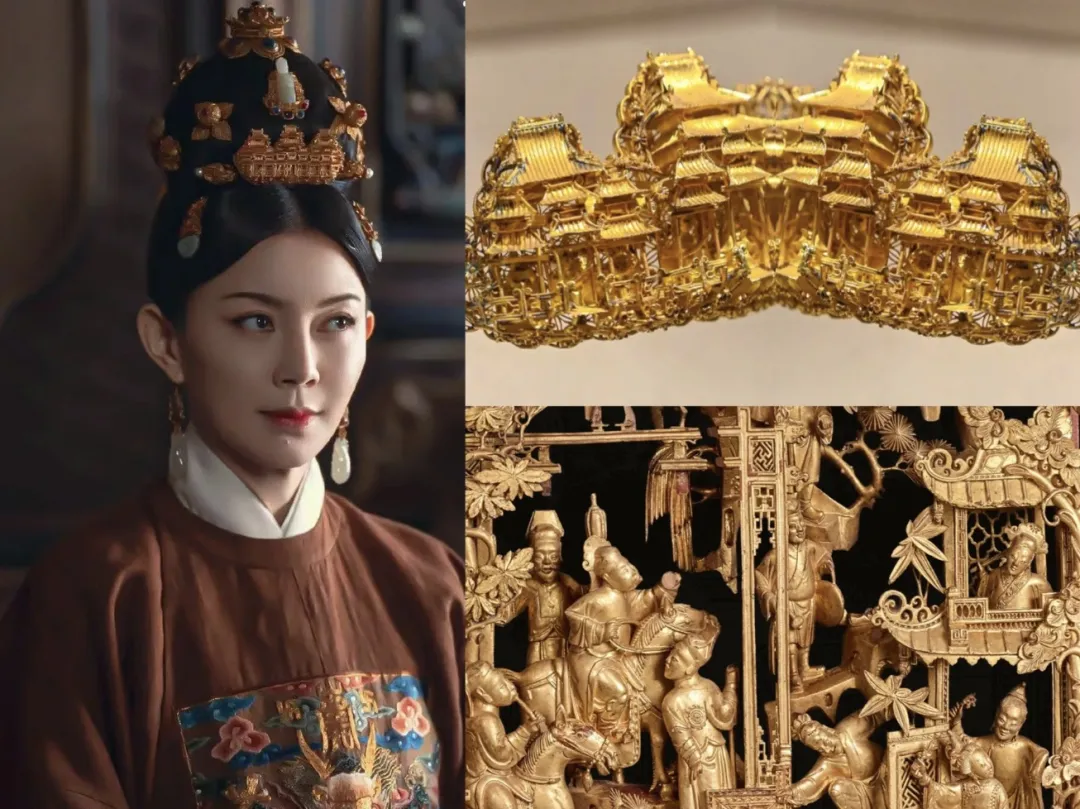
And with such ingenuity and craftsmanship, even if we don't use them, others will appropriate them. As early as 2005, Alexander McQueen and his senior fellow - apprentice had already used the elements of pavilions and towers in the decorations of runway models, and they also made good use of the intangible cultural heritage of soft wood carving in places like Chaozhou and Fuzhou. This was 5 or 6 years earlier than the appearance of similar styles in the film Flying Swords of Dragon Gate. There are still many crafts waiting for us to discover and promote. What domestic TV dramas have learned so far is still just the tip of the iceberg! In the future, we should pay more attention to these precious cultural heritages and let them shine in modern works.