
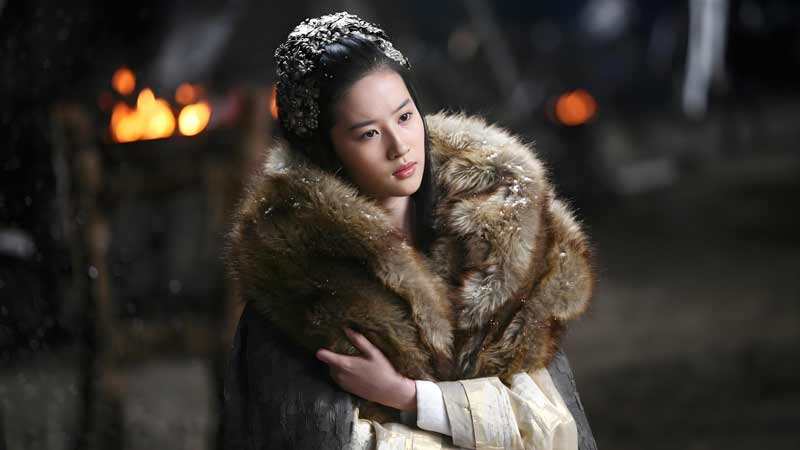
Amidst the ever-shifting sands of cinematic fashion, a quiet revolution unfolds: the return of authentic Hanfu aesthetics. Gone are the days of excessive ornamentation and anachronistic "violation structures"; audiences now crave the distilled elegance that defined historical dramas of the past. This resurgence isn't mere nostalgia; it's a celebration of how meticulously crafted simplicity – the drape of ancient fabrics, the gleam of silver adornments, the subtlety of period-accurate hairstyles – can amplify storytelling and etch characters into memory. Three actresses, through distinct roles, embody this powerful return to form, proving that true visual poetry lies in honoring the past.
1. Liu Yifei (刘亦菲)
Few images linger as powerfully in Chinese cinematic history as Liu Yifei's portrayal of Yu Ji (虞姬) in White Vengeance (鸿门宴传奇). Stripped of elaborate modern hairdos or distracting embellishments, her performance relied on raw grace and impeccable authenticity. The costume spoke volumes: flowing robes reflecting the dignified austerity of the Han dynasty, paired with broad, intricately worked silver headpieces that shimmered with every movement, capturing the character's ethereal spirit. This near-minimalist approach created a visual purity, making the tragic farewell between Yu Ji and her lord, Xiang Yu (项羽), profoundly resonant. Liu Yifei's innate elegance merged flawlessly with the historical design, demonstrating that profound beauty often resides in restraint and fidelity to period detail. Her Yu Ji remains the benchmark against which classical portrayals are measured.
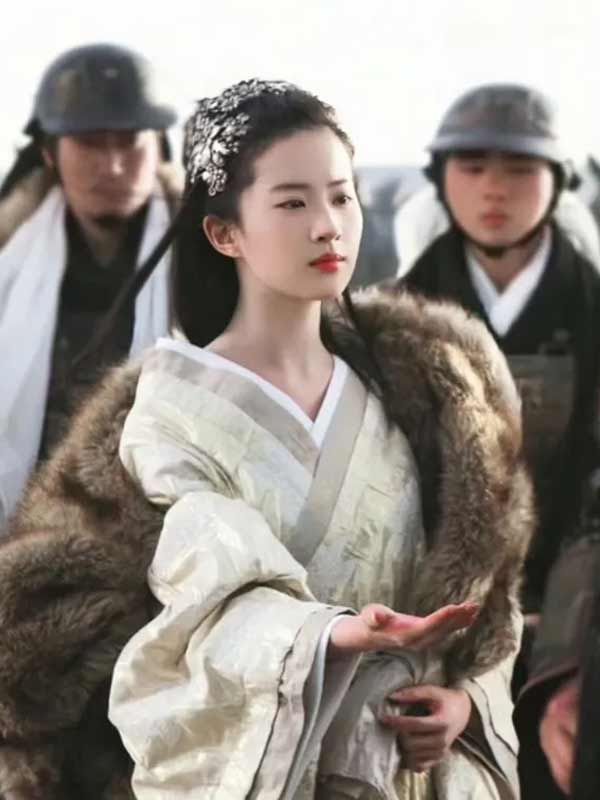
The power of this look wasn't solely reliant on the actress's renowned beauty. It was the deliberate choice to forgo contemporary interpretations of "glamour" in favor of historical texture. The fabrics possessed a tangible weight and drape, the silver ornaments felt handcrafted and significant, not mere costume jewelry. Every element, from the neckline to the sleeve shape, whispered authenticity, transporting viewers directly into the heart of the Han dynasty court. This commitment to realism elevated the character beyond aesthetics, grounding her in the world's reality.
Yu Ji's enduring legacy lies in this perfect marriage of actor, character, and costume. It proved that audiences connect deeply with visual honesty. The lack of modern artifice didn't diminish the impact; instead, it amplified the emotional core of the story. Liu Yifei’s face, framed by historically accurate hair and adornments, became a canvas where ancient history and timeless tragedy played out, proving that sometimes, less truly is more when evoking a bygone era.
2. Chen Duling (陈都灵)
In the recent series Yuelin Qi Ji (月鳞绮纪), Chen Duling offers a different, yet equally compelling, interpretation of classical aesthetics. As Mist Witch Priest Wu Yan, her look incorporates subtle "Fa Bao" elements, achieving a delicate "head-wrapping-face" effect that enhances her features while remaining grounded in an ancient aesthetic. The brilliance lies in the details: antique-inspired silver hairpins and ornaments, meticulously placed, possess an almost archaeological feel, whispering tales of forgotten rituals and sacred duties. Chen Duling’s naturally refined features find perfect expression here.
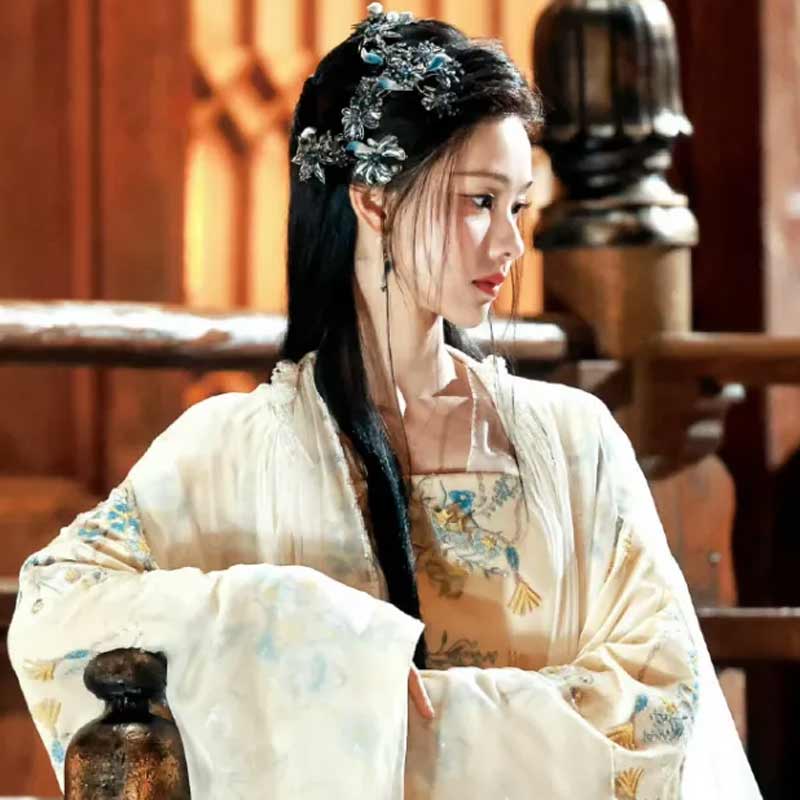
Shifting camera angles reveal further depth. Strategically placed wispy strands framing her forehead introduce a touch of vulnerability, a poignant fragility that aligns beautifully with the character's mystical and burdened role. The costume palette, often muted silvers, soft blues, and earthy tones, complements the intricate metalwork, reinforcing her connection to the spiritual and the elemental. Unlike the courtly elegance of Yu Ji, Wu Yan's aesthetic speaks of wilderness, ancient knowledge, and a quiet, contained power.
Chen Duling consistently demonstrates remarkable versatility within historical roles. From poised nobility to this ethereal priestess, she embodies distinct personas, largely aided by thoughtful costume and styling choices. Her ability to convey character through posture and expression, enhanced rather than overshadowed by her Hanfu, makes her a standout in the genre. The anticipation surrounding her upcoming projects stems directly from this proven ability to bring unique life to diverse historical figures through a harmonious blend of performance and visual authenticity.
3. Yang Rong (杨蓉)
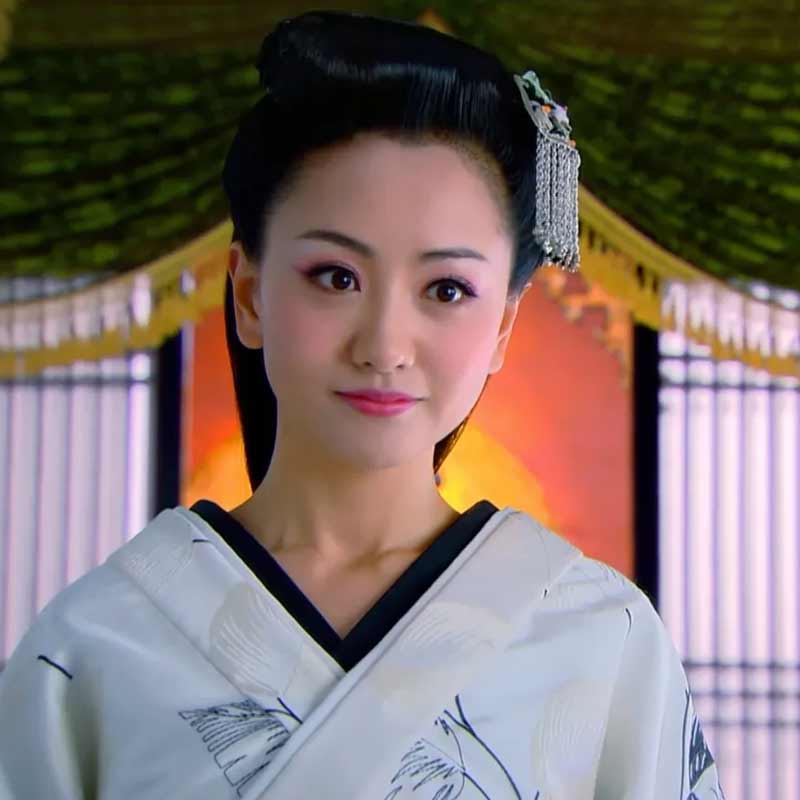
While perhaps less globally ubiquitous, Yang Rong's performance as Huo Chengjun (霍成君) in Love Yunge From the Desert (大汉情缘之云中歌) stands as a masterclass in how potent character acting elevates period costume. Her Han dynasty attire, particularly a stunning silver headdress with cascading, finely detailed fringes, exemplifies the era's intricate craftsmanship. Visually, the materials might appear less opulent than Liu Yifei's Yu Ji robes, yet Yang Rong imbues them with profound significance through her performance. Her Huo Chengjun is complex – ambitious, cunning, ultimately tragic – and the relatively simpler costumes become a canvas for her expressive talent.
Remarkably, the perceived modesty of the materials never diminishes the character's impact. Instead, Yang Rong's commanding presence and nuanced portrayal transform the look. Her ability to convey layers of emotion – ambition, resentment, vulnerability – through subtle gestures and expressions ensures that the costume serves the character, not the other way around. The silver fringes catch the light as she moves, becoming extensions of her shifting moods. This synergy proves that compelling historical drama hinges on the actor's ability to inhabit the clothes and the era they represent.
These diverse portrayals – Liu Yifei's pure elegance, Chen Duling's ethereal mysticism, and Yang Rong's character-driven authenticity – showcase the incredible range achievable within authentic Chinese historical aesthetics. They serve as a powerful reminder: innovation in period drama doesn't require abandoning the past. True artistry lies in understanding historical context, respecting craftsmanship, and allowing costume, hairstyling, and performance to work in concert to create unforgettable characters. Moving beyond homogenized "beauty shots" and embracing distinct, story-driven designs isn't just refreshing; it's vital for the continued evolution and global resonance of Chinese historical storytelling. Which vision of Hanfu artistry left its mark on you?
