Article
Search results:
-
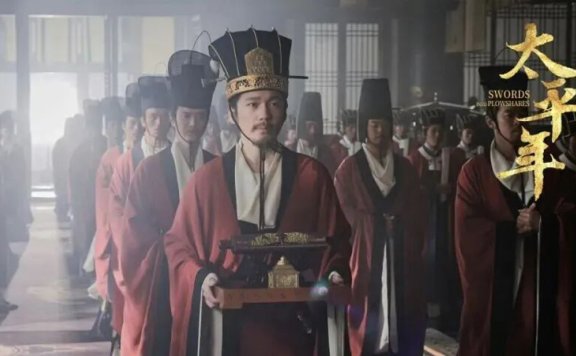
Qian Hongchu’s Sacrifice for Wuyue’s Peace
What if peace, not conquest, was the greatest power move in ancient China? The 2026 historical drama Swords into Plowshares (太平年) has captivated audiences by shifting the spotlight from the familiar tales of Song dynasty founder Zhao Kuangyin (赵匡胤) to a seldom-told story of sacrifice. Set in the turbulent final years of the Five Dynasties and Ten Kingdoms period, the series focuses on Qian Hongchu (钱弘俶), the last ruler of the Wuyue (吴越) Kingdom. His agonizing decision to surrender his realm to the burgeoning Song dynasty—a move known as Natu Guisong (纳土归宋)—forms the emotional core of the narrative. This drama does not just reenact battles; it explores a profound question: how does a chaotic world find peace? To truly appreciate the weight of Qian's choice and the turbulent era he inhabited, one must dig into the historical soil. The following books offer a pathway to understanding a period often overshadowed by the dynasties that bookend it, revealing the political savvy, human emotion, and enduring legacy behind the drama's compelling plot. The Man Who Chose to Lose The genius of Swords into Plowshares lies in its perspective. Standard historical narratives of this era glorify the winners, like Zhao Kuangyin, the founder… -
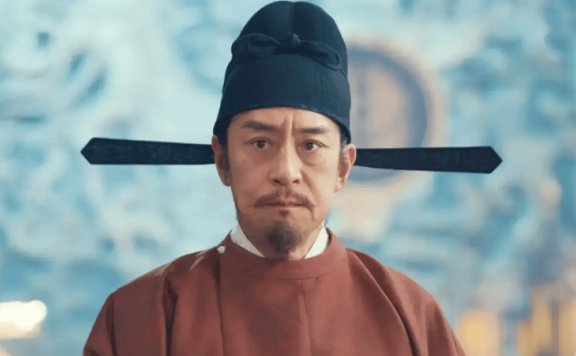
Feng Dao’s Legacy in Swords into Plowshares
When a wise minister passes from the scene, the delicate balance of an empire often crumbles with him. The historical drama Swords into Plowshares (太平年) uses the death of the legendary counselor Feng Dao (冯道) as its pivotal turning point, forcing viewers to re-examine the fates of two key rulers: Guo Rong (郭荣) and Qian Hongchu (钱弘俶). Feng Dao was more than a politician; he was the anchor of stability across multiple dynasties. His departure left a power vacuum that no military campaign could fill. Without his steadying hand and strategic foresight, the young emperor Guo Rong pushed himself to a fatal end on the battlefield. Meanwhile, in the lush south, King Qian Hongchu of Wuyue (吴越) found himself isolated, his diplomatic flexibility no match for the changing tides of a unified empire. The narrative cleverly suggests that Feng Dao's death was not just the end of a man, but the end of an era—an era where personal loyalty and measured governance might have prevented the brutal conquests and forced surrenders that followed. The show paints a picture of what could have been, highlighting how the absence of a single voice of reason reshaped the destiny of a nation. The… -
6 Women’s Struggles in Swords into Plowshares
What happens to women when empires fall and kings submit? History textbooks rush through the chaos with dates and battle names, rarely pausing to ask: where were the wives, the mothers, the queens? The Chinese television drama Swords into Plowshares (太平年) refuses to look away. It pulls viewers into the turbulent tenth century, when the Five Dynasties and Ten Kingdoms clawed at each other’s throats. At the center stands Wuyue (吴越) King Qian Hongchu (钱弘俶), a man who cooperated with Song Emperor Zhao Kuangyin (赵匡胤) to destroy the Southern Tang. But the show’s real heartbeat belongs to its women. They are not merely ornaments to male ambition. They are pawns, survivors, victims, and, occasionally, victors in a game they never chose to play. Their six very different endings reveal the brutal truth about "peace" won through swords and submission. 1. Madam Yu (俞大娘子) Madam Yu operates on a different level from the desperate noblewomen trapped in palaces. She controls Huanglong Island (黄龙岛), commanding a fleet of warships and trade vessels that would make any warlord envious. Her wealth is not inherited; it is built. She navigates the shifting alliances between Wuyue, the Later Zhou (后周), and the rising Song dynasty… -
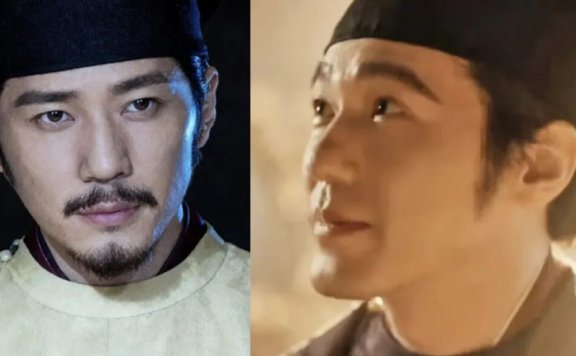
Why Modern Chinese Men No Longer Grow Beards?
When Qian Chu (钱弘俶) appeared in the new historical drama Swords into Plowshares (太平年) sporting a thick beard, Chinese social media erupted. Viewers noted how the facial hair, paired with traditional Hanfu, transformed the characters appearance, lending an air of authority and maturity that a clean-shaven face simply could not achieve. This sparked a curious debate: why did beards, once an essential marker of manhood for centuries, virtually disappear from the faces of modern Chinese men? To the ancients, a beard was far more than mere hair. It was a symbol of wisdom, a marker of social status, and an integral part of one's identity. Historical records are filled with tales of men who took extraordinary care of their facial hair. The Tang Emperor Taizong (唐太宗) cultivated a curly beard to project an image of unshakeable power. The famous official Cao Cao (曹操) was so protective of his beard that he wrapped it in a silk bag before sleeping. These weren't just eccentricities; they reflected a deep-seated cultural value where a well-kept beard was a source of pride and a visual representation of one's character. Even the great judge Di Renjie (狄仁杰), before facing danger in a duel, would take… -
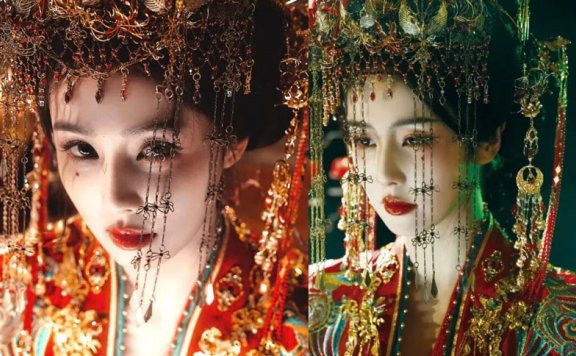
Why Bai Lu’s Ghost Bride Headdress Evokes Chinese Gothic Horror
Bai Lu's (白鹿) latest promotional images for the costume drama Unveil: Jadewind (唐宫奇案之青雾风鸣) have ignited a firestorm of discussion online. Dressed as a spectral bride, she presents an image that is both captivating and deeply unsettling. The elaborate headpiece, with its curtain of beads obscuring her face, has left many viewers asking a single, chilling question: why does this particular style of wedding attire evoke such a strong sense of Chinese gothic horror? A Headpiece Lost in Time The answer lies not in the Tang Dynasty setting of the show, but in a much later period of Chinese history. The crown worn by Bai Lu is a stylistic echo of the phoenix crowns popular during the late Qing Dynasty and the early Republican era. Unlike the strictly regulated imperial crowns of earlier dynasties, these later versions became accessible to common women for their wedding day. This period saw a flourishing of craftsmanship, but also a tendency to blend various decorative elements, resulting in a style that felt less restrained and more eclectic than its predecessors. It was a time when the phoenix crown, once a symbol of elite status, became democratized, leading to regional variations and a profusion of folk… -
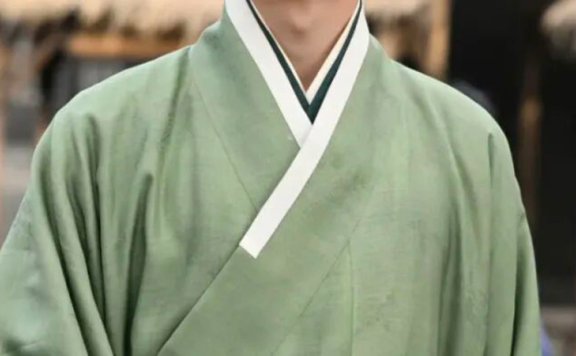
What Collar and Sleeve Reveal About Leadership
Have you ever stopped to think that one of the most powerful words for a leader originally referred to the parts of a garment most likely to get dirty? In Chinese, the term for leader, Lingxiu (领袖), is a compound of two everyday words: collar and sleeve. It’s a Linguistic oddity that begs the question: how did the highest part of a shirt and the end of an armhole become synonymous with guiding nations and shaping history? This journey from practical clothing to profound metaphor reveals a fascinating story about how a culture views authority, integrity, and the very fabric of social standing. Where the Word Takes the Lead The story begins with the collar, known in ancient texts as the Ling. It wasn't just a functional piece of fabric. In the Han Dynasty, a scholar named Liu Xi (刘熙) wrote in his etymological dictionary, Shi Ming (释名), that the collar was the "head" of the garment. Positioned at the very top, near a person's head, it was the most visible and commanding part of an outfit. It framed the face and, when made stiff and upright, projected an image of discipline and rectitude. Think of it as the original… -
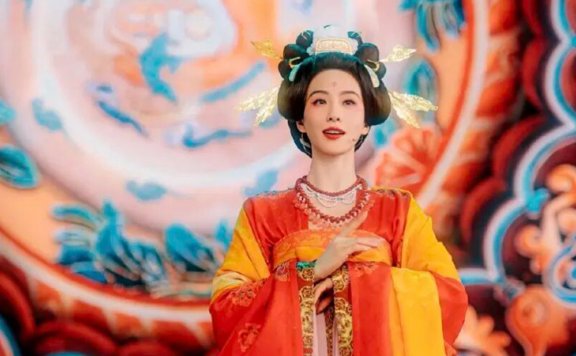
Traditional Hanfu Meets Modern Fashion on the Spring Festival Gala
For years, a quiet yet persistent question has floated among viewers right before the Lunar New Year's Eve: Will traditional Hanfu make an appearance on the Spring Festival Gala this time? It is a query loaded with anticipation, reflecting a growing public desire to see China's own historical attire celebrated on its biggest television stage. The answer is rarely straightforward, often involving a mix of subtle nods, full-blown spectacles, and sometimes, controversial misses. By looking back at recent galas, we can trace a fascinating journey of how Hanfu has gradually, and sometimes awkwardly, found its place in the national spotlight, moving from a niche interest to a topic of mainstream discussion. A Glimpse of Glory and a Dash of Modernity The most recent Spring Festival Gala, in 2025, offered a mixed bag for Hanfu enthusiasts. It did not feature a dedicated segment for traditional clothing, yet the attire was undeniably present. The opening sequence showcased internet celebrity Li Ziqi (李子柒), who wore an outfit inspired by Ming-style Hanfu. It featured a standing collar and a diagonal closure, but it was noticeably tailored with modern, figure-hugging techniques, a departure from the looser fit of historical garments. The piece cleverly retained traditional… -
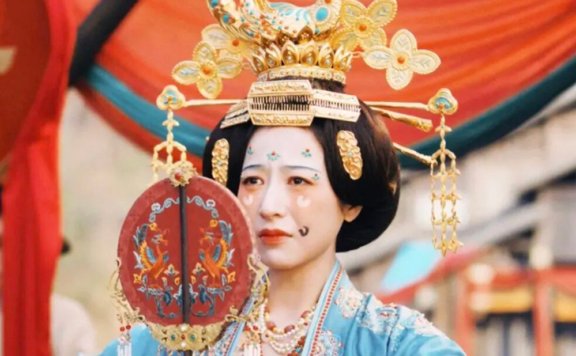
The Wardrobe Controversy of Swords into Plowshares
Can a 10th-Century Drama Get 10th-Century Costumes Right? A Look at Swords into Plowshares's (太平年) Wardrobe Controversy Period dramas walk a tightrope between historical authenticity and artistic license, but when a production explicitly promotes itself as a showcase for traditional Chinese clothing, the stakes become much higher. The recent buzz surrounding the drama Swords into Plowshares offers a fascinating case study. Viewers were deeply moved by the wedding scene of characters Jiu Lang (九郎) and Sun Taizhen (孙太真), yet eagle-eyed history enthusiasts quickly spotted a glaring problem: the costumes on display seemed to span three centuries of fashion history. This isn't just a minor quibble for pedants; it gets to the heart of how we represent the past on screen. The scene features Yu Daniangzi (俞大娘子), a figure based on a late Tang dynasty (唐朝) personality, wearing a headpiece popular during the Sui (隋) to early Tang periods, while Sun Taizhen (孙太真) herself is adorned in the style of a mid-to-late Five Dynasties and Ten Kingdoms period donor from the Dunhuang (敦煌) Murals. The visual effect, as one commenter noted, is akin to a relative in 1920s attire congratulating someone dressed in modern fashion. This jarring combination undermines the very… -
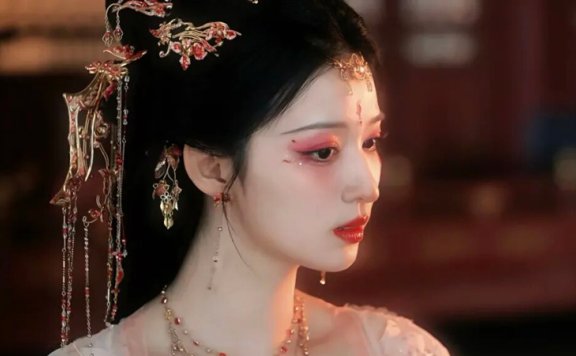
The Visual Art of Yu Wanyin’s Iconic Look
After roles like the gentle Liu Miantang (柳眠棠) in Are You the One (柳舟记) and the fiery Zhang Bihan (张妼晗) in Serenade of Peaceful Joy (清平乐), actress Wang Churan (王楚然) seemed to many viewers like the quintessential "pleasant white rabbit" of Song dynasty aesthetics. Her image was one of clean lines, delicate beauty, and a certain approachable elegance. This made her latest transformation all the more shocking. In the new hit series How Dare You (成何体统), she emerges not as a demure maiden, but as Yu Wanyin (庾晚音), a character the internet has unanimously dubbed a "seductive concubine" or Yao Fei (妖妃). This isn't just a new role; it's a complete visual and persona overhaul. How did the creative team behind the series and Wang Churan herself engineer this mesmerizing metamorphosis from approachable Song-style beauty to an unforgettable, almost otherworldly seductress? The answer lies in a deliberate and masterful deconstruction of her previous image, using bold makeup, unique accessories, and a strategic embrace of visual extravagance. The Eyes of a Fox Spirit The most immediate and arresting change is in her eyes. In How Dare You, Wang Churan's eye makeup is a departure from the clean, understated looks of her… -
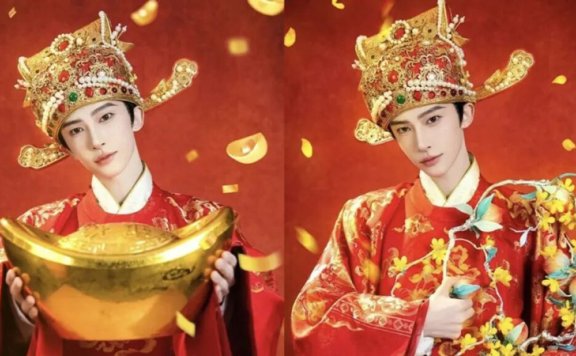
Liu Yu's Cai Shen Outfit on Spring Festival Gala
When Liu Yu (刘宇) appeared on Henan (河南) Satellite TV's Spring Festival Gala dressed as Cai Shen (财神), the God of Wealth, social media lit up. It wasn't just his performance that caught the eye, but the outfit itself. With a glittering hat adorned with golden coins, a vibrant red round-collared robe, and a gleaming gold ingot in hand, the look was unmistakable. This costume raises a fascinating question: Where did this instantly recognizable image of the God of Wealth come from? It's a uniform look we see on TV, in folk art, and on New Year paintings. Yet, a deep dive into history reveals this "classic" look is a relatively modern invention, shaped by centuries of artistic imagination and theatrical flair. Gods Dressed by Imagination To understand the God of Wealth's hat, one must look at ancient religious art. The signature hat isn't a historical official's cap but a creative evolution of the Ming-style Fu Tou (幞头) headwear. In Yuan and Ming dynasty religious paintings like the famous Court Procession (朝元图), artists depicted deities in spectacular, otherworldly attire. While they borrowed elements from real-life clothing, they amplified them with imaginative details. These paintings show gods wearing crowns adorned with… -
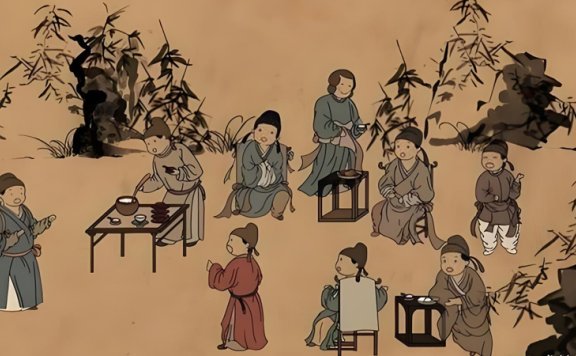
How Students in Ancient China Spent Their School Breaks
Imagine a world without smartphones, video games, or high-speed internet. For a student in ancient China, a break from school meant something entirely different from today's scrolling and streaming. It was a time for harvesting rice, packing warm clothes for winter, or simply wandering through mountains with a sword by your side. The structure of their academic year held secrets to a life where work and rest were deeply connected to the seasons and the land. Let's step back in time to discover how the scholars of dynasties past spent their days off—and what their timeless rhythms can teach us about finding balance in our own hectic lives. Official Leaves: Han Taixue to Tang Academies The concept of a government-approved vacation is far from modern. During the Han Dynasty (汉代), the prestigious Taixue (太学) had rules written into law. According to the Han Code (汉律), students and officials were entitled to a day of rest every five days, a rhythm that functioned Much like our weekend. This was known as Mu (沐), a day specifically for bathing and cleansing oneself, highlighting how personal care was woven into the official schedule. These breaks were not just about rest; they were essential… -
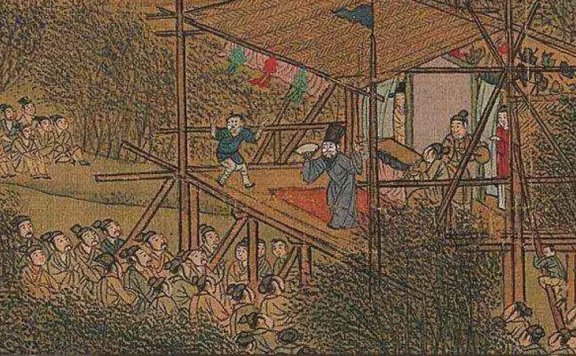
How Ancient Chinese Found Joy Without Phones
Imagine a day without your phone. No scrolling, no pinging, no pocket-sized portal to the world. For most of us, that sounds less like a break and more like a punishment. Yet, for centuries, that was the only reality. How did our ancestors fill the hours, fight boredom, and find joy without a single byte of digital distraction? Did they just sit around, staring at walls? Far from it. Their world was not one of dull emptiness, but of vibrant, hands-on fun. From the dusty fields of the Han Dynasty to the bustling teahouses of the Republic era, the history of Chinese entertainment is a testament to human creativity. It’s a story of turning simple moments—a kick of a ball, a sip of tea, a well-told joke—into the very fabric of a rich social life. Let's put down our devices for a moment and step into their world. Rituals to Kicking Off The very first "entertainment" in ancient China wasn't for fun at all—at least, not at first. It was born from ritual. In primitive societies, people danced and sang not in nightclubs, but to honor spirits and gods. These acts of worship, filled with rhythm and movement, were the… -
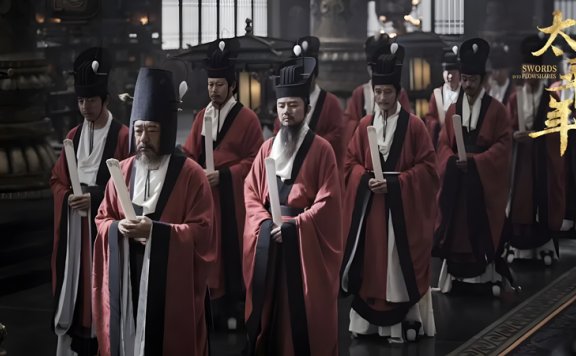
Swords into Plowshares: The Brainy Historical Epic Worth the Effort
Starting Swords into Plowshares (太平年) feels less like leisure and more like an abrupt dive into a historical labyrinth. It opens with a brutal scene that grabs attention, but soon swaps simplicity for dense, semi-classical dialogue and a whirlwind of political factions. Viewers find themselves in the tumultuous Five Dynasties and Ten Kingdoms, a period so briefly taught that even dedicated students feel lost. This complexity splits audience opinion. On Douban (豆瓣), criticism centers on confusion, while praise highlights intellectual reward. Meanwhile, Xiaohongshu users fervently exchange explanatory notes, treating each episode as a puzzle. Its top-tier ratings, including from CVB, show a curious trend: many embrace the mental exertion. The drama questions modern viewing habits. Instead of passive consumption, it insists on engagement, making its difficulty not a barrier but a distinctive, debated feature of its identity. Patience Rewarded: Chaos Unveils Historical Depth Many television shows try to make viewing easy. The new series Swords into Plowshares does the opposite. It presents a sprawling, complex narrative set in a tumultuous historical period, demanding focus and patience from its audience. This initially daunting approach has divided viewers, but for those who persist, a rich and rewarding story unfolds. The Confusing Opening… -
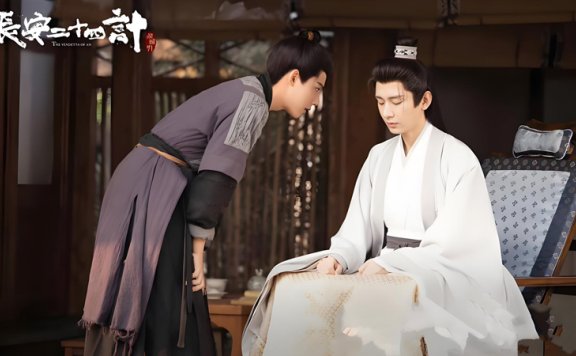
5 Must-Watch Chinese Costume Dramas Shaping a New Narrative Trend
The landscape of Chinese costume drama is undergoing a quiet but significant evolution. As evidenced by five recent standout series, the genre is moving beyond epic battles and fantastical romance toward a new paradigm defined by intellectual depth and narrative precision. These shows—from investigative procedurals to historical political dramas—prioritize specialized knowledge, mature character dynamics, and sophisticated genre blending. Their collective success, often fueled by word-of-mouth rather than sheer promotional might, signals a discerning audience appetite for substance. This trend marks a maturation of the genre, where compelling storytelling is built not on scale, but on the solid foundations of logic, character integrity, and innovative conceptual hooks. The Imperial Coroner 2 (御赐小仵作2) The sequel to the sleeper hit The Imperial Coroner demonstrates that a loyal audience awaits well-crafted stories. The Imperial Coroner 2 reunites the original cast after five years, a rare move that pays off by preserving the unique dynamic fans loved. The series follows the married forensic examiner Chu Chu (楚楚) and her husband, the imperial official Xiao Jinyu (萧瑾瑜), as they lead the judicial department. Their partnership now operates on both professional and personal levels. What sets this show apart is its effortless blend of a tightly-plotted investigative… -
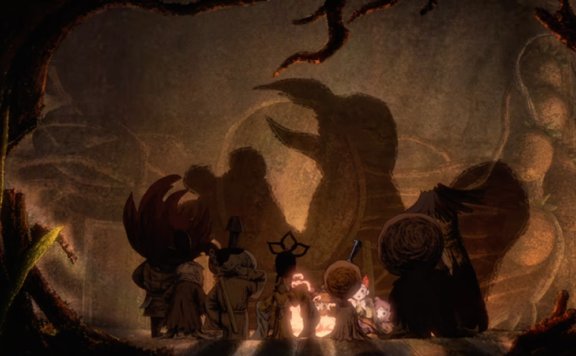
The Great Bird: Guarding Innocence in the Gloom of a War-Torn World
What does it mean to hold onto innocence in a world designed to crush it? The animated short The Great Bird, part of the acclaimed anthology Yao-Chinese Folktales 2 (中国奇谭2), offers no easy answers. Directed by Du Pengpeng (杜鹏鹏), this piece stands apart. It is not a comforting, warm tale of Guochao (国潮) aesthetics, but rather a somber, magical-realist fable wrapped in the visual language of traditional Chinese art. Set against the backdrop of a war-torn, occupied region known as Zenan (泽南), the story follows two marginalized souls. Their struggle is not for glory, but for the preservation of a fragile, personal light in overwhelming darkness. Without resorting to sentimentality, every frame of this film conveys a profound, aching melancholy that lingers long after the screen goes dark. Two Souls, One Refuge The film's heart lies in the quiet, desperate guardianship between a young girl, Zhen'er (珍儿), and an older man, Bao Shan (保山). Orphaned and marked by a facial birthmark, Zhen'er lives a meager existence with only two ducks for company. Her sole purpose is collecting duck feathers, believing they are from a mythical Great Bird whose arrival will end her suffering. Bao Shan, a scarred former soldier with… -
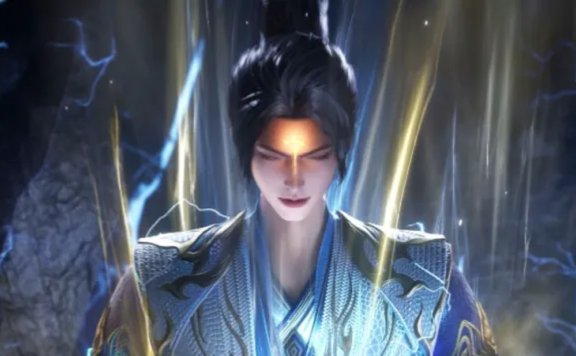
The Great Ruler 2: Conquering China and the World
The social media storm was instant and immense. After a three-year wait, the return of The Great Ruler 2 (大主宰2) in early 2026 didn't just meet expectations; it shattered them. Securing a permanent spot in the top five trends on Weibo, generating billions of views on Douyin, and breaking ten thousand simultaneous comments on Bilibili, the series claimed seventh place on the monthly domestic animation chart with 107 million views. Yet its most surprising achievement was becoming a new benchmark for Chinese animation's global reach. This deeply rooted Eastern fantasy series sparked a "Thai-dub viewing craze" across Southeast Asia, landing high on iQIYI's international non-drama popularity charts. In an era dominated by short-form video snippets, how did a weekly serialized animation achieve this trifecta of fandom celebration, broader cultural penetration, and international success? The answer lies not in nostalgia alone but in a fundamental evolution of the industry itself. The Evolving IP Ecosystem The moment Xiao Yan (萧炎) appeared at Beicang (北苍) Academy with his daughter Xiao Xiao (萧潇), and Lin Dong's (林动) figure flashed within a spirit array, the internet erupted. The long-awaited reunion of author Tiancan Tudou's (天蚕土豆) three iconic protagonists was a masterstroke in fan service. However,… -
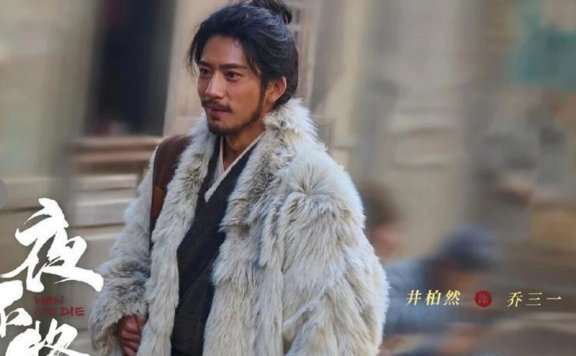
Win or Die Arrives on iQiyi Feb 15
In the vast expanse of China's streaming landscape, where historical dramas often revisit familiar tales of emperors and scholars, a new series is breaking ground by venturing into the shadows of history. Win or Die (夜不收), premiering on iQiyi, dares to spotlight a group so covert that even official records offer only fragmented glimpses. This is not a story of palace intrigue but of survival on the desolate frontier, focusing on the Ming Dynasty's most elusive special forces unit—the Ye Bushou (夜不收), or "Night Raiders." With over 1.2 million advance reservations, the series has ignited fervent anticipation, promising a raw, unflinching look at the forgotten ghosts who guarded the empire's borders. The Ghosts of the Frontier The Ye Bushou operated in the harsh realities following the Tumu (土木) Crisis, a catastrophic military defeat for the Ming. Unlike the iconic Jinyiwei (锦衣卫) with their ornate uniforms and authority, these soldiers were anonymous. Their existence was defined by extreme risk, conducting reconnaissance deep behind enemy lines and carrying critical intelligence across lethal terrain. Historical accounts suggest their survival rate was abysmally low, often below ten percent. They were the true, unsung perimeter of the empire, masters of disguise, horsemanship, and archery, whose… -
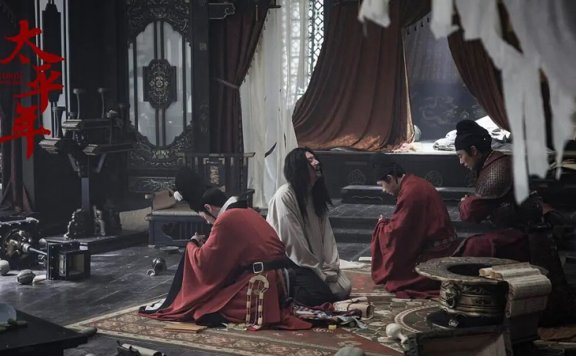
Swords into Plowshares: A Brilliant Historical Epic Marred by Flawed Lead Roles
As the flagship historical drama for China Central Television's new year, Swords into Plowshares (太平年) has made a significant impact. Set against the turbulent backdrop of the Five Dynasties and Ten Kingdoms period, it demonstrates a cinematic quality often reserved for film, from its meticulous costume and set design to its sprawling, visceral battle sequences. In an era dominated by short-form content, this series makes a compelling case for the enduring power and depth of long-form television. It ambitiously attempts to weave a complex tapestry of a fractured era, where power shifted like sand and heroes and villains rose and fell with dizzying speed. The narrative successfully creates a palpable, grim atmosphere of instability, using multiple perspectives to explore the brutal mechanics of history and the intricate souls caught within it. The Ensemble's Triumph The drama's greatest strength lies not in its protagonists, but in its richly drawn supporting cast. The chaotic historical period provides fertile ground for vivid portraiture, and the series seizes this opportunity. Even characters with minimal screen time are imbued with startling clarity and memorability. This meticulous casting and performance have led viewers to claim that certain portrayals have "monopolized" the image of these historical figures… -
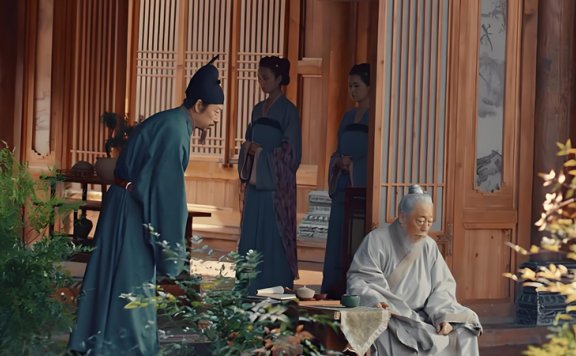
Qian Hongchu’s Masterstroke with Hu Jinsi in Wuyue
The historical drama Swords into Plowshares (太平年), currently airing to popular acclaim, plunges viewers into the turbulent 10th-century court of the Wuyue (吴越) kingdom. Following a dramatic palace coup, the narrative centers on a gripping paradox: the new King, Qian Hongchu (钱弘俶), chooses to spare the very man who orchestrated his rise to power—the formidable and dangerous Grand Marshal, Hu Jinsi (胡进思). This is not a story of weakness, but one of profound political intelligence. By examining Qian Hongchu's refusal to eliminate Hu Jinsi, we uncover the sophisticated strategies required to rule in a volatile era where brute force was often the simplest, yet most disastrous, option. The Reluctant Monarch Qian Hongchu’s character is defined by a temperament starkly different from his predecessor. Where his brother, the deposed Qian Hongzong (钱弘倧), was impulsive and suspicious, Qian Hongchu is measured and pragmatic. His reign is not built on fear but on a consistent reputation for fairness and a deep aversion to unnecessary bloodshed. This inherent disposition forms the first layer of his decision. He understood that killing Hu Jinsi would be seen as an act of vengeance, potentially destabilizing his legitimacy so soon after a contested succession. His prior executions targeted… -
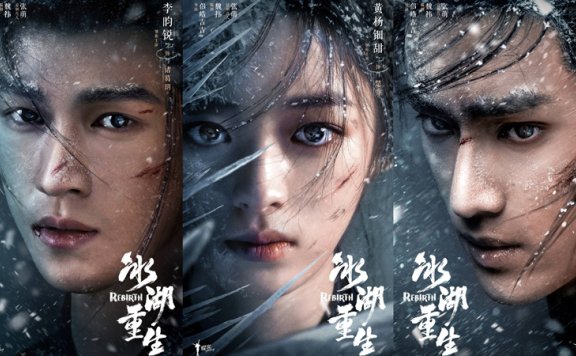
Rebirth: The Epic Sequel to Princess Agents
A cliffhanger has haunted fans of the epic drama Princess Agents (楚乔传): the image of the male lead, Zhuge Yue (诸葛玥), sinking into a frozen lake, followed by the heroine Chu Qiao (楚乔) leaping in after him. This unresolved moment became a legendary "unhealed wound" in Chinese television history. Now, the official sequel, titled Rebirth (冰湖重生), has been announced, promising to pick up the story directly from that icy plunge. Slated for a simultaneous release on major streaming platforms iQiyi and Tencent Video, the series aims not just to continue a story, but to mend a seven-year-old heartache for its devoted audience. New Faces, Familiar Souls The cast, while not the original ensemble, represents a thoughtful new generation. Playing the adult Chu Qiao is Huang Yang Tiantian (黄杨钿甜), who once portrayed the younger version of the character. Now 16, she has undergone intensive martial arts training for months. Her performance showcases a steely determination that feels like a natural evolution from the resilient girl audiences remember. She embodies the seasoned "Xiuli King (秀丽王)," a leader forged through hardship, with fight scenes that are powerful and grounded. Taking on the pivotal role of Zhuge Yue is Li Yunrui (李昀锐). His approach…