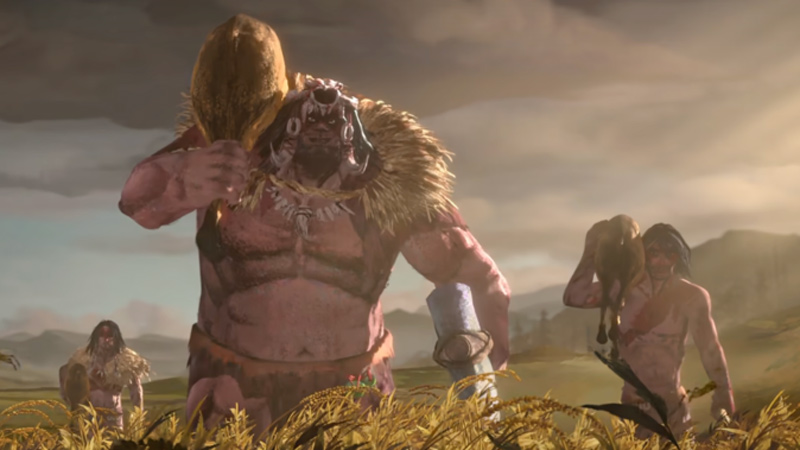
After a three-year wait, Yao-Chinese Folktales 2 (中国奇谭2) returns with nine new fantasy shorts, and among them, director Zhang Yang's (张扬) installment, Xingtian (刑天), has ignited the most passionate discussions. Moving away from the minimalist ink-wash style of the first season, this chapter uses a gritty, almost tactile 3D technique to reimagine the headless warrior from the ancient classic Shan Hai Jing (山海经).
It’s not a simple retelling of myth; it’s a raw exploration of resilience, confusion, and what it means to define oneself when everything that identifies you is gone. By shifting focus from divine revenge to human survival, Xingtian holds up a mirror to the silent struggles of ordinary people today, making this ancient story feel startlingly new and personal .
More Than a Myth: A Fresh Take on an Ancient Warrior
To understand the impact of Xingtian, one must first understand its core intention. The creative team didn't aim to merely recreate the mythical figure from the Shan Hai Jing; instead, they anchored the story in the theme of "life," using the ancient tale to explore modern spiritual dilemmas . In traditional lore, Xingtian is the deity who fought the Supreme Deity for the throne of heaven.
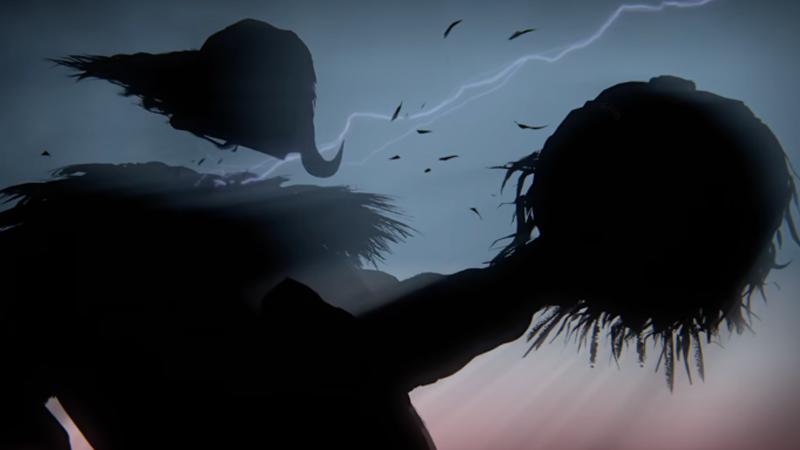
After being decapitated, he fought on, using his nipples as eyes and his navel as a mouth—an eternal symbol of indomitable will. This new version retains that iconic imagery but strips away the grandeur of fantasy to focus on a more profound question: after losing his head, how does he redefine himself and continue to find meaning in existence?
This shift from a tale of vengeance to one of identity and perseverance is the very reason it resonates so deeply with contemporary audiences. Director Zhang Yang deliberately abandoned the classic story’s core theme of revenge, instead focusing on the sheer resilience of life itself.
Grit Over Glitter: A Visual Language of Raw Power
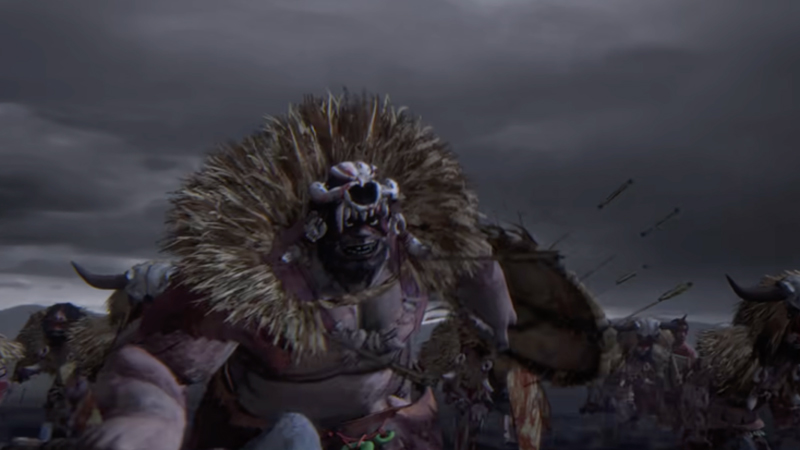
The visual style of Xingtian has become a major talking point, with opinions sharply divided. Some praise its epic feel, while others find it overly "rough." However, this aesthetic is a perfect match for the character's spirit. Unlike the delicate, detailed brushwork in How to Become Three Dragons or the soft, textured wool of Light Snow, Xingtian employs a hybrid of 3D digital technology and hand-painted textures. The color palette is dark and murky, the lines are coarse, and there’s a deliberate absence of polished models or flashy effects. Yet, this approach perfectly captures the desolate and profound atmosphere of ancient myth.
Xingtian's body is massive, covered in battle scars, with every muscle fiber seemingly defined. Even without a head, his posture alone—the way he stands, the way he moves—conveys a deep sense of reluctance and defiance. His axe and shield are not pristine artifacts but are chipped and worn, each mark telling a story of hardship and unyielding struggle. Director Zhang Yang has noted that this gritty, realistic style was chosen to align with Xingtian’s essence: he is not a perfect, invincible warrior, but a defeated and incomplete one, and it is this very "imperfection" that makes his refusal to surrender so powerful .
Decoding the Fight: Three Key Scenes of Defiance and Doubt
Though the short film is not long, it is packed with emotionally charged moments. Three scenes, in particular, have become focal points for viewers, holding the keys to its spiritual core. The first is the beheading itself. When Xingtian loses his head, it’s not just a physical blow. The head is a symbol of identity, the marker of the "war god" label. When it's gone, he loses not only a part of his body but the definition imposed on him by others. He creates new eyes and a new mouth not to scream for revenge, but to see himself anew and define himself on his own terms. The second key scene places him alone in the vast, desolate wilderness.
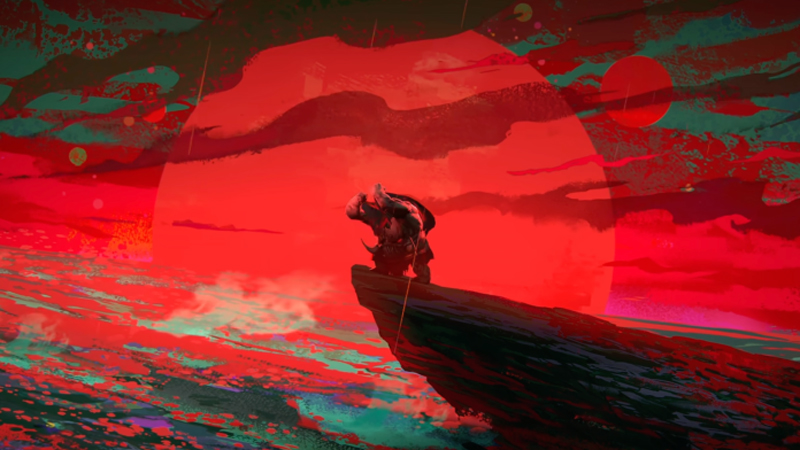
After losing his head, he doesn't immediately charge back into battle. Instead, he stands motionless, axe in hand, as if contemplating the meaning of his existence. He cannot see or hear, only sensing the world through instinct. He has no companions, and no one understands him; to others, he is merely a monster or a madman. This profound solitude and confusion resonate deeply, reflecting the moments of silent struggle many face in their own lives .
The final, most powerful scene redefines the purpose of his fight. In a pivotal moment, Xingtian returns to his tribe, only to be attacked as a monster by his own people, including his wife. He nearly kills her but stops himself, recognizing her. He doesn't seek revenge for their fear. Instead, he retreats to the shadows, secretly protecting her. When the tribe is attacked, he emerges to shield his wife and child, sacrificing himself so they can escape.
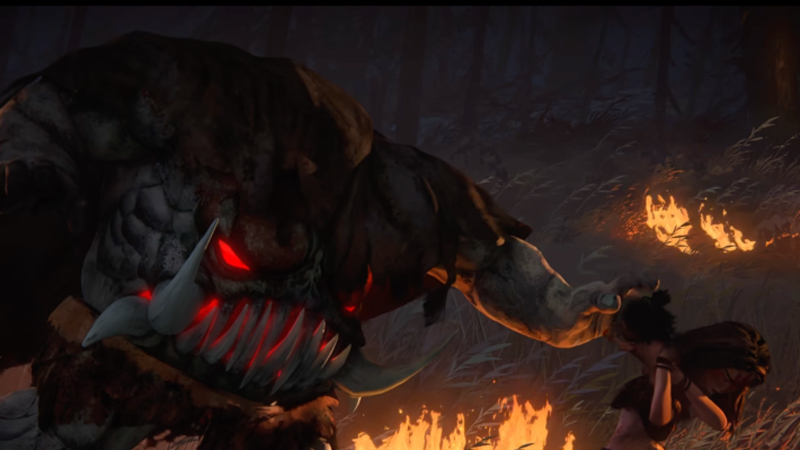
This reframes his battle: his fight is no longer for divine power, but for love and protection. The ultimate lesson of Xingtian is not about defeating a more powerful enemy. It is about the quiet, stubborn refusal to give up—on oneself, on one's loved ones, on the meaning one chooses to create. This gritty, deeply human portrayal is what allows a 2,000-year-old myth to speak so directly to the modern heart.