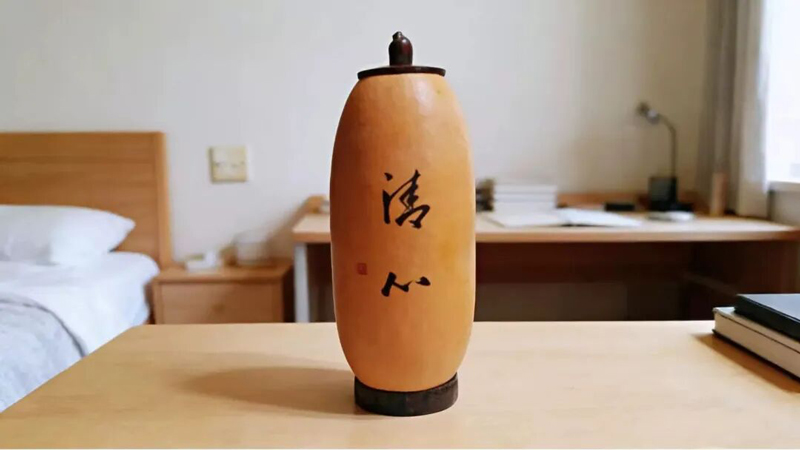
For seasoned tea drinkers, the quest for the perfect storage vessel is never-ending. Metal canisters can impart a taste. Clay jars might be too porous. Glass looks beautiful but fails to protect the tea from light. Amidst this search, one ancient container has quietly held its ground for centuries: the humble gourd. Passed down through generations of tea enthusiasts, it is not merely a container but a trusted companion in the art of aging and preserving tea. What is the secret behind this enduring appeal? Why does a simple, dried fruit shell outperform modern industrial designs for those who truly understand tea?
The Breathable Wall
The magic of the Gourd Tea Canister begins with its structure. Unlike the airtight seal of metal or the cold sterility of glass, the cured shell of a gourd retains microscopic pores. These tiny openings allow for an imperceptibly slow exchange of air. This gentle ventilation prevents the tea leaves from suffocating in a stagnant environment, a condition that can flatten vibrant flavors over time.
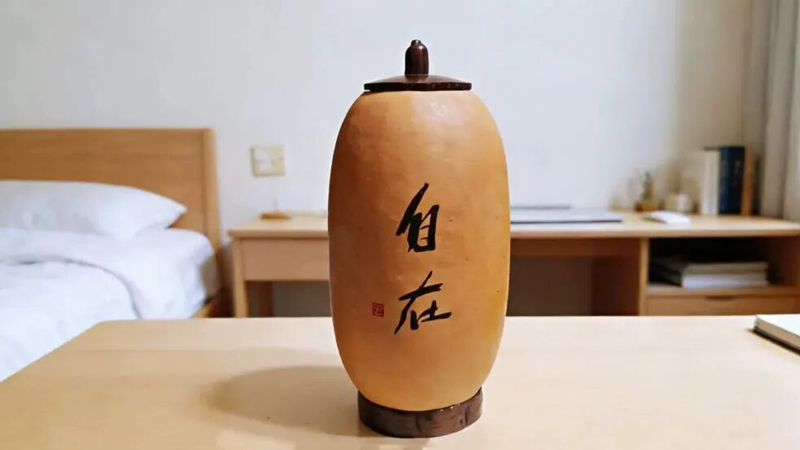
Beyond simple breathability, the gourd acts as a natural humidity regulator. The inner lining of the dried gourd possesses a remarkable ability to absorb ambient moisture when the air is damp, protecting the tea from mold or sogginess. Conversely, during dry spells, it slowly releases that trapped moisture back into the micro-environment. This self-balancing act keeps the tea at a stable, ideal humidity, acting like a smart sponge that maintains a consistent internal climate without any technology.
This creates a stable "micro-climate" inside the canister. For teas that are meant to be aged or slowly transformed, like certain pu-erh or white teas, this stable environment is crucial. It allows the leaves to breathe and evolve, much like wine in an oak barrel, but without the intrusive flavors of the wood. It is this gentle, passive regulation that earns the gourd its reputation as a "living" vessel.
The Silent Purifier
A primary concern for any tea connoisseur is the purity of the flavor. Many containers, especially those made from certain woods or lacquers, can leach their own scents into the delicate tea leaves, a phenomenon known as "taste crossing." The gourd, however, is naturally inert. After proper curing and cleaning, it imparts no smell of its own, ensuring that the tea retains its original, unadulterated aroma and taste profile.
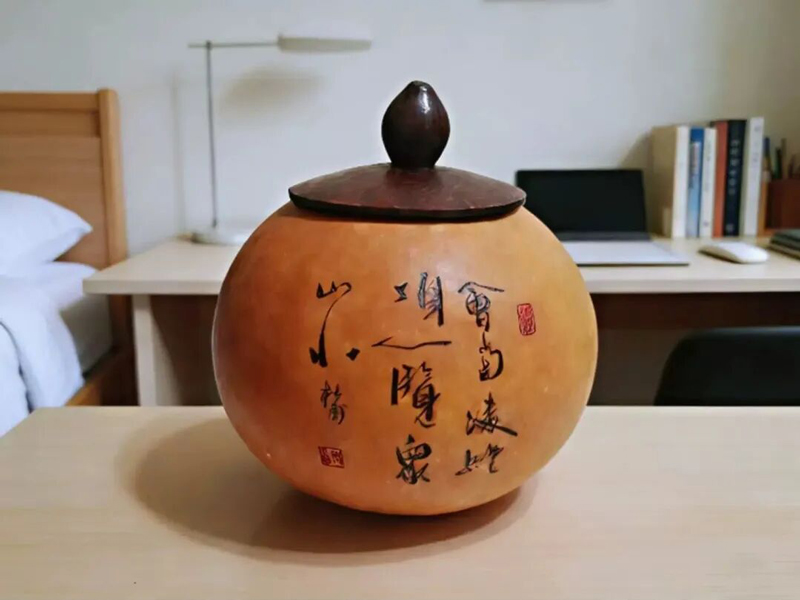
What is even more fascinating is the gourd's ability to refine the tea's existing flavors. The clean, pure internal environment of the canister is believed to help soften and neutralize any harsh or unwanted odors the tea may have accumulated, such as the musty "storage smell" common in aged teas. Over time, the tea's bouquet becomes cleaner, smoother, and more rounded. It is as if the gourd provides a peaceful, calming space for the tea to rest and shed its rough edges.
This is why experienced tea drinkers say their tea "sleeps better" in a gourd. The combination of breathability and a neutral, clean environment allows the flavors to harmonize naturally. The result is a cup that is not only truer to the original leaf but also possesses a mellowness and depth that only comes from resting in a sympathetic, natural container. It doesn't just store the tea; it gently nurtures it.
The Aging Companion
Unlike a factory-made tin that remains unchanged for decades, a gourd canister evolves. As the years pass and the container is handled, the natural oils from the hands interact with the gourd's surface. This process, often called "playing" with the gourd, gradually transforms its appearance. The surface takes on a warm, reddish patina, often developing a deep, glass-like sheen that is prized by collectors. It becomes a testament to time and care.
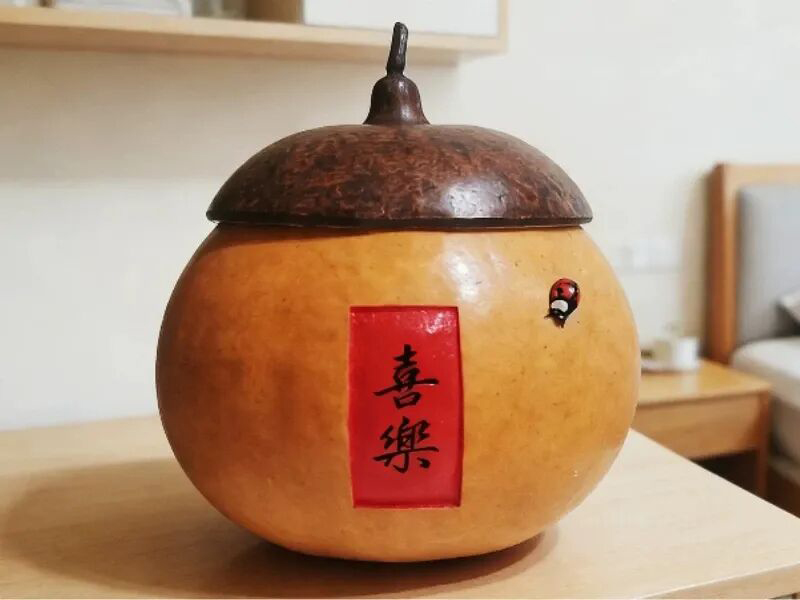
This physical transformation parallels a deeper, functional change. After years of storing the same type of tea, the inner environment of the gourd seems to become "seasoned." It becomes attuned to that particular tea, creating a unique, symbiotic micro-ecosystem. The canister learns the specific needs of its contents, and in return, the tea benefits from this matured, stable environment. This is the concept of "human and vessel becoming one."
This sense of shared history and mutual benefit is something no modern container can replicate. The gourd is not just a tool; it is a partner in the tea-drinking journey. It holds not only tea leaves but also memories of countless brews and quiet moments. For the old-timer, picking up a beloved, well-seasoned gourd is like greeting an old friend—a silent, reliable partner that has aged gracefully alongside them, making every cup of tea a little warmer.