Ever stared at the clock on a Wednesday afternoon, feeling a strange cloud of exhaustion follow you home? That, my friend, is what modern slang calls "workplace fatigue." It's the droopy eyes, the comfortable shoes, and the thousand-yard stare after a long shift. But before we pat ourselves on the back for inventing the grind, let's take a trip down memory lane.
The ancient Chinese bureaucracy ran for thousands of years, and the "workplace fatigue" of its officials and laborers was arguably much heavier. From court officials waking up in the dead of night to beat cops who could never rest, let's unpack how our ancestors handled the daily 9-to-5—or in their case, the 3-to-5 AM.
1. Civil Servants
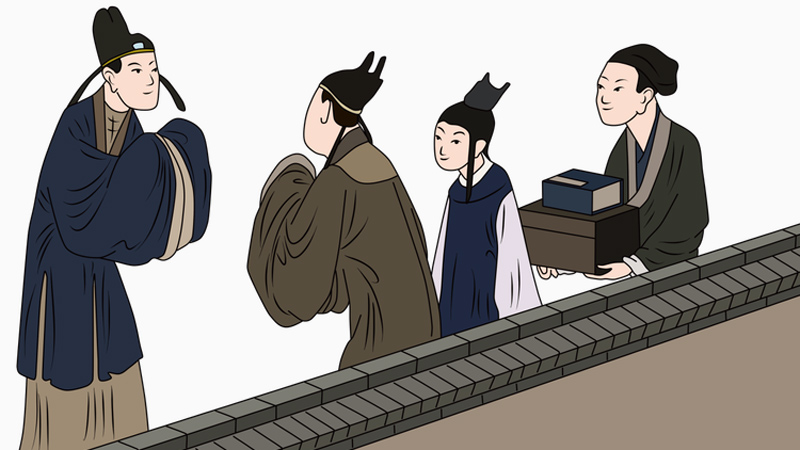
Imagine setting your alarm for 2 AM. For a Ming Dynasty official, that was just another Tuesday. The founding emperor of the Ming Dynasty, Zhu Yuanzhang (朱元璋), demanded his court officials wait outside the palace gates by 3 AM for a 5 AM roll call, known as Dian Mao (点卯). One scholar-official, Qian Zai (钱宰), famously wrote a poem grumbling, "At the fourth drum I rise and put on my clothes, yet I fear I'll be late for the noon gate." The "fourth drum" signified the dead hours between 1 and 3 AM.
To make matters worse, the Ming Dynasty was infamous for its stingy holiday policy: only three days off for the entire year—the New Year, the Winter Solstice, and the Emperor's birthday. Missing a day of work wasn't just a payroll deduction; in the Tang Dynasty, missing a day meant twenty lashes. A month's absence? That could land you in jail for a year. Suddenly, our modern concept of "using a sick day" feels incredibly luxurious.
2. Hanlin scholars
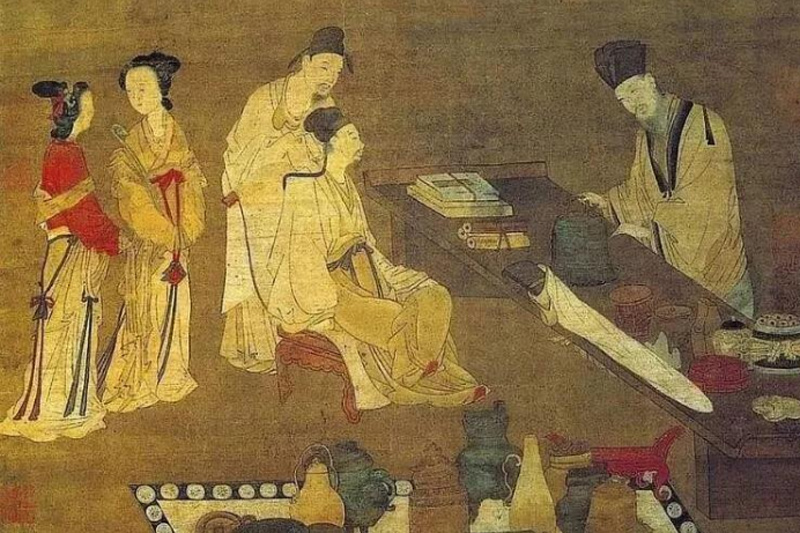
If you think modern content creators have it rough, consider the Hanlin Academy (翰林院) scholars. These were the elite brains trust of the Emperor, tasked with drafting every important decree, pardon, and state document. When the Emperor had an idea, a eunuch would summon a Hanlin scholar to the palace. After receiving the imperial orders, the scholar was escorted to the academy and "locked in." They literally sealed the gates to prevent any leaks or interruptions, working through the night until the document was perfect. A decree appointing a prime minister, for instance, had to be ready by dawn.
Beyond this high-stakes paperwork, these scholars were walking encyclopedias. They had to accompany the Emperor on trips to answer random policy questions, lecture him on classics like Zizhi Tongjian (资治通鉴), and even oversee imperial exams, with famous poets like Ouyang Xiu and Su Shi serving as head examiners. And yes, they still had to show up for the dreaded 5 AM roll call and take night shifts, just in case the Emperor had a late-night thought he needed to write down.
3. Civilian Posts
Far from the imperial court, the grassroots workers lived a tougher reality. The Ya Men (衙门) runners, the local government employees, worked in a "three-shift rotation." The "fast shift" were the detectives and tax collectors. Their job was dangerous—hunting criminals and patrolling the streets at all hours. The "court shift" were the bailiffs who stood silently during trials, administering beatings under extreme mental pressure. The "labor shift" did the heavy lifting: escorting prisoners, guarding warehouses, and repairing city walls. These jobs were not only exhausting but degrading. Detectives, in particular, were seen as "lowly" and their descendants were banned from taking the imperial exams for three generations. All this for a meager salary of about six silver taels a year.
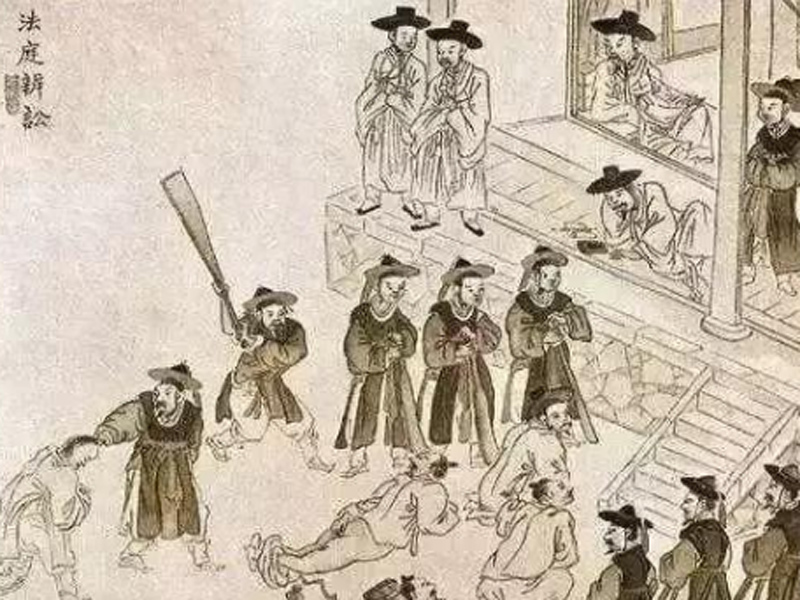
Then there was the night watchman. In period dramas, he's the guy with the gong yelling, "Dry weather, beware of fire!" before stumbling into a mystery. In reality, he worked every single night from 7 PM to 5 AM, striking the hour every two hours. His job was to check for fires, spot thieves, and warn the public of danger. It was a critical public safety role with zero days off and pay so low it barely bought a bowl of rice. For those who couldn't even afford that, there was the "beating guild" of the Ming Dynasty. These hired muscle, or "Da Shou" (打手), didn't just beat people up; they were also hired to *be* beaten. Poor farmers who couldn't pay their taxes would hire these professionals to take their lashing at the government office. When business was slow, these "thugs" would run errands, find lost chickens, or buy goods from distant towns—the original gig economy workers.
Looking back, our modern gripes about the daily commute or a boring meeting seem almost trivial. While we complain about the lingering smell of "workplace fatigue" on our clothes, our ancestors dealt with the threat of beatings, social ostracism, and sleep schedules that would break a modern insomniac. The ways we work have changed, but the act of working—of solving the puzzle of survival—remains the one constant that connects us across the centuries.